Trump Authorizes Largest Taiwan $11B Arm Sales Yet, Angering China/ Newslooks/ WASHINGTON/ J. Mansour/ Morning Edition/ The Trump administration has approved an arms sale to Taiwan worth over $11 billion, marking the largest U.S. weapons package to the island in history. The sale includes missiles, artillery, drones, and defense software, igniting strong backlash from China. Beijing warned the move risks pushing the Taiwan Strait toward military conflict.
U.S.-Taiwan Arms Deal: Quick Looks
- U.S. announces $11.15 billion weapons package for Taiwan.
- The deal includes missiles, HIMARS, drones, and artillery systems.
- Largest Taiwan arms sale ever, surpassing previous $8.4B under Biden.
- State Department says it supports regional security and stability.
- China condemns the sale, calling it a threat to sovereignty.
- Taiwan thanks U.S., calls defense upgrades vital to peace.
- Trump administration previously urged Taiwan to spend up to 10% of GDP on defense.
- Taiwan President Lai Ching-te pledges $40B over eight years for arms and air defense.
- China warns the U.S. is “playing with fire” over Taiwan.
- U.S. law obligates support for Taiwan’s self-defense.
Deep Look
U.S. Approves Largest Arms Package to Taiwan, Escalating Tensions with China
WASHINGTON, D.C. – The U.S. State Department has formally approved a massive arms sale to Taiwan valued at over $11 billion, triggering fierce condemnation from China. The package, announced Wednesday evening, includes a wide array of advanced weaponry, from missile systems and drones to howitzers and software upgrades, making it the most substantial U.S.-Taiwan arms deal to date.
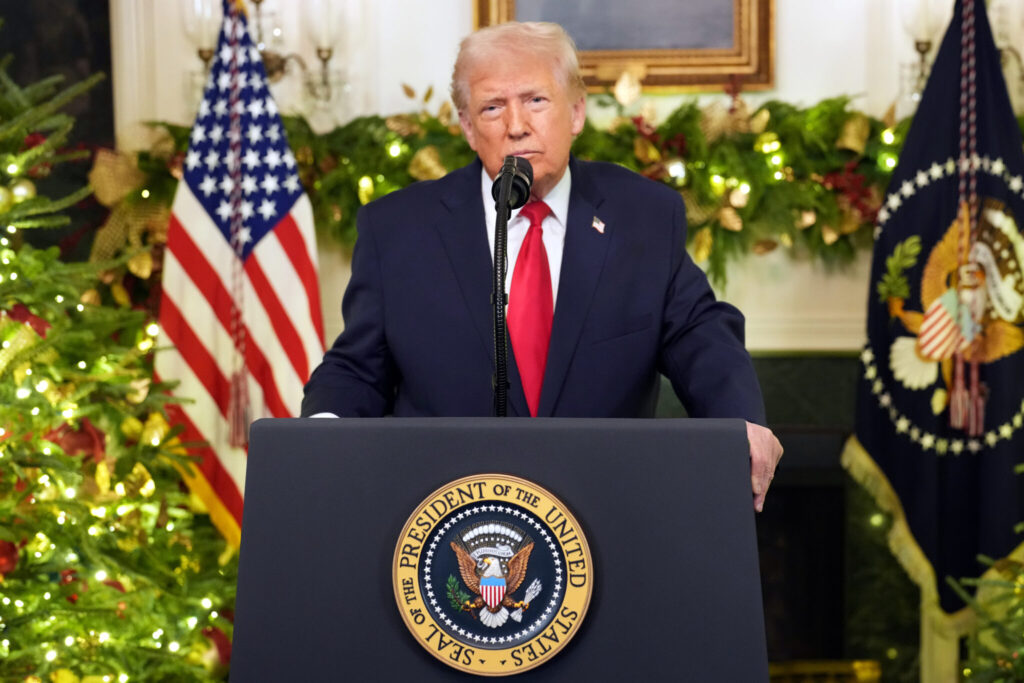
Unveiled during a nationally televised address by President Donald Trump, the announcement came with little direct mention of Taiwan or China, though the implications for U.S.-China relations are already proving significant. If ratified by Congress, the deal will surpass the $8.4 billion in total arms sold to Taiwan during former President Joe Biden’s tenure.
The sale arrives amid intensifying Chinese military activity near Taiwan and heightened U.S.-China friction over trade, territorial disputes, and geopolitical influence in the Indo-Pacific.
What’s in the Deal?
According to the U.S. and Taiwan’s defense ministries, the package includes:
- 82 High Mobility Artillery Rocket Systems (HIMARS)
- 420 Army Tactical Missile Systems (ATACMS) – similar to those used in Ukraine
- 60 self-propelled howitzers and related gear
- Drones valued at over $1 billion
- Defense software systems worth more than $1 billion
- Javelin and TOW anti-tank missiles worth $700 million
- Helicopter spare parts worth $96 million
- Refurbishment kits for Harpoon missiles worth $91 million
In total, Taiwan’s Ministry of Defense assessed the value at $11.15 billion.
The State Department emphasized that the arms sales “support U.S. national, economic, and security interests” and “help improve the security of the recipient and assist in maintaining political stability, military balance, and economic progress in the region.”
China’s Furious Reaction
China’s Foreign Ministry responded swiftly, condemning the move as a violation of long-standing diplomatic agreements between Washington and Beijing.
“The U.S. support for ‘Taiwan independence’ through arms will only end up backfiring,” said Foreign Ministry spokesperson Guo Jiakun. “This cannot save the doomed fate of ‘Taiwan independence’ but will only accelerate the push of the Taiwan Strait toward a dangerous situation of military confrontation and war.”
Guo accused Taiwan of “squandering the hard-earned money of the people to purchase weapons,” calling the deal a provocation that could spark greater instability across East Asia.
China maintains that Taiwan is a breakaway province and has not ruled out using force to reunify it with the mainland.
Taiwan Responds with Gratitude
In contrast, Taiwanese officials welcomed the sale, praising the U.S. for its ongoing support.
Taiwan’s Defense Ministry said the weapons would help ensure the island maintains “sufficient self-defense capabilities” and serve as a “strong deterrent.” Taiwan’s Foreign Minister Lin Chia-lung added that the arms deal supports regional peace, arguing that a well-armed Taiwan is essential to keeping the Taiwan Strait stable.
Taiwanese President Lai Ching-te, elected earlier this year, has increased Taiwan’s military spending significantly. In November, Lai announced a $40 billion special arms budget to be allocated over eight years (2026–2033). This includes development of a cutting-edge “Taiwan Dome” air defense network with advanced detection and interception technologies.
In a notable shift, the Trump administration has reportedly urged Taiwan to raise its defense spending to 10% of GDP — a level much higher than that of most NATO allies or even the U.S. itself. While Taiwan has committed to increasing defense outlays to 3.3% next year, many inside the country — particularly members of the opposition KMT party — have pushed back against further increases.
U.S. Strategic Calculations
Under the Taiwan Relations Act, the United States is legally required to provide Taiwan with defensive arms. The latest package demonstrates a clear strategic message: the U.S. remains committed to countering Chinese aggression in the region, especially as Beijing ramps up military flights and naval patrols near the island.
The move aligns with legislation recently passed by Congress as part of the National Defense Authorization Act, which President Trump is expected to sign imminently. The law includes provisions aimed at strengthening Taiwan’s defense and deterring Chinese expansionism.
Last week, China’s embassy in Washington condemned the legislation, accusing the U.S. of unfairly portraying China as an aggressor and using Taiwan to contain Beijing’s global ambitions.
Despite the tensions, U.S. military leaders argue the current policy is one of deterrence, not provocation. “Maintaining a strong Taiwan is about preventing war — not causing it,” said a Pentagon official speaking anonymously.