

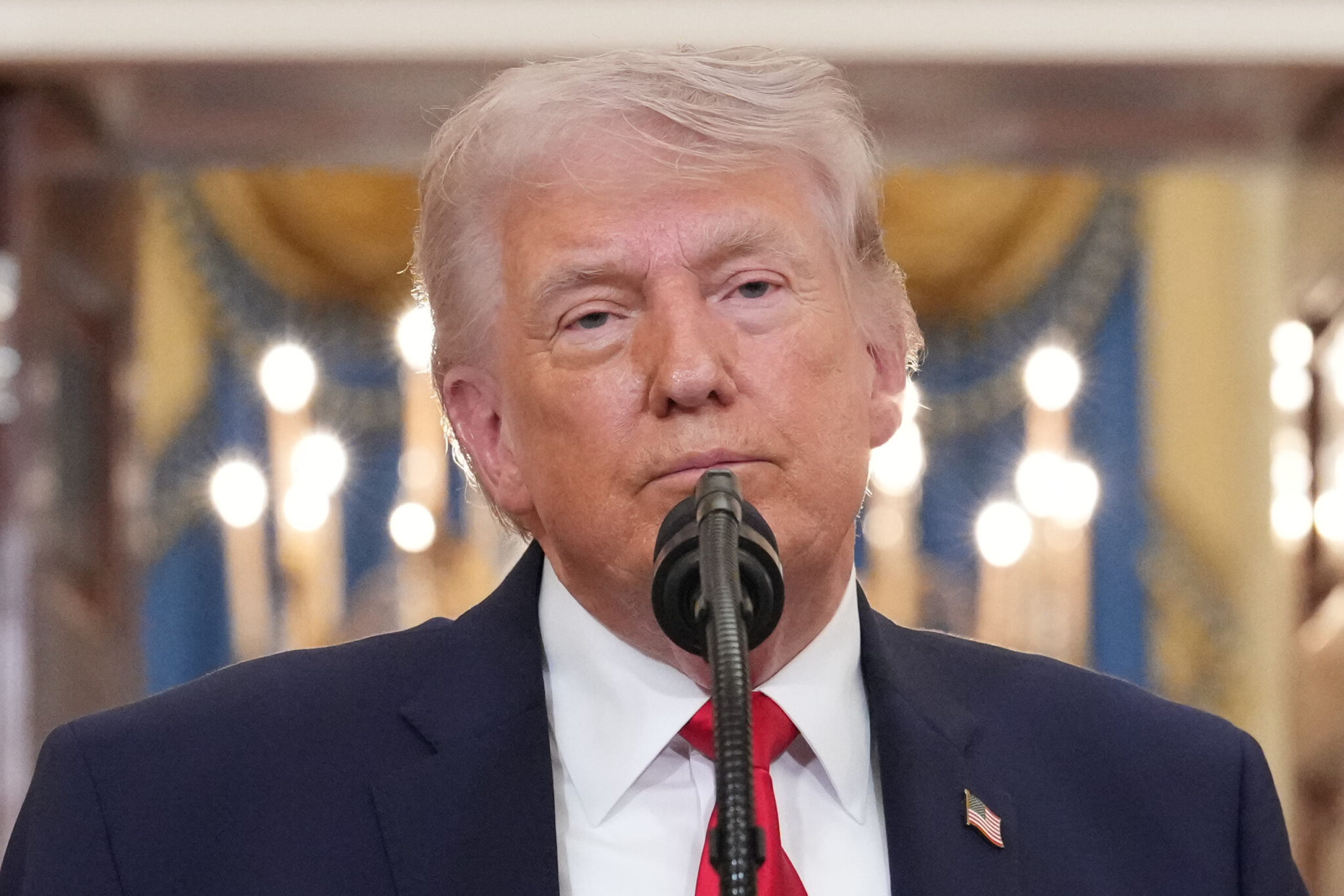
Trump Budget Calls for $1.5 Trillion Defense Increase/ Newslooks/ WASHINGTON/ J. Mansour/ Morning Edition/ President Donald Trump is proposing a $1.5 trillion defense budget for 2027. The plan includes a 10% reduction in nondefense domestic spending. The proposal sets up a major budget fight in Congress amid rising deficits.
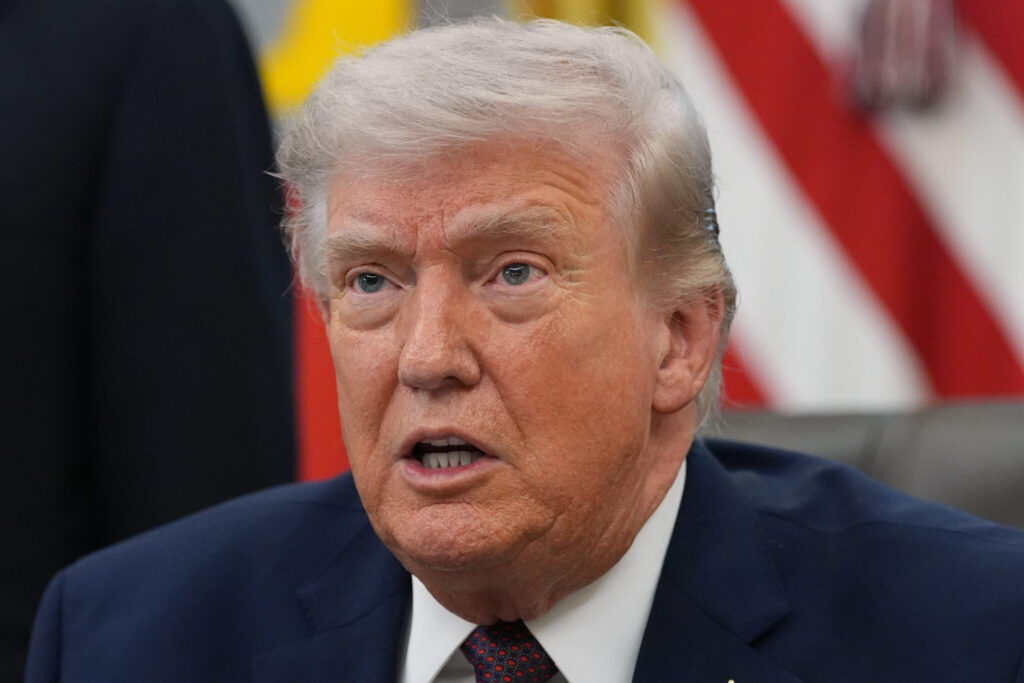
Trump Defense Spending Plan Quick Looks
- Trump proposes $1.5 trillion defense budget
- Nondefense spending cut by 10%
- Proposal shifts responsibilities to states and local governments
- Budget comes amid $2 trillion annual deficits
- National debt exceeds $39 trillion
- Pentagon also requested $200 billion for Iran war
- Healthcare and Social Security dominate federal spending
- Congress expected to battle over spending priorities
- Budget reflects administration’s long-term policy priorities
Deep Look: Trump Budget Proposes Major Defense Spending Increase
President Donald Trump is proposing a dramatic increase in military spending, calling for a $1.5 trillion defense budget as part of his administration’s 2027 federal spending plan. The proposal, outlined in a White House budget summary released Friday, signals a major shift toward military investments while reducing funding for domestic programs.
The proposed defense spending would represent one of the largest military budget increases in decades. The White House also indicated that the administration intends to reduce nondefense spending by approximately 10%, with some responsibilities shifting from the federal government to state and local authorities.
The budget proposal underscores Trump’s continued emphasis on strengthening U.S. military capabilities, particularly in light of growing global tensions and the ongoing U.S.-led conflict involving Iran. Even before the conflict escalated, the administration had already signaled plans to modernize military forces to address emerging 21st-century threats.
Military Spending Takes Priority
Trump has made clear that military readiness is his administration’s top priority. Speaking at a private White House event earlier this week, the president highlighted the challenges of balancing military commitments with domestic programs.
“We’re fighting wars. We can’t take care of day care,” Trump said, emphasizing that certain domestic services could be handled at the state level rather than federally.
The Pentagon has also recently requested an additional $200 billion to support the Iran war effort and replenish military supplies and munitions. This additional request adds to the already substantial defense spending increases outlined in the budget proposal.
Budget Reflects Administration Priorities
Although presidential budgets do not carry the force of law, they serve as a blueprint for the administration’s policy priorities. Congress ultimately determines federal spending and frequently modifies or rejects portions of presidential proposals.
The budget arrives as the United States continues to face significant fiscal challenges. Annual deficits are approaching $2 trillion, while the national debt has surpassed $39 trillion. These financial pressures are expected to intensify debate among lawmakers over spending priorities.
Approximately two-thirds of federal spending — roughly $7 trillion annually — is already committed to major entitlement programs, including:
- Social Security
- Medicare
- Medicaid
These programs are expected to grow automatically as the population ages, limiting flexibility in other areas of the federal budget.
The remaining discretionary spending has historically been split between defense and domestic programs, each receiving roughly $1 trillion annually. Trump’s proposal would significantly tilt that balance toward military spending.
Previous Spending Plans Expanded Defense and Immigration
Trump’s earlier tax and spending legislation already boosted defense and immigration enforcement funding. The law allocated at least $150 billion for the Pentagon over several years and another $170 billion for immigration enforcement and deportation operations under the Department of Homeland Security.
The 2027 budget proposal, developed by Budget Director Russ Vought, is intended to provide guidance to lawmakers as they prepare annual appropriations bills. Vought recently briefed House Republicans on the administration’s priorities during a private call.
Congress Still Battling Over Current Spending
The budget proposal comes as lawmakers remain locked in disputes over current government funding. The House and Senate are still negotiating funding for the Department of Homeland Security, with Democrats pushing for changes to Trump’s immigration enforcement policies.
Meanwhile, a partial government shutdown related to DHS funding has stretched to 49 days. Trump announced he would sign an executive order to ensure DHS employees receive pay during the shutdown.
Congressional leaders have reached a tentative agreement to resolve funding issues, but lawmakers have not yet voted on the proposal as they remain on spring recess.
Previous Budget Battles
Trump’s previous budget proposals also sought to reduce domestic spending significantly. Last year, the administration attempted to cut nondefense spending by roughly 20%, but Congress ultimately kept spending levels relatively unchanged.
Some programs targeted for elimination received continued funding, including:
- Energy assistance for low-income families
- Community Development Block Grants
- Affordable housing and infrastructure programs
Lawmakers from both parties have also increased oversight to ensure federal agencies spend money according to congressional directives.
Sen. Patty Murray, the ranking Democrat on the Senate Appropriations Committee, noted that recent spending legislation included hundreds of specific funding directives designed to guide the administration’s use of federal funds.
Budget Fight Ahead
Trump’s proposal is expected to trigger a significant political battle in Congress. Republicans generally support increased defense spending, while Democrats are expected to push back against reductions in domestic programs.
With rising deficits, growing debt, and global conflicts influencing policy decisions, lawmakers face difficult choices about how to allocate federal resources.
The debate over the 2027 budget is likely to shape economic policy, military strategy, and domestic spending priorities for years to come.





You must Register or Login to post a comment.