Trump Changes Tone, Welcomes Colombia’s Petro to White House/ Newslooks/ WASHINGTON/ J. Mansour/ Morning Edition/ President Trump reversed course and invited Colombian President Gustavo Petro to the White House just days after accusing him of enabling drug trafficking and threatening military action. Trump cited a “friendly” call with Petro discussing Venezuela and narcotics. Petro confirmed the call but warned U.S. policy was being manipulated by political opponents.
U.S.-Colombia Relations Quick Looks
- Trump invites President Petro to White House following hostile remarks
- Recent U.S. accusations linked Petro to cocaine production
- Petro said Trump was misled by Colombian political rivals
- Trump previously floated U.S. military intervention in Colombia
- Petro had condemned U.S. operation in Venezuela as a violation
- Colombia has been a key U.S. ally in the drug war
- Trump’s administration recently cut aid, imposed sanctions on Colombia
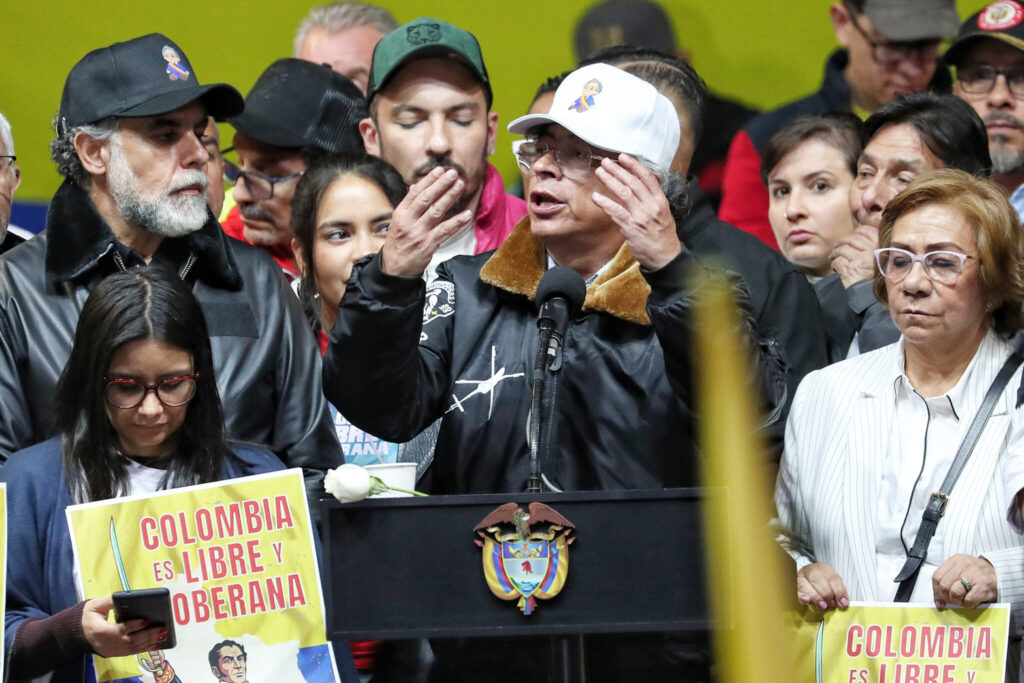
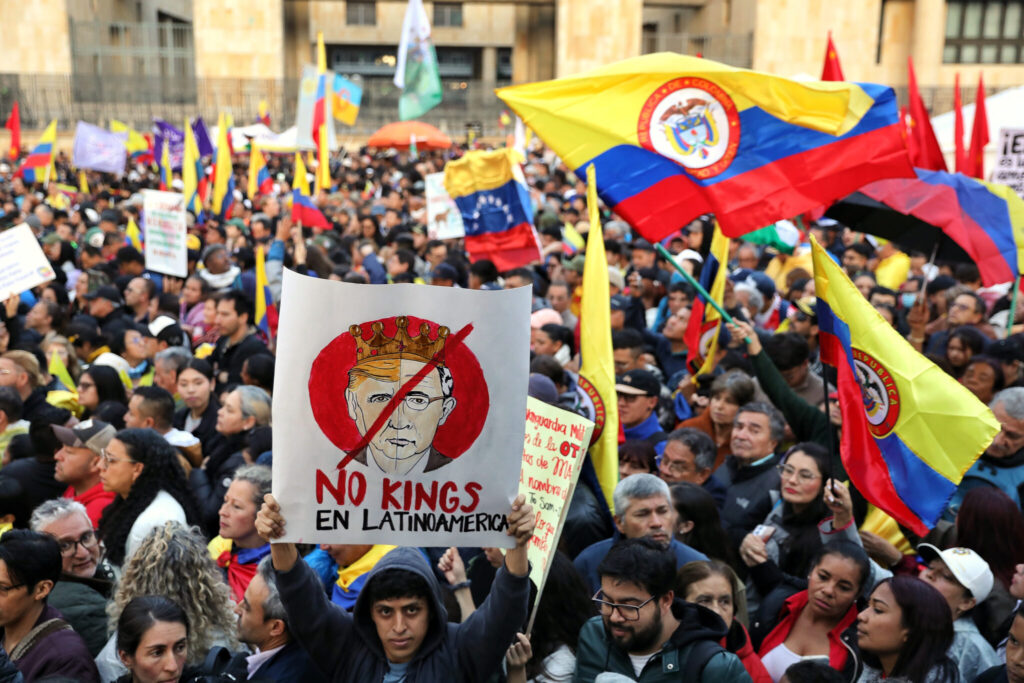
- Petro addressed protesters rallying against U.S. threats in Bogotá
- Trump’s invitation signals sudden shift in diplomatic tone
- U.S. drug enforcement strategy in Latin America remains in flux
Trump Changes Tone, Welcomes Colombia’s Petro to White House
Deep Look
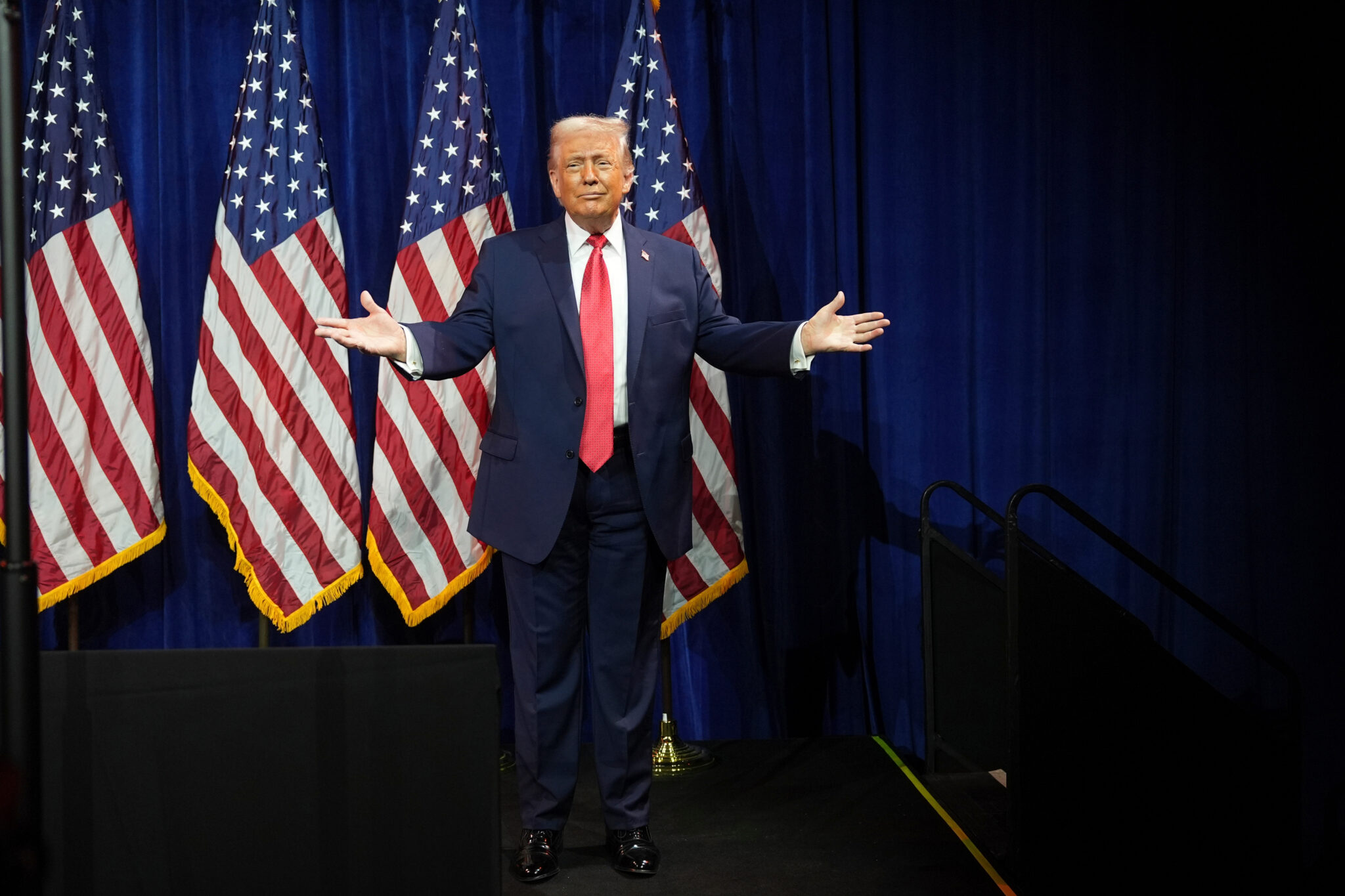
WASHINGTON, D.C. – In a dramatic reversal, President Donald Trump announced on Wednesday that he has invited Colombian President Gustavo Petro to the White House—just days after publicly accusing him of flooding the United States with cocaine and suggesting a possible military strike.
Trump, who had fiercely criticized Petro during a media briefing aboard Air Force One over the weekend, struck a much friendlier tone in a post on his social media platform:
“It was a Great Honor to speak with the President of Colombia, Gustavo Petro, who called to explain the situation of drugs and other disagreements that we have had,” Trump wrote. “I appreciated his call and tone, and look forward to meeting him in the near future.”
The message marked a startling diplomatic shift, coming on the heels of threats that many interpreted as signaling potential military involvement.
Trump had recently said Colombia was “very sick,” and accused Petro of “making cocaine and selling it to the United States.” When asked about U.S. intervention, he said, “Sounds good to me.”
Petro Responds from Bogotá
Petro, who addressed thousands of protesters in Bogotá shortly after the announcement, confirmed that he had spoken with Trump for roughly an hour. The two discussed Venezuela and drug trafficking, he said.
“I talked about two things: Venezuela and the issue of drug trafficking,” Petro told the crowd. “Those [Colombian politicians] are responsible for this crisis — let’s call it diplomatic for now, verbal for now — that has erupted between the U.S. and Colombia.”
Petro claimed that certain political figures in Colombia had deliberately misled Trump about his administration’s stance on drugs to undermine his leadership. Demonstrators at the event responded with anti-U.S. chants, showcasing the growing anger over Washington’s recent posture.
From Threats to Invitations
Trump’s sudden shift is particularly surprising given Petro’s sharp condemnation of the U.S. military operation in Venezuela, which removed President Nicolás Maduro. Petro compared the action to Nazi Germany’s bombing of Guernica in 1937, calling it an “abhorrent” violation of sovereignty and a “spectacle of death.”
Despite this, Trump now seems eager to de-escalate tensions, likely due to the strategic importance of Colombia — long a cornerstone of U.S. counternarcotics operations in Latin America.
A Complicated Alliance
Colombia remains the world’s largest producer of cocaine and has received billions in U.S. military and economic aid over the past three decades. The partnership has been critical to American drug enforcement, even as violence and political instability persist.
However, relations between the Trump administration and Colombia have deteriorated in recent months. In October 2025, the U.S. imposed sanctions on Petro, his family, and one of his ministers, citing alleged links to the drug trade.
Then in September, the U.S. placed Colombia on a list of countries failing to cooperate in the war on drugs — a designation that triggered major cuts in American aid for the first time in nearly 30 years.
Trump’s administration also expanded maritime military operations, targeting drug-smuggling vessels launched from both Venezuela and Colombia in the Caribbean and eastern Pacific.
“He has cocaine mills and cocaine factories,” Trump said of Petro earlier this week. “He’s not going to be doing it.”
What’s Next?
The proposed White House meeting could represent a diplomatic reset — or a strategic move to quiet rising international criticism. While no date has been confirmed, the invitation may serve to open a new chapter in U.S.-Colombia relations amid ongoing political instability across Latin America.
Whether the meeting can bridge the widening gap between both countries — or merely paper over deeper divisions — remains to be seen.