Trump Claims Survivors Tried to Restore Drug Vessel/ Newslooks/ WASHINGTON/ J. Mansour/ Morning Edition/ President Trump defended a second missile strike on a suspected drug boat, claiming survivors were trying to right the vessel. He reversed course on releasing video footage, now deferring to Defense Secretary Pete Hegseth. Lawmakers continue to demand answers amid concerns of legal violations in the operation.
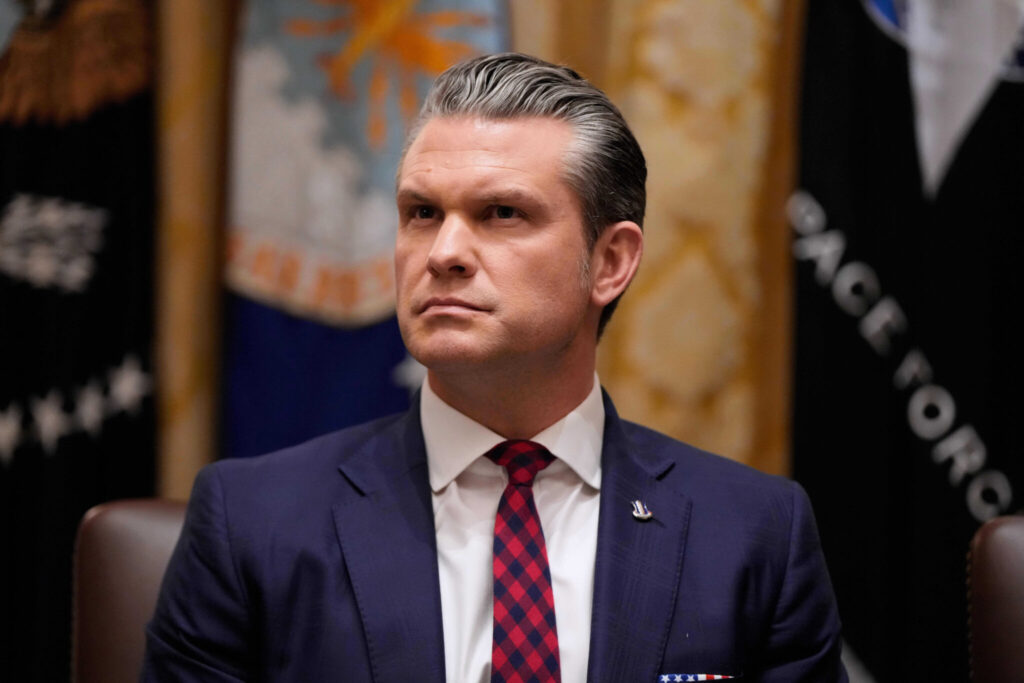
Trump Defends Boat Strike Decision: Quick Looks
- President Trump claimed survivors attempted to refloat a drug-smuggling boat.
- The second missile killed two men after an initial strike killed nine.
- Trump reversed previous comments on releasing strike footage.
- Defense Secretary Pete Hegseth is reviewing whether to release the video.
- Lawmakers, especially Democrats, are pressing for full footage disclosure.
- Some officials say the strike may have violated wartime conduct laws.
- The strikes are part of a broader campaign against narco-terrorism.
- At least 87 people have died in 22 strikes since September 2.
- Congress is considering limiting Hegseth’s budget if footage is withheld.
- Opinions are split among lawmakers on whether the strike was justified.
Trump Claims Survivors Tried to Restore Drug Vessel
Deep Look
President Donald Trump on Monday defended a controversial U.S. military action that involved a second missile strike on a suspected drug-smuggling boat in the Caribbean Sea, arguing that survivors of the initial attack were attempting to return the damaged vessel to working condition. The strike, which has sparked sharp political debate and legal scrutiny, resulted in the deaths of eleven individuals—nine in the initial missile hit and two more in a follow-up strike.
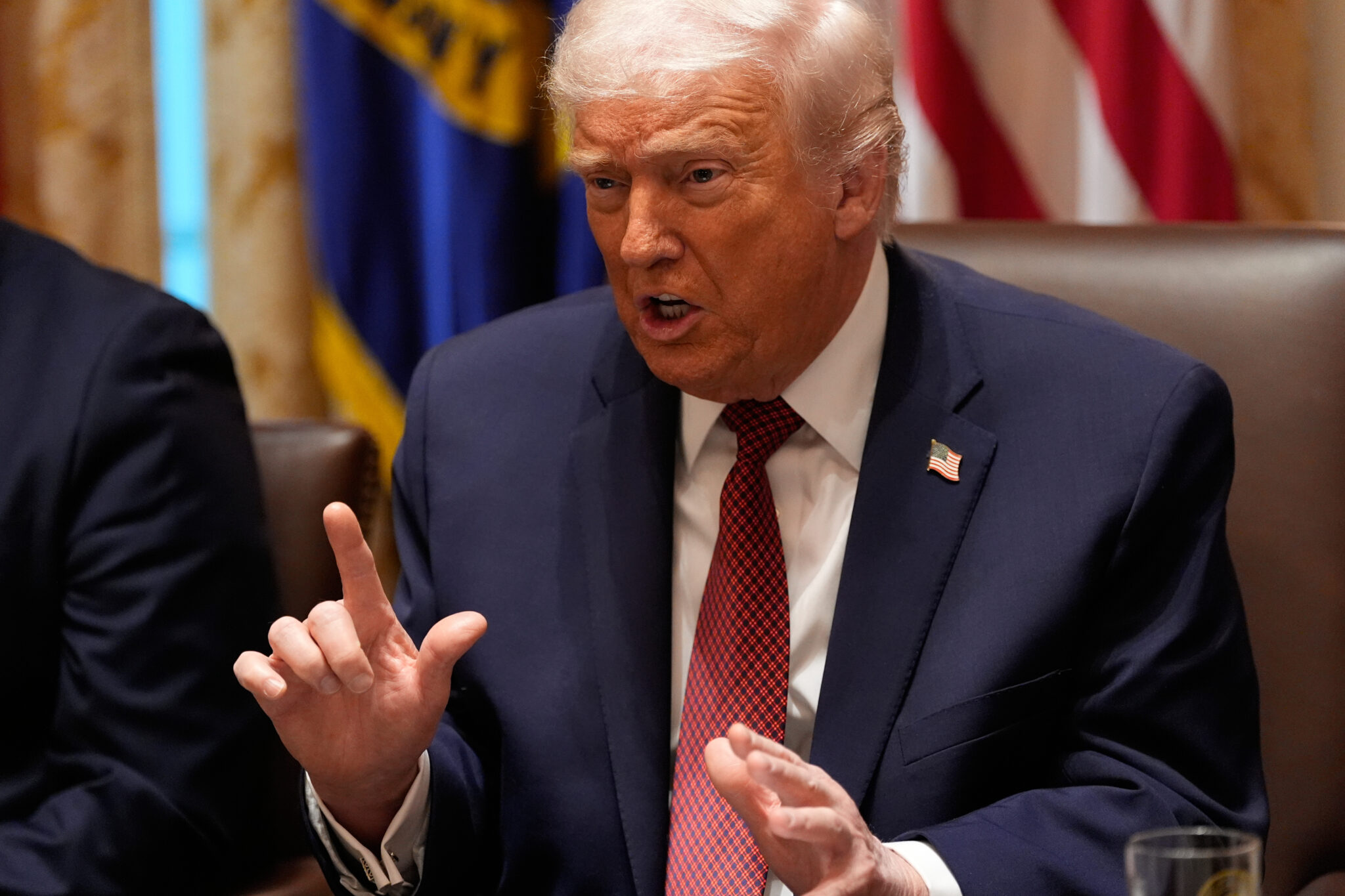
Speaking to reporters, Trump justified the decision to fire a second missile, stating, “They were trying to return the boat back to where it could float, and we didn’t want to see that because that boat was loaded up with drugs.” The vessel, according to U.S. officials, was being used for drug smuggling, possibly connected to cartels with links to the Venezuelan government.
Trump also walked back his earlier openness to releasing video footage of the second missile strike. While he had previously indicated that releasing the footage would not be an issue, he now says the decision rests with Defense Secretary Pete Hegseth.
“Whatever Pete Hegseth wants to do is OK with me,” Trump told reporters Monday, contradicting a previous statement from last Wednesday where he had said, “Whatever they have we’d certainly release.”
The Sept. 2 strike marked the beginning of a string of U.S. military operations targeting maritime drug trafficking routes in the Caribbean and eastern Pacific. Since then, 22 such strikes have reportedly taken place, resulting in at least 87 deaths. The Trump administration claims these actions are necessary to combat what it describes as a war against narco-terrorists and the flow of illegal drugs like fentanyl into the United States.
Hegseth, speaking at the Ronald Reagan Presidential Library over the weekend, confirmed that the Pentagon is reviewing footage of the operation. He added that any decision to release it would need to be made “very responsibly.” The Pentagon declined to comment further on Trump’s claim that the boat’s survivors were trying to flip it upright when the second missile struck.
On Capitol Hill, pressure is mounting on the Pentagon to hand over unedited footage of the incident. Lawmakers are threatening to withhold a quarter of Hegseth’s travel budget unless the military complies, a stipulation included in the $900 billion defense spending bill set for a vote later this week.
Among those calling for the footage is Democratic Rep. Jim Himes of Connecticut, the top Democrat on the House Intelligence Committee. Himes described the video as “profoundly shaking.” Similarly, Rep. Adam Smith of Washington, who leads the House Armed Services Committee, expressed concern that the two survivors killed in the second strike “did not appear to be in a position to continue the fight.”
By contrast, Sen. Tom Cotton, a Republican and chair of the Senate Intelligence Committee, saw nothing unusual in the footage. Cotton, who was briefed on the strikes by the Navy admiral in charge, said the video resembled many past military strikes on ground vehicles in the Middle East. “It’s not gruesome. I didn’t find it distressing or disturbing,” he said, indicating he wouldn’t oppose its public release.
The controversy was further fueled by reports suggesting that Adm. Frank “Mitch” Bradley ordered the second strike to comply with directives from Defense Secretary Hegseth. However, Bradley clarified that there was no explicit “kill them all” directive and defended the conduct of the operation during classified briefings with lawmakers.
Legal experts have raised concerns that the decision to target survivors could constitute a violation of international laws governing military conduct, especially the rules of engagement and protections for those no longer participating in hostilities. These claims have added a new layer of scrutiny to the U.S. military’s ongoing anti-drug operations at sea.
As debate continues, the incident highlights the growing tension between national security policies and humanitarian concerns, particularly when military force intersects with murky legal and ethical boundaries.