

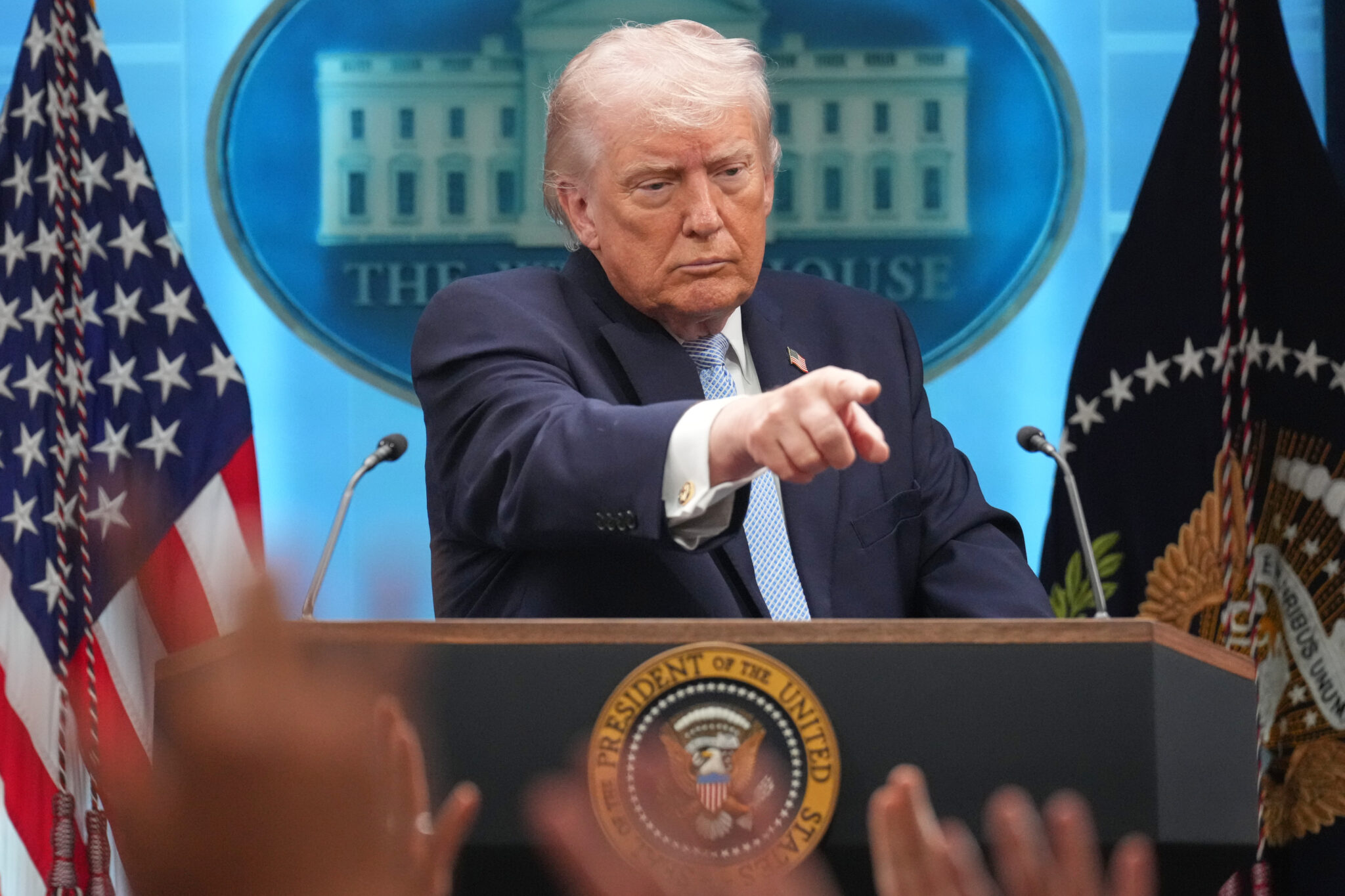
Trump Criticizes Iran Over Strait of Hormuz Oil Flow/ Newslooks/ WASHINGTON/ J. Mansour/ Morning Edition/ President Donald Trump criticized Iran for restricting oil shipments through the Strait of Hormuz. The complaint comes after a two-week ceasefire agreement between the U.S. and Iran. Negotiations led by Vice President JD Vance are scheduled in Pakistan.
Trump Iran Strait of Hormuz Quick Looks
- Trump says Iran violating ceasefire terms
- Oil shipments through Strait of Hormuz restricted
- Two-week ceasefire announced earlier this week
- JD Vance heading to Pakistan for negotiations
- U.S. warships reportedly rearming ahead of talks
- Israel continues Hezbollah operations in Lebanon
- Iran accused of charging tanker transit fees
- Global oil supply remains disrupted
Deep Look: Trump Criticizes Iran Over Strait of Hormuz Oil Flow
President Donald Trump criticized Iran for limiting oil shipments through the Strait of Hormuz, accusing Tehran of failing to honor commitments made under a recently announced ceasefire agreement.
Trump said Iran was “doing a very poor job” of allowing oil to flow through the critical waterway following the implementation of a two-week pause in U.S. military operations. The president added that Iran’s actions did not align with the understanding reached between the two countries.
“That is not the agreement we have!” Trump said, warning Iran against restricting global energy shipments or charging fees for tanker passage. He also noted reports suggesting Iran may be imposing transit charges on ships moving through the strait.
The Strait of Hormuz is one of the world’s most important shipping lanes, carrying a significant portion of global oil supplies. Any disruption to traffic through the waterway can quickly impact global markets and energy prices.
Ceasefire Tied to Strait Reopening
Trump announced the ceasefire earlier this week, stating that the United States would pause airstrikes against Iran for two weeks. The agreement, however, was conditional on Iran reopening the Strait of Hormuz and allowing safe passage for commercial vessels.
The president emphasized that the ceasefire depends on Iran ensuring “complete, immediate and safe opening” of the waterway.
Since the agreement, however, shipping traffic has remained limited, prompting frustration from U.S. officials and increasing pressure ahead of diplomatic talks.
Negotiations Set for Pakistan
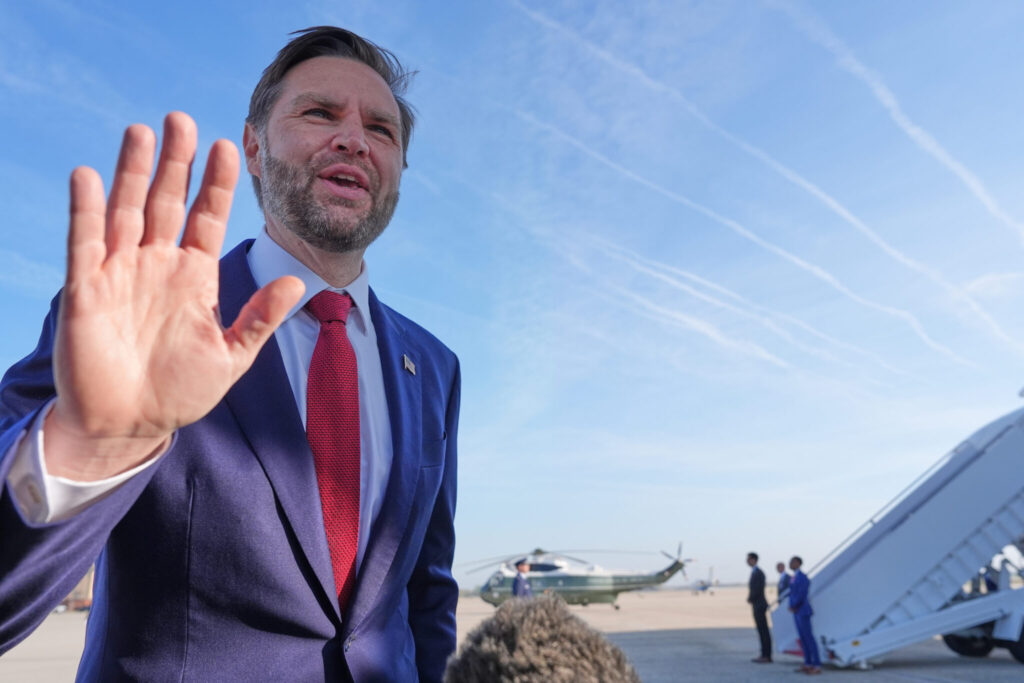
The White House confirmed that Vice President JD Vance will lead U.S. negotiations with Iranian officials in Islamabad, Pakistan. Vance will be joined by special envoy Steve Witkoff and senior adviser Jared Kushner.
Officials from the National Security Council, State Department, and Department of Defense are also expected to support the negotiations.
White House officials expressed optimism that talks could lead to a lasting agreement.
“President Trump is optimistic that a deal can be reached that can lead to lasting peace in the Middle East,” White House principal deputy press secretary Anna Kelly said.
Kelly also emphasized that Trump would only accept a deal that prioritizes U.S. interests.
Trump Issues Warning Ahead of Talks
Trump also issued a warning to Iran ahead of negotiations, saying Tehran had limited leverage beyond restricting global shipping routes.
“The Iranians don’t seem to realize they have no cards, other than a short-term extortion of the world by using international waterways,” Trump wrote on social media.
He added that negotiations represent Iran’s best opportunity to avoid renewed military action.
Military Option Remains on Table
In comments to the New York Post, Trump said U.S. naval forces were preparing for potential renewed operations if negotiations fail.
“We’re loading up the ships with the best weapons ever made,” Trump said. “If we don’t have a deal, we will be using them very effectively.”
The comments suggest the administration is maintaining military pressure while pursuing diplomatic talks.
Continued Fighting in Lebanon
Meanwhile, Israeli military operations against Hezbollah in Lebanon continue despite the U.S.-Iran ceasefire. The Israel Defense Forces said strikes targeting Hezbollah infrastructure remain part of ongoing operations.
The continued fighting complicates diplomatic efforts, as Iran has called for a broader ceasefire that includes Lebanon.
Global Impact
Restrictions in the Strait of Hormuz have contributed to rising oil prices and increased economic uncertainty. Markets remain sensitive to developments, with analysts warning that prolonged disruptions could worsen inflation and slow global growth.
As negotiations approach, the coming days are expected to determine whether diplomacy succeeds — or whether tensions escalate again.





You must Register or Login to post a comment.