

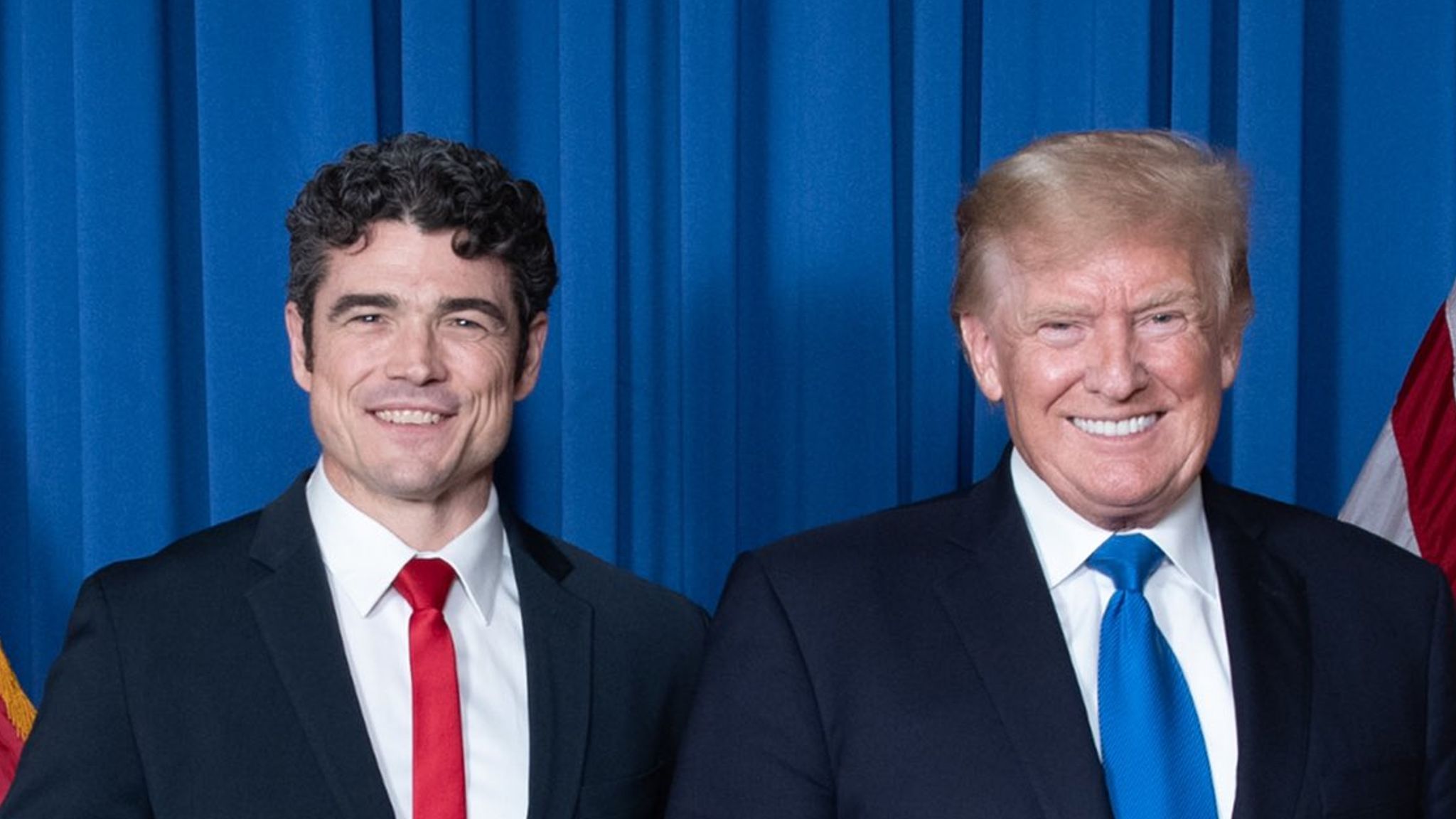
Trump Criticizes Joe Kent Following Resignation Over Iran War/ Newslooks/ WASHINGTON/ J. Mansour/ Morning Edition/ Donald Trump criticized former counterterrorism chief Joe Kent after his resignation. Kent stepped down citing opposition to the Iran war and lack of imminent threat. The clash highlights growing divisions within Trump’s national security circle.
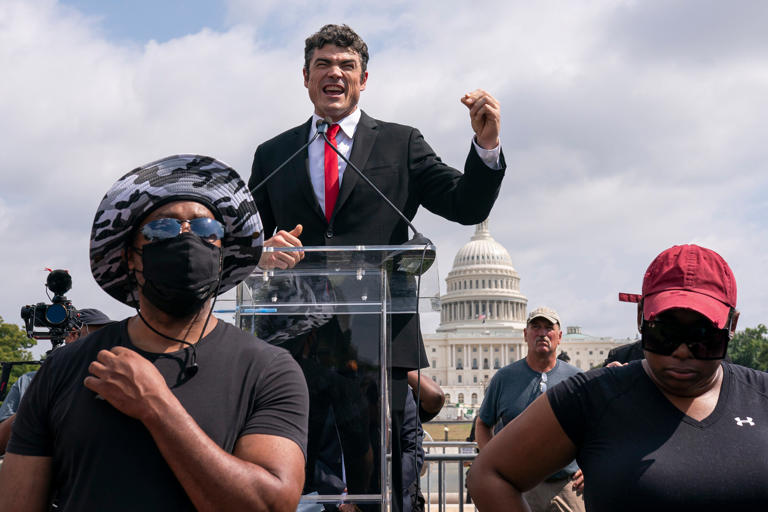
Trump–Kent Fallout Quick Looks
- Joe Kent resigns over opposition to Iran war.
- Trump calls Kent “weak on security.”
- Kent says Iran posed no imminent threat.
- White House rejects claims of outside influence.
- Rift exposes internal divisions on foreign policy.
- Kent previously endorsed by Trump in past campaigns.
- Officials defend decision to strike Iran.
- Debate grows over war justification.
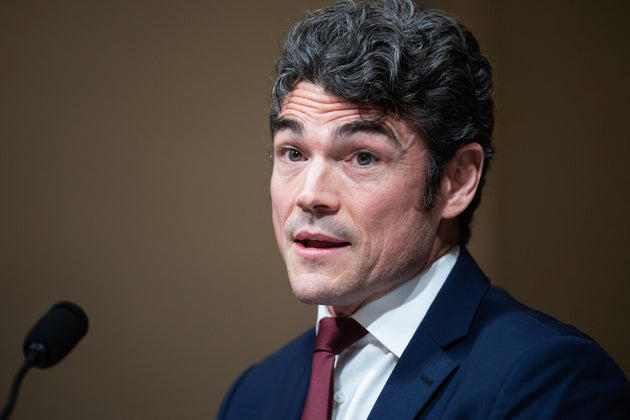
Deep Look: Trump Criticizes Joe Kent Following Resignation Over Iran War
Speaking to reporters, Trump said he had “always thought” Kent was weak on national security, despite previously supporting him politically.
“I always thought he was a nice guy,” Trump said, adding that he did not know him well.
Resignation tied to Iran war opposition
Kent stepped down from his role as director of the National Counterterrorism Center after publicly opposing the administration’s military campaign against Iran.
In a statement, Kent said he could not support the war “in good conscience,” arguing that Iran did not pose an immediate threat to the United States.
His comments placed him at odds with the administration’s justification for the conflict, which officials say is aimed at countering long-term regional threats.
White House pushes back
Administration officials strongly rejected Kent’s claims, particularly his suggestion that external pressure influenced the decision to go to war.
Karoline Leavitt called the assertion “insulting and laughable,” emphasizing that the president made the decision independently.
Other allies of Trump were more direct in their criticism, questioning Kent’s performance and motives.
A shifting relationship
Trump’s remarks marked a sharp contrast with his earlier support for Kent.
In previous years, Trump praised Kent as a rising political figure and endorsed his congressional campaigns in Washington state.
Kent later joined the administration in a senior national security role following Trump’s return to the White House.
The sudden shift in tone underscores how quickly alliances can change amid policy disagreements.
Broader debate over the war
Kent’s resignation adds to growing debate within political and policy circles about the rationale for the Iran conflict.
Some critics argue the administration has not provided clear evidence of an imminent threat, while supporters maintain that action was necessary to counter long-standing risks posed by Iran.
The dispute also reflects broader tensions inside Trump’s coalition, where foreign policy decisions — particularly involving military action — have sparked divisions.
What comes next
The departure of a senior counterterrorism official during an active conflict raises questions about internal cohesion within the administration.
It also signals that debates over the direction of U.S. foreign policy — especially regarding Iran — are likely to continue both inside and outside government.
As the war unfolds, disagreements like this one may shape how the administration defends its strategy and maintains support among allies and the public.





You must Register or Login to post a comment.