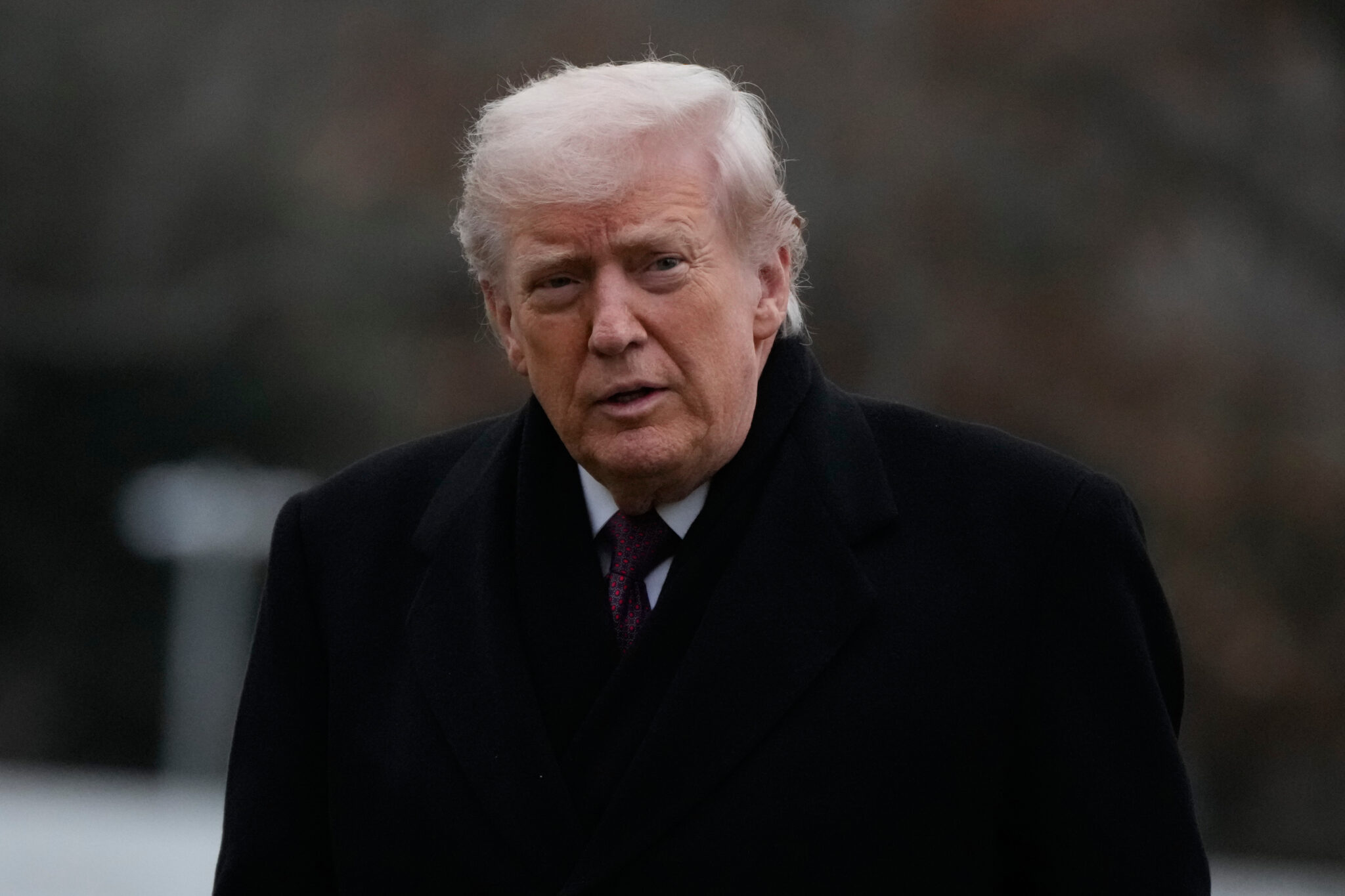
Trump Demands Venezuela Repay for Seized U.S. Oil Assets/ Newslooks/ WASHINGTON/ J. Mansour/ Morning Edition/ President Donald Trump escalated pressure on Venezuela, demanding repayment for U.S. oil assets seized during nationalizations. Trump defended a maritime “blockade” targeting sanctioned vessels and cited oil losses and narcotrafficking as key justifications. Venezuela condemned the moves as piracy and requested U.N. intervention.
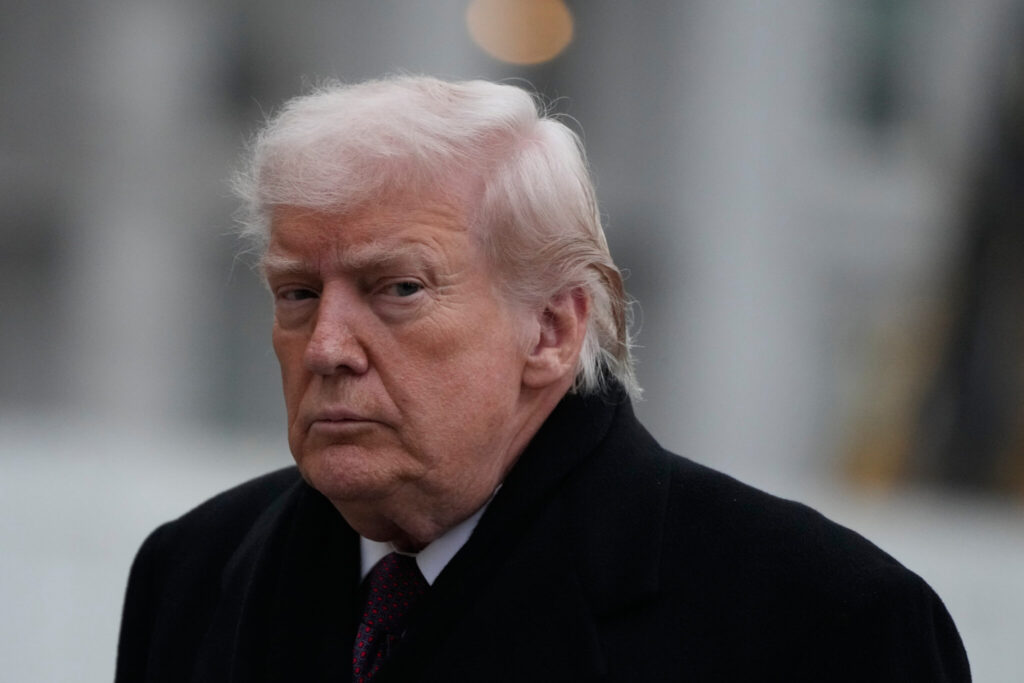
Trump Targets Venezuela Over Oil Seizure: Quick Looks
- Trump demands Venezuela return oil assets seized from U.S. companies.
- A U.S.-backed “blockade” targets tankers linked to sanctioned entities.
- Trump claims Venezuela “illegally took” U.S. oil and energy rights.
- Nationalizations began in the 1970s, expanded under Chávez and Maduro.
- Venezuela owes ExxonMobil $1.6 billion per a 2014 arbitration ruling.
- Trump links Venezuela’s oil industry to drug trafficking networks.
- Recent U.S. military actions include seizing a tanker off Venezuela’s coast.
- Venezuela accuses U.S. of piracy, seeks U.N. Security Council response.
- Trump suggested labeling Maduro’s regime a terrorist group, later clarified.
- Legal experts raise questions about military justification for actions taken.
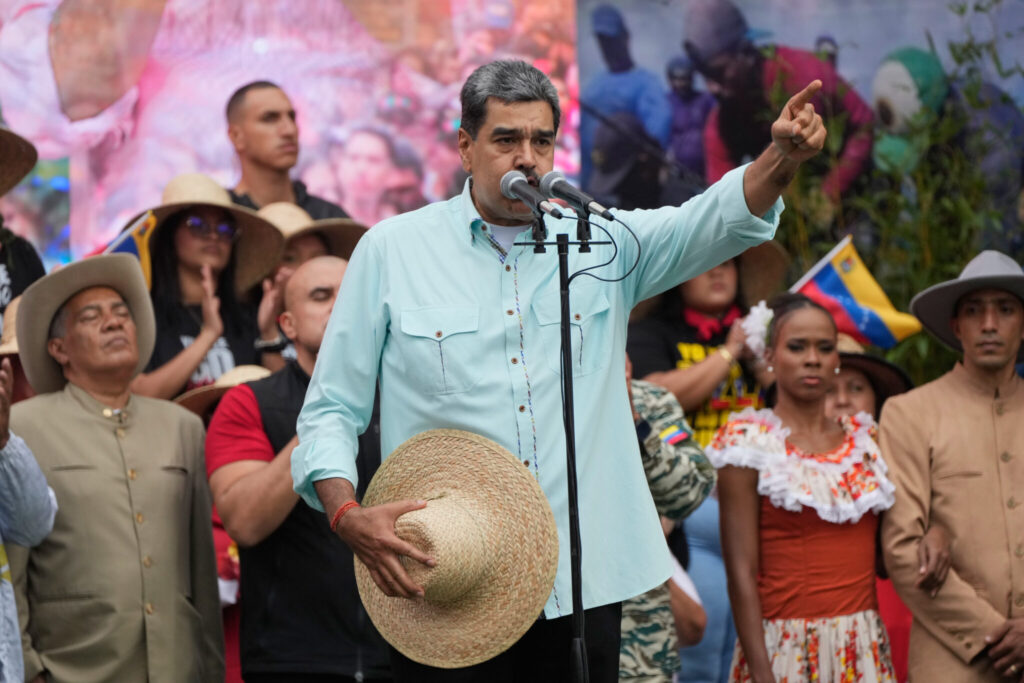
Deep Look
Trump Demands Venezuela Repay U.S. Oil Assets, Justifies Tanker Blockade Amid Rising Tensions
WASHINGTON, D.C. – President Donald Trump on Wednesday intensified his administration’s campaign against Venezuela, demanding that the country return billions in oil industry assets seized from U.S. companies. The demand comes as Trump ramps up enforcement of maritime sanctions, including what he termed a “blockade” on oil tankers traveling to and from Venezuela.
Speaking to reporters, Trump directly blamed the Venezuelan government for what he described as the illegal expropriation of American energy interests. “They took all of our energy rights. They took all of our oil not that long ago,” Trump said. “And we want it back.”
Trump also invoked drug trafficking concerns, suggesting that Venezuelan oil profits are being used to fund criminal networks that target the United States.
Seized Assets and Oil Industry Nationalization
Trump’s comments referred to Venezuela’s decades-long nationalization of its oil sector, which began in the 1970s and expanded significantly under former President Hugo Chávez. Major U.S. firms such as ExxonMobil and ConocoPhillips were forced out, with only limited compensation provided. In 2014, an international arbitration tribunal ordered Venezuela to pay $1.6 billion to ExxonMobil — a sum that has largely gone unpaid.
Stephen Miller, Trump’s deputy chief of staff, described the nationalization as “the largest recorded theft of American wealth and property,” claiming the expropriated resources helped finance terrorism and drug trafficking.
Oil expert Philip Verleger backed the claim that Venezuela remains indebted. “There is a case that can be made that Venezuela owes this money to Exxon. I don’t think it’s ever been paid,” he said.
While Chevron still operates in Venezuela under a special U.S. waiver, other U.S. energy firms saw their stakes wiped out.
Blockade and Military Enforcement
In defense of the blockade, Trump pointed to last week’s U.S. Navy seizure of an oil tanker off Venezuela’s coast. The move followed a broader U.S. military escalation in the region, including increased naval activity and drone strikes on suspected drug trafficking vessels in the Caribbean Sea and eastern Pacific Ocean.
At least 99 individuals have reportedly been killed in these operations, including four deaths during a strike on Wednesday. Trump hinted at potential escalation, saying land-based strikes are also being considered.
Despite criticism, retired Vice Admiral Robert Murrett said such seizures fall in line with previous U.S. sanctions enforcement policies and pose less risk than direct military conflict.
Terrorism Label Raises Confusion
In a recent social media post, Trump stated that the “Venezuelan Regime” had been designated as a terrorist organization. However, internal U.S. officials later clarified the comment, suggesting it was rhetorical and did not represent an official policy shift.
The State Department, which maintains the official list of designated foreign terrorist organizations, declined to comment.
Nevertheless, the Trump administration has continued to build its legal and political case against President Nicolás Maduro and his allies. In 2020, the Justice Department indicted Maduro on narcoterrorism charges, and last month, a Venezuelan cartel allegedly linked to him — the Cartel de los Soles — was designated as a terrorist entity.
Venezuela Responds: ‘Piracy’ and U.N. Appeals
In response to the blockade and tanker seizure, Venezuelan President Nicolás Maduro reached out to U.N. Secretary-General António Guterres. According to U.N. spokesman Farhan Haq, Guterres urged all parties to uphold international law and avoid escalation.
Venezuela’s foreign minister Yván Gil sent a letter to the U.N. Security Council, calling for the release of the tanker crew and return of the seized oil. He labeled the U.S. actions as “piracy” and in violation of international norms.
In a separate letter, Venezuela’s U.N. Ambassador Samuel Moncada demanded an emergency session to address what he called a “massive act of aggression.” Moncada accused Trump of attempting to claim the world’s largest oil reserves through coercion and economic warfare.
“These are not actions of enforcement,” Moncada stated. “They are acts of plunder, executed under the flag of international law.”
Gil urged the Security Council to issue a formal statement declaring that it has not authorized U.S. actions against Venezuela or interference in its oil trade.
Political and Economic Stakes
Trump’s stance toward Venezuela appears to serve multiple purposes: exerting pressure on Maduro’s regime, responding to drug trafficking concerns, and seeking justice for long-standing commercial grievances. But critics argue the aggressive posture risks escalating tensions, disrupting global energy markets, and further complicating U.S. relations in Latin America.
The Biden administration had previously relaxed some sanctions in exchange for electoral guarantees from Maduro, but Trump’s return to the White House has brought a sharp reversal in tone and tactics.
“We’re not just talking about oil,” Trump said. “We’re talking about sovereignty. We’re talking about justice. And we’re not backing down.”