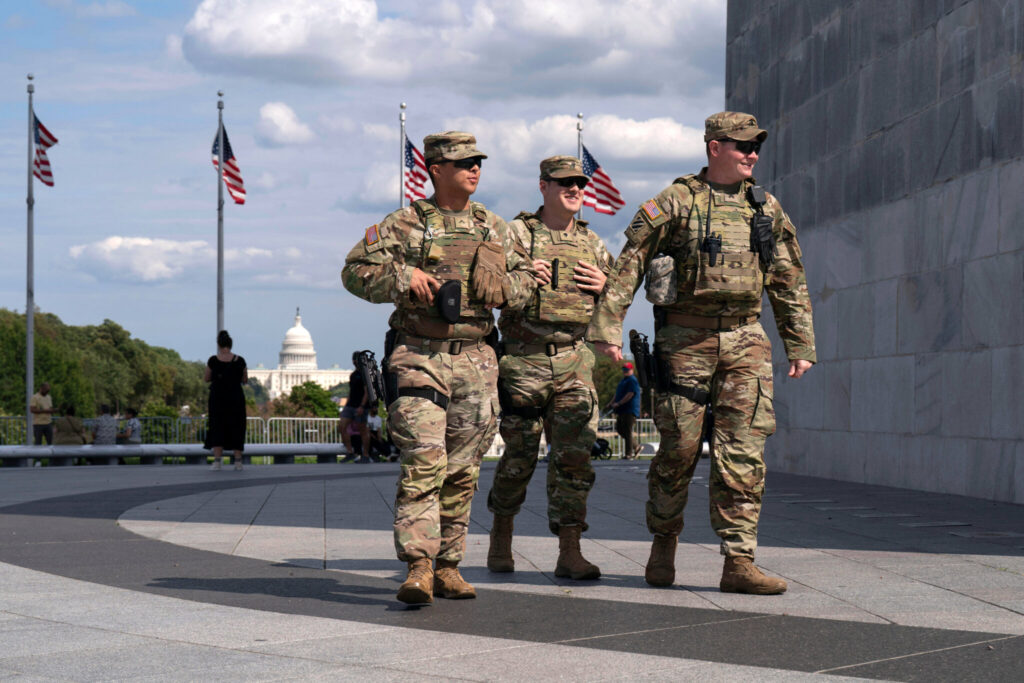
Trump Deploys National Guard Troops to New Orleans/ Newslooks/ WASHINGTON/ J. Mansour/ Morning Edition/ President Trump announced plans to send National Guard troops to New Orleans, responding to a request from Louisiana’s Republican Governor Jeff Landry. The move coincides with a controversial federal immigration crackdown called “Swamp Sweep.” Critics argue the deployment is unnecessary and risks disrupting local communities and traditions.
National Guard Deployment Quick Looks
- Trump confirms National Guard troops will be sent to New Orleans
- Governor Landry requested up to 1,000 troops to fight crime
- Deployment tied to both crime and upcoming immigration raids
- New Orleans on pace for lowest homicide numbers in decades
- Critics, including Rep. Troy Carter, call it a political stunt
- Mayor-elect Helena Moreno rejects the federal deployment
- Guard also considered for Baton Rouge and Shreveport
- Louisiana joins list of cities facing Trump-led troop deployments
Deep Look: Trump Approves National Guard Deployment to New Orleans as ‘Swamp Sweep’ Looms
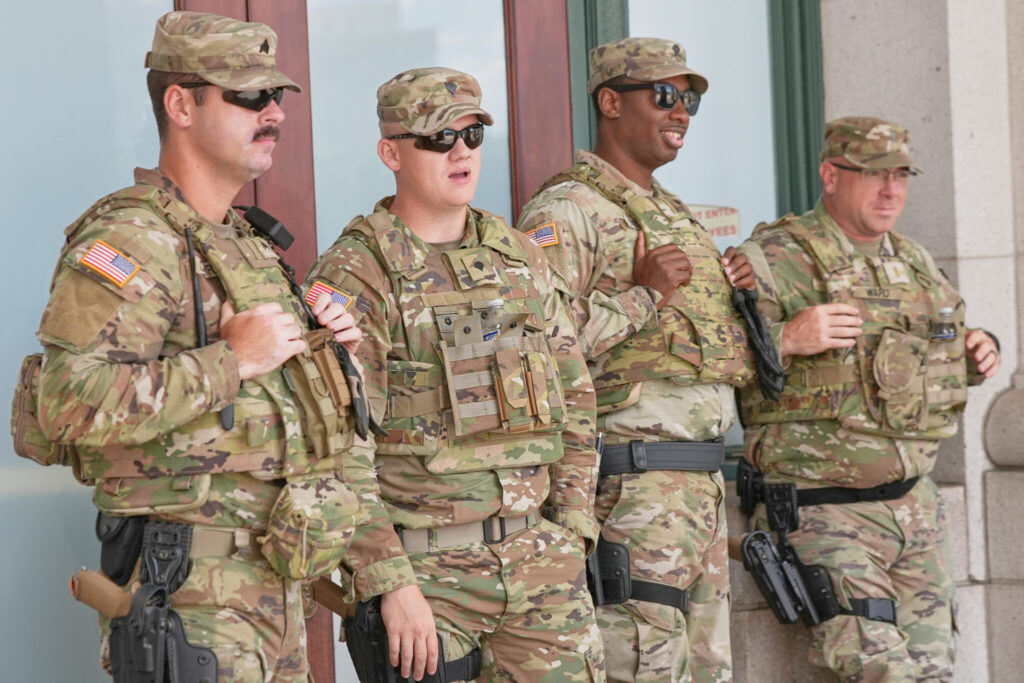
NEW ORLEANS (AP) — President Donald Trump announced Tuesday that National Guard troops will be sent to New Orleans, part of a broader federal initiative to crack down on crime and illegal immigration in key U.S. cities. The news comes just days before a separate federal operation, dubbed “Swamp Sweep,” is expected to begin targeting undocumented immigrants across Louisiana.
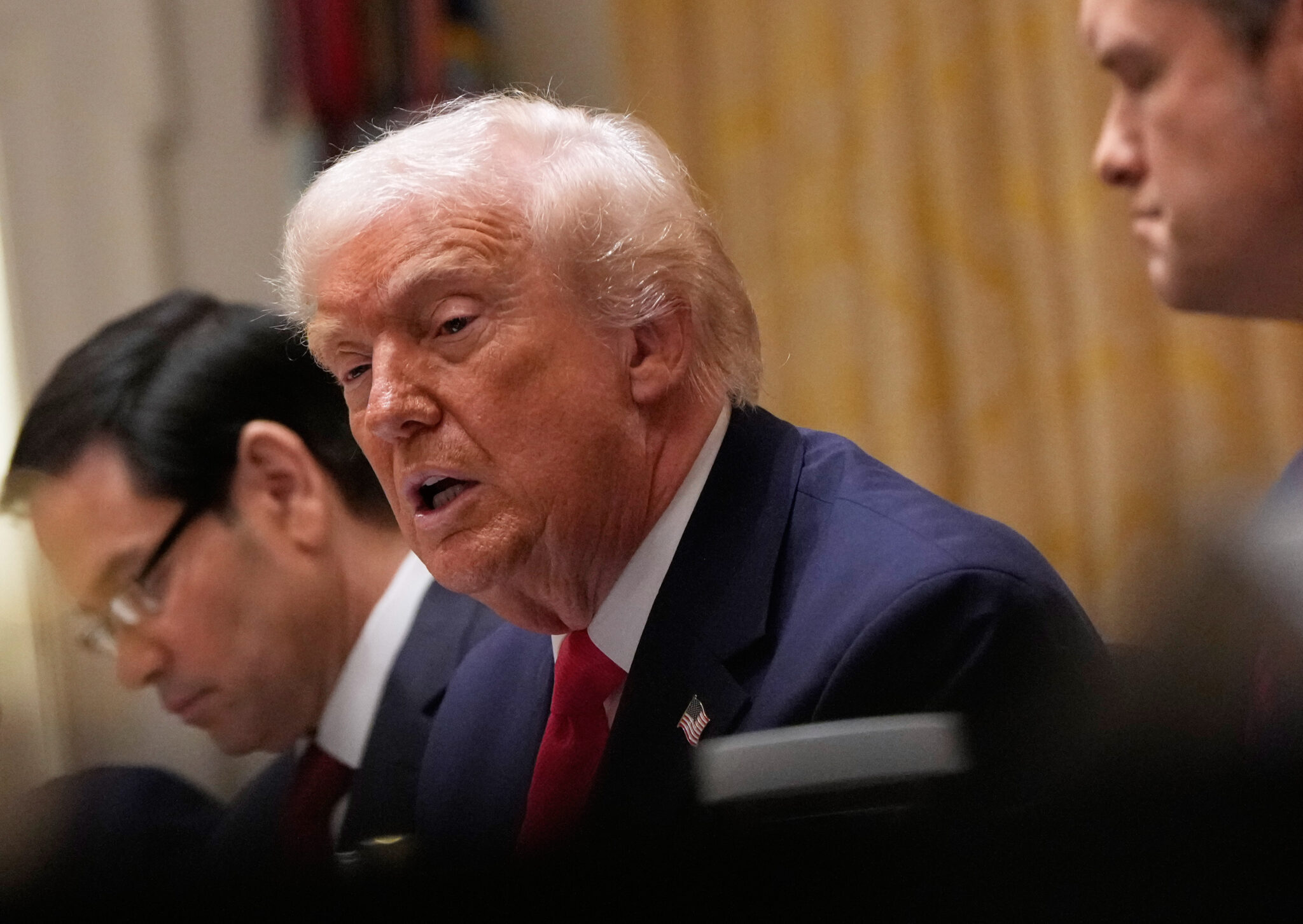
Trump confirmed the deployment during a White House Cabinet meeting, praising Louisiana Governor Jeff Landry for requesting assistance. “Gov. Landry — a great guy, a great governor — he’s asked for help in New Orleans,” Trump said. “We’re going to go there in a couple of weeks.”
While Trump did not specify the number of troops, Landry previously requested up to 1,000 federally funded National Guard members to be deployed before Christmas.
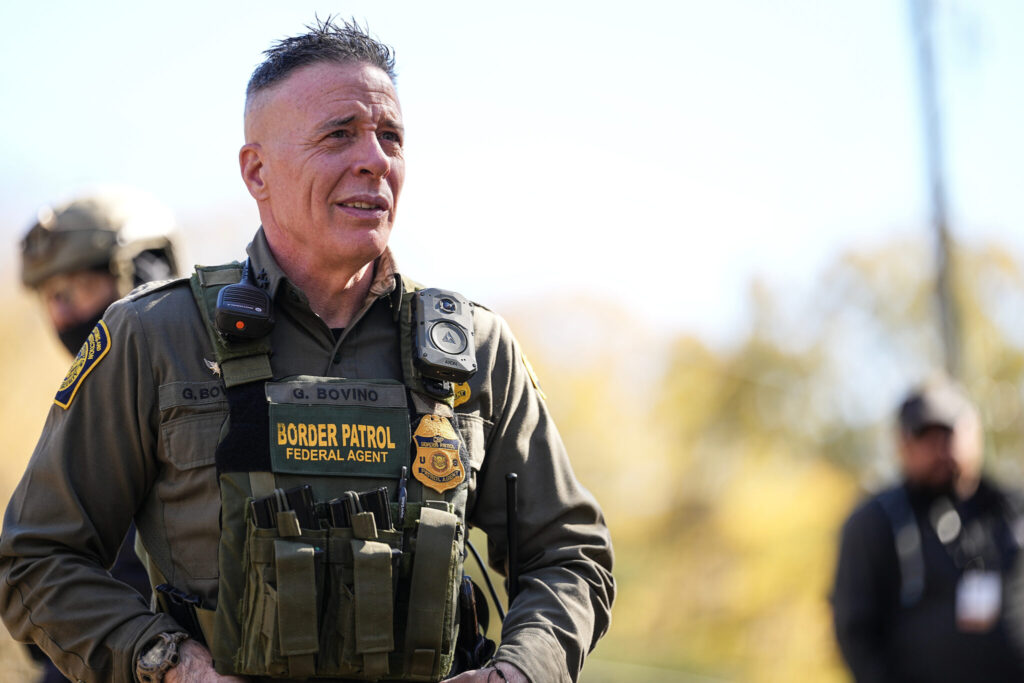
A federal immigration crackdown began Wednesday in New Orleans under an operation that a Homeland Security official said would target violent criminals, expanding the Trump administration’s sweeps that have unfolded in other U.S. cities.
The aim of the operation is to capture immigrants who were released after their arrests for crimes such as home invasion, armed robbery and rape, Homeland Security Department Assistant Secretary Tricia McLaughlin said in a statement.
She did not say how many agents would be deployed under the operation. Louisiana has been preparing for weeks for an immigration crackdown that Republican Gov. Jeff Landry has said he would welcome.
“Sanctuary policies endanger American communities by releasing illegal criminal aliens and forcing DHS law enforcement to risk their lives to remove criminal illegal aliens that should have never been put back on the streets,” McLaughlin said. “
The Trump administration also launched immigration crackdowns in Los Angeles, Chicago and Charlotte, North Carolina. Landry is a close Trump ally who has moved to align state policy with the White House’s enforcement agenda.
Crime vs. Reality: A Question of Need
Governor Landry, a loyal Trump ally, has justified the request by citing ongoing public safety concerns in major Louisiana cities — including New Orleans, Baton Rouge, and Shreveport. In his September letter to Defense Secretary Pete Hegseth, Landry noted violent crime levels, police shortages, and the state’s vulnerability to natural disasters.
However, local officials and analysts say the reality in New Orleans contradicts that narrative. Though the city was labeled the “murder capital of the U.S.” in 2022, with 266 homicides, violent crime has since dropped significantly. By early November 2025, only 97 homicides had been recorded — putting the city on track for its safest year in nearly five decades.
Despite a recent uptick in homicides, overall crime remains far lower than in previous years. Critics argue that deploying federal troops now undermines both public trust and progress made by local law enforcement.
Swamp Sweep Raises Immigration Concerns
The deployment coincides with the launch of “Swamp Sweep,” a large-scale Border Patrol-led operation expected to target and arrest 5,000 undocumented immigrants statewide. Landry welcomed the effort on social media, saying, “We Welcome the Swamp Sweep in Louisiana.”
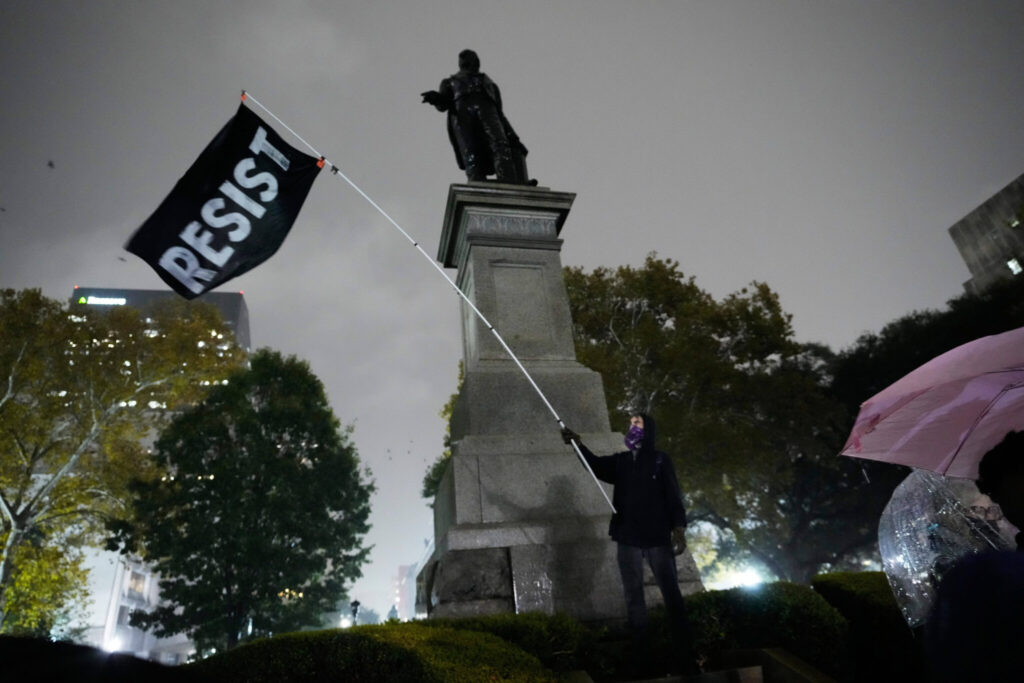
But immigrant rights advocates and Democratic leaders worry that the overlapping military and immigration operations may lead to constitutional violations, racial profiling, and community disruption.
Mayor-elect Helena Moreno, a Democrat who assumes office in January, opposes both the deployment and the federal immigration crackdown. She warned that such actions could lead to abuses and distrust, especially in immigrant communities. Outgoing Mayor LaToya Cantrell, currently facing federal corruption charges, has taken a more neutral stance, noting the city has “a track record of working collaboratively” with state and federal agencies.
Community Concerns and Cultural Impact
Local leaders, including U.S. Rep. Troy Carter (D-LA), voiced strong opposition to the use of federal troops in the city.
“New Orleans welcomes partnership. We do not welcome occupation,” Carter said in a statement. He criticized the plan as a “political stunt” lacking transparency and coordination, warning it could lead to “fear, confusion, and dangerous mistakes.”
Carter also stressed that National Guard members are not trained in local law, community engagement, or de-escalation tactics.
There are also cultural concerns. Critics fear that troop presence may interfere with New Orleans’ iconic second line parades, music gatherings, and community events — traditions deeply tied to the city’s identity.
Previous Deployments and Broader Context
This won’t be the first time federal troops have been sent to Louisiana. In January 2025, 100 National Guard members were dispatched to New Orleans for security support after a New Year’s Day truck attack on Bourbon Street that left 14 dead and dozens injured.
Now, with “Swamp Sweep” and a broader federal crime crackdown, Louisiana joins other Democratic-led cities targeted for National Guard deployments under Trump’s administration. Other affected areas include Baltimore, Los Angeles, Washington D.C., Memphis, and attempts in cities like Portland and Chicago — some of which were blocked through legal action.
Guard Could Expand Beyond New Orleans
Governor Landry also indicated that the deployment may extend beyond New Orleans to other Louisiana cities. In Baton Rouge, Republican Mayor Sid Edwards welcomed the idea, citing police shortages and recent gun violence. Although homicides there are down from previous years, the city still grapples with crime involving illegal firearms and automatic weapon conversions.
In Shreveport, House Speaker Mike Johnson’s hometown, Republican Mayor Tom Arceneaux acknowledged the drop in violent crime but expressed openness to additional support. However, he stated a preference for state police over federal troops.
What’s Next?
The National Guard’s official arrival date in New Orleans remains unconfirmed, but expectations point to a pre-Christmas deployment. Louisiana National Guard spokesperson Lt. Col. Noel Collins declined to provide details.
Meanwhile, the political and legal battles are heating up. With “Swamp Sweep” imminent and concerns of federal overreach mounting, the deployment could shape both the local political landscape and national debates around immigration enforcement, public safety, and civil liberties.