

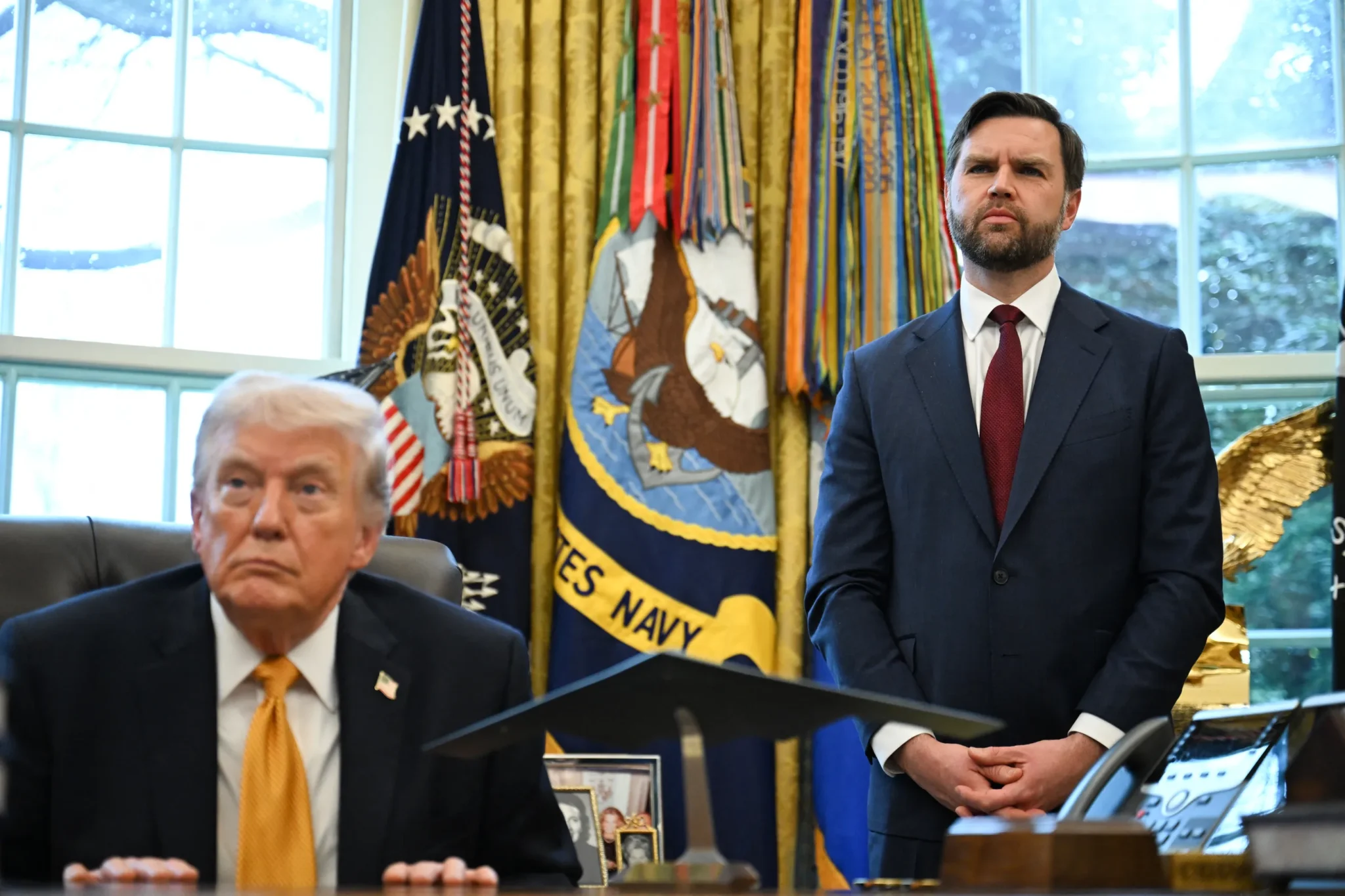
Trump Deploys Vance to Hungary as Orbán Faces Election Referendum/ Newslooks/ WASHINGTON/ J. Mansour/ Morning Edition/ The Trump administration is going all in to save its No. 1 ally in Europe. U.S. Vice President JD Vance is set to land in Budapest on Tuesday for a high-stakes intervention that underscores how far the White House is willing to go to shore up Hungarian Prime Minister Viktor Orbán before the April 12 national election. Hungarian opposition leader Péter Magyar says the upcoming election is a referendum. Prime Minister Viktor Orbán faces his strongest political challenge since 2010. The outcome could reshape Hungary’s ties with Europe, NATO, and Russia.
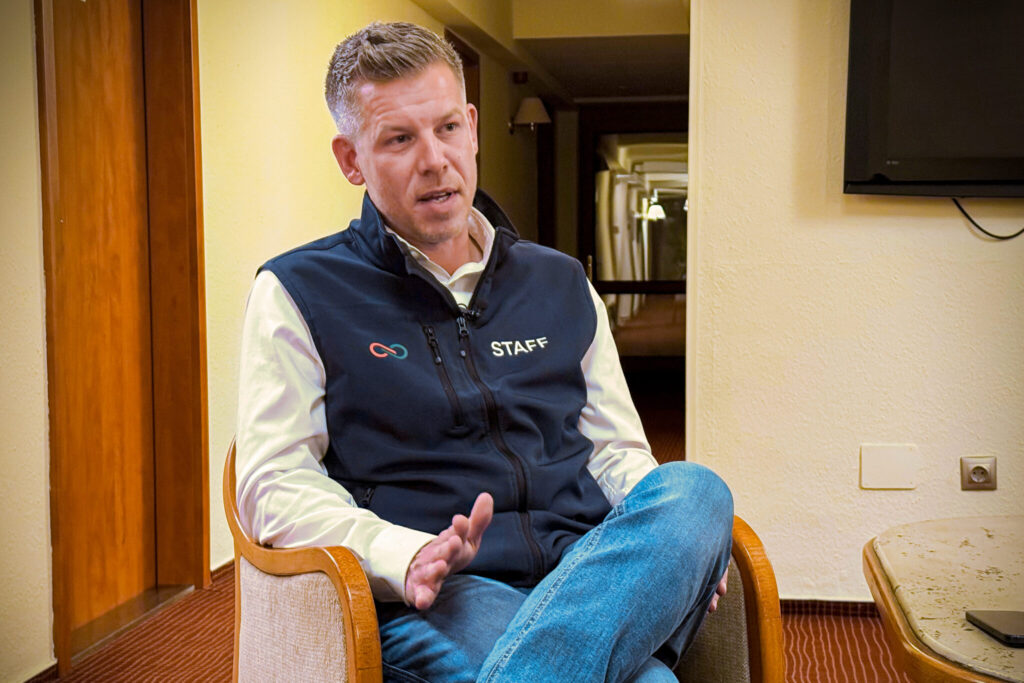
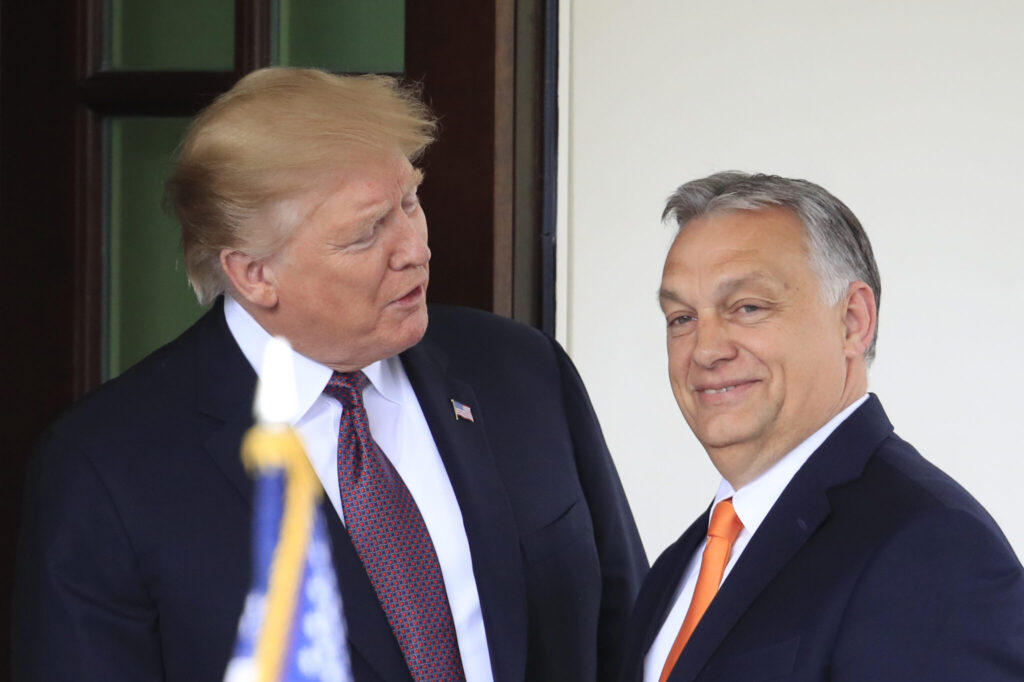
Hungary Election Orbán vs Magyar Quick Looks
- Hungary election set for April 12
- Orbán faces strongest challenger since 2010
- Opposition leader Péter Magyar rising in polls
- Election seen as referendum on Hungary’s direction
- Debate centers on EU, NATO, Russia ties
- Magyar campaigns on corruption and economy
- Orbán stresses migration and security concerns
- EU leaders closely watching outcome
Deep Look: Trump Deploys Vance to Hungary as Orbán Faces Election Referendum
The Trump administration is going all in to save its No. 1 ally in Europe.
U.S. Vice President JD Vance is set to land in Budapest on Tuesday for a high-stakes intervention that underscores how far the White House is willing to go to shore up Hungarian Prime Minister Viktor Orbán before the April 12 national election.
Orbán is flailing in the polls, as anti-corruption opposition candidate Péter Magyar surges ahead in his bid to claim power in Budapest after 16 years of leadership by the ruling Fidesz party.
Vance’s visit, scheduled for Tuesday and Wednesday, was framed by Hungarian government spokesperson Zoltán Kovács as a celebration of deep ties between the two countries. “The visit highlights the strong and enduring alliance between Hungary and the United States,” he wrote on X on Friday.
The outspoken U.S. vice president will hold talks with the MAGA-allied Orbán and then give a public address, during a trip that directly involves Washington in the final stretch of a heated election campaign.
It echoes an American effort in Argentina last year, where U.S. officials including Treasury Secretary Scott Bessent intervened to support President Javier Milei ahead of national midterm elections, to keep a key hemispheric, ideological ally in a strong position.
In multiple speeches and remarks over the 15 months since President Donald Trump returned to office, senior U.S. officials have made clear they believe Europe is on the wrong political path, and that the nationalist-populist Orbán is a model for the continent to follow.
The Hungarian prime minister has promoted his vision of illiberal democracy, while frequently clashing with Brussels over the EU’s direction on migration, Russia and minority rights.
Vance himself delivered an blistering speech at the Munich Security Conference in February last year, accusing European leaders of ignoring the will of their people, overturning elections, ignoring religious freedoms and not acting to halt illegal migration.
The Trump administration has been tight with Orbán since the U.S. president’s first term in office, and that now extends to a final pre-election push to keep him in power.
U.S. Secretary of State Marco Rubio declared a “golden age” in relations between the countries during a February visit, a signal of Hungary’s growing importance to the U.S. as relations with other European capitals fray.
While top Fidesz officials were hyped about Vance’s Hungary visit, not everyone is so impressed.
Magyar warned the visit could come with strings attached, hinting at undisclosed military arrangements and suggesting Washington may seek concessions in exchange for its support.
“Both Eastern and Western aid have a price,” he said, raising questions about what Hungary might be asked to give in return, and referencing ongoing reports that Russian contacts with senior Orbán officials run deeper than previously known.
The campaign has been roiled by those claims. Hungary’s Foreign Minister Péter Szijjártó admitted this week he had been in contact with officials in Moscow as EU ministers weighed fresh sanctions on Kremlin allies, with reports suggesting Budapest pushed to water down measures targeting Russian elites and oil shipments.
Orbán Challenger Says Hungary Election Is Referendum
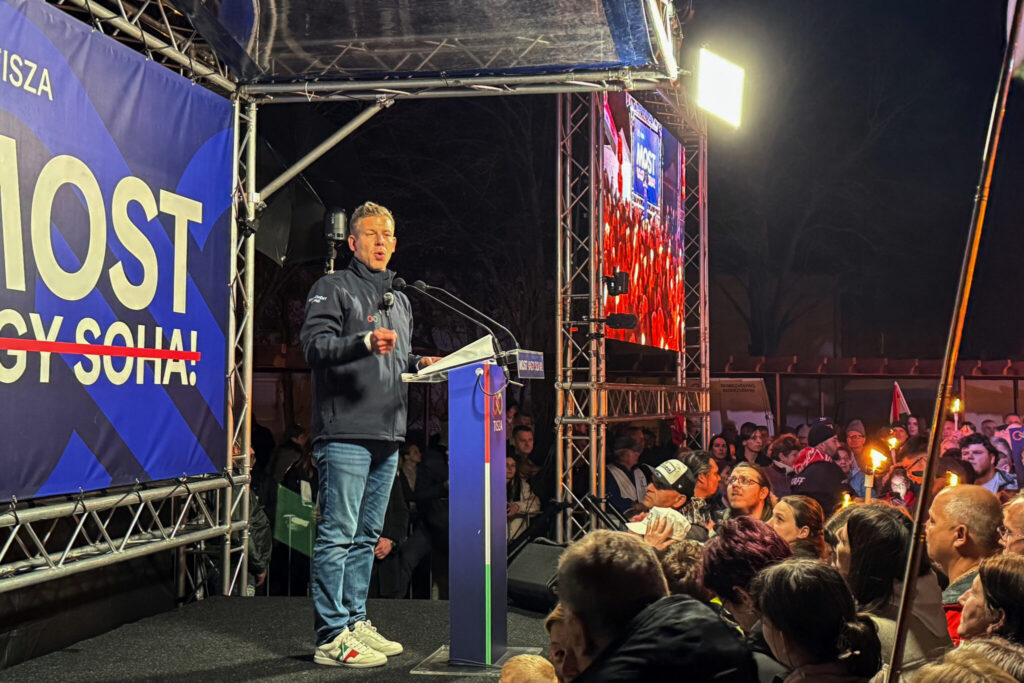
Hungary’s upcoming national election is shaping into one of the most consequential votes in the country’s modern political history, with opposition leader Péter Magyar describing the contest as a “referendum” on Hungary’s future direction.
Magyar, once an ally of Prime Minister Viktor Orbán, now poses the most significant challenge to the nationalist leader since Orbán first took power in 2010. The election, scheduled for April 12, could determine whether Hungary continues its shift toward closer ties with Eastern powers or strengthens its alignment with Western democratic institutions.
Election Framed as Choice Between East and West
In an interview, Magyar said Hungary has undergone a dramatic political shift under Orbán, moving away from Western democratic institutions and toward closer ties with countries such as Russia.
Magyar argued that the vote will determine whether Hungary continues down that path or returns to stronger cooperation with the European Union and NATO.
“Hungarians still see that Hungary’s peace and development are guaranteed by membership of the European Union and NATO,” Magyar said.
He added that voters now face a defining decision about Hungary’s global position.
Orbán’s Long Political Dominance
Orbán, Europe’s longest-serving leader within the European Union, has maintained power for more than 16 years. During that time, he has gained a reputation as a disruptive force within the EU, frequently vetoing major decisions and clashing with Brussels over migration, sanctions, and governance issues.
Orbán has also campaigned on warnings about external threats, including migration, the war in Ukraine, and what he describes as interference from EU bureaucrats.
Supporters say his policies protect Hungary’s sovereignty, while critics argue they isolate the country and weaken democratic institutions.
Magyar’s Rapid Political Rise
Magyar’s emergence has transformed Hungary’s political landscape. A 45-year-old lawyer and former government insider, he previously worked within institutions aligned with Orbán’s government.
His break with Orbán followed a 2024 political scandal involving a presidential pardon in a child abuse case. After publicly criticizing the government, Magyar formed the center-right Tisza party.
Within months, the party gained significant support, capturing 30% of the vote in European Parliament elections.
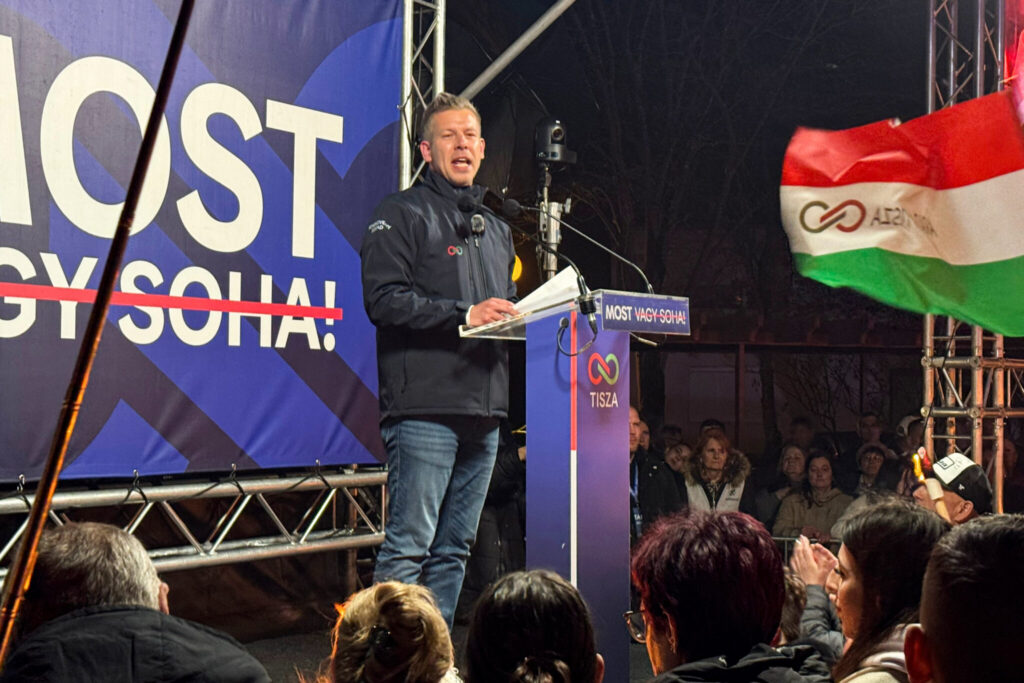
Magyar has since launched an aggressive campaign, holding rallies across Hungary and visiting multiple towns daily.
At campaign events, supporters chant “The Tisza is flooding,” reflecting the movement’s rapid rise.
Campaign Focus: Corruption and Economy
Magyar has centered his campaign on domestic issues affecting voters’ daily lives, including:
- Healthcare system challenges
- Public transportation problems
- Economic stagnation
- Government corruption
He has accused Orbán’s government of making Hungary the “poorest and most corrupt” country in the European Union.
Magyar has also promised a “peaceful, humane and functioning” Hungary, while maintaining some popular policies implemented under Orbán.
These include:
- Border fencing to control migration
- Utility price reduction programs
Foreign Policy Differences
Foreign policy has also become a key campaign issue.
Orbán has maintained close ties with Russian President Vladimir Putin and continued purchasing Russian energy after many EU countries cut ties following the invasion of Ukraine.
Magyar has criticized Hungary’s reliance on Russian energy and pledged to diversify energy sources while maintaining a pragmatic approach toward Moscow.
“Pragmatism means we respect each other’s sovereignty,” Magyar said.
He emphasized that Hungary should reduce dependence on Russian resources without abruptly cutting supplies.
EU Leaders Watching Closely
Most recently, he vetoed a major financial package for Ukraine, frustrating other EU members.
Magyar said his government would take a more cooperative but still independent approach within the EU.
“We want to be at the table,” he said, promising constructive engagement with European partners.
High Stakes Election
The April 12 election could reshape Hungary’s domestic and foreign policies for years to come.
If Orbán wins, Hungary is likely to continue its nationalist policies and independent approach within the EU.
If Magyar prevails, Hungary may shift toward closer cooperation with European institutions and NATO.
With polls tightening and voter enthusiasm rising, Hungary’s election is emerging as one of Europe’s most closely watched political contests.





You must Register or Login to post a comment.