

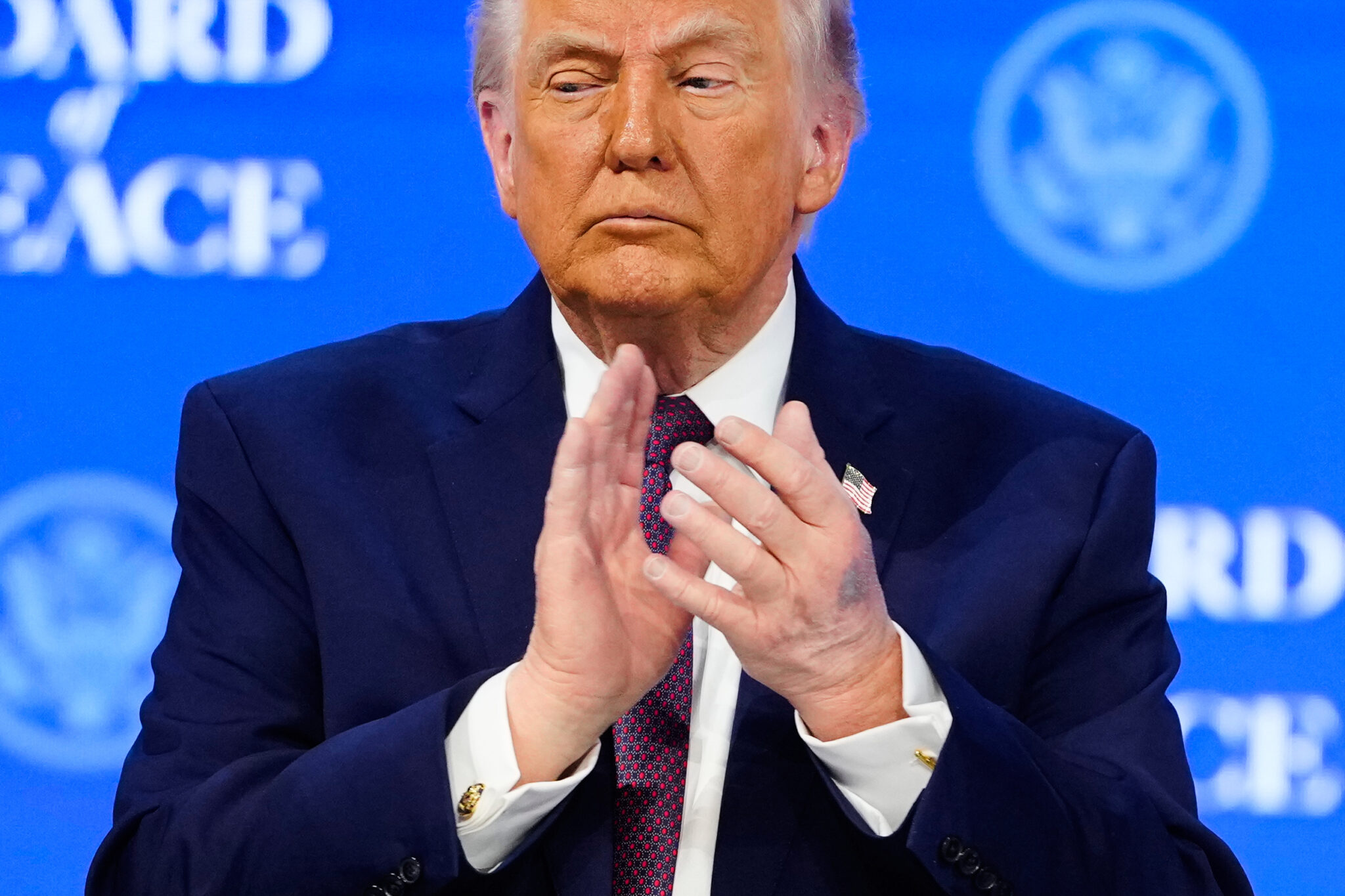
Trump Ends US Membership in WHO Organization/ Newslooks/ WASHINGTON/ J. Mansour/ Morning Edition/ The United States has officially withdrawn from the World Health Organization, ending a 78-year membership. The move, initiated by President Trump, drew criticism from global health experts and raises pandemic preparedness concerns. The U.S. still owes over $130 million in unpaid dues to the agency, WHO officials confirmed.
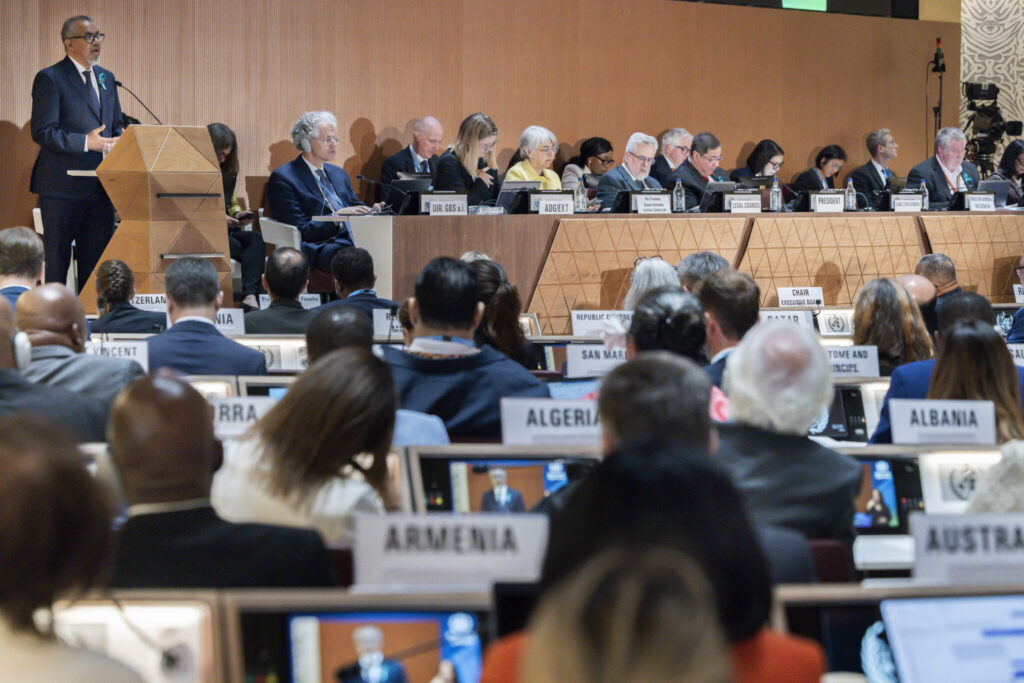
US Withdrawal from World Health Organization: Quick Looks
- The U.S. finalized its withdrawal from WHO on Thursday.
- President Trump cited WHO’s COVID-19 failures and political bias.
- The U.S. owes over $133 million in unpaid dues.
- Critics warn it weakens global outbreak preparedness.
- Loss of access to WHO data may impact U.S. response to future pandemics.
- Trump officials deny legal obligation to pay remaining dues.
- Experts say withdrawal disrupts disease intelligence and vaccine development.
- U.S. public health experts now excluded from WHO working groups.
- The decision followed a yearlong legal process set by WHO withdrawal rules.
- Debate grows over whether Congressional approval is needed for exit.
Deep Look: Trump Finalizes WHO Withdrawal Despite Health Concerns
NEW YORK — Jan. 23, 2026 — The United States has officially ended its 78-year membership with the World Health Organization (WHO), fulfilling a controversial decision made by President Donald Trump one year earlier. Federal officials confirmed the exit on Thursday, marking a major shift in America’s approach to global health coordination.
However, the move leaves unresolved issues. The U.S. still owes over $130 million in back dues to the WHO, according to the organization. Furthermore, Trump administration officials acknowledged they are still negotiating details around data-sharing and collaboration—especially the kind of early outbreak intelligence that WHO routinely collects and disseminates globally.
A Historic Break with Major Implications
The U.S. has been a key founding member and major funder of the WHO, contributing over $680 million annually in membership dues and voluntary donations. That financial support also enabled U.S. experts from the Centers for Disease Control and Prevention (CDC) to work closely within WHO’s global initiatives.
Now, with the withdrawal finalized, the U.S. will no longer participate in WHO governing bodies, technical groups, or flu surveillance teams that help shape global vaccine strategies. That loss of access, experts argue, could hinder the U.S.’s ability to respond quickly to future pandemics.
Trump Cites Pandemic Failures, Political Influence
President Trump’s decision was based on several grievances, notably WHO’s early missteps during the COVID-19 pandemic, including incorrect guidance on masks and airborne transmission. Trump also criticized the organization for its perceived political bias and failure to enact reforms.
“No WHO director has ever been American,” a Trump official said, framing the decision as a move toward fairness and independence in global health governance.
Trump’s executive order cited WHO’s alleged inability to remain free of undue influence from other member states, though critics argue this rationale was politically motivated and strategically damaging.
Health Experts Raise Alarm
Leading public health authorities have strongly criticized the withdrawal. Georgetown University’s Lawrence Gostin called it “the most ruinous presidential decision in my lifetime.”
Many experts believe the move will significantly hinder international disease tracking, reduce vaccine access in low-income countries, and delay vital research collaborations.
The Infectious Diseases Society of America labeled the withdrawal “scientifically reckless.”
Programs like maternal health, polio eradication, and new virus research may suffer the most, experts say.
WHO Data Loss Could Cost U.S. Lives
One immediate concern is the loss of access to disease intelligence from WHO. The U.S. previously relied on WHO data to stay ahead of new outbreaks and flu strains, enabling faster vaccine development and public health response.
Administration officials claim the U.S. is pursuing direct data-sharing agreements with individual countries. However, experts warn such efforts are unlikely to match the scope of WHO networks.
“Are countries like China or those sanctioned by Trump going to share sensitive health data directly with us?” Gostin asked. “It’s unrealistic.”
Legal and Financial Disputes
Under WHO’s rules, a one-year notice period is required for withdrawal—something the U.S. met. But there’s also an obligation to settle outstanding financial commitments, which WHO says now exceed $133 million for unpaid 2024 and 2025 dues.
Trump administration officials dispute the debt, arguing the U.S. is not obligated to pay pre-withdrawal fees. The controversy may lead to legal and diplomatic challenges in coming months.
There is also growing debate over the legality of Trump’s unilateral move, as the U.S. joined WHO through an act of Congress. Some argue that only Congress can authorize a full withdrawal.
What’s Next for U.S. Global Health Policy?
Despite assurances of continued bilateral cooperation with other nations, many fear the U.S. has diminished its global leadership in health. Without a central coordinating role in the WHO, American scientists and pharmaceutical companies may find themselves excluded from critical vaccine and medicine development efforts.
As global disease threats remain on the rise, the absence of the U.S. from WHO leaves a major gap—and questions about how America will safeguard its public health without international coordination.

You must Register or Login to post a comment.