

Trump Energy Policy Faces Test Amid Iran War/ Newslooks/ WASHINGTON/ J. Mansour/ Morning Edition/ The Iran war is intensifying scrutiny of President Donald Trump’s fossil-fuel-heavy energy strategy. As oil and gasoline prices rise, critics say the rollback of renewable energy has left Americans more exposed to supply shocks. The conflict is fueling a broader debate over energy security, inflation, and the long-term cost of relying on oil.

Trump oil focus Quick Looks
- The Iran war has pushed oil prices above $100 a barrel.
- Rising energy costs are putting pressure on consumers and the U.S. economy.
- Critics say Trump’s rollback of renewable energy policies has reduced alternatives to fossil fuels.
- The Strait of Hormuz remains a major risk point for global oil supplies.
- Gasoline prices have climbed sharply as the conflict disrupts energy markets.
- Trump argues short-term pain is worth it and says prices will eventually fall.
- His administration has leaned heavily on drilling, oil reserves, and fossil-fuel expansion.
- The crisis is reigniting debate over whether renewable energy offers stronger long-term security.
Deep Look: Trump Energy Policy Faces Test Amid Iran War
The war with Iran is throwing President Donald Trump’s energy agenda into sharper focus, raising new questions about whether a strategy centered overwhelmingly on oil and gas leaves the United States more vulnerable during global supply disruptions.
When Trump returned to office, he moved quickly to reverse climate and clean-energy policies put in place by his predecessor. His administration promoted drilling, expanded support for fossil-fuel production, and worked to roll back incentives and regulations meant to speed the shift toward wind, solar, electric vehicles, and other lower-carbon technologies. The goal was to make the United States even more dominant in conventional energy production.
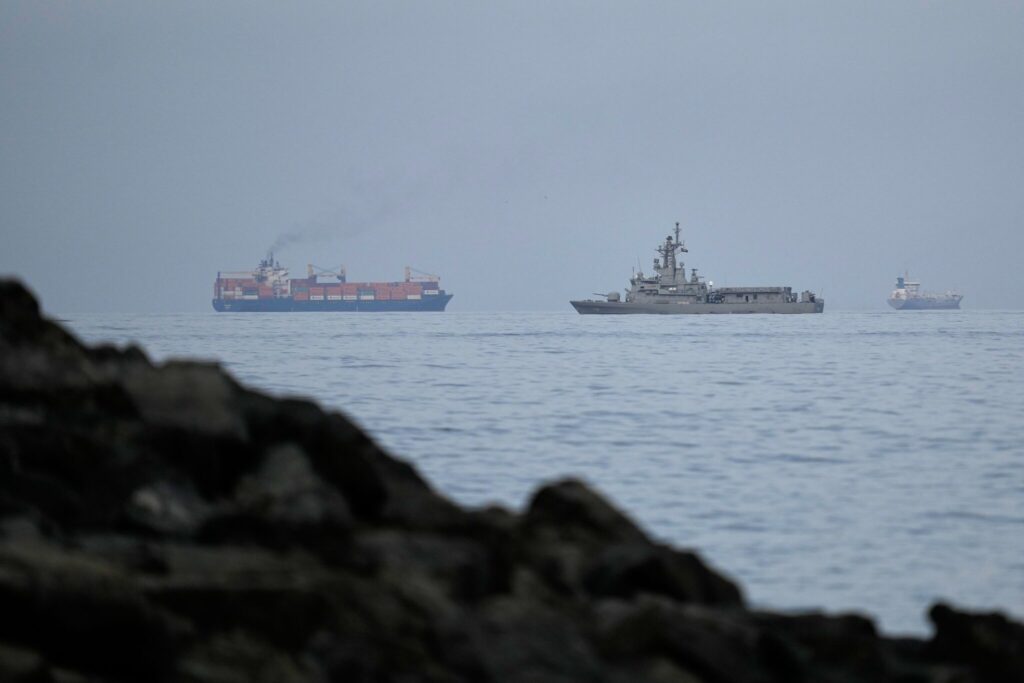
Now, with oil prices surging and gasoline becoming more expensive, critics say the risks of that strategy are becoming harder to ignore. The war has intensified pressure on global energy markets, especially because the Strait of Hormuz remains one of the world’s most important chokepoints for oil shipments. When conflict threatens traffic through that route, supply concerns spread quickly across markets, pushing up crude prices and filtering through to consumers.
That dynamic is central to the argument against Trump’s approach. If the U.S. remains highly dependent on oil, then Americans remain exposed to the geopolitical shocks that oil markets have always been vulnerable to. Even if the United States produces vast amounts of crude, prices are still influenced by global supply fears, shipping disruptions, and conflict in key producing regions. In that sense, domestic drilling alone cannot fully insulate consumers from international turmoil.
Critics of the administration say the country would be better protected with a more diversified energy system. A larger buildout of renewable energy, battery storage, electric vehicles, and grid modernization could reduce dependence on volatile oil markets over time. Their argument is not simply about climate change. It is also about resilience, price stability, and reducing the ability of overseas conflicts to hit American households through higher fuel and electricity costs.
Trump and his allies reject that view. The president has argued that more drilling and greater fossil-fuel production remain the fastest and most practical route to energy security. He has framed rising costs from the Iran war as temporary and has suggested that oil prices will fall once the conflict is resolved. From that perspective, short-term pain is acceptable if it supports broader strategic goals in the Middle East and preserves U.S. energy strength.
Still, the immediate impact on consumers is difficult to dismiss. Higher crude prices are pushing up gasoline costs, and that is politically sensitive in a year when affordability remains a major concern for voters. Energy costs ripple outward quickly, affecting transportation, food prices, manufacturing, and household budgets. For many Americans, a jump at the gas pump is one of the most visible signs of economic strain, and it can shape public opinion faster than many other indicators.
The administration has responded with familiar tools. Officials have considered releasing more oil from the Strategic Petroleum Reserve, easing constraints on oil supply, and exploring security options for tanker traffic in the Strait of Hormuz. Those steps may help at the margins, but they do not change the underlying problem: a global energy system still heavily dependent on fossil fuels remains highly sensitive to war, instability, and disruption.
That is why the conflict has reopened a deeper debate over the meaning of energy security. For Trump, energy security largely means producing more oil and gas. For his critics, true energy security means reducing exposure to fossil-fuel volatility altogether. The difference is not just philosophical. It shapes whether policymakers see renewables as secondary to drilling or as an essential shield against exactly the kind of geopolitical shock now hitting markets.
There is also a longer-term political risk for Republicans. Trump promised lower energy costs, but rising prices during wartime could undercut that message. Even some Republicans have acknowledged that higher gas prices can quickly become a major political burden. If voters connect those increases to the administration’s broader energy choices, the debate over drilling versus diversification could become even more prominent.
The Iran war has not settled that debate, but it has made the tradeoffs more visible. Trump’s strategy promises energy dominance through fossil fuels, yet the current crisis is showing how dominance in production does not necessarily mean protection from global price shocks. For supporters of clean energy, that is the clearest argument yet for expanding alternatives. For Trump, it is a test of whether his oil-first doctrine can withstand a real-world geopolitical crisis without imposing too much pain on consumers.






You must Register or Login to post a comment.