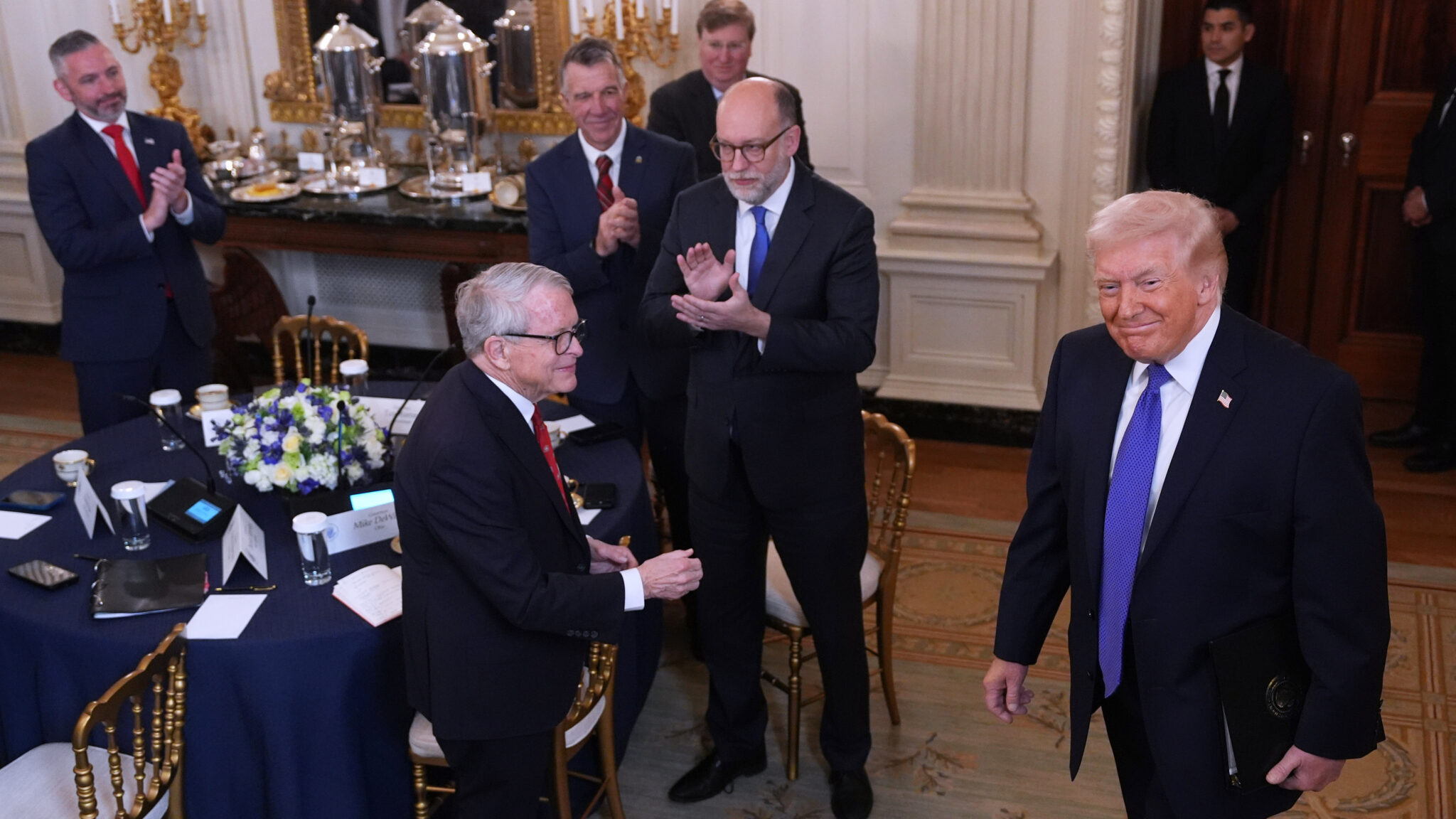
Trump Excludes Democratic Governors to White House Meeting, Group Withdraws/ Newslooks/ WASHINGTON/ J. Mansour/ Morning Edition/ The National Governors Association withdrew from a planned White House meeting after President Donald Trump refused to invite two Democratic governors. The dispute highlights growing tensions between the White House and state leaders. Despite the boycott, Trump is still expected to meet with selected governors.
Governors Pull Out After Trump Meeting Snub Quick Looks
- National Governors Association withdraws from White House meeting
- Trump declines to invite Govs. Jared Polis and Wes Moore
- NGA founded to promote bipartisan state advocacy
- Trump criticized excluded governors on social media
- Some GOP leaders defend president’s approach
- Former Gov. Larry Hogan calls move a mistake
- Governors voice concern over executive power expansion
- 2028 presidential speculation looms over gathering
Deep Look: Trump Excludes Democratic Governors to White House Meeting, Group Withdraws
A long-standing bipartisan tradition in Washington fractured this week after the National Governors Association announced it would no longer facilitate its annual White House meeting following President Donald Trump’s refusal to invite two Democratic governors.
Although Trump is still scheduled to meet with governors at the White House, the gathering will proceed without formal coordination from the NGA — an organization founded more than a century ago to unite state leaders from both political parties in advocating for shared interests in the nation’s capital.
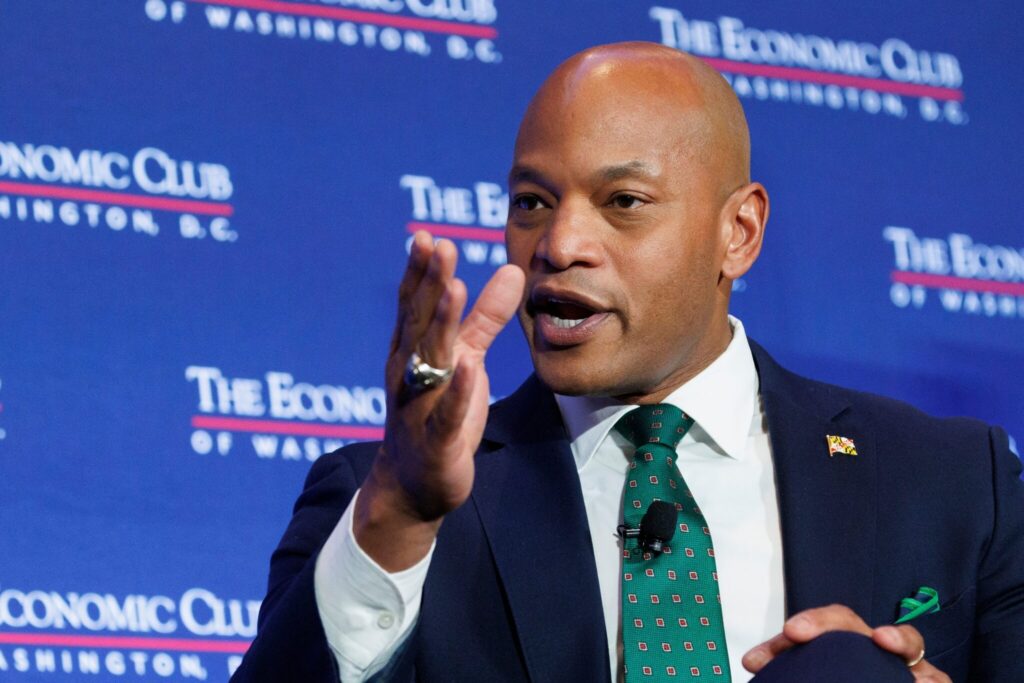
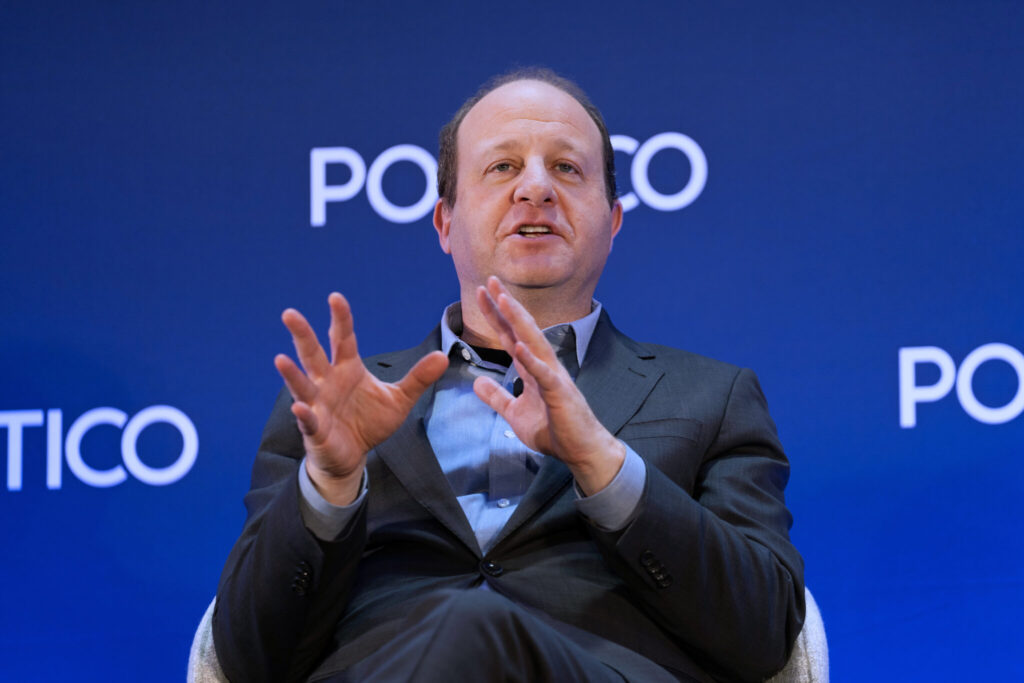
The conflict centers on Trump’s decision to exclude Colorado Gov. Jared Polis and Maryland Gov. Wes Moore from the event. The president recently criticized both governors on social media, describing them as “not worthy” of attending.
Polis, speaking briefly while in Washington, said he had no insight into Trump’s thinking but emphasized his continued engagement with fellow governors across party lines. He described the broader purpose of such meetings as an opportunity to exchange best practices and learn from colleagues regardless of political affiliation.
The episode underscores the increasingly confrontational posture Trump has adopted toward state leaders during his second term. At times, the president has threatened to withhold federal funding or deploy federal forces over the objections of governors. Now, even an annual ceremonial dinner has become a symbol of widening partisan divisions.
Utah Gov. Spencer Cox, a Republican, acknowledged that Trump has not prioritized national unity, noting publicly that the president has made clear such outreach is not central to his governing style.
Moore, who serves as vice chair of the NGA, expressed reluctance to escalate tensions. He said he did not seek conflict with the president but lamented becoming a target of social media criticism. Despite the dispute, Moore has maintained a focus on bipartisan cooperation among governors.
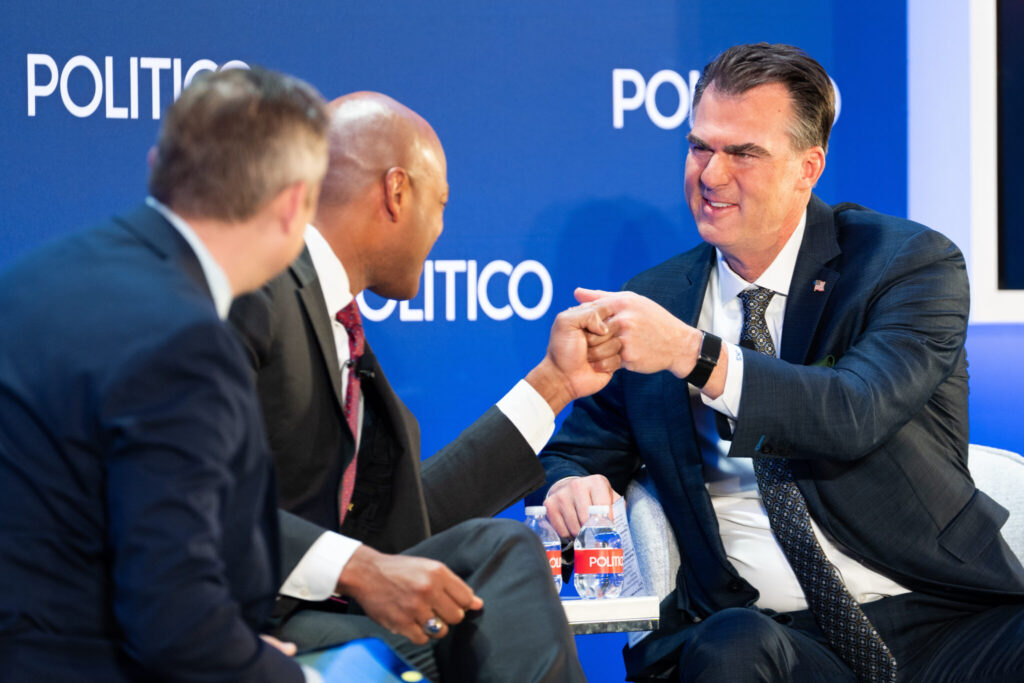
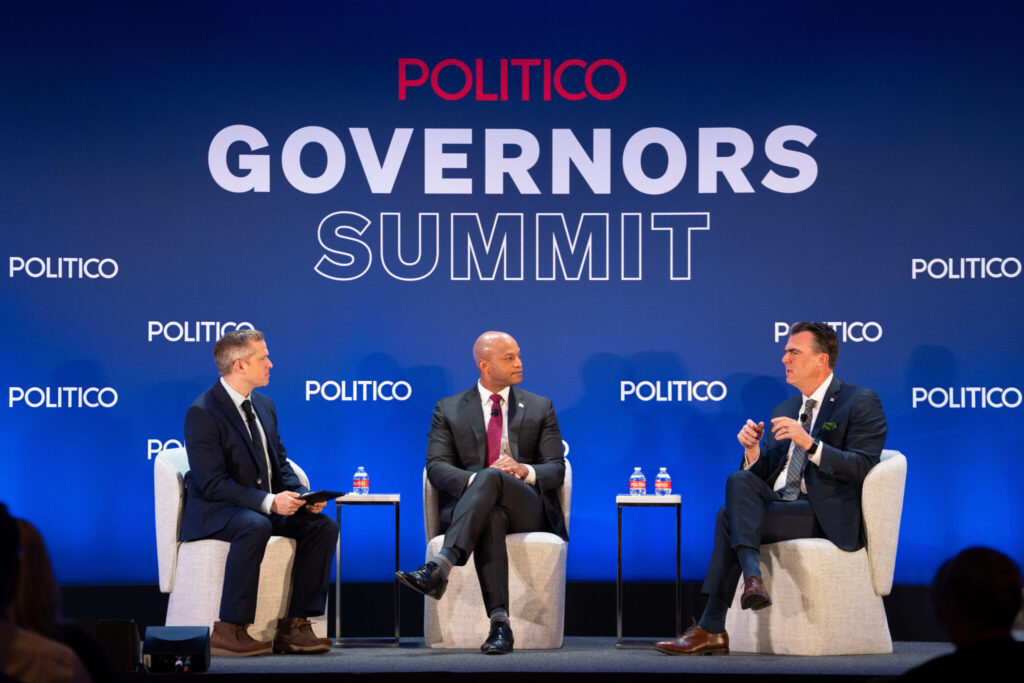
The dynamic contrasts sharply with the tone Moore and Oklahoma Gov. Kevin Stitt attempted to project at the outset of the NGA’s Washington gathering. Stitt, who chairs the association, appeared alongside Moore at several events, praising his Democratic counterpart and highlighting shared commitment to state governance.
Stitt had previously attempted to mediate the disagreement between the White House and the excluded governors. Trump responded by criticizing Stitt as a “RINO” — Republican In Name Only — and accusing him of misrepresenting the administration’s position. Even so, Stitt indicated he would still attend White House events, adopting a conciliatory tone and acknowledging the pressures of the presidency.
Former Maryland Gov. Larry Hogan, a Republican who occasionally clashed with Trump during his tenure, described the exclusion of governors as a misstep. Hogan said the annual gathering has historically provided an opportunity for dialogue, even if substantive policy breakthroughs were rare.
Beyond the immediate controversy, several governors voiced broader concerns about the balance of power between the executive branch and Congress. Cox argued that Congress has not adequately checked presidential authority, suggesting that states may need to assert themselves more forcefully.
“It is up to the states to hold the line,” Cox said, expressing frustration with what he described as congressional inaction.
Amid policy discussions and political tensions, another topic hovered over the week’s events: speculation about the 2028 presidential race. Moore and Pennsylvania Gov. Josh Shapiro were both in Washington, fueling talk of potential Democratic contenders. Other prominent Democratic governors, including California Gov. Gavin Newsom and Illinois Gov. JB Pritzker, were absent.
Kentucky Gov. Andy Beshear appeared more open about his national ambitions, arriving in Washington shortly after announcing plans to release a book later this year. When asked about a potential presidential bid, Beshear said his immediate focus remains on governing Kentucky, though he did not rule out future consideration.
The dispute over the White House meeting reflects deeper strains in American politics, where even traditionally bipartisan forums are vulnerable to partisan conflict. The NGA’s decision to step aside from organizing the event signals a rare public rebuke and highlights how political divisions now reach into nearly every corner of intergovernmental relations.
As Trump continues his second term and governors navigate their roles as both partners and counterweights to federal power, the fallout from this week’s standoff may shape future cooperation between the White House and statehouses nationwide.