

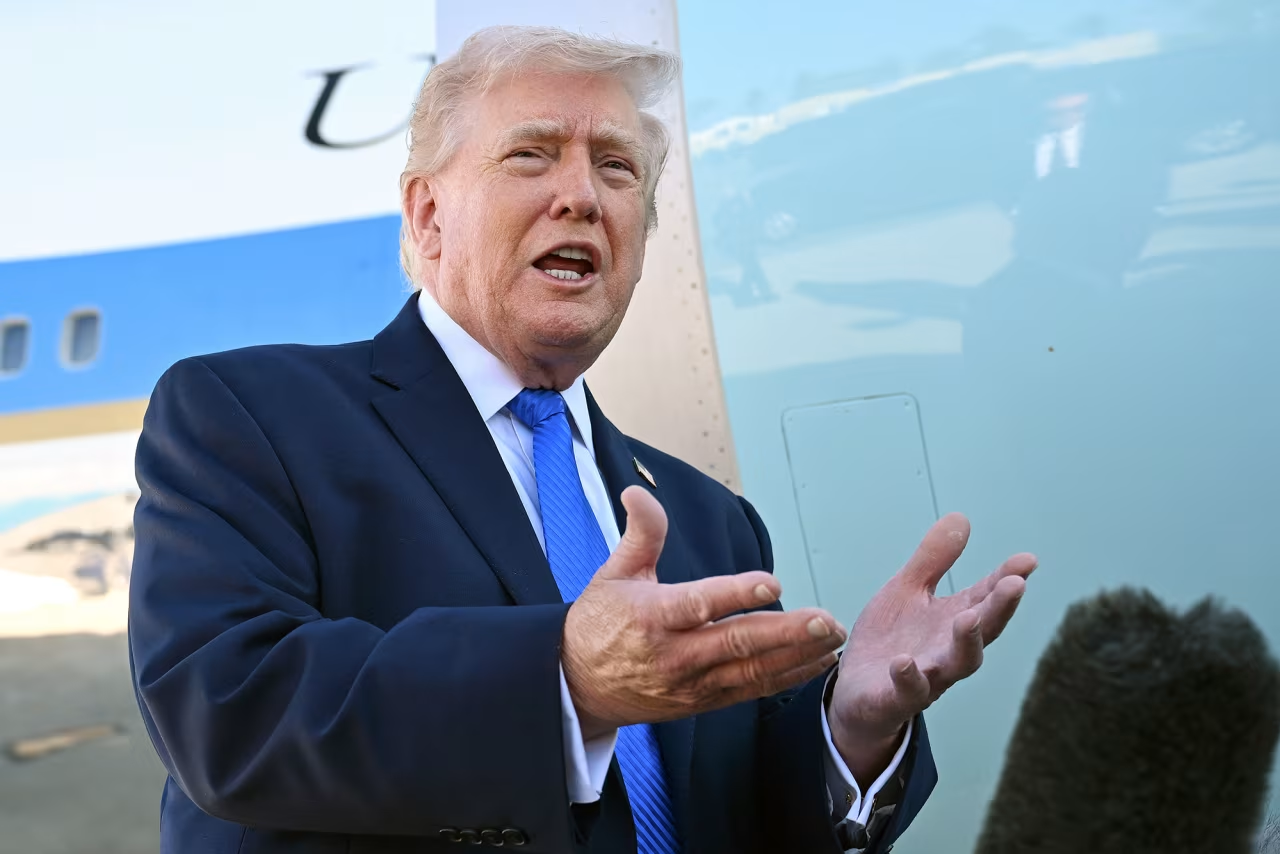
Trump Extends Iran Deadline As He Signals Possible Deal/ Newslooks/ WASHINGTON/ J. Mansour/ Morning Edition/ Trump extended the deadline for Iran to reopen Hormuz. He claims Iran is eager to negotiate a deal. Regional mediation efforts aim to prevent escalation.
Quick Looks
- Trump extends deadline by five days
- U.S. claims Iran eager for peace deal
- Iran denies direct negotiations
- Oil prices fall following diplomacy signals
- Turkey, Egypt and Pakistan involved in mediation
- Israel continues strikes despite diplomatic efforts

Deep Look: Trump Extends Iran Deadline As He Signals Possible Deal
President Donald Trump said Monday that Iran appears eager to negotiate an agreement to end the ongoing war, announcing a five-day extension to his deadline for Tehran to reopen the Strait of Hormuz and avoid attacks on its power infrastructure.
The move marks a significant shift in tone after a weekend of escalating threats that raised fears of a broader regional conflict. Trump had previously warned he would target Iranian power plants if Tehran failed to reopen the strategic waterway, through which roughly one-fifth of global oil shipments typically pass.
Speaking to reporters, Trump said the United States had held discussions with an Iranian leader and suggested negotiations were progressing.
“They want to make a deal,” Trump said, adding that U.S. envoy Steve Witkoff and adviser Jared Kushner held talks Sunday with a senior Iranian figure. Trump declined to identify the individual but confirmed the U.S. had not spoken with Supreme Leader Ayatollah Mojtaba Khamenei.
Iran quickly rejected the claims. Parliament Speaker Mohammad Bagher Qalibaf said no negotiations had taken place and accused Washington of spreading misinformation to influence global markets.
Despite the denial, diplomatic activity intensified across the region. Officials in Turkey and Egypt confirmed they had communicated with both sides, suggesting coordinated mediation efforts. Egypt said it delivered messages focused on de-escalation, while Turkey reportedly contacted multiple regional and international partners to prevent further escalation.
An Egyptian official indicated that messages between Washington and Tehran were exchanged through intermediaries including Egypt, Turkey and Pakistan. These communications helped avert potential strikes on energy infrastructure that could have triggered widespread disruptions.
Trump’s announcement immediately affected financial markets. Oil prices fell and global stocks rallied, reflecting investor optimism that diplomacy could prevent further escalation and restore energy flows.
Trump also outlined potential elements of a deal. He claimed Iran had indicated it would not pursue nuclear weapons and suggested the United States could take custody of Iran’s enriched uranium — a demand Tehran has historically rejected.
Experts say Iran already possesses significant amounts of enriched uranium and has made substantial progress toward weapons-grade material. The issue remains one of the most contentious points in any potential agreement.
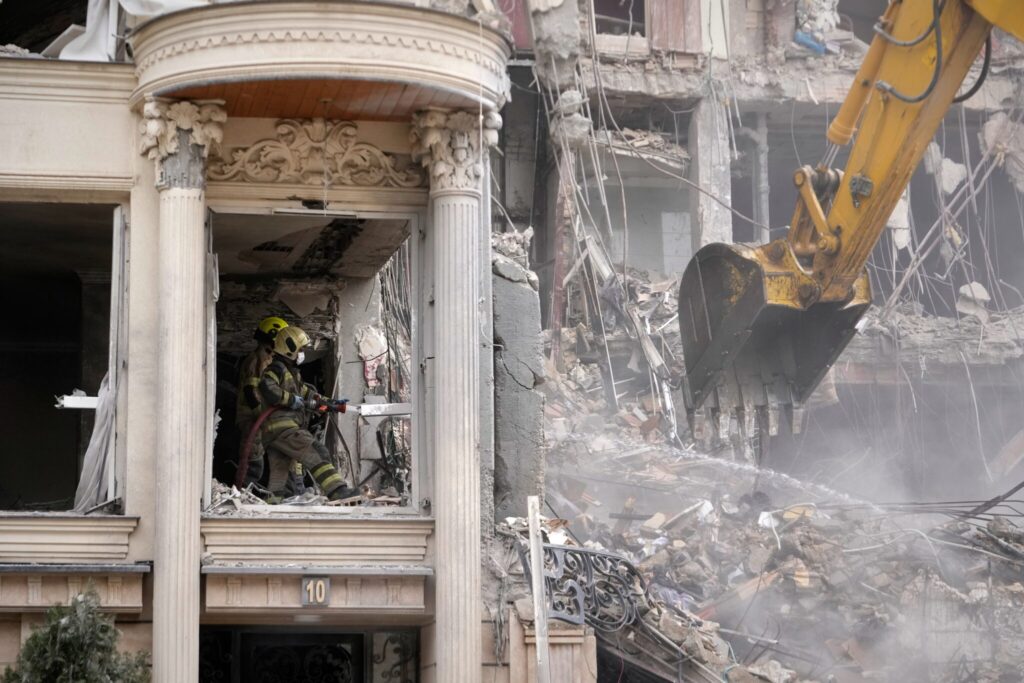
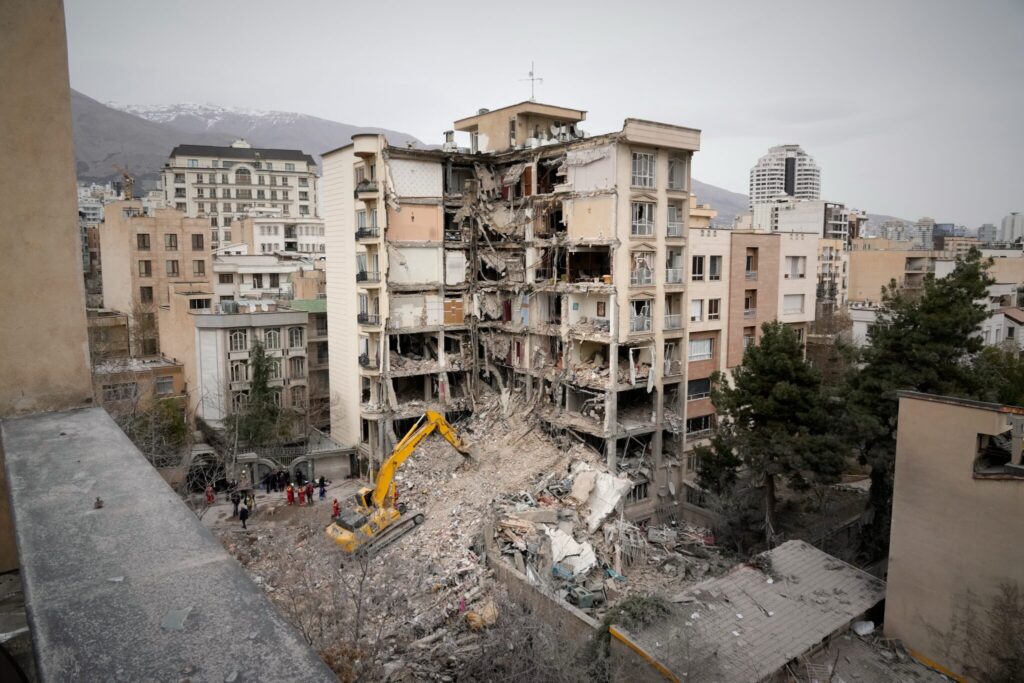
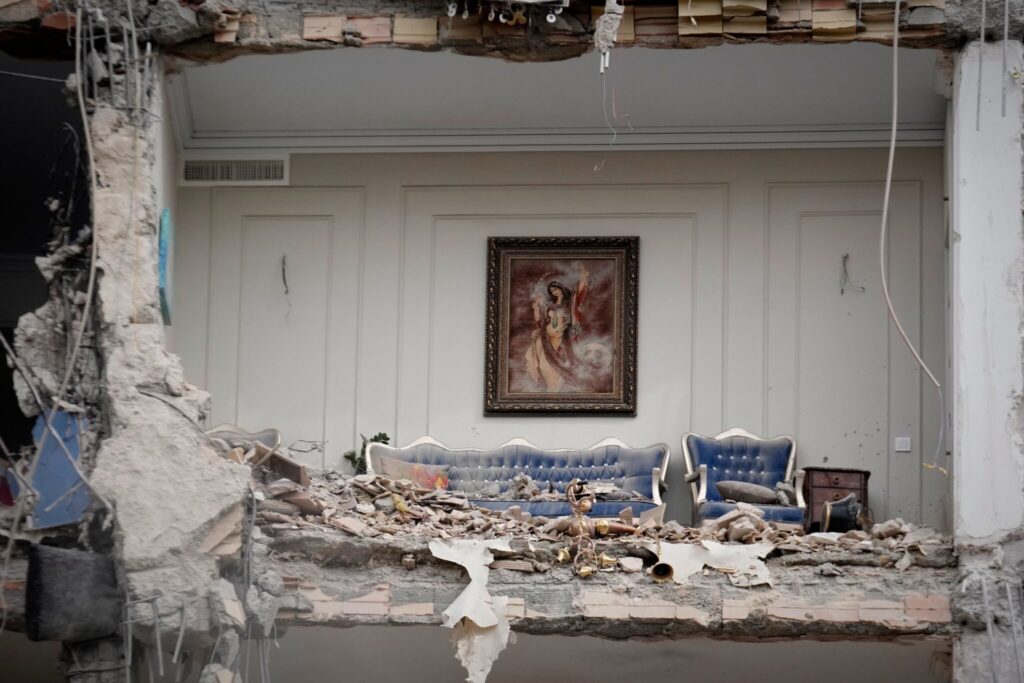
The conflict, now in its fourth week, has already caused significant casualties and economic disruption. More than 2,000 people have been killed, and the fighting has shaken global markets while driving up fuel prices.
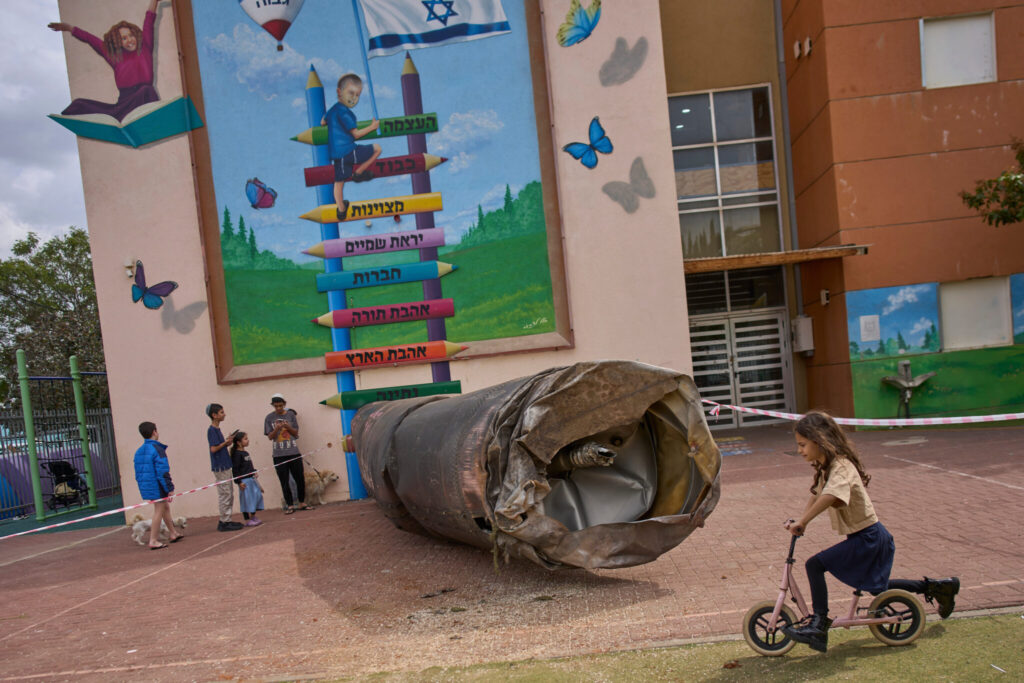
Iran warned that any attack on its power infrastructure would trigger retaliation across the region, including targeting energy facilities and desalination plants vital for drinking water in Gulf countries.
Meanwhile, Israel continued military operations, launching new strikes on infrastructure in Tehran and targeting Hezbollah-linked positions in Lebanon. Israeli officials said operations would continue even as diplomatic efforts unfold.
The United States has also deployed additional military forces to the region, including amphibious ships and Marines, underscoring that diplomacy is unfolding alongside continued military pressure.
Trump said he believes a deal could come soon, suggesting a “very good chance” of an agreement within days. However, conflicting statements from Tehran highlight the uncertainty surrounding negotiations.
For now, the five-day extension offers a temporary pause — and a potential opening for diplomacy — in a conflict that has already reshaped global energy markets and heightened geopolitical tensions.



You must Register or Login to post a comment.