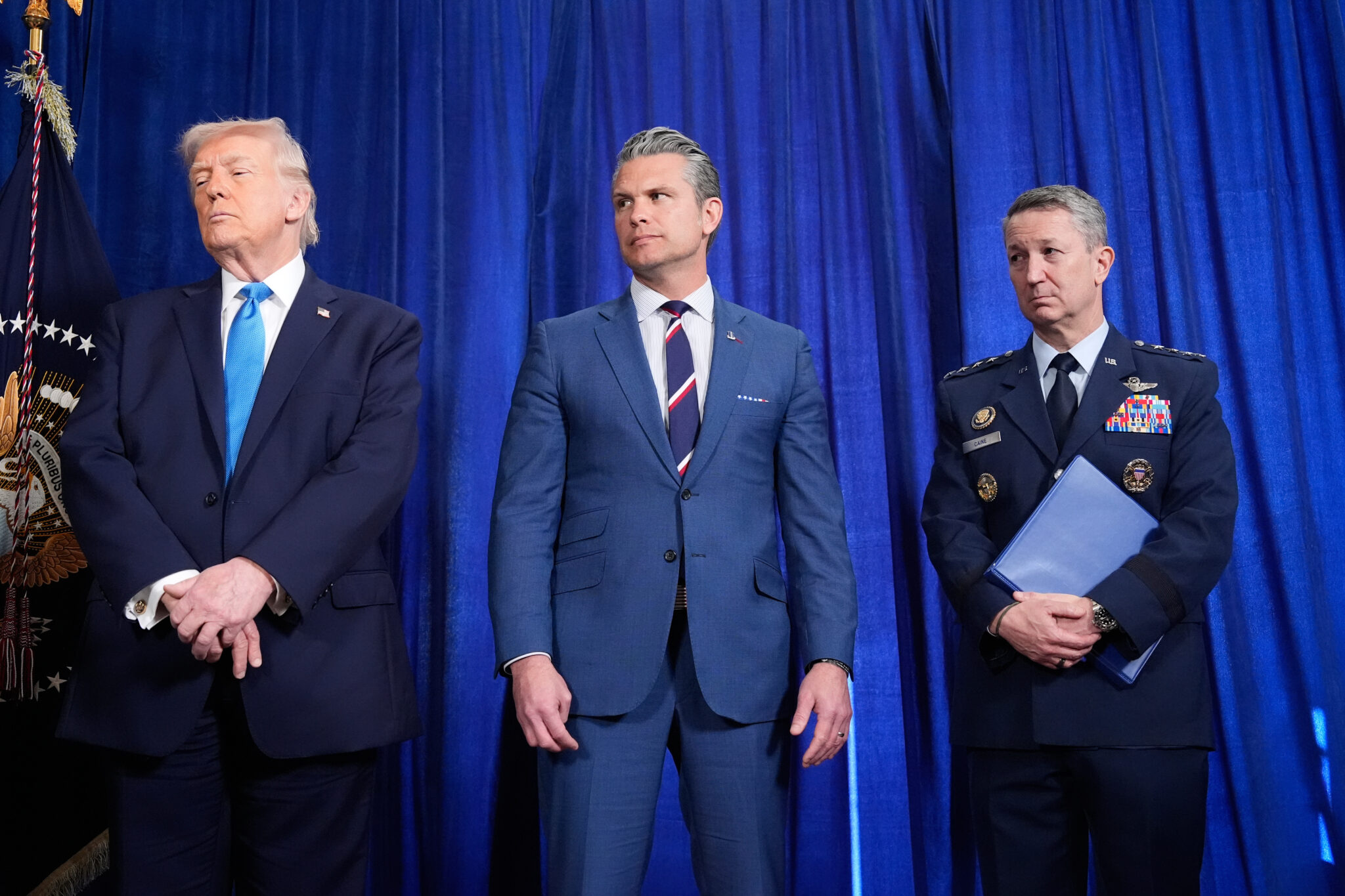
Trump Eyes Greenland, Cuba, Colombia in Hemisphere Strategy/ Newslooks/ WASHINGTON/ J. Mansour/ Morning Edition/ President Donald Trump has reignited controversial geopolitical ambitions following Venezuela’s military intervention. He signals intentions toward Greenland, while warning Cuba and Colombia of potential consequences. Trump’s rhetoric highlights a bold, interventionist U.S. stance in the Western Hemisphere.
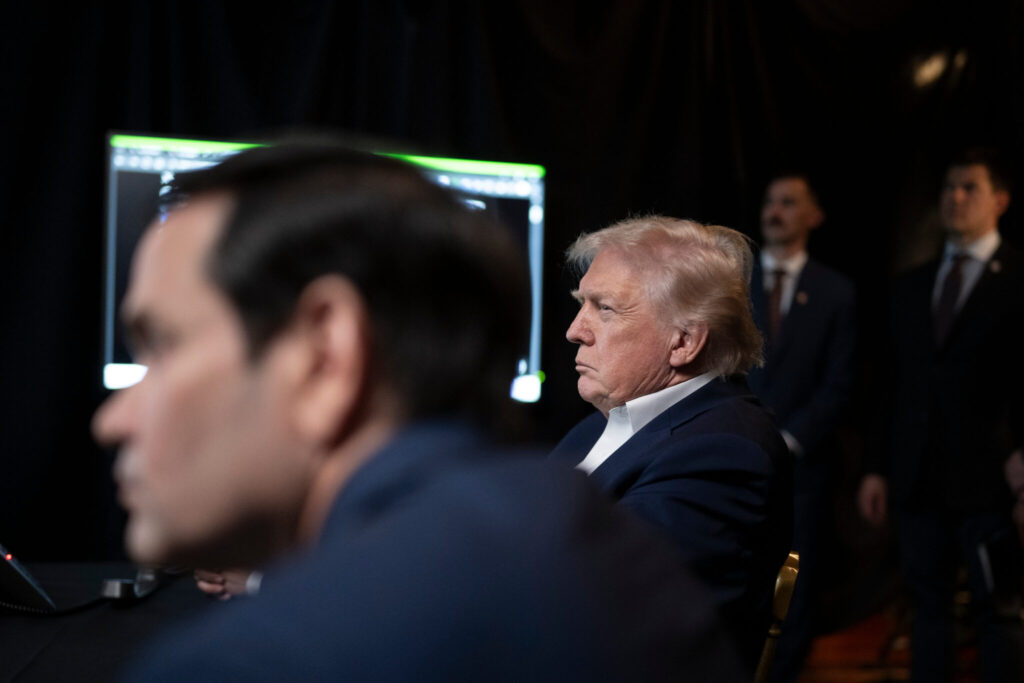
Trump’s Hemisphere Agenda Quick Looks
- Trump seeks U.S. control of Greenland, citing national security
- Danish officials reject any attempt to annex the island
- Secretary of State Rubio criticizes Cuba’s support of Maduro
- Trump accuses Colombia’s president of fueling drug trade
- U.S. sanctions and military threats extend across the region
- The Monroe Doctrine resurfaces in Trump’s foreign policy narrative
- Social media posts spark outrage in Denmark and Greenland
Trump Eyes Greenland, Cuba, Colombia in Hemisphere Strategy
Deep Look
President Donald Trump has reignited his ambitions to expand American influence across the Western Hemisphere, delivering new threats and aggressive rhetoric against multiple countries following the dramatic U.S. military operation that ousted Venezuela’s Nicolás Maduro.
Speaking just a day after the Venezuela raid, Trump emphasized his intent to secure Greenland, a Danish territory, by asserting it is essential for national defense, particularly due to the presence of Russian and Chinese activity in the Arctic. He also warned of possible military action against Colombia, citing its role in the global cocaine trade, and called attention to Cuba’s weakening political position in light of Maduro’s removal.
Trump Pushes for Greenland Acquisition
During his flight back to Washington from Florida, Trump reiterated his belief that Greenland must fall under U.S. jurisdiction for strategic defense reasons. Claiming Denmark cannot protect the resource-rich island, Trump insisted that Greenland’s control is a matter of national security. Although he stopped short of declaring a direct plan, his comments revived tensions that had simmered since his first term when he floated the idea of purchasing the island.
Trump’s references to both the Monroe Doctrine and Roosevelt Corollary signal a revival of expansionist American principles dating back to the 19th century. In recent remarks, he joked that the Monroe Doctrine is now being dubbed the “Don-roe Doctrine,” showcasing his continued framing of foreign policy through a personal lens.
Danish Government Pushes Back
Danish Prime Minister Mette Frederiksen swiftly condemned Trump’s assertions, stating that the U.S. has no right to annex Greenland. She emphasized Denmark’s NATO alliance with the U.S. and reiterated the island’s strategic cooperation already in place. Frederiksen urged Trump to stop threatening a long-standing ally and reaffirmed that Greenland is not for sale.
In response to Trump’s rhetoric, Denmark co-signed a European Union statement supporting the right of Venezuelans to determine their political future without outside interference. The statement served as a critique of Trump’s aggressive approach following Maduro’s capture.
Tensions Escalate on Social Media
The friction escalated further after a former Trump aide, now a podcaster, posted a graphic of Greenland colored in the American flag with the caption “SOON.” The post was widely condemned by Danish officials, including Ambassador Jesper Møller Sørensen, who demanded respect for Denmark’s territorial integrity.
The controversy brought renewed focus to Trump’s previous appointment of Louisiana Governor Jeff Landry as his special envoy to Greenland. Landry pledged to support the former president’s ambition to integrate Greenland into the U.S., albeit in an unofficial, volunteer capacity.
Rubio Warns Cuba Amid Fallout
Simultaneously, Secretary of State Marco Rubio issued stern warnings to Cuba. He revealed that Cuban intelligence personnel were among Maduro’s guards in Venezuela, implying deep Cuban involvement in Maduro’s regime. According to Rubio, Cuba’s agents oversaw internal surveillance operations to ensure loyalty within Maduro’s circle.
The Cuban government claimed that 32 of its officers were killed in the U.S. raid in Caracas. Trump, referencing Cuba’s dependence on Venezuelan oil, declared that the island’s struggling economy is facing further collapse. He characterized the Cuban state as being “down for the count.”
Colombia Faces Accusations and Threats
Trump also turned his attention to Colombia, accusing President Gustavo Petro of enabling cocaine production and export. He characterized Petro as a “sick man” complicit in flooding the United States with drugs. When asked whether a U.S. military operation against Colombia could occur, Trump responded, “It sounds good to me.”
In October, the Trump administration placed sanctions on Petro, his family, and an official in his government due to alleged ties to the drug trade. Colombia, a historically close U.S. partner and the leading recipient of American aid in Latin America, saw its cooperation status downgraded by Washington, marking the first such designation in nearly three decades.
Trump’s statements reflected an increasingly aggressive tone toward nations he sees as obstructive or unstable. As he continues to invoke historic doctrines and promote an expansionist worldview, regional leaders remain on edge, uncertain which country might become the next target of Trump’s vision for restored American dominance in the hemisphere.