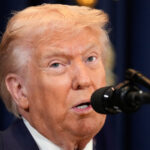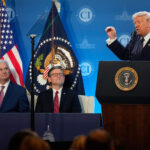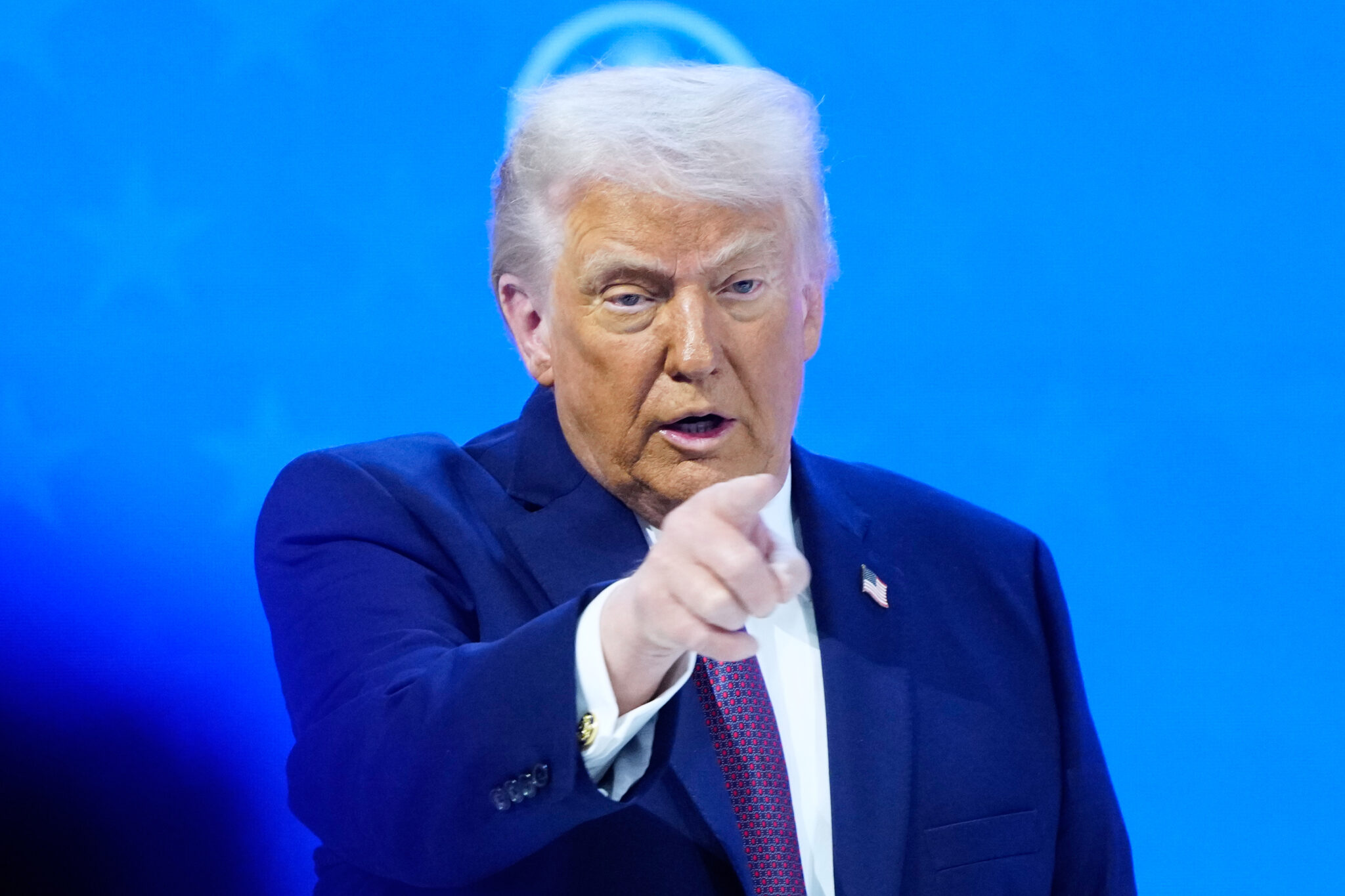
Trump Fuels ‘New World Order’ Amid Global Pushback/ Newslooks/ WASHINGTON/ J. Mansour/ Morning Edition/ President Trump’s recent moves, including revoking Canada’s Board of Peace invitation and pressuring European allies, have fueled global unease. Western leaders warn of a destabilizing shift in U.S. foreign policy. Critics argue Trump’s unilateralism is reshaping global alliances and weakening traditional partnerships.
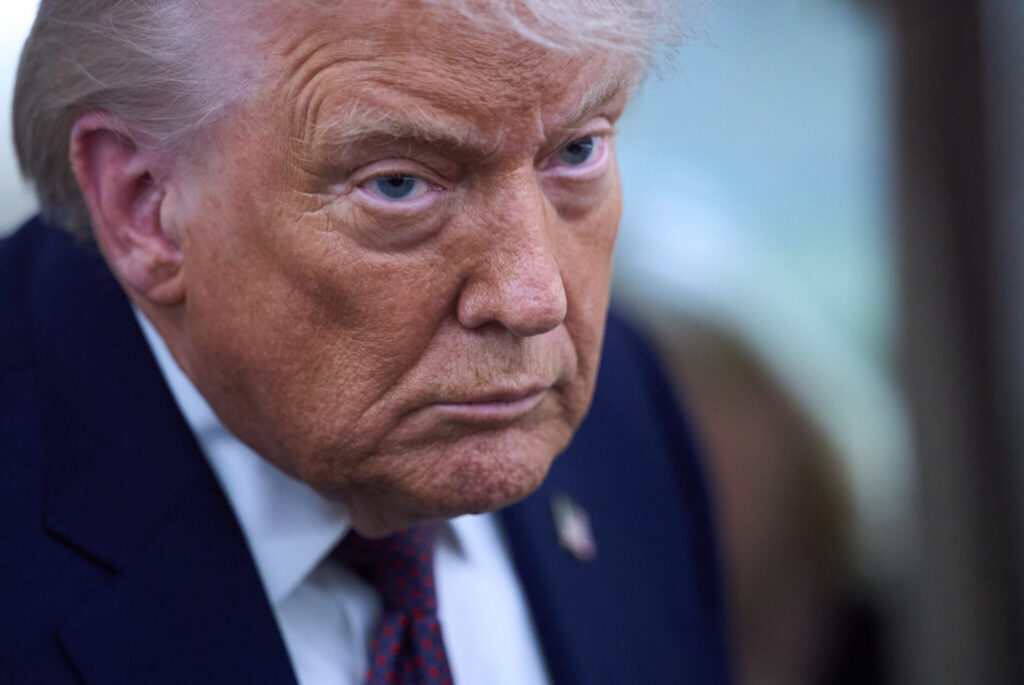
Trump’s ‘New World Order’ Push – Quick Looks
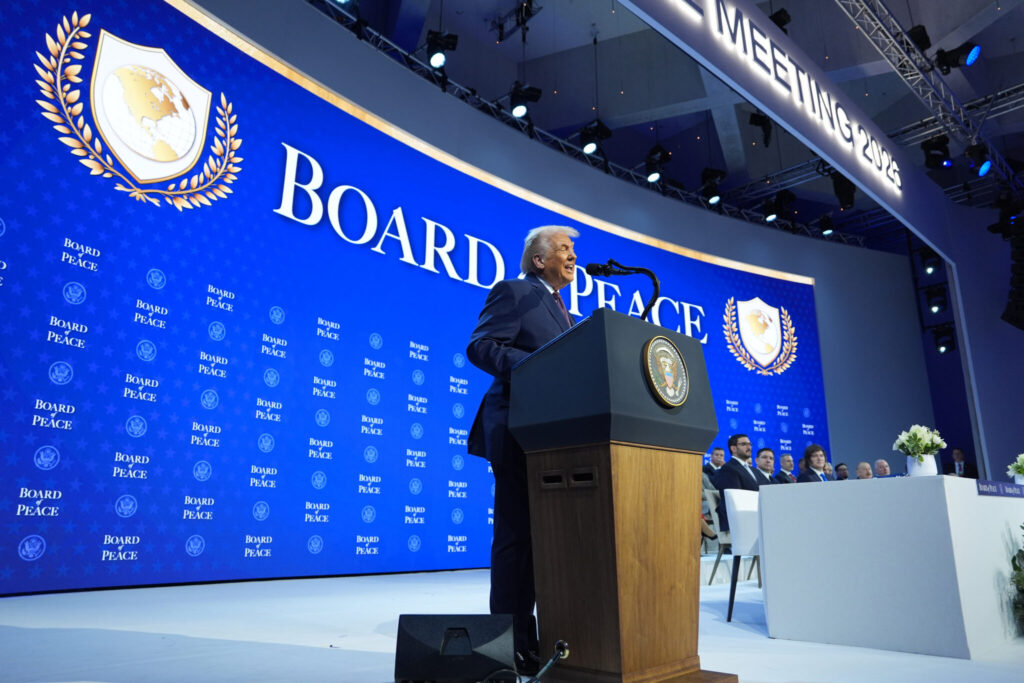
- Trump revokes Canada’s Board of Peace invitation after Prime Minister Carney defends Canadian sovereignty.
- World Economic Forum remarks spark backlash, as Trump threatens tariffs and presses Denmark over Greenland.
- U.S. foreign policy takes a sharp turn, with Trump prioritizing dominance and dismissing traditional alliances.
- Allies react with growing concern, including UK Prime Minister Starmer condemning Trump’s NATO comments.
- China viewed as benefiting, as U.S. alienates allies and prompts reevaluation of global partnerships.
- Pentagon’s new defense strategy echoes Trump’s rhetoric, urging allies to take control of their own security.
- Senators warn of U.S. instability, while Trump’s America First approach reshapes global dynamics.
Deep Look: Trump Reshapes Global Order, Sparks Diplomatic Upheaval
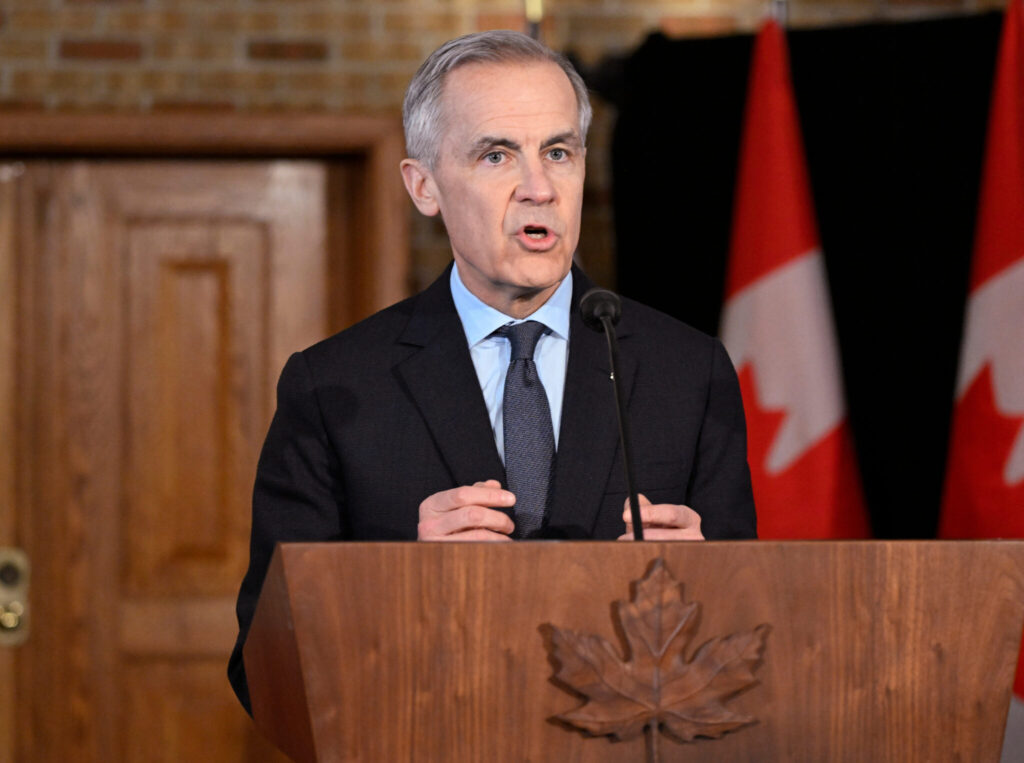
President Donald Trump is once again drawing sharp international attention after a week of provocative foreign policy moves that signal a dramatic reshaping of the global landscape. In a move that symbolized the broader pivot, Trump revoked Canadian Prime Minister Mark Carney’s invitation to the U.S.-led “Board of Peace,” an initiative originally aimed at overseeing the Gaza ceasefire but now expanding its scope.
The revocation followed Carney’s sharp comments in Davos defending Canadian independence and pushing back on Trump’s assertion that “Canada lives because of the United States.” Carney responded that “Canada thrives because we are Canadian,” reinforcing a growing international resistance to Trump’s nationalist tone.
At the World Economic Forum, Trump unleashed a barrage of unpredictable statements: threatening tariffs on Switzerland, chastising Denmark over Greenland, and dismissing European allies for not supporting his geopolitical aims. Each episode underlined what many are calling the emergence of a Trump-centric “new world order,” one that appears increasingly volatile and reliant on the president’s personal opinions.
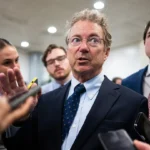
U.S. allies, both wary and frustrated, voiced their concerns. Senator Lisa Murkowski, returning from Davos, echoed foreign leaders’ anxiety: “We are entering this new world order,” she said, pointing to the unpredictable nature of Trump’s decision-making.
Meanwhile, Canadian Prime Minister Carney has taken on a leading role in encouraging middle powers to form new coalitions outside U.S. influence. He called on countries to collaborate and uphold legitimacy, rules, and integrity, warning against succumbing to authoritarian powers or Trump’s coercive diplomacy.
Trump, in typical fashion, did not hold back. He escalated tensions by publicly stating, “Canada lives because of the United States,” and dismissed Carney’s push for multilateralism. His rhetoric has alarmed NATO members, especially after he suggested doubts about the alliance’s mutual defense clause.
UK Prime Minister Keir Starmer condemned Trump’s comments about NATO as “insulting and frankly appalling,” noting the sacrifice of British troops in Afghanistan and criticizing Trump’s dismissal of allies’ contributions. Denmark also took offense, as Trump branded the country “ungrateful” over U.S. protection during World War II — despite its high casualty rate per capita in coalition efforts.
In a deeper policy shift, the Pentagon’s newly released National Defense Strategy reinforced Trump’s America First agenda. The document urges allies to take charge of their own defense responsibilities, especially in Europe and East Asia. It places strong emphasis on U.S. dominance in the Western Hemisphere, with specific mention of Greenland and the Panama Canal — echoing Trump’s recent geopolitical ambitions.
The defense strategy also softens the U.S. stance on China, presenting it not as an existential enemy but a power that should be deterred without direct confrontation. Significantly, the document omits guarantees to Taiwan, signaling another step away from traditional U.S. commitments.
While Trump’s supporters praise his no-nonsense leadership and rejection of what they call “globalist” priorities, critics warn that the lack of stability is damaging the U.S.’s credibility on the world stage. Former National Security Adviser Jake Sullivan noted that Trump’s erratic actions only help China strengthen its global standing.
Even within the U.S., cracks are forming. Senator Chris Coons remarked that Trump only respects countries that resist him, as evidenced by China’s stronger bargaining position.
“Those who negotiated in good faith, like the EU, didn’t win his respect,” Coons said.
As international alliances fracture, and the rules-based order weakens, Trump’s approach is pushing the world toward a more unpredictable and personality-driven system. His rejection of multilateralism, emphasis on transactional diplomacy, and disdain for international norms represent a stark departure from decades of bipartisan foreign policy.
Whether this emerging “new world order” will solidify into a lasting structure — or collapse under its own unpredictability — remains one of the defining questions of this era.