Trump Gets Pledges for Gaza Reconstruction, Troop Commitments at Inaugural Board of Peace Talks/ Newslooks/ WASHINGTON/ J. Mansour/ Morning Edition/ President Donald Trump secured $7 billion in Gaza relief pledges and troop commitments from five nations at the first Board of Peace summit. The U.S. also committed $10 billion to support the initiative. The stabilization force aims to deploy tens of thousands of personnel as the fragile Gaza ceasefire continues.
Trump Board of Peace Gaza Commitments Quick Looks
- $7 billion pledged by nine countries for Gaza relief
- U.S. commits $10 billion to Board of Peace
- Five nations to deploy troops for stabilization
- Egypt and Jordan to train police forces
- Rafah targeted as initial reconstruction zone
- 12,000 police and 20,000 soldiers envisioned
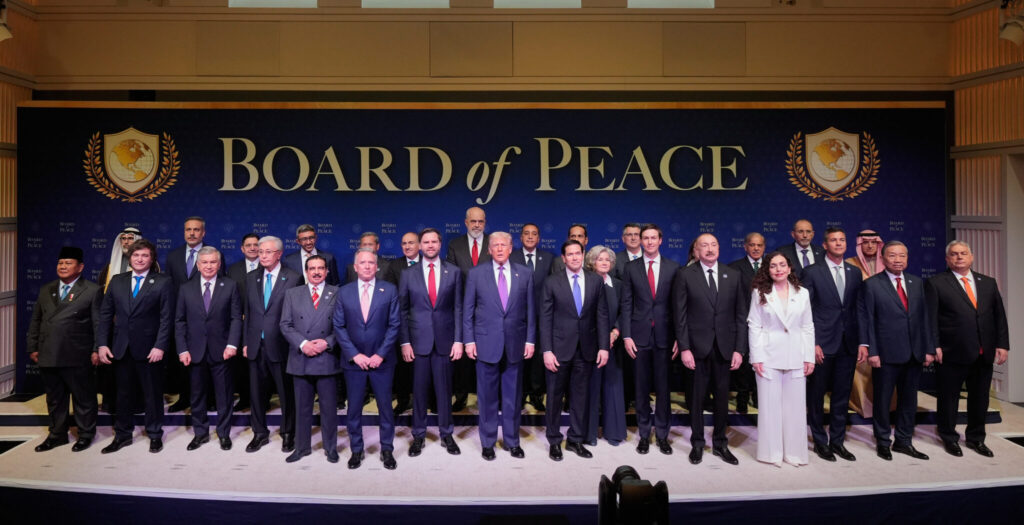
- More than 40 countries participate
- Some U.S. allies attend as observers only
Deep Look: Trump Gets Pledges for Gaza Reconstruction, Troop Commitments at Inaugural Board of Peace Talks
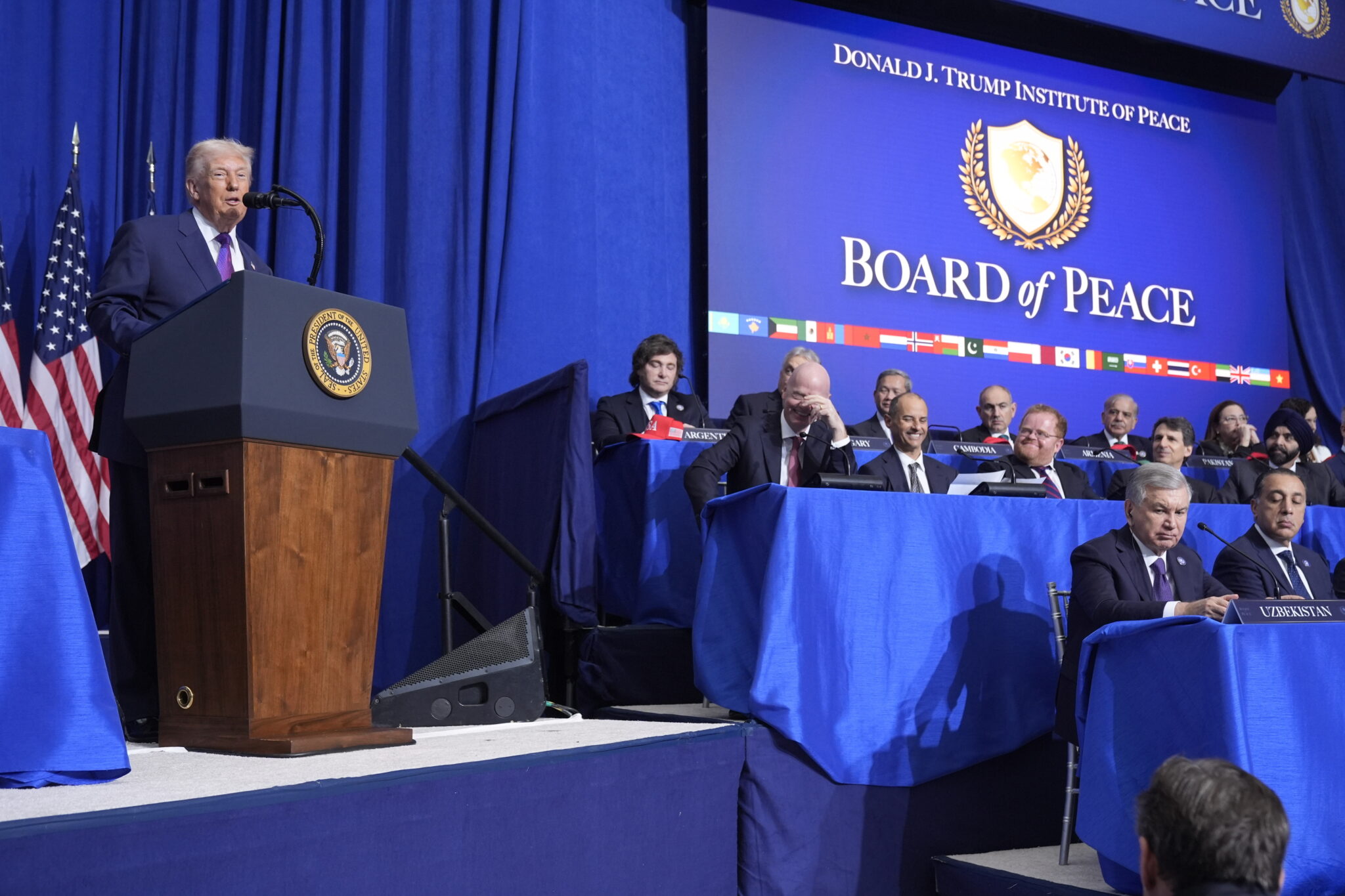
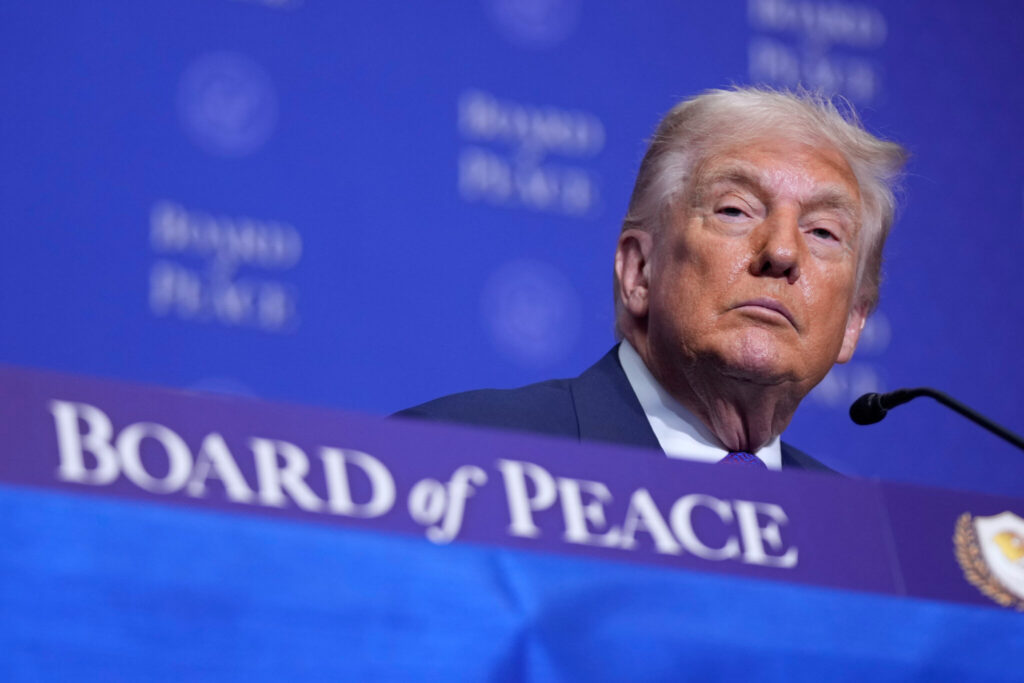
President Donald Trump announced major financial and military commitments for Gaza reconstruction during the inaugural meeting of his newly formed Board of Peace, marking a significant step in his administration’s ambitious post-war stabilization effort.
At the Washington summit, Trump revealed that nine countries have pledged a combined $7 billion toward humanitarian relief and rebuilding in the war-ravaged Palestinian territory. In addition, five nations committed to sending troops to form the backbone of an international stabilization force designed to secure Gaza amid a fragile ceasefire.
The United States will contribute $10 billion to support the Board of Peace initiative, Trump said, though he did not specify how those funds would be allocated.
“Every dollar spent is an investment in stability and the hope of a new and harmonious region,” Trump said, describing the board as a model for rebuilding conflict zones.
Who Is Contributing
Countries pledging financial support include Kazakhstan, Azerbaijan, the United Arab Emirates, Morocco, Bahrain, Qatar, Saudi Arabia, Uzbekistan and Kuwait.
On the security front, Indonesia, Morocco, Kazakhstan, Kosovo and Albania agreed to deploy troops as part of the International Stabilization Force. Meanwhile, Egypt and Jordan pledged to help train police units to operate within Gaza.
Maj. Gen. Jasper Jeffers, head of the newly created stabilization force, outlined an initial framework that envisions deploying 20,000 soldiers and 12,000 police officers. The first contingent of troops would be stationed in Rafah, a densely populated southern Gaza city where reconstruction efforts are expected to begin.
“With these first steps, we help bring the security that Gaza needs for a future of prosperity and enduring peace,” Jeffers said.
Scale of the Challenge
While the $17 billion in combined pledges is substantial, it represents only a fraction of the estimated $70 billion required to fully rebuild Gaza after two years of devastating conflict between Israel and Hamas.
The Board of Peace originated as part of Trump’s broader 20-point peace plan aimed at ending the Gaza war. However, since the October ceasefire, the president has expanded the board’s mission, signaling his intent for it to address broader global conflicts beyond Gaza.
That broader vision has prompted concerns among some U.S. allies and international observers that the initiative could compete with the United Nations.
Trump rejected that notion, arguing instead that the Board of Peace would strengthen international institutions.
“Someday I won’t be here. The United Nations will be,” he said. “I think it is going to be much stronger, and the Board of Peace is going to almost be looking over the United Nations and making sure it runs properly.”
Mixed Reception Among Allies
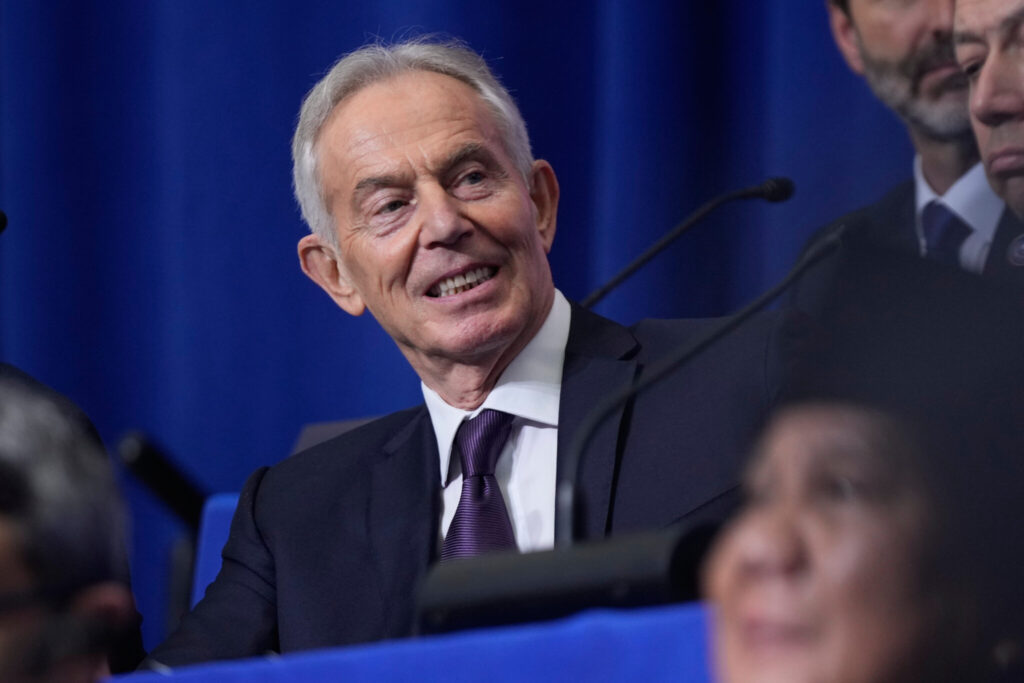
More than 40 countries and the European Union sent representatives to the summit. However, Germany, Italy, Norway, Switzerland and the United Kingdom attended only as observers and have not formally joined the board.
“Almost everybody’s accepted, and the ones that haven’t, will be,” Trump predicted, dismissing skepticism.
The timing of the summit overlapped with a United Nations Security Council session addressing Gaza’s ceasefire and Israel’s activity in the West Bank. That meeting was moved forward to accommodate diplomatic travel schedules.
Vatican Secretary of State Cardinal Pietro Parolin had earlier suggested that crisis management efforts should primarily remain under U.N. leadership. Administration officials pushed back, describing the Board of Peace as an action-oriented complement to traditional diplomacy.
Disarmament Hurdles
Central to the stabilization plan is the disarmament of Hamas — a key demand of Israel and a cornerstone of the ceasefire framework.
However, Hamas has provided limited assurances about relinquishing its weapons. A U.S. official said the administration is realistic about the challenges of demilitarization but remains cautiously encouraged by mediator reports.
Secretary of State Marco Rubio acknowledged the long road ahead.
“We have a long ways to go,” Rubio said. “There’s a lot of work that remains that will require the contribution of every nation state represented here today.”
High-Level Participation
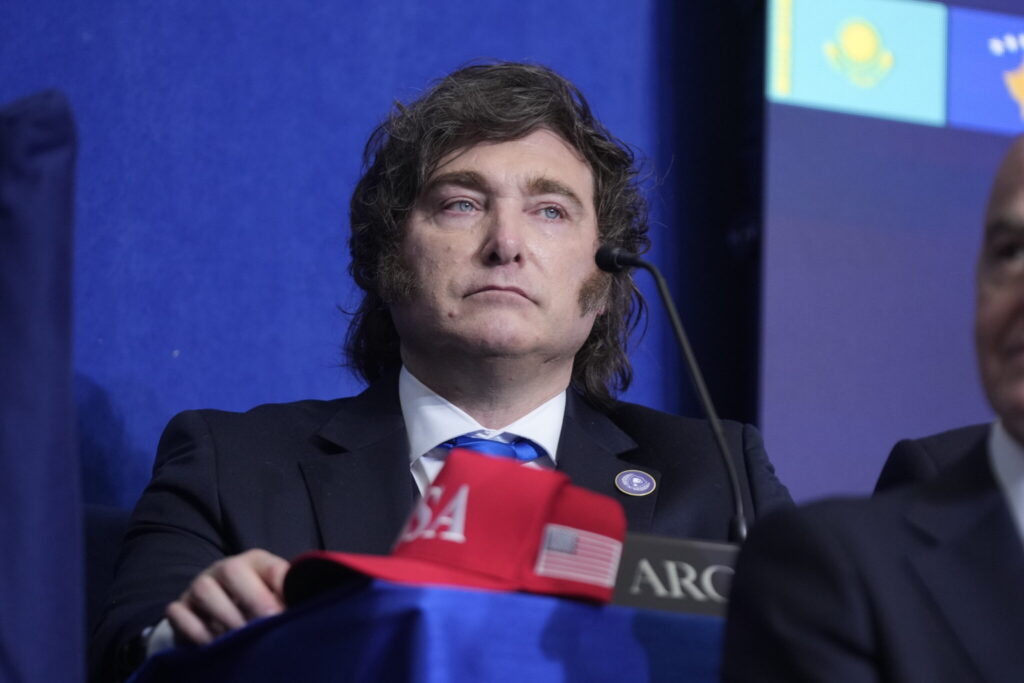
While many nations sent senior officials, some leaders traveled personally to Washington, including Indonesian President Prabowo Subianto, Argentine President Javier Milei, and Hungarian Prime Minister Viktor Orbán.
Their presence underscored the geopolitical significance Trump is attaching to the initiative.
What Comes Next
The immediate priority is establishing security in Rafah and launching early-stage reconstruction projects. Success there could determine whether the broader stabilization plan gains momentum.
The Board of Peace now faces the challenge of transforming pledges into tangible results while navigating diplomatic sensitivities, ceasefire fragility, and the complex issue of Hamas disarmament.
For Trump, the summit represents a bold step in reshaping post-war governance in Gaza — and potentially redefining how the United States approaches multilateral diplomacy.