

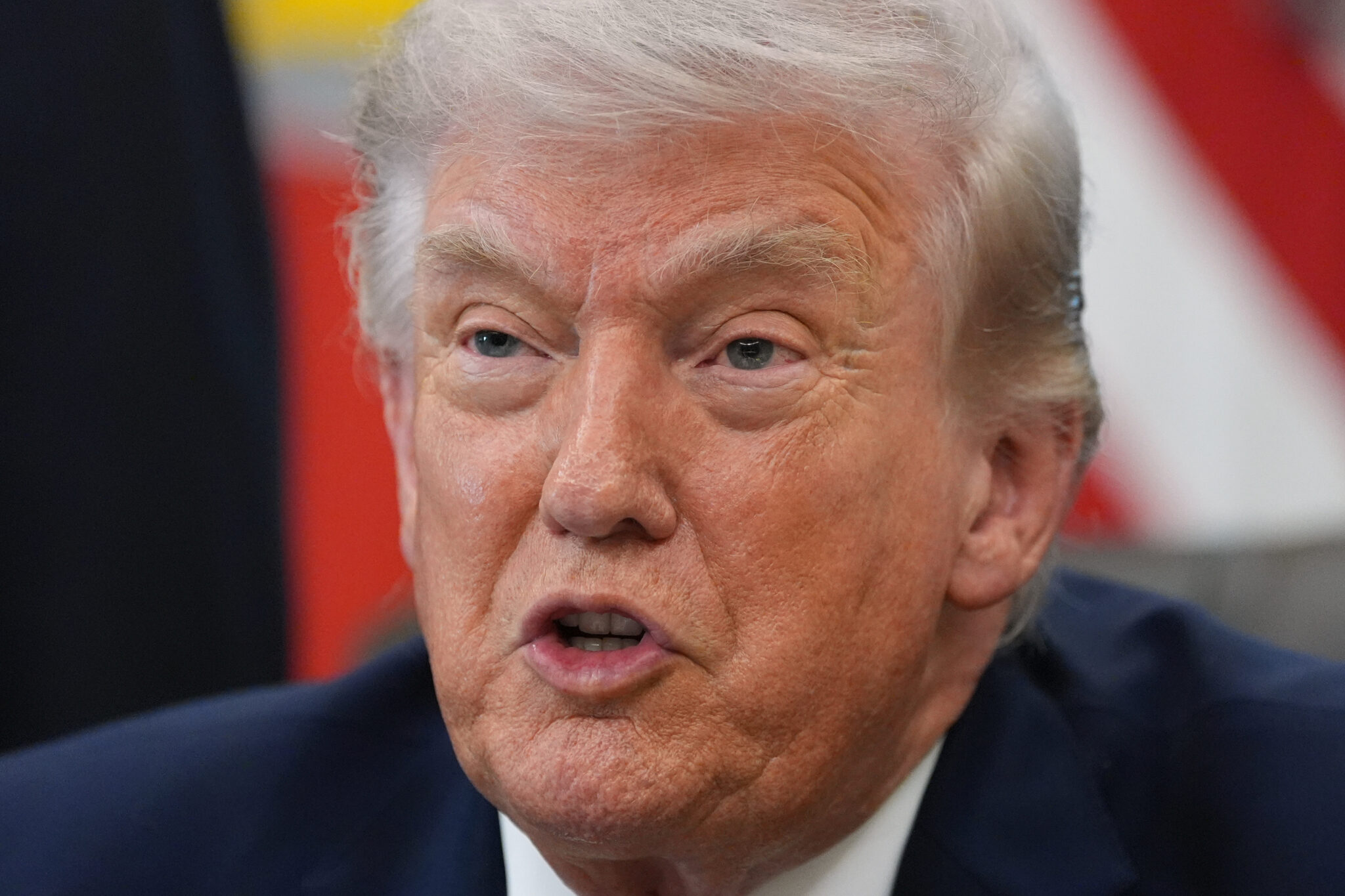
Trump Gives Iran 48-Hour Ultimatum on Strait of Hormuz Before ‘Hell Will Reign Down’/ Newslooks/ WASHINGTON/ J. Mansour/ Morning Edition/ President Donald Trump issued a 48-hour ultimatum to Iran over the Strait of Hormuz. Trump warned that failure to reach a deal could bring severe military consequences. The warning comes amid rising tensions and threats to global shipping routes.
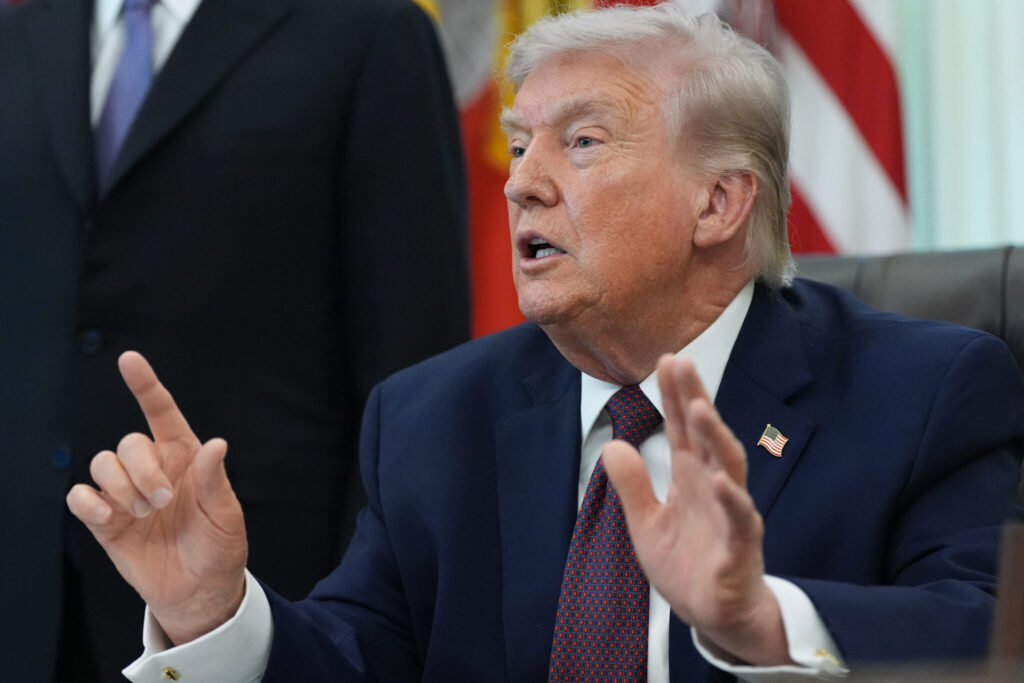
Trump Iran Ultimatum — Quick Looks
- Trump gives Iran 48-hour deadline
- Ultimatum focuses on Strait of Hormuz
- Trump warns “all hell will reign down”
- U.S. demands Iran abandon nuclear program
- Iran also pressured on missiles and regional activity
- Search ongoing for downed U.S. F-15E crew member
- Bab el-Mandeb waterway also at risk
- Houthi rebels threaten Red Sea shipping
- Global oil markets facing uncertainty
- Middle East tensions escalating rapidly
Deep Look: Trump Issues 48-Hour Ultimatum to Iran Over Strait of Hormuz
President Donald Trump issued a stark warning to Iran on Saturday, giving Tehran 48 hours to reach a deal with the United States or face severe consequences, as tensions escalate across the Middle East and global shipping routes remain under threat.
In a message posted on Truth Social, Trump said time was running out for Iran to reach an agreement and reopen the strategically critical Strait of Hormuz.
“Remember when I gave Iran ten days to MAKE A DEAL or OPEN UP THE HORMUZ STRAIT,” Trump wrote. “Time is running out — 48 hours before all Hell will reign down on them. Glory be to GOD!”
The ultimatum renews pressure on Iran to negotiate under U.S. demands that include abandoning nuclear weapons capabilities, halting uranium enrichment, and curbing missile development and regional military activity. In exchange, Iran could potentially receive sanctions relief.
The warning comes amid heightened military tensions following reports that a U.S. F-15E fighter jet was downed over Iran on Friday, with search-and-rescue operations continuing for a missing crew member. Trump did not reference the incident in his statement.
The Strait of Hormuz remains at the center of the standoff. The narrow waterway, located between Iran and the Arabian Peninsula, is one of the world’s most critical energy chokepoints, with a significant portion of global oil shipments passing through it daily.
Iran’s control and disruption of traffic through the strait have already driven up global oil prices and raised concerns among international markets. The White House has repeatedly called for Iran to reopen the shipping lane to prevent further economic fallout.
Trump’s ultimatum also comes as concerns grow over another vital shipping route in the region. Iran’s parliament speaker recently issued a veiled threat against the Bab el-Mandeb Strait, another major global trade corridor connecting the Red Sea to the Gulf of Aden.
The Bab el-Mandeb waterway handles roughly a quarter of global container shipping traffic moving to and from the Suez Canal, making it a critical artery for international commerce.
Saudi Arabia has increasingly relied on the Bab el-Mandeb to transport oil shipments after disruptions in the Strait of Hormuz. However, that route is now also facing growing risks.
Iran-backed Houthi rebels in Yemen have entered the conflict and could resume attacks on shipping vessels in the Red Sea. The Houthis previously targeted more than 100 merchant ships during earlier regional tensions, disrupting global trade and shipping.
Those attacks temporarily stopped following U.S. and Israeli airstrikes, but the Houthis have recently warned they would not allow the United States or Israel to use the Red Sea for operations against Iran.
If attacks resume, analysts warn that global shipping and energy markets could face further instability.
Trump’s warning signals a potential escalation if negotiations fail. The administration has previously stated that reopening the Strait of Hormuz is critical to stabilizing global energy markets and reducing economic pressure.
The situation remains fluid as diplomatic efforts continue behind the scenes. However, Trump’s 48-hour deadline underscores the urgency and volatility surrounding the standoff.
With military operations ongoing, threats to multiple global waterways, and rising geopolitical tensions, the coming days could prove decisive in determining whether the crisis escalates further or shifts toward negotiations.






You must Register or Login to post a comment.