Trump Halts National Guard Plans in Chicago, LA, Portland, Oregon For Now/ Newslooks/ WASHINGTON/ J. Mansour/ Morning Edition/ President Donald Trump says he’s dropping, for now, his effort to federalize National Guard troops in Chicago, Los Angeles and Portland after courts blocked the moves. Trump claims the deployments helped reduce crime but faces opposition from state leaders and judges. Guard forces will remain active in other cities like Washington, D.C., Memphis and New Orleans.
Trump National Guard Pullback Quick Looks
- Trump halts push to deploy National Guard in three major cities
- Legal rulings prevented troops from operating on city streets
- Trump hints at stronger future deployments if crime rises
- Governors normally control Guard forces under state authority
- Trump framed deployments as part of broader crime, immigration strategy
- Chicago and Portland never saw Guard in streets due to injunctions
- Los Angeles troops had been withdrawn by mid‑December
- Illinois officials cheered legal victories over federal action
- California and Oregon governors welcomed demobilization orders
- Guard remains active in D.C., Memphis, New Orleans
- Courts ordered control of California Guard returned to Gov. Newsom
- Opponents called federal takeover of Guard illegal
Deep Look: Trump Halts National Guard Plans in Chicago, LA, Portland, Oregon For Now
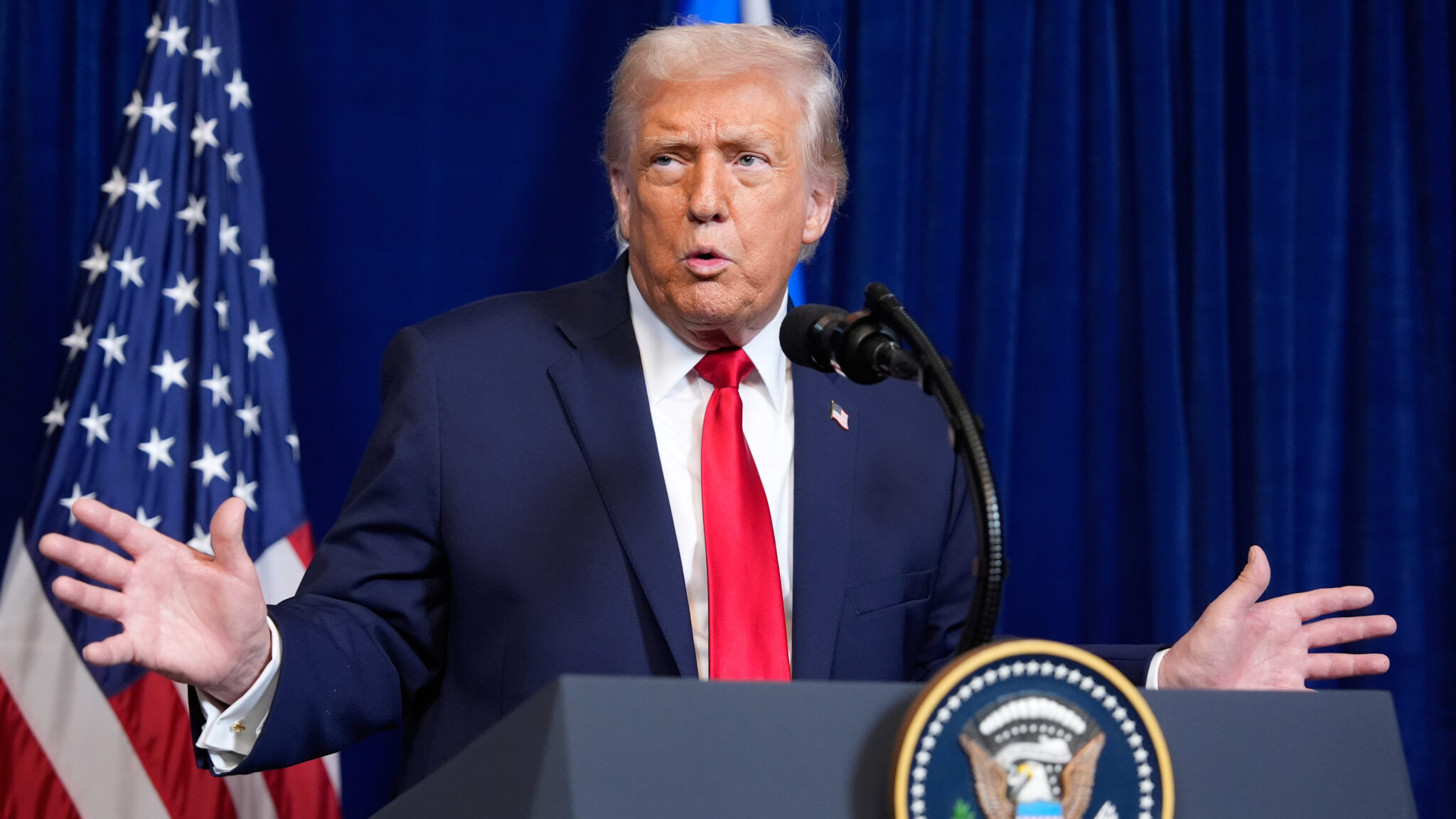
WASHINGTON — President Donald Trump has announced that he is pausing his push to federalize National Guard troops in Chicago, Los Angeles and Portland, Oregon, after repeated legal setbacks blocked the deployments.
In a social media post, Trump said the move was temporary and hinted the effort could return “in a much different and stronger form” if crime rises again. “Only a question of time!” the president wrote.
Trump’s plan to use National Guard troops in major cities was part of a larger campaign to crack down on crime, immigration and protests — themes he has repeatedly emphasized as central to his second term. But governors typically have authority over their states’ Guard units, and Trump’s efforts to take control of those forces faced staunch opposition from state and local leaders, particularly in Democratic‑led jurisdictions.
Legal Blocks Halt Deployments
While Trump claims that Guard deployments helped reduce crime in the three cities, they were never fully implemented in Chicago and Portland because of legal challenges. In Chicago, a federal judge blocked the plan before any Guard soldiers were sent to patrol city streets. A Justice Department lawyer had previously said the Guard’s mission would focus on protecting federal property and personnel, not policing all crime in the city.
In Portland, deployment began with hundreds of Guard members from California and Oregon, but a federal judge barred them from street duty in November after a three‑day trial. Oregon Gov. Tina Kotek said Wednesday that her office had yet to receive formal word that remaining federalized troops were being sent home.
“They were never lawfully deployed to Portland, and there was no need for their presence,” Kotek said. “If President Trump has finally chosen to follow court orders and demobilize our troops, that’s a big win for Oregonians and for the rule of law.”
In Chicago, officials noted that the city recorded 416 homicides in 2025 — the fewest since 2014 — and credited local police and public safety initiatives for the decline.
Supreme Court Refuses Guard Deployment
The Supreme Court dealt another blow to Trump’s plans in December when it refused to allow the administration to deploy Guard forces around Chicago. The order wasn’t a final ruling on the merits of the case, but it represented a rare setback at the high court for the president’s effort to federalize state troops.
Illinois Gov. JB Pritzker celebrated the development on social media, saying Trump “lost in court when Illinois stood up against his attempt to militarize American cities with the National Guard.”
Los Angeles Guard Withdrawal
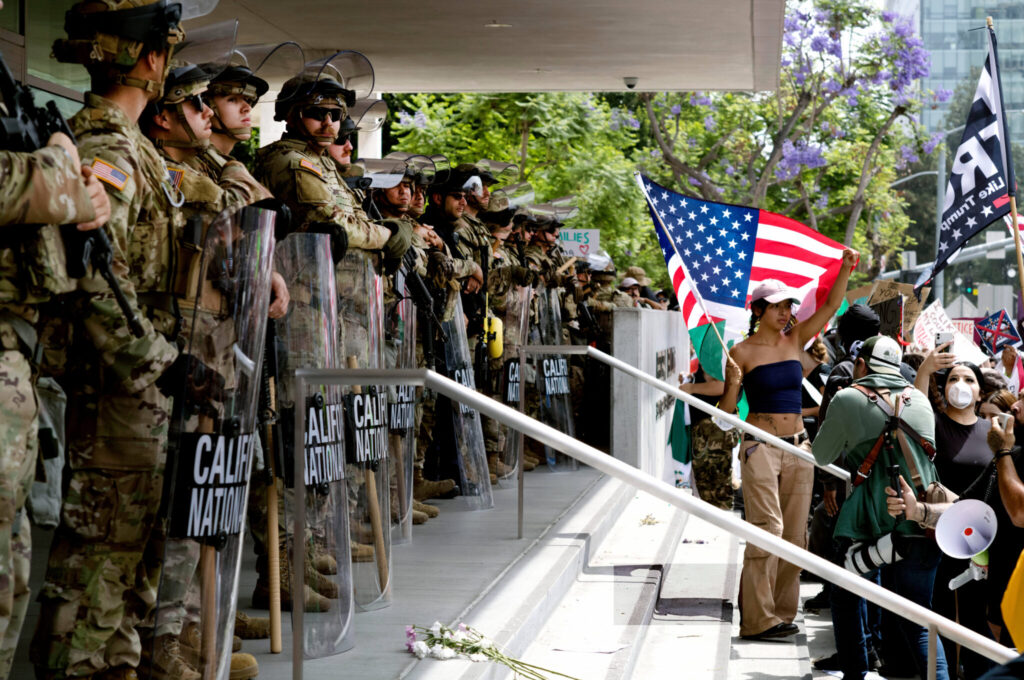
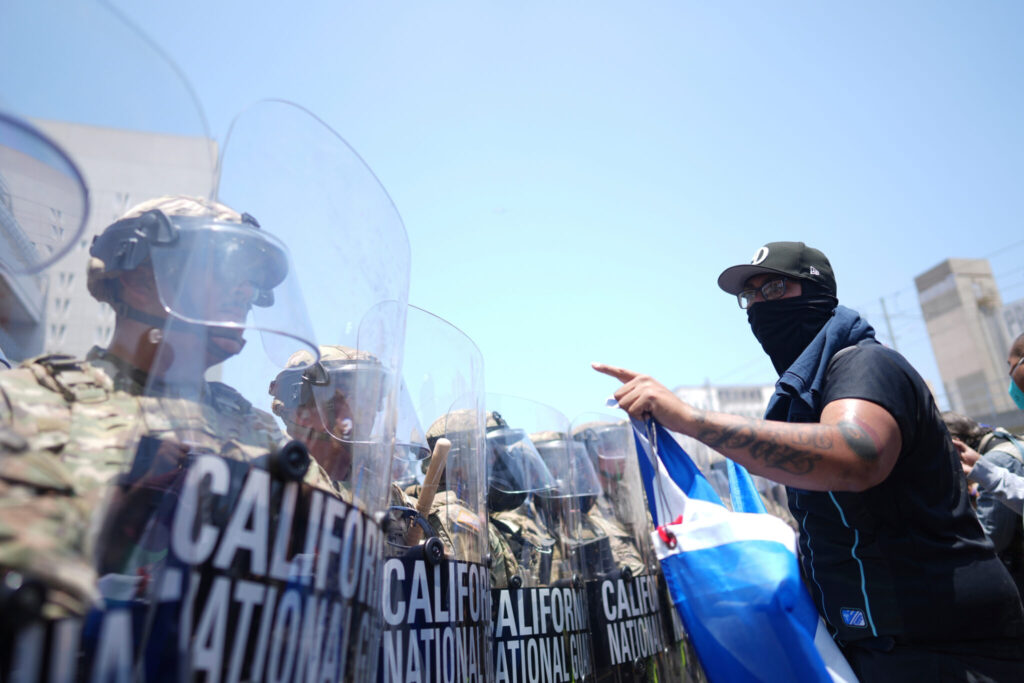
Los Angeles had seen Guard and active‑duty troops deployed earlier in the year after a wave of protests tied to immigration enforcement actions. Approximately 4,000 National Guard members and 700 Marines were initially sent to guard federal buildings and support law enforcement. The number of troops gradually fell as court rulings rolled back federal control, and by Dec. 15 remaining forces were removed from the streets after a lower court ordered they be returned to state command.
In a related court action Tuesday, the Trump administration said it was no longer seeking to block that portion of the ruling, and on Wednesday the U.S. Court of Appeals for the Ninth Circuit ordered the Guard returned to California Gov. Gavin Newsom.
“About time [Trump] admitted defeat,” Newsom said in a social media post. “We’ve said it from day one: the federal takeover of California’s National Guard is illegal.”
Guard Forces Remain in Other Cities
Though Trump is backing off plans in Chicago, Los Angeles and Portland, Guard troops remain deployed in several other locations.
In Washington, D.C., federalized Guard members have been in place since August after Trump declared a so‑called “crime emergency.” A lower court ordered their removal, but the U.S. Court of Appeals for the District of Columbia Circuit paused that decision, allowing the Guard to stay on duty.
In Memphis, the president ordered deployment of the Tennessee National Guard as part of a federal task force against crime. That move, which received backing from Tennessee’s Republican Gov. Bill Lee and state senators, was blocked by a local judge after Democratic officials filed suit. However, the block was stayed pending appeal, meaning the deployment continues.
In New Orleans, about 350 Guard troops sent by Trump arrived in the city’s historic French Quarter Tuesday. State and local leaders — including Louisiana’s Republican governor and New Orleans’ Democratic mayor — have expressed support for the deployment to help with public safety during the upcoming Mardi Gras celebrations.
Politics, Policing and Guard Authority
Trump’s efforts to federalize the Guard underscore ongoing tensions over law enforcement jurisdiction and the balance of power between federal and state authorities. Governors control the Guard under normal circumstances, but the president’s attempt to assert federal authority sparked legal challenges nationwide.
Critics argue that using the National Guard as a federal law enforcement tool in domestic cities is an overreach that blurs constitutional lines and undermines state sovereignty. Supporters, including the president’s allies, see the strategy as a strong‑on‑crime approach that responds to public safety concerns and bolsters federal backing for local law enforcement.
Looking Ahead
Trump’s statement that the Guard will return “in a much different and stronger form” suggests the issue could resurface politically, especially as discussions around crime, policing and public order continue during an election year.
For now, the president’s pause — following a series of rebukes from the judiciary and pushback from governors — leaves National Guard authority in key cities resting with state leadership. The fate of Guard deployments in other jurisdictions, particularly Washington and Memphis, may depend on ongoing court battles and future political maneuvers.