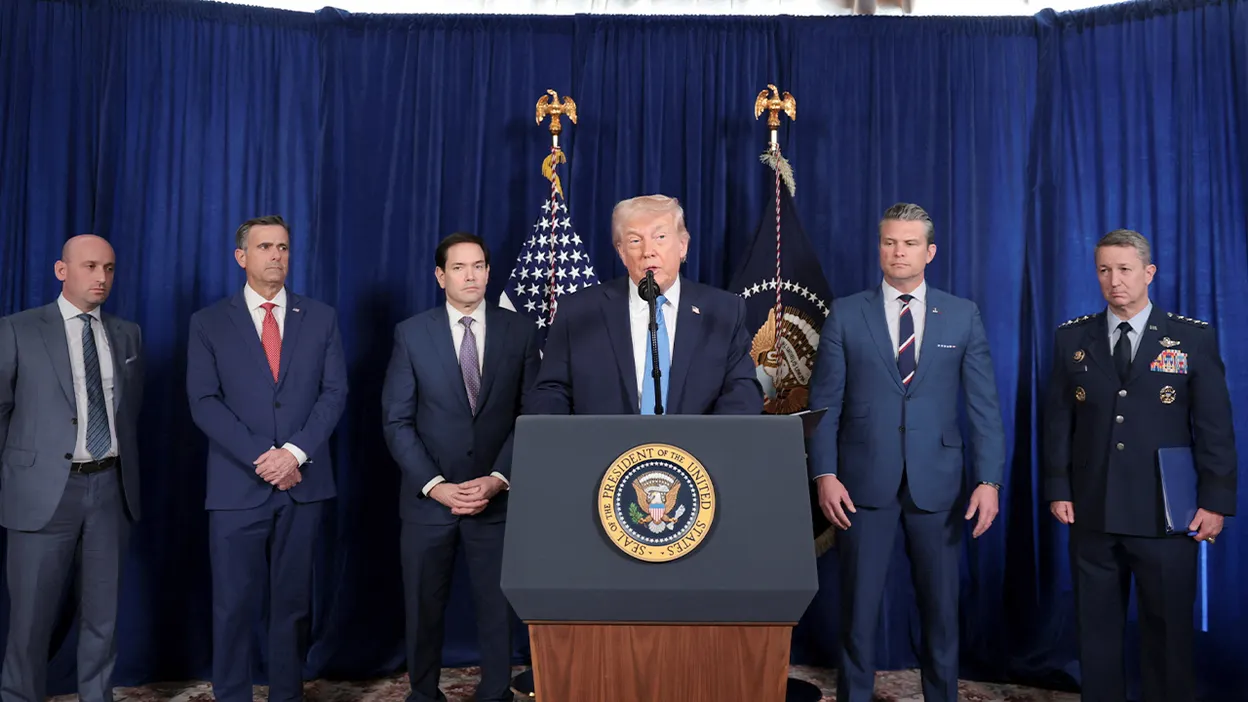
Trump Hints at Military Action in Cuba, Colombia, Mexico After Maduro Ouster/ Newslooks/ WASHINGTON/ J. Mansour/ Morning Edition/ Following Maduro’s capture, Trump warned Cuba, Mexico, and Colombia could face similar U.S. military actions. The remarks signal a broader regional strategy echoing a modern Monroe Doctrine approach. Latin American leaders condemned the Venezuela strike and warned of threats to regional stability.
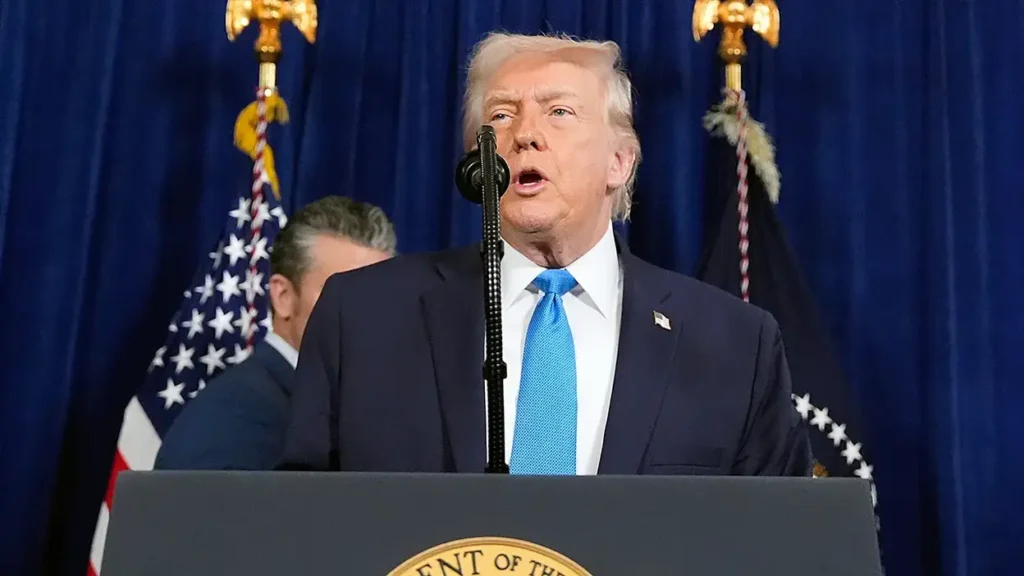
Trump Eyes More Action in Latin America – Quick Looks
- Trump hints at further U.S. military moves in Latin America
- Cuba, Mexico, and Colombia identified as possible next targets
- Comments follow Venezuela invasion and Maduro’s capture by U.S. forces
- Trump calls Cuba a “failing nation” needing intervention
- Says Mexico is run by cartels, not its president
- Threatens Colombia’s President Petro over cocaine production claims
- Latin American leaders strongly condemn U.S. military action
- U.S. lawmakers raise concerns over lack of congressional approval
Deep Look
After Maduro’s Capture, Trump Warns Cuba, Mexico, and Colombia Could Be Next
Just hours after announcing the capture of Venezuelan President Nicolás Maduro, U.S. President Donald Trump issued a series of escalating remarks targeting neighboring countries in Latin America — signaling that Cuba, Mexico, and Colombia may face similar military action if their governments don’t align with U.S. interests.
In interviews and public appearances following the Venezuela operation, Trump emphasized a renewed American interventionist stance, echoing a 21st-century version of the Monroe Doctrine. He made clear that his administration sees Venezuela’s fate as a warning to other regional governments the U.S. views as unstable or hostile.
“I think Cuba is going to be something we’ll end up talking about,” Trump said when asked about the Caribbean nation. “Cuba is a failing nation right now… we want to help the people.” He added that the U.S. seeks to assist not just Cubans still in Cuba, but also Cuban exiles living in the U.S. — a clear nod to Cuban-American communities in Florida.
Secretary of State Marco Rubio, whose family fled Cuba, added a sharper warning: “If I lived in Havana, and if I was in the government, I’d be concerned, at least.” The Cuban government has not responded publicly to the comments.
Trump also lashed out at Colombian President Gustavo Petro, whom he previously accused of protecting cocaine operations. On Saturday, he repeated that accusation, stating: “He’s making cocaine. They’re sending it into the United States. So he does have to watch his ass.”
Petro, an ally of Maduro, responded strongly, accusing Trump of violating international norms.
On the platform X, Petro reiterated that “peace, international law, and the protection of life must prevail over armed confrontation.” He also claimed that at least one U.S. strike near the Venezuelan coast endangered civilians.
Mexico Not Spared from Threats
Trump turned his attention to Mexico, declaring in a Fox & Friends interview that “something’s going to have to be done” about the country. He painted Mexican President Claudia Sheinbaum as ineffective, claiming “drug cartels are running Mexico” and that Sheinbaum is afraid to confront them.
According to Trump, he offered U.S. military help to target the cartels, but Sheinbaum declined.
“We could be politically correct and say she’s in control — but she’s not. They’re running Mexico,” he said, suggesting the U.S. may take matters into its own hands.
Regional Backlash Intensifies
In a coordinated response, leaders from Cuba, Colombia, and Mexico condemned the U.S. military strike in Venezuela, warning that it jeopardized peace across Latin America and the Caribbean.
Mexico’s Ministry of Foreign Affairs issued a statement calling Latin America “a zone of peace”, adding that any foreign military action threatens “regional stability and mutual respect.”
During a rally, Cuban President Miguel Díaz-Canel condemned the operation as “cowardly, criminal, and treacherous,” and insisted that the Venezuelan people had been unjustly targeted.
U.S. Political Response and Oversight Pressure
Trump’s sweeping remarks and the lack of congressional authorization for the Venezuela operation have ignited strong reactions in Washington.
Senator Tim Kaine (D-Va.) announced that he will push for a vote requiring any further military operations in Latin America to be approved by Congress.
“We must not allow unchecked military actions that risk destabilizing an entire region,” Kaine said.
Senate Minority Leader Chuck Schumer (D-N.Y.) demanded the Trump administration immediately brief Congress.
“This operation raises serious humanitarian and geopolitical concerns,” Schumer said. “We need clarity on the goals and next steps before the U.S. becomes entangled in further military confrontations.”
Although many Republicans remain supportive of Trump’s hardline stance, the threat of broader military campaigns in Latin America has left even some GOP lawmakers wary.
As tensions rise, questions continue to swirl about what Trump’s broader strategy is, and whether his words will translate into a new era of American military involvement across the Western Hemisphere.