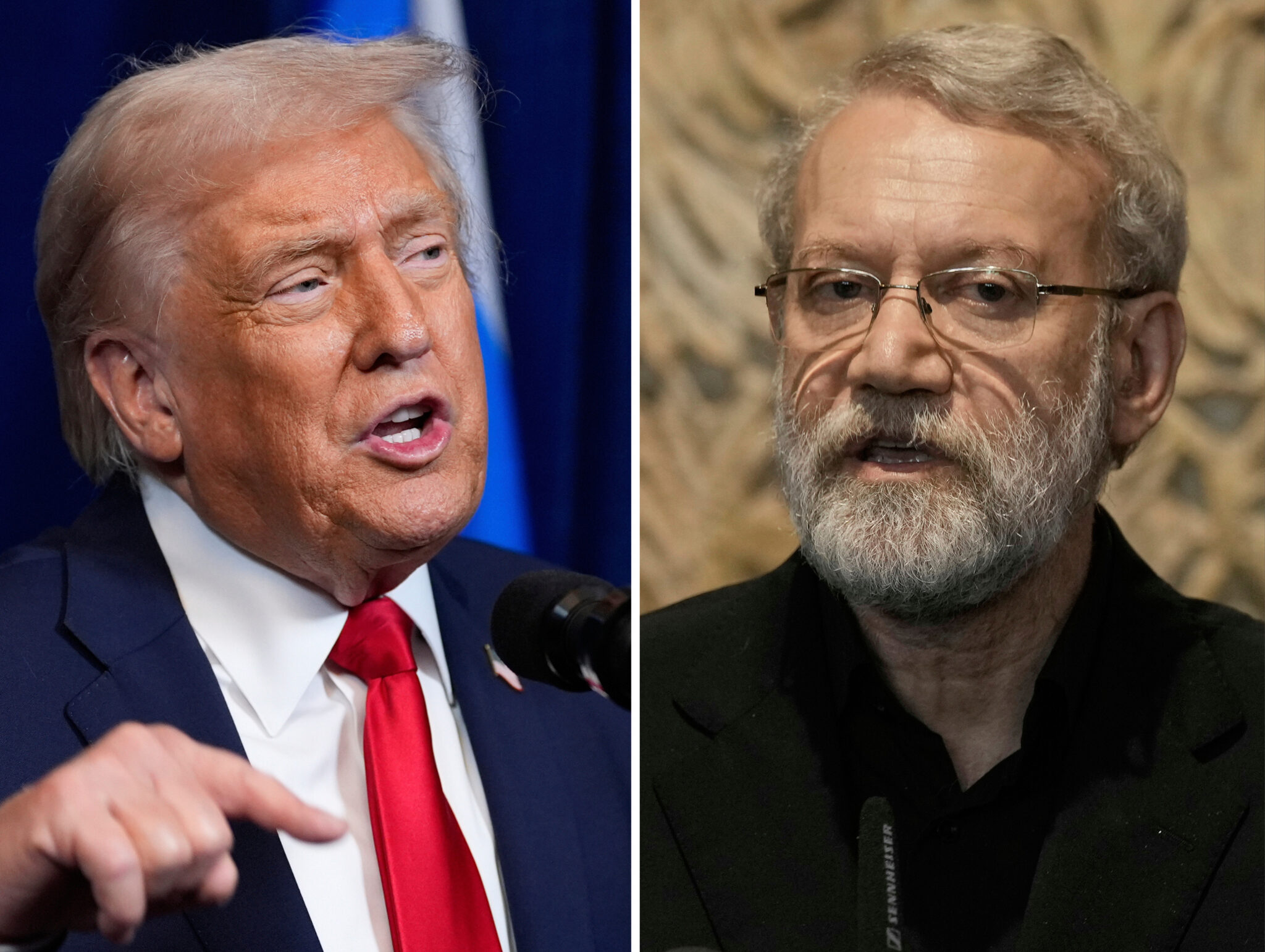
Trump, Iran Officials Trade Threats Amid Protests/ Newslooks/ WASHINGTON/ J. Mansour/ Morning Edition/ Donald Trump and top Iranian officials exchanged escalating threats amid sweeping protests across Iran. The unrest follows a dramatic currency collapse and tensions after U.S. strikes on nuclear sites. Iran warns the U.S. against intervention as demonstrations challenge the Islamic Republic’s stability.
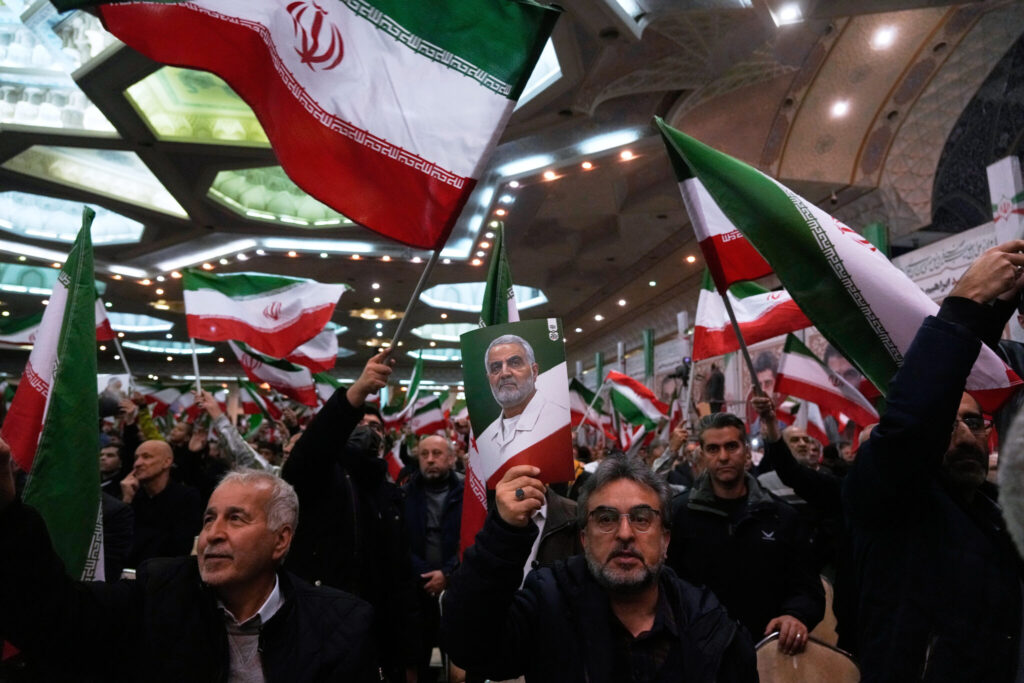
Iran Protests Threaten Stability: Quick Looks
- Donald Trump warns U.S. may intervene if Iran cracks down violently on protesters
- Senior Iranian officials accuse U.S. and Israel of inciting unrest without evidence
- Ali Larijani warns U.S. actions could trigger regional chaos and harm American troops
- Protests linked to the plunging Iranian rial and government inaction
- At least seven killed amid six days of demonstrations
- Iran’s leaders dismiss American “rescue” as disastrous, citing Iraq and Afghanistan
- No nuclear enrichment ongoing, but no progress on diplomacy either

Trump, Iran Officials Trade Threats Amid Protests
Deep Look
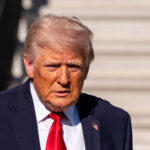
Tensions between the United States and Iran intensified Friday as widespread economic protests continued to grip multiple cities within the Islamic Republic. President Donald Trump and high-ranking Iranian officials traded combative messages, further straining already-hostile relations in the wake of a June U.S. airstrike campaign that targeted Iranian nuclear facilities.
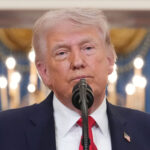
In a post shared via his Truth Social platform, Trump issued a direct warning to Iran, stating the United States “will come to [protesters’] rescue” if Tehran resorts to violence against peaceful demonstrators. The protest movement, largely driven by the collapse of Iran’s national currency, the rial, has already resulted in at least seven deaths, fueling national unrest.
“We are locked and loaded and ready to go,” Trump declared, although he stopped short of outlining specific military or political actions.
In response, Ali Larijani, former speaker of Iran’s parliament and current secretary of the Supreme National Security Council, took to the social media platform X to denounce the United States and Israel. He accused both countries of fomenting the demonstrations inside Iran. Although he provided no direct evidence, this claim aligns with a pattern of similar allegations made by Iranian officials during previous waves of domestic dissent.
“Trump should know that intervention by the U.S. in the domestic problem corresponds to chaos in the entire region and the destruction of the U.S. interests,” Larijani warned. He also cautioned the American public, suggesting they should be concerned about their soldiers’ safety given Trump’s aggressive stance.
Larijani’s statement references the extensive American military presence in the region. In June, following a 12-day conflict between Israel and Iran, Tehran launched a retaliatory missile strike on Al Udeid Air Base in Qatar, targeting the same base from which U.S. bombers had reportedly departed to strike three Iranian nuclear sites.
Ali Shamkhani, a senior adviser to Supreme Leader Ayatollah Ali Khamenei and former security council secretary, added further fuel to the exchange. “Any interventionist hand that gets too close to the security of Iran will be cut,” he stated, reinforcing Tehran’s hardline posture. He dismissed Trump’s threats, pointing to past American military interventions.
“The people of Iran properly know the experience of ‘being rescued’ by Americans: from Iraq and Afghanistan to Gaza,” Shamkhani said.
Now in their sixth consecutive day, the demonstrations are the largest seen in Iran since 2022, when the death of Mahsa Amini while in police custody ignited a nationwide outcry. Although current protests are more localized and not yet as widespread as the 2022 uprising, the dissent is resonating deeply with Iranians frustrated by worsening economic conditions and the collapsing value of the rial. The currency has fallen to roughly 1.4 million rials to the U.S. dollar, intensifying public frustration.
Iran’s newly elected reformist President, Masoud Pezeshkian, has attempted to signal openness to dialogue with protesters. Yet, he acknowledges that his administration has limited authority in key areas of governance, particularly economic and foreign policy matters largely controlled by Iran’s clerical establishment.
Demonstrators, originally focused on economic grievances, have expanded their slogans to criticize Iran’s theocratic leadership. The government, while publicly minimizing the scale of the protests, is increasingly concerned about their longevity and intensity.
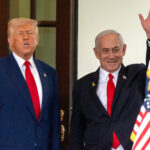
In a move seen as an attempt to encourage Western engagement, Iran recently halted uranium enrichment at all declared nuclear sites. This gesture, made months after its conflict with Israel, was intended to signal Tehran’s willingness to return to negotiations over its nuclear program and ease sanctions. Despite this, neither the U.S. nor its allies have resumed direct talks, with Trump and Israeli Prime Minister Benjamin Netanyahu continuing to warn Iran against reviving any elements of its atomic weapons potential.
As the protests grow and rhetoric hardens, the risk of escalation between Iran and the United States remains high. The confluence of economic instability, regional power struggles, and nuclear tensions sets the stage for an increasingly volatile year ahead.