

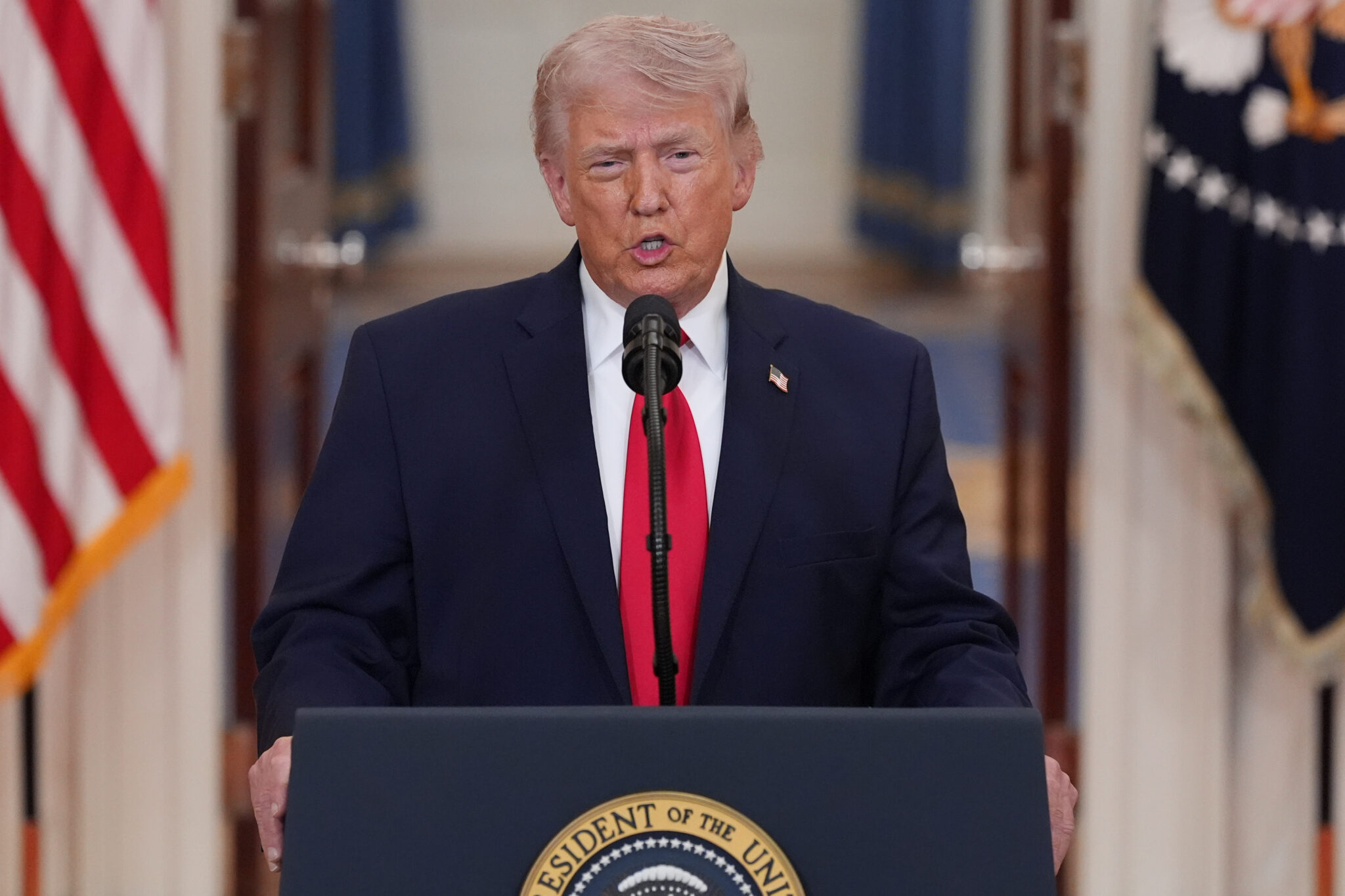
Trump Iran War Address Raises Questions About Strategy, Timeline/ Newslooks/ WASHINGTON/ J. Mansour/ Morning Edition/ President Donald Trump addressed the nation about the ongoing Iran conflict but provided few details about strategy or an end date. The president emphasized national security concerns while avoiding discussion of diplomacy or congressional approval. Economic concerns, troop deployments, and political backlash continue to grow as the conflict expands.
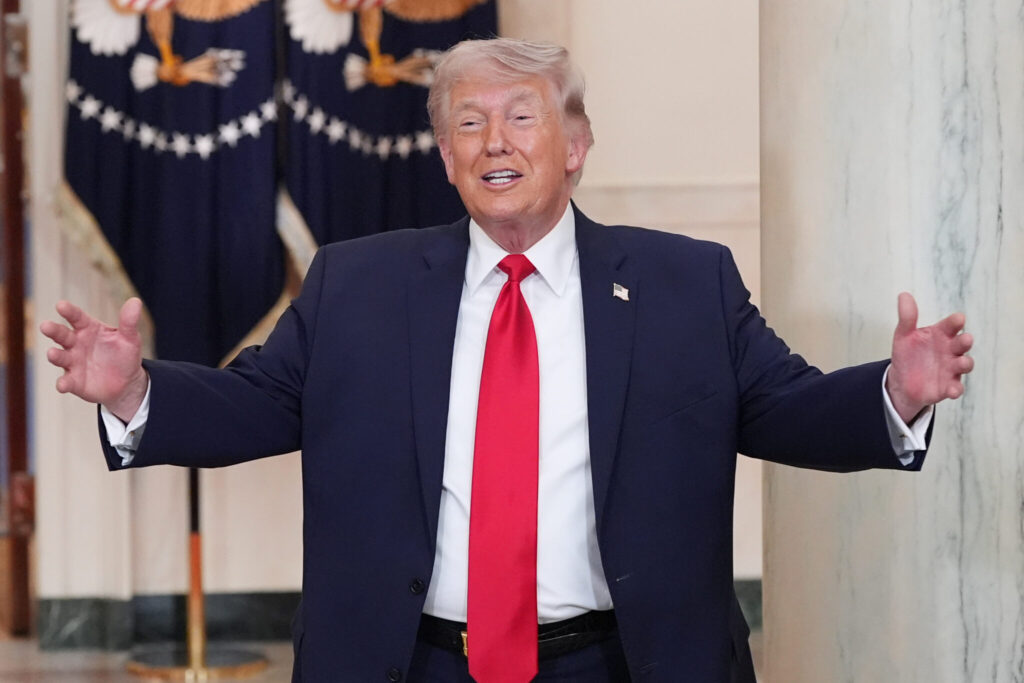
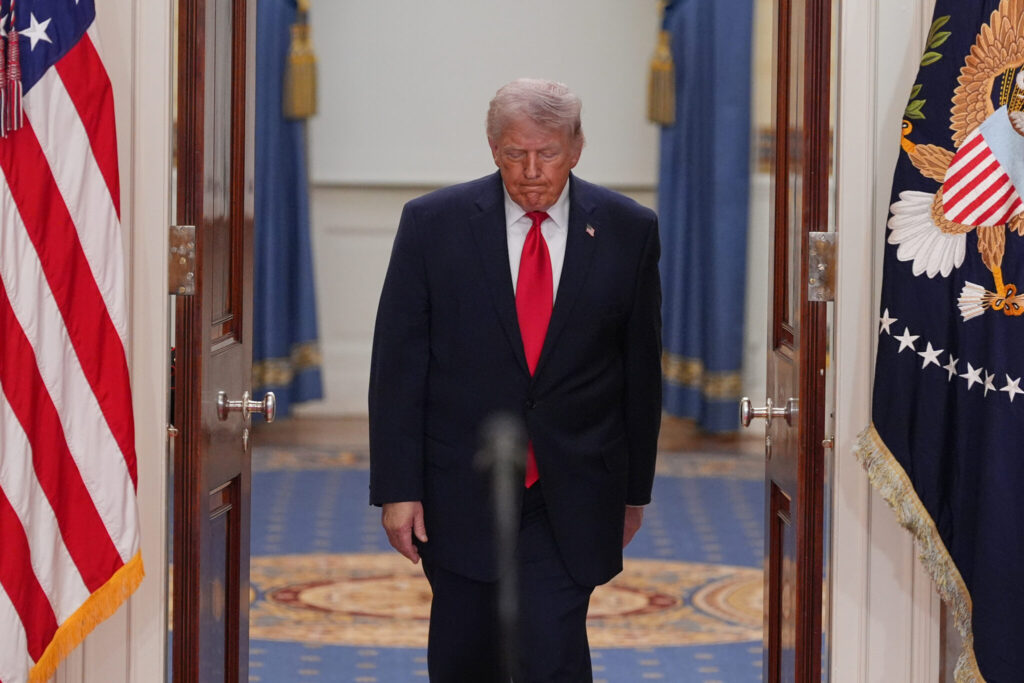
Trump Iran War Address Quick Looks
- Trump gave first White House address on Iran war
- No clear end date for military conflict
- Thousands of additional U.S. troops heading to Middle East
- No mention of diplomacy or ceasefire negotiations
- Oil prices rise following military escalation
- Trump avoids criticism of NATO allies
- Political backlash growing among Trump’s supporters
- Economic concerns increase over gas prices and markets
- War nearing 60-day War Powers Act deadline
- Trump claims U.S. nearing “core strategic objectives”
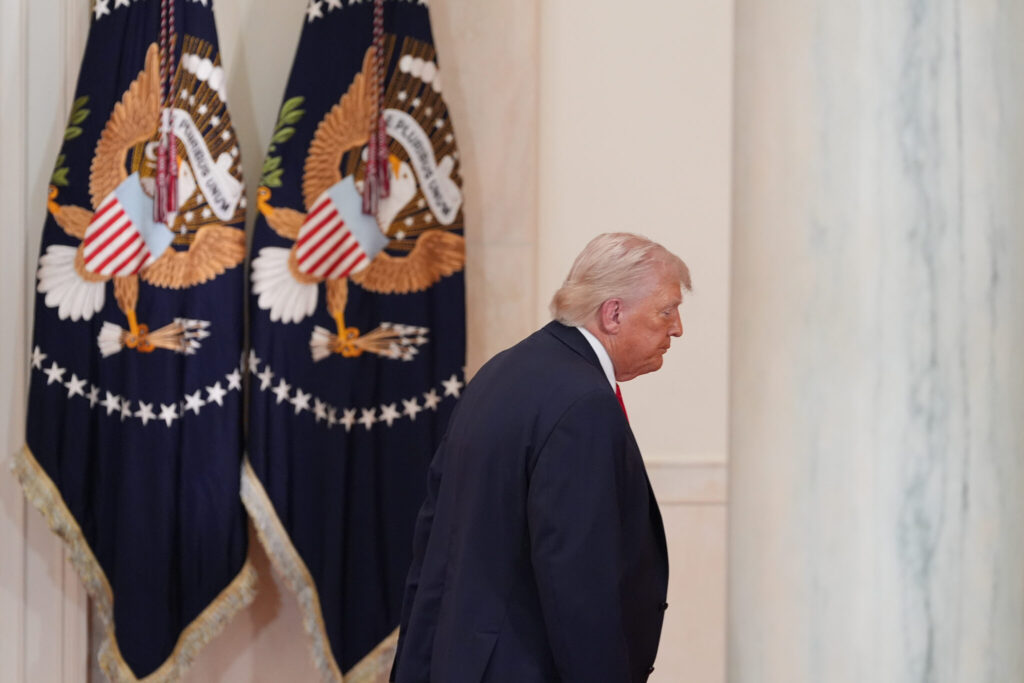
Deep Look: Trump Iran War Address Raises Strategy, Timeline Questions
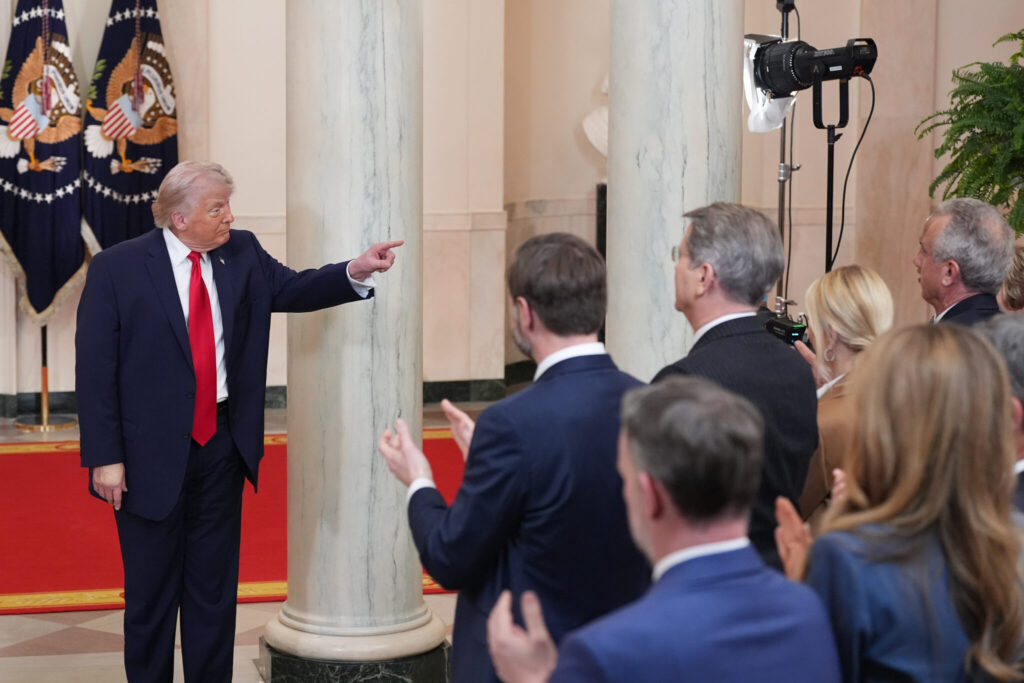
WASHINGTON — President Donald Trump delivered a primetime address Wednesday night defending the ongoing U.S. military campaign against Iran, but the speech left significant questions unanswered regarding strategy, objectives, and the potential timeline for ending the conflict.
The address marked a pivotal moment in Trump’s second term, as the Iran conflict increasingly becomes a defining issue of his presidency. While Trump sought to justify what he calls “Operation Epic Fury,” he offered limited new details on military goals, diplomatic efforts, or how long American forces may remain engaged in the region.
Trump’s speech followed an extraordinary day that underscored his expanding executive authority. Earlier, Trump became the first sitting president to attend a U.S. Supreme Court hearing in person — a move widely seen as an unusual assertion of executive influence over another branch of government. He later returned to the White House to deliver his first formal address about the war he initiated without congressional approval.
During his remarks, Trump briefly acknowledged the historic Artemis II launch returning NASA astronauts toward the moon. However, he quickly redirected attention to the Iran conflict, which has already resulted in the deaths of more than a dozen U.S. service members.
“America is winning — and now winning bigger than ever before,” Trump said. He also pledged to “finish the job very fast,” though he did not define what victory would look like.
Limited Details on Military Strategy
Trump emphasized that preventing Iran from acquiring nuclear weapons remains the central justification for military action. He described a nuclear-armed Iran as an “intolerable threat” and warned of Tehran’s ballistic missile capabilities.
However, Trump did not explain how current operations would eliminate Iran’s nuclear ambitions. Previously, U.S. and Israeli officials claimed last summer’s strikes had “obliterated” Iran’s nuclear program. Despite those assertions, Trump acknowledged ongoing monitoring of Iranian sites through satellite surveillance.
“If we see them make a move, even a move for it, we’ll hit them very hard,” Trump said, referring to Iranian nuclear activity.
Iran has long maintained its nuclear program is peaceful, though international observers have noted Tehran enriched uranium up to 60% purity — just below weapons-grade levels. Prior U.S. intelligence assessments suggested Iran had not begun building a nuclear weapon but had taken steps that could allow it to develop one quickly if it chose to do so.
Troop Deployments and Escalation Concerns
Trump confirmed thousands of additional U.S. troops are heading to the Middle East, further escalating tensions. Gulf allies have reportedly urged the U.S. to continue operations, arguing Iran has not been sufficiently weakened.
Despite these developments, Trump did not signal plans for a ground invasion or efforts to secure Iran’s enriched uranium stockpiles. He also did not outline specific plans to protect the Strait of Hormuz, a critical global oil route where tensions have already driven energy prices higher.
Trump said U.S. forces would strike Iran “extremely hard over the next two to three weeks,” though he previously suggested the conflict might conclude within two weeks. Markets reacted quickly, with oil prices rising following his remarks.
War Powers Deadline Approaches
The president is approaching the 60-day deadline under the War Powers Act, which requires congressional approval for continued military operations. Trump did not address whether he would seek authorization from Congress.
He also avoided discussing diplomatic efforts or ceasefire negotiations. Earlier claims by Trump suggesting talks with Iran were underway were notably absent from his speech. Iranian officials have denied any negotiations.
Softer Tone Toward Allies
Trump took a noticeably softer tone toward NATO allies compared to earlier in the week, when he criticized partners for not participating in the conflict and even threatened U.S. withdrawal from NATO.
Instead, Trump urged countries dependent on oil shipments through the Strait of Hormuz to take responsibility for securing the region after the war.
“The countries of the world that receive oil through the Hormuz Strait must take care of that passage,” Trump said, without naming specific allies.
Political and Economic Concerns at Home
Trump acknowledged growing domestic concerns about rising gas prices and economic volatility. He described the increase as temporary and framed the war as a long-term investment in national security.
“This is a true investment for your children and your grandchildren’s future,” Trump said.
However, financial markets have fluctuated sharply in response to the conflict, and Americans are facing higher fuel costs and economic uncertainty. Trump did not announce any new policies aimed at addressing economic concerns.
The president, who campaigned on an “America First” platform promising to avoid prolonged foreign conflicts, now faces pushback from some of his own supporters. Critics argue the Iran war risks becoming another long-term military engagement similar to past conflicts in Korea and Vietnam — comparisons Trump referenced while defending the operation.
Despite these concerns, Trump maintained the United States would ultimately benefit from the campaign and reiterated his commitment to completing military objectives.
As the conflict intensifies and congressional deadlines approach, questions remain about how the administration plans to conclude the operation — and what the long-term consequences may be for U.S. foreign policy, global energy markets, and domestic politics.



You must Register or Login to post a comment.