

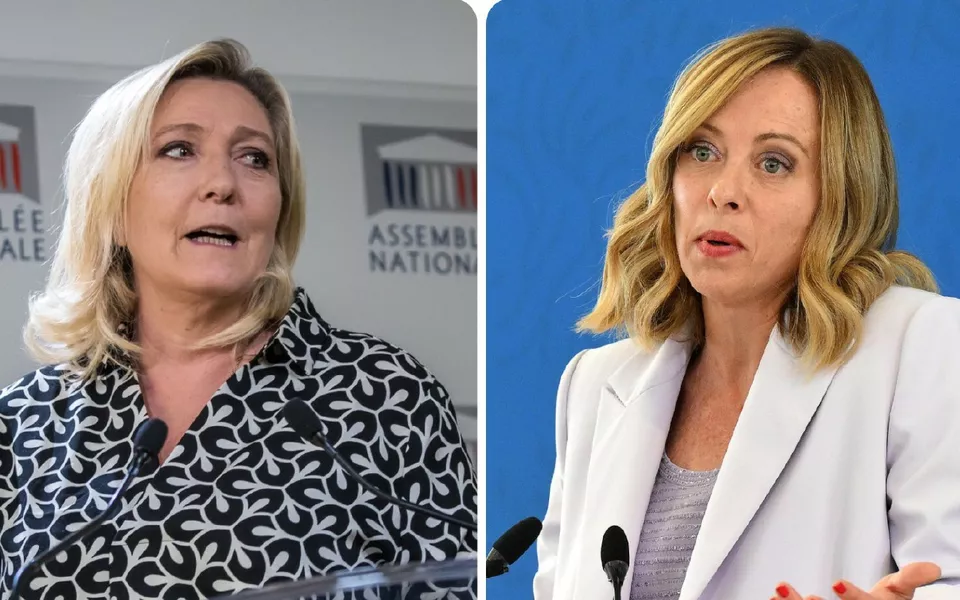
Trump Iran War Widens Rift with European Nationalists Once Viewed as MAGA Allies/ Newslooks/ WASHINGTON/ J. Mansour/ Morning Edition/ President Donald Trump’s Iran conflict is straining relationships with European nationalist leaders once aligned with MAGA politics. Several far-right leaders in Europe have criticized Trump’s military approach and policy decisions. The growing divide could reshape global conservative alliances and upcoming European elections.
Trump Iran War Europe Quick Looks
- European nationalists criticize Trump’s Iran war
- Italy denies U.S. use of air base
- France and Germany far-right leaders voice concerns
- Vice President JD Vance backs Hungary’s Viktor Orbán
- Trump tensions also fueled by Greenland dispute
- European backlash threatens MAGA-style global alliance
- Hungary election becomes test for Trump influence
- Analysts warn Trump endorsement now “mixed blessing”
- European far-right movements gaining independence
Deep Look: Trump Iran War Widens Rift With European Nationalists
BUDAPEST, Hungary — President Donald Trump’s military conflict with Iran is creating new tensions with European nationalist leaders who were once considered natural allies of the MAGA movement, signaling potential cracks in a global right-wing coalition.
When Trump returned to the White House last year, he sought to rebuild relationships with conservative and far-right leaders across Europe. But the Iran conflict has sparked criticism from many of those same political figures, weakening ties that once appeared central to Trump’s international strategy.
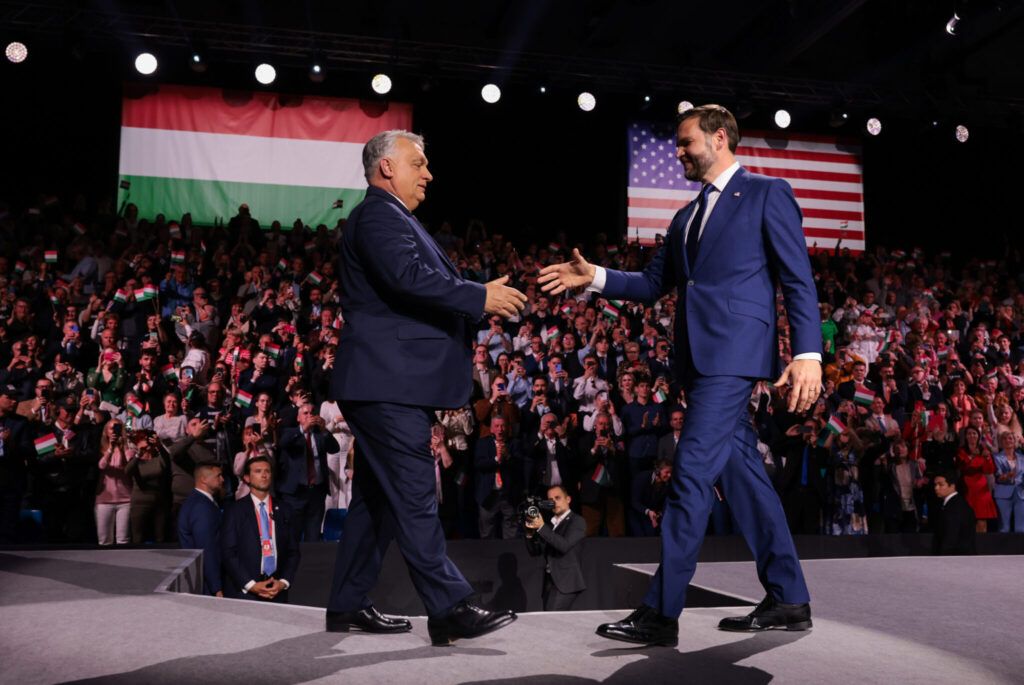
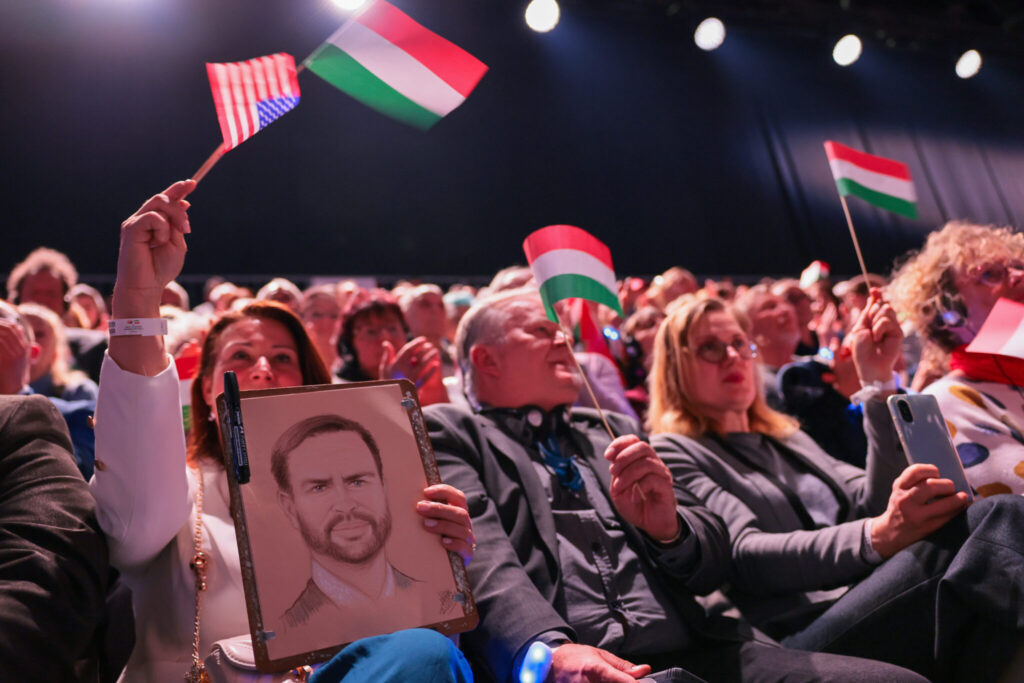
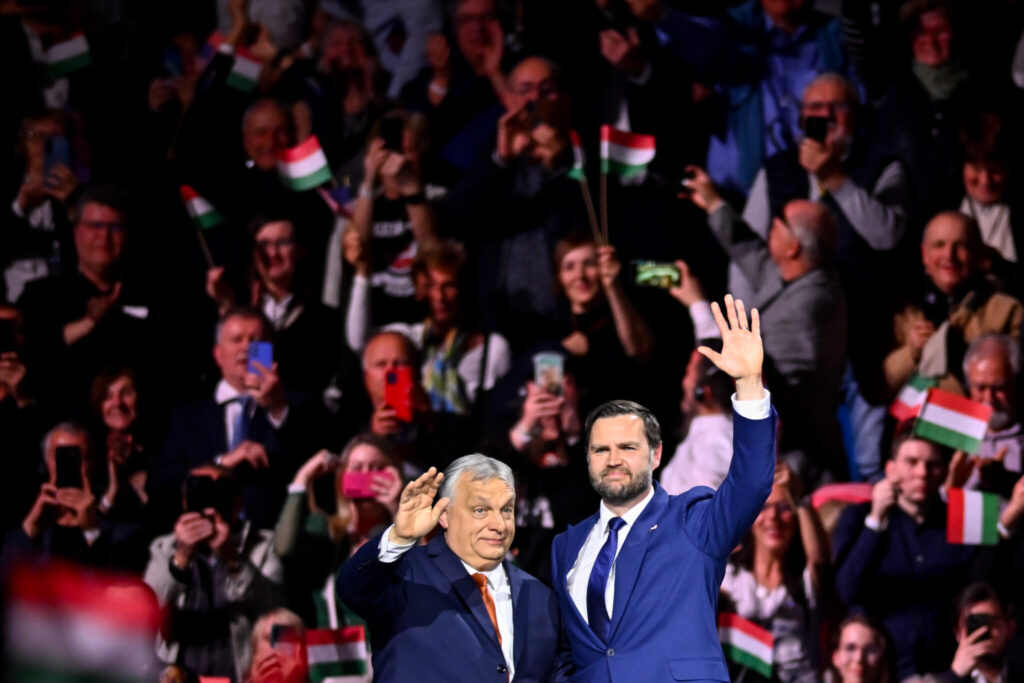
Vice President JD Vance traveled to Hungary this week to campaign alongside Prime Minister Viktor Orbán, one of Trump’s closest ideological allies in Europe. However, such public support has become increasingly rare as other nationalist leaders distance themselves from Trump’s actions.
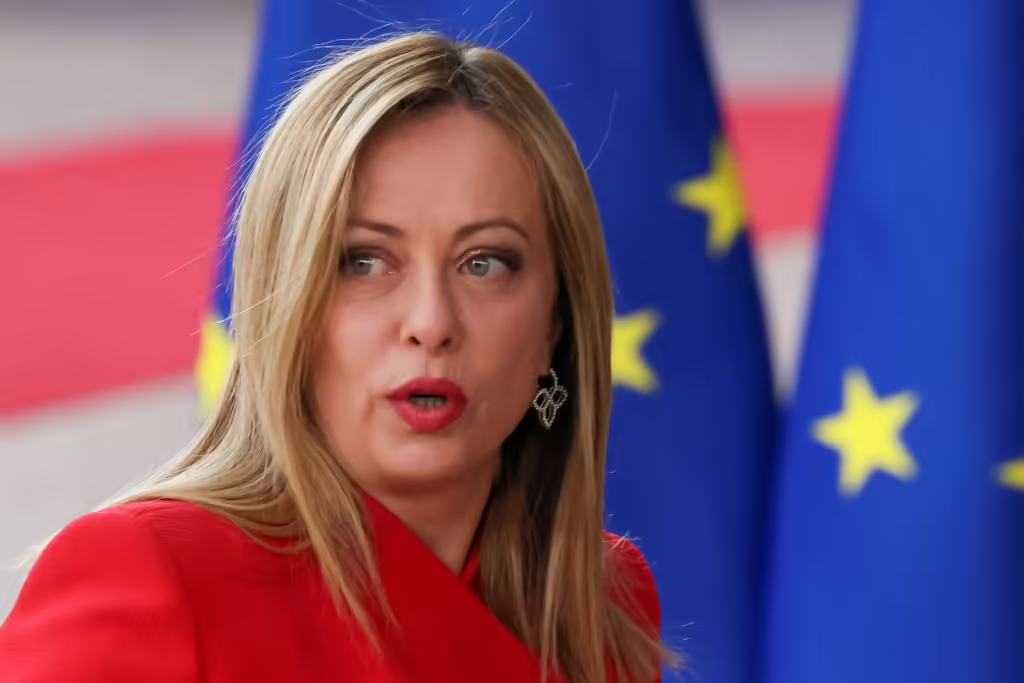
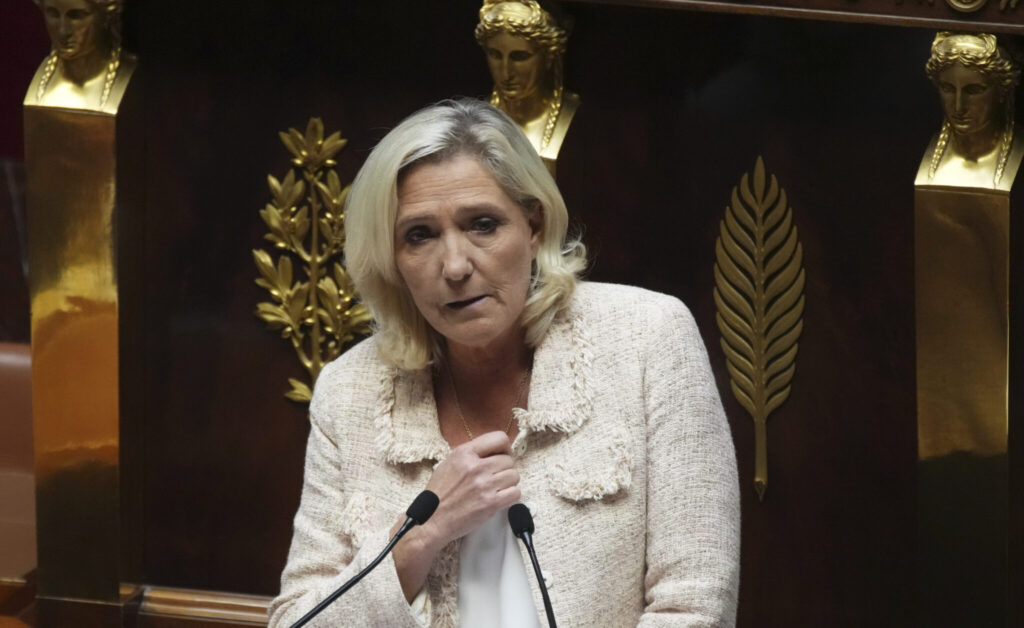
Italian Prime Minister Giorgia Meloni reportedly refused to allow the United States to use an air base in Sicily for attacks against Iran. Meanwhile, Marine Le Pen, leader of France’s National Rally, criticized Trump’s objectives as “erratic.” Germany’s Alternative for Germany party also joined the criticism, with its leadership calling for American troops to withdraw from German bases.
These responses illustrate how Trump’s military strategy is complicating relationships with political movements that once looked to the United States for ideological alignment.
The tensions come despite a fragile ceasefire between the United States and Iran. Trump’s continued support for Orbán may still influence Hungary’s election, though analysts warn that association with Trump now carries risks.
Charles Kupchan, a Georgetown University professor and Council on Foreign Relations fellow, described Trump’s endorsement as increasingly complicated.
“Getting a blessing from Donald Trump is now a mixed blessing,” Kupchan said.
The Iran conflict adds to earlier disputes between Trump and European allies. Earlier this year, Trump angered European leaders by suggesting that Denmark should transfer control of Greenland to the United States — a proposal that sparked widespread criticism.
Trump recently revived the issue, complaining on social media that NATO allies had not provided enough support during the Iran conflict. He referenced Greenland again while criticizing the alliance.
Analysts say the combination of disputes is weakening Trump’s effort to build a global nationalist coalition.
Daniel Baer, a former U.S. ambassador and Carnegie Endowment for Peace official, said building an international alliance based on nationalist politics is inherently difficult.
“Building some sort of international coalition around national chauvinism is very difficult,” Baer said, noting that public opinion in Europe appears increasingly critical of Trump.
Despite the broader backlash, Orbán has remained cautious about criticizing Trump. In recent comments, the Hungarian leader suggested it was too early to judge whether the Iran conflict would lead to peace or further escalation.
Orbán’s measured approach reflects both ideological alignment and political strategy. For years, he has promoted his close relationship with Trump — along with ties to leaders such as Russian President Vladimir Putin — as evidence of Hungary’s global influence.
Orbán has also used Trump’s praise to strengthen his position domestically, presenting the alliance as beneficial for Hungary’s security and prosperity.
Vice President Vance’s visit to Hungary further highlighted the close ties. During his trip, Vance criticized European Union officials for what he called interference in Hungary’s election and praised a university supported by Orbán’s government.
The Trump administration’s focus on universities mirrors policies Orbán has pursued in Hungary, where his government has sought to reshape higher education institutions.
However, analysts warn that Vance’s visit could backfire politically.
Mario Bikarsku, a Europe analyst at risk intelligence firm Verisk Maplecroft, suggested that overt U.S. involvement could harm Orbán’s popularity.
Meanwhile, experts say many European nationalist movements have grown independently of Trump and may not feel compelled to align with his agenda.
Kupchan noted that parties such as Reform UK, Germany’s Alternative for Germany, and France’s National Rally are gaining support primarily due to domestic issues rather than American influence.
Another factor complicating Orbán’s situation is political fatigue. After 16 years in power, Orbán faces growing opposition at home.
Kupchan noted a broader trend affecting incumbents worldwide.
“We’re living in an age where being an incumbent sucks,” he said.
As the Iran conflict continues to shape global politics, Trump’s relationships with European nationalist leaders appear increasingly uncertain. The outcome of Hungary’s election — and responses from other European movements — may determine whether Trump can maintain influence within the global right-wing political landscape.




You must Register or Login to post a comment.