

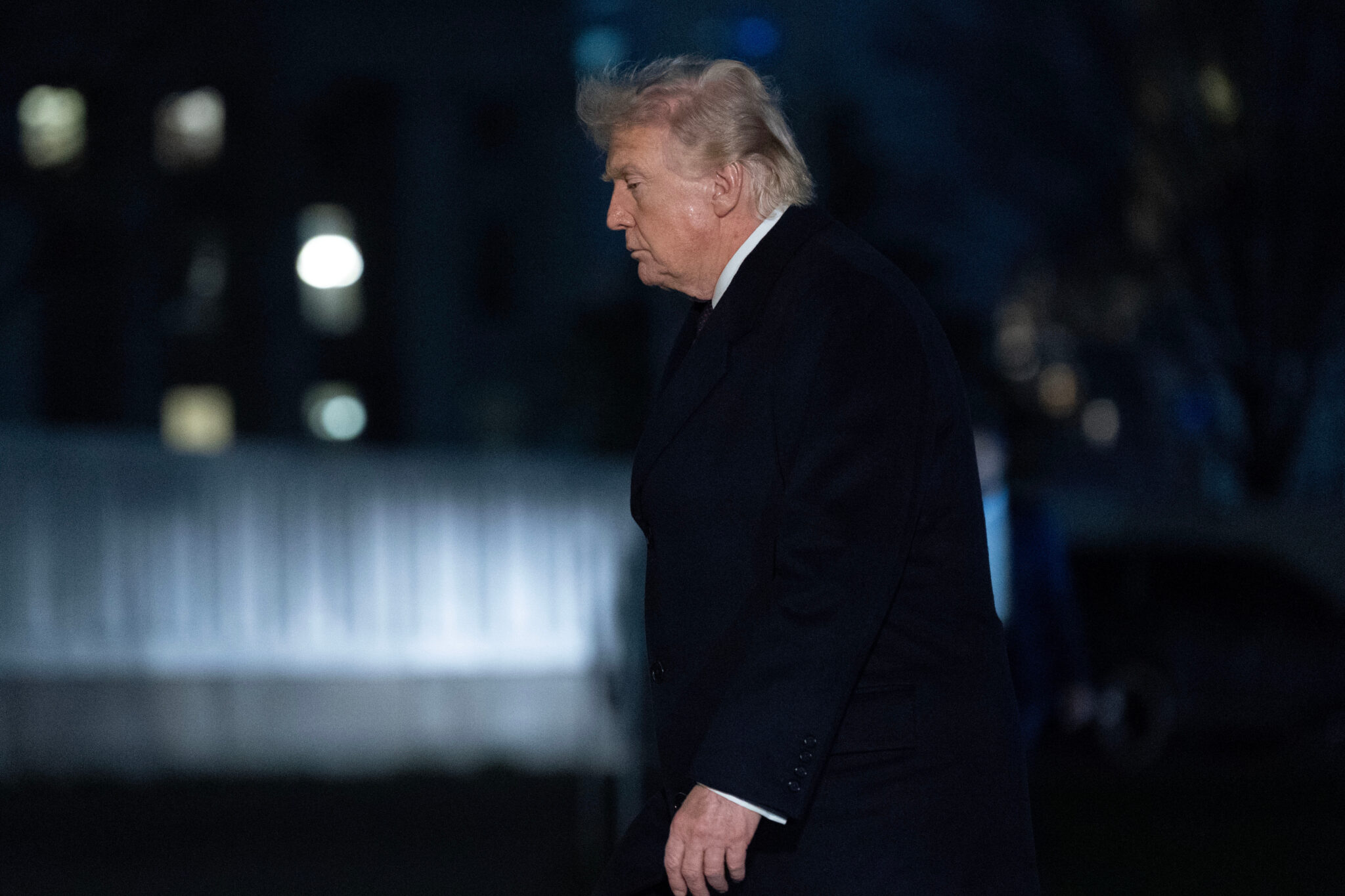
Trump May Delay China Trip, Bessent Says It’s Not to Pressure on Strait of Hormuz/ Newslooks/ WASHINGTON/ J. Mansour/ Morning Edition/ President Donald Trump may postpone a planned trip to China as the war involving Iran escalates. Treasury Secretary Scott Bessent said any delay would be logistical, not pressure over the Strait of Hormuz. Rising oil prices and global tensions have intensified diplomatic and economic concerns.
Trump China Trip Delay Iran War Quick Looks
- Trump considering postponing China trip planned for later this month.
- White House says scheduling changes could occur due to war coordination.
- Treasury Secretary Scott Bessent denies delay is aimed at pressuring China.
- The Strait of Hormuz remains a central focus due to global oil flows.
- Trump has urged nations, including China, to help secure the strait.
- Oil prices have surged since the Iran conflict began.
- U.S. and China remain in sensitive trade negotiations.
- Officials stress maintaining stability in U.S.-China relations.
Deep Look: Trump May Delay China Trip, Bessent Says It’s Not to Pressure on Strait of Hormuz
President Donald Trump is considering postponing his upcoming diplomatic trip to China, citing the growing demands of coordinating the war involving Iran. However, U.S. officials insist the potential delay is not intended as leverage against Beijing regarding the critical Strait of Hormuz.
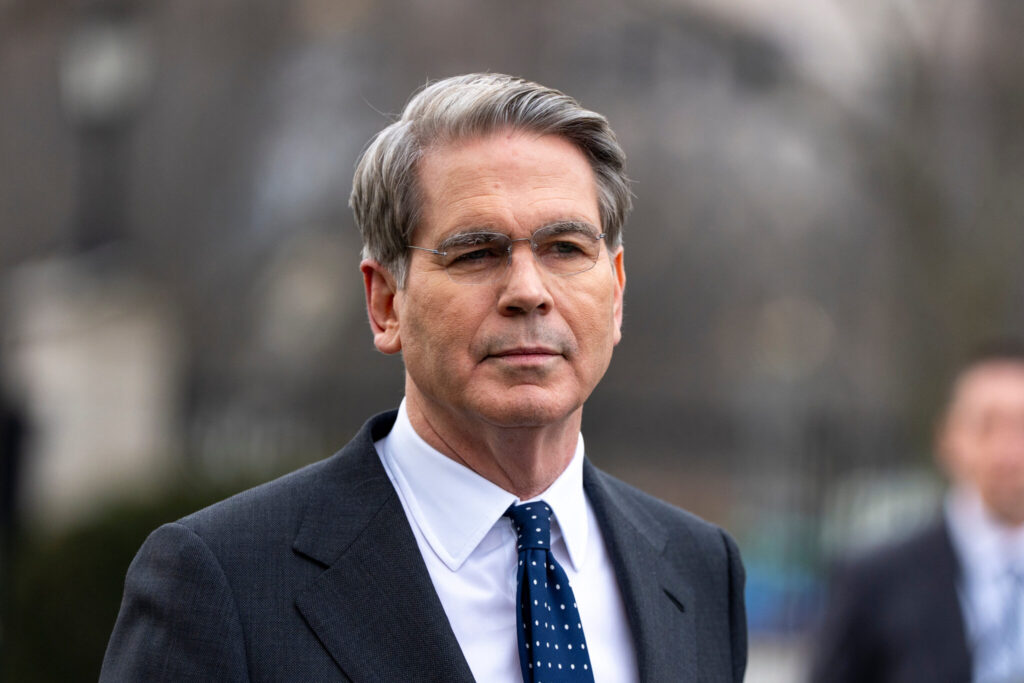
Treasury Secretary Scott Bessent clarified Monday that any change to Trump’s travel plans would stem from logistical concerns rather than diplomatic pressure.
Speaking during an interview on CNBC, Bessent said the president may need to remain in Washington to oversee military and diplomatic operations tied to the conflict.
“If the meeting for some reason was rescheduled, it would be rescheduled because of logistics,” Bessent said. “The president wants to remain in Washington to coordinate the war, and traveling abroad at a time like this may not be optimal.”
Diplomatic Uncertainty Amid War
Trump had been scheduled to visit Beijing later this month for a highly anticipated meeting with Chinese President Xi Jinping. The summit was expected to address trade relations and broader geopolitical issues between the world’s two largest economies.
However, escalating tensions in the Middle East have complicated the diplomatic schedule.
In an interview with the Financial Times, Trump suggested the visit could be delayed as his administration works to stabilize global oil markets and secure maritime shipping routes threatened by the conflict.
The president also raised the possibility that China could play a role in safeguarding oil shipments through the Strait of Hormuz, which connects the Persian Gulf with the Gulf of Oman.
“We’d like to know before the trip whether China will help,” Trump said, noting Beijing’s heavy dependence on oil shipments passing through the waterway.
Strait of Hormuz at the Center of Global Concerns
The Strait of Hormuz remains one of the most strategically important maritime chokepoints in the world. Roughly 20% of globally traded oil passes through the narrow shipping route each day.
Threats by Iran to restrict traffic through the strait have already disrupted energy markets, sending oil prices sharply higher.
Trump has proposed creating an international naval coalition to protect tanker traffic moving through the strait. According to the president, the United States has spoken with approximately seven countries about contributing warships or logistical support to patrol the area.
So far, none of the nations approached have publicly committed to participating in the coalition.
White House Signals Possible Scheduling Shift
White House press secretary Karoline Leavitt acknowledged Monday that the president’s travel schedule could change but emphasized that Trump still intends to visit China.
“At this point, the president looks forward to visiting China. The dates may be moved,” Leavitt said during a briefing at the White House.
She added that Trump’s primary focus remains overseeing Operation Epic Fury, the U.S. military campaign targeting Iranian military capabilities during the current conflict.
“As commander in chief, it’s his number one priority to ensure the continued success of this operation,” she said.
Trade Talks Continue Between Washington and Beijing
Despite the uncertainty surrounding Trump’s visit, diplomatic engagement between Washington and Beijing continues.
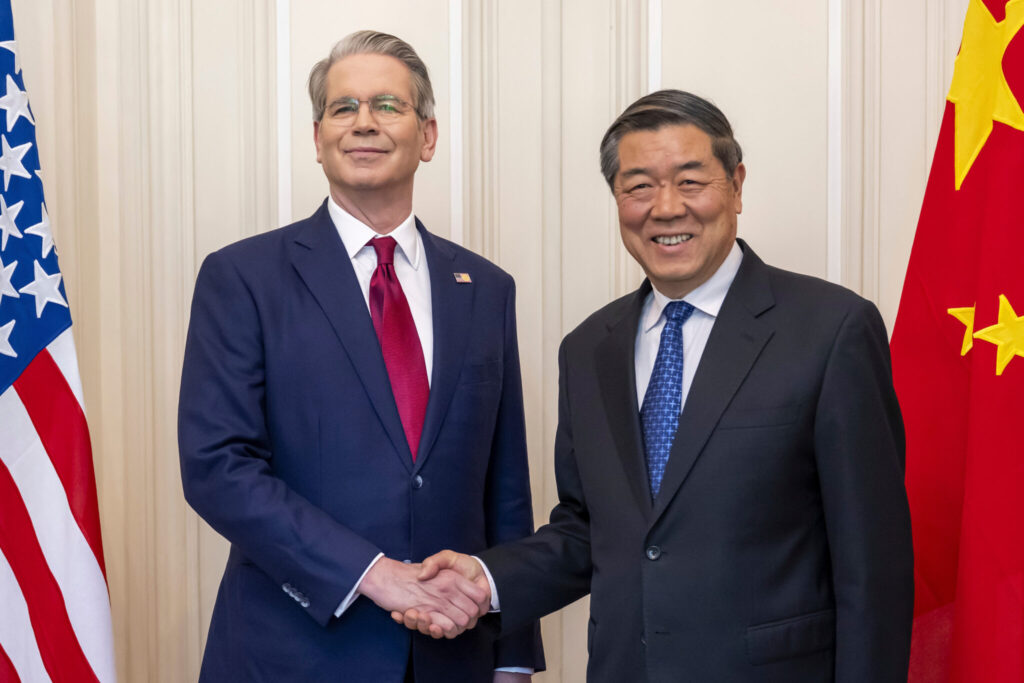
Bessent was in Paris meeting with Chinese Vice Premier He Lifeng for a new round of trade negotiations designed to stabilize economic relations between the two countries.
The talks come after both sides agreed to a temporary pause in escalating tariffs that had threatened to ignite a broader trade conflict.
“We had a very good two days here,” Bessent said, adding that the United States and China are expected to issue a joint statement reaffirming stability in their economic relationship.
He also urged investors not to overreact if Trump ultimately postpones the Beijing visit.
Oil Prices Rise During Iran Conflict
The ongoing war involving Iran has already had a noticeable impact on global energy markets. Oil prices have climbed significantly in recent weeks, increasing gasoline prices in the United States as the country heads toward the next midterm election season.
Still, administration officials have sought to downplay the long-term impact of the conflict on energy supplies.
Bessent criticized media coverage suggesting the situation represents a major energy crisis, arguing that prices will stabilize once the fighting subsides.
“I don’t know how many weeks it will be,” he said. “But on the other side of this, the world will be safer and we will be better supplied.”
The Treasury secretary also confirmed that the department has not intervened in oil futures markets to try to limit rising prices.
Economic Pressures for China
The situation in the Strait of Hormuz could also pose economic challenges for China, which depends heavily on imported oil.
Beijing recently lowered its economic growth target for 2026 to between 4.5% and 5%, marking the slowest projected growth rate in decades.
Chinese Foreign Ministry spokesperson Lin Jian reiterated Beijing’s call for an immediate end to the fighting, warning that continued instability could disrupt global energy supplies and trade.
“China once again calls on all parties to stop military actions immediately,” Lin said at a briefing in Beijing.
Global Stakes Continue to Rise
As the Iran conflict unfolds, it continues to reshape diplomatic and economic dynamics around the world. The potential delay of Trump’s China visit illustrates how rapidly the crisis has affected international relations.
With global energy markets under pressure and major powers navigating sensitive diplomacy, decisions about military strategy, trade cooperation, and energy security are becoming increasingly interconnected.
For now, the White House says Trump remains open to visiting China — but the timing will depend on how events surrounding the Iran conflict continue to develop.




You must Register or Login to post a comment.