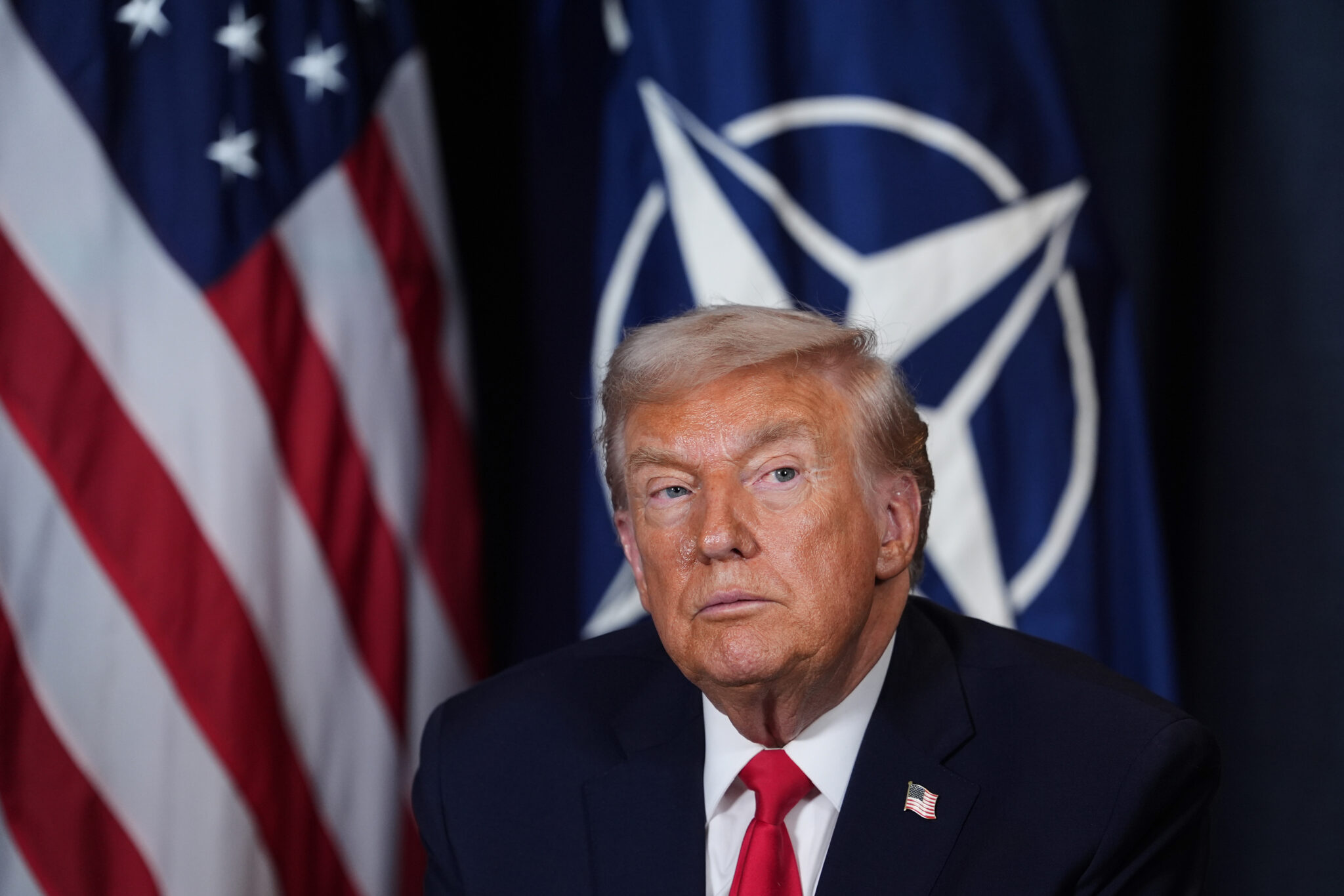
Trump Meets NATO Chief, Demands Greenland Backing/ Newslooks/ WASHINGTON/ J. Mansour/ Morning Edition/ President Trump met with NATO Secretary General Mark Rutte at the Davos Forum, demanding support for the U.S. bid to acquire Greenland. Trump insisted no military force would be used but warned NATO not to interfere. The bold stance triggered global backlash, with European leaders pushing back hard.
Trump’s NATO Meeting & Greenland Bid: Quick Looks
- Key Meeting: Trump met with NATO’s Secretary General Mark Rutte in Davos.
- Greenland Deal Push: Trump repeated his desire to acquire Greenland peacefully.
- No Force Pledge: Assured “no military action,” but issued veiled threats to NATO.
- “We Will Remember” Warning: Trump said NATO allies who oppose him will face consequences.
- Rutte’s Response: Assured Trump that NATO would defend the U.S. in crisis.
- European Backlash: France and Sweden called Trump’s push irrational and destabilizing.
- Tariff Tensions Rise: Trump threatens tariffs; EU leaders vow retaliation.
- Congress Split: Republicans back Trump’s strategy, Democrats call it “dumb.”
- Danish Talks Possible: Denmark open to Arctic security talks, firm on sovereignty.
Trump Meets NATO Chief, Demands Greenland Backing: Deep Look
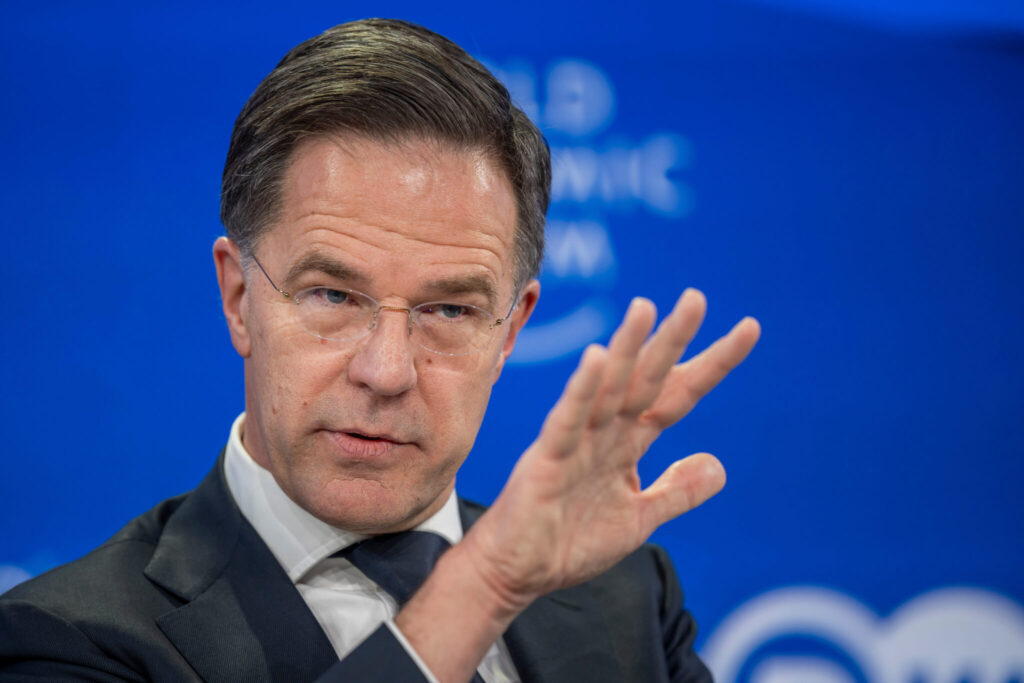
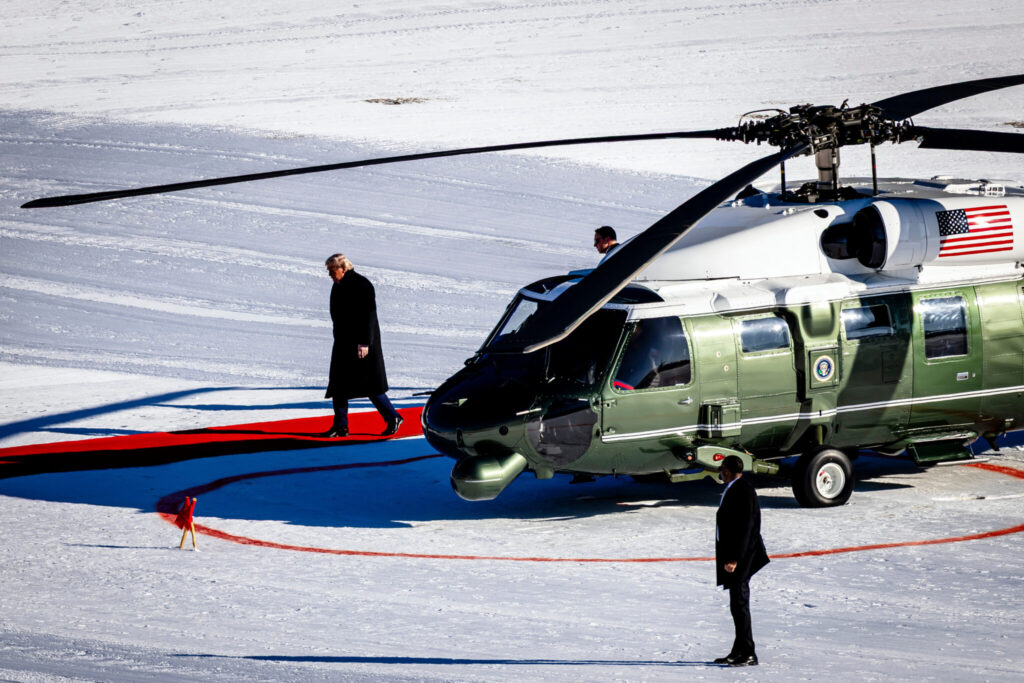
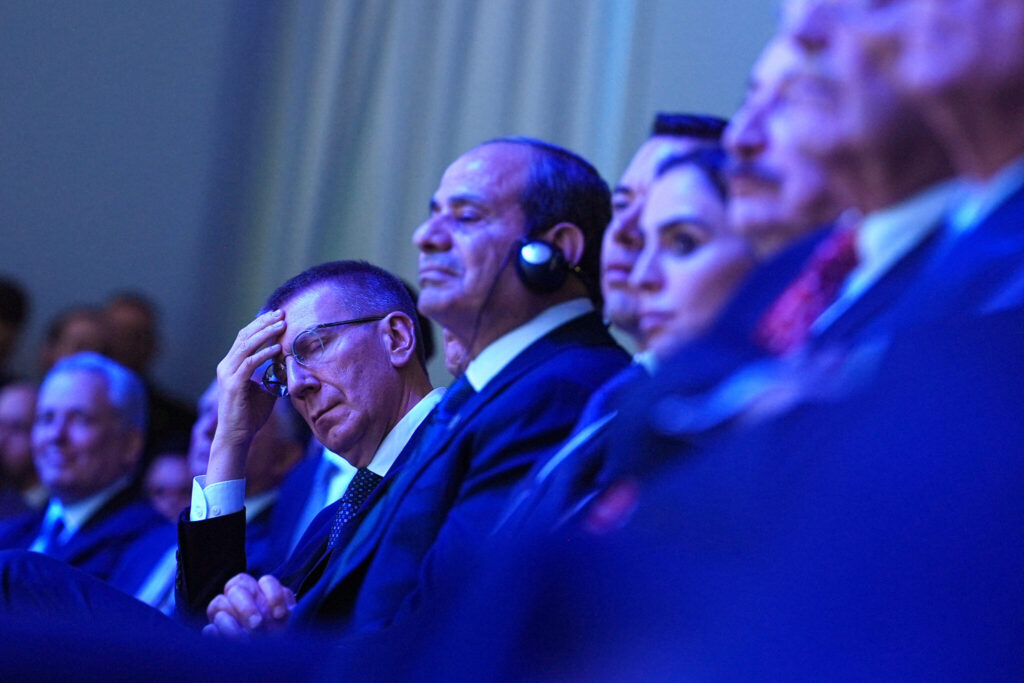
At the World Economic Forum in Davos, President Donald Trump escalated his campaign to acquire Greenland, meeting directly with NATO Secretary General Mark Rutte to seek alliance support — while simultaneously delivering warnings to European allies who oppose the plan.
During the high-stakes bilateral conversation, Trump emphasized his administration’s ambition to obtain “right, title, and ownership” of Greenland from Denmark, calling the move a strategic necessity for national and international security. He declined to name a specific price tag for the territory, instead asserting that the “real price” is about safety and long-term security for NATO nations.
“That’s really the price. It’s a big price,” Trump said.
When pressed on what would happen if Denmark continued to reject the proposal:
Trump replied cryptically: “You’ll have to figure that out for yourself.”
Rutte Reassures Trump on NATO Loyalty
Secretary General Mark Rutte responded with a blend of diplomacy and defense, reminding Trump that NATO had previously acted in America’s interest — notably after the 9/11 attacks when troops from NATO countries went to war in Afghanistan.
“You can be assured, absolutely, if ever the U.S. will be under attack, your allies will be with you,” Rutte said, attempting to shore up trust in the alliance.
Trump welcomed the reassurance but remained skeptical. “I just, you know, when I see what’s happening with Greenland, I wonder,” he quipped.
Rutte acknowledged Trump’s frustration over unequal defense spending by NATO members, noting that the issue has largely been resolved. “We solved it, and this is crucial,” Rutte added.
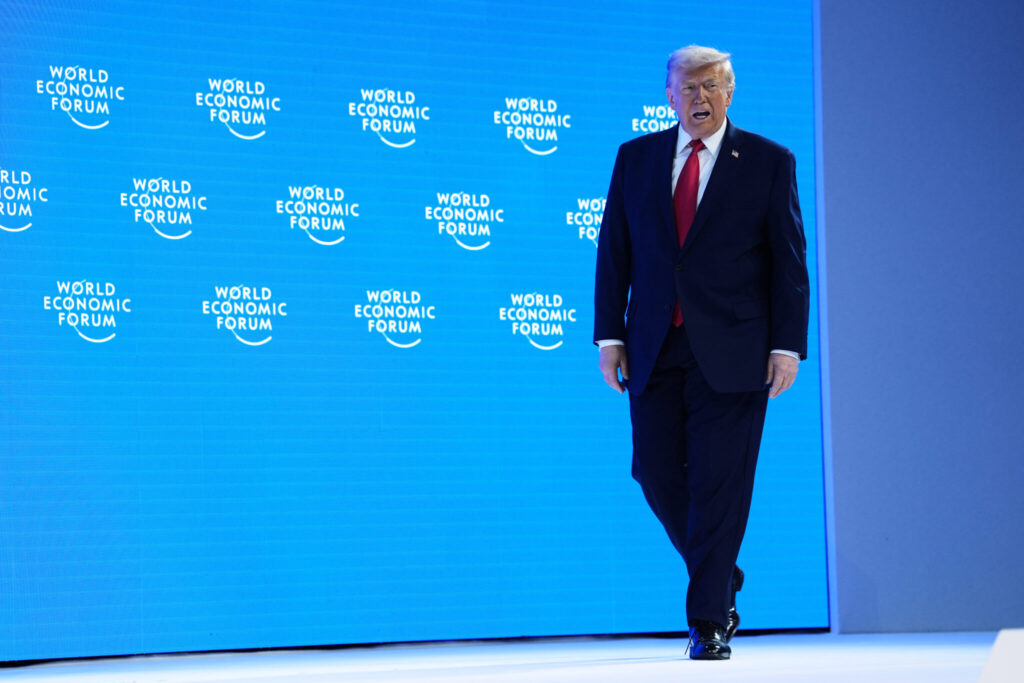
Trump’s Davos Speech Targets NATO and EU
In a fiery 70-minute address, Trump laid into U.S. allies over defense spending, trade policies, and Greenland. He insisted that NATO “should not try to block U.S. expansionism” and gave an ultimatum:
“You can say yes, and we’ll be very appreciative. Or you can say no, and we will remember.”
He also downplayed concerns about using force, insisting he wasn’t considering military options to take Greenland. The clarification came as global anxiety rose about the unprecedented nature of his territorial ambitions.
European Leaders Push Back
Trump’s remarks drew swift and pointed criticism from EU leaders.
- Ursula von der Leyen, European Commission President, called Trump’s planned tariffs over the Greenland issue a “mistake,” questioning his trustworthiness.
- French President Emmanuel Macron vowed retaliation using the EU’s most powerful economic tools — a so-called “trade bazooka.”
- Sweden’s Deputy PM Ebba Busch accused Trump of attempting to “bully” Europe, saying, “We will not be blackmailed.”
Back in Washington, political leaders remained sharply divided. Republican House Speaker Mike Johnson defended Trump’s tariff strategy, saying it had brought “trillions” into the U.S. economy. But Democratic Rep. Ted Lieu blasted the president’s stance:
“If I don’t get my way on Greenland, I’m going to punish the American people even more. How dumb is that?”
Denmark Holds Firm But Open to Arctic Talks
Though Denmark remains firm on its sovereignty, a Danish government official told the Associated Press the country is willing to engage in broader discussions about Arctic security — provided that national sovereignty is not violated.
“Red lines must be respected,” the official said, speaking anonymously.
Support and Skepticism Abroad
Azerbaijani President Ilham Aliyev praised Trump as a trustworthy negotiator, citing his role in brokering peace between Azerbaijan and Armenia. Aliyev also confirmed his country would join Trump’s proposed Board of Peace.
“He fixed our case… We trust him,” Aliyev said.
Meanwhile, U.S. Senator Lindsey Graham said Trump had “convinced him” to support a peaceful acquisition of Greenland, emphasizing that any such deal would require Senate approval.
“Taking Greenland by force is off the table, it was never a good idea,” Graham affirmed.
Trump Celebrates Economic Gains, Spars With Critics
Trump also addressed business leaders in Davos, boasting that his administration had made them wealthier in his first year back in office.
“Even my enemies are doing well… There’s nothing I can do about it,” he joked.
California Governor Gavin Newsom, attending Davos and eyeing a 2028 presidential bid, dismissed the speech as “remarkably boring” and “not new at all.”
“For a European audience, that may have been a new speech. For Americans? Not so much,” Newsom said.
What Comes Next?
Trump’s Greenland push has placed the Arctic at the center of a new global tug-of-war. While he insists the move is grounded in national security, the backlash from Europe and diplomatic fallout could escalate if the U.S. continues pressuring allies or imposing economic penalties.
As Trump continues to rally support for his Greenland vision — and his broader Board of Peace — the coming weeks will test NATO cohesion, EU resilience, and the ability of global institutions to manage one of the most unusual territorial ambitions in modern history.