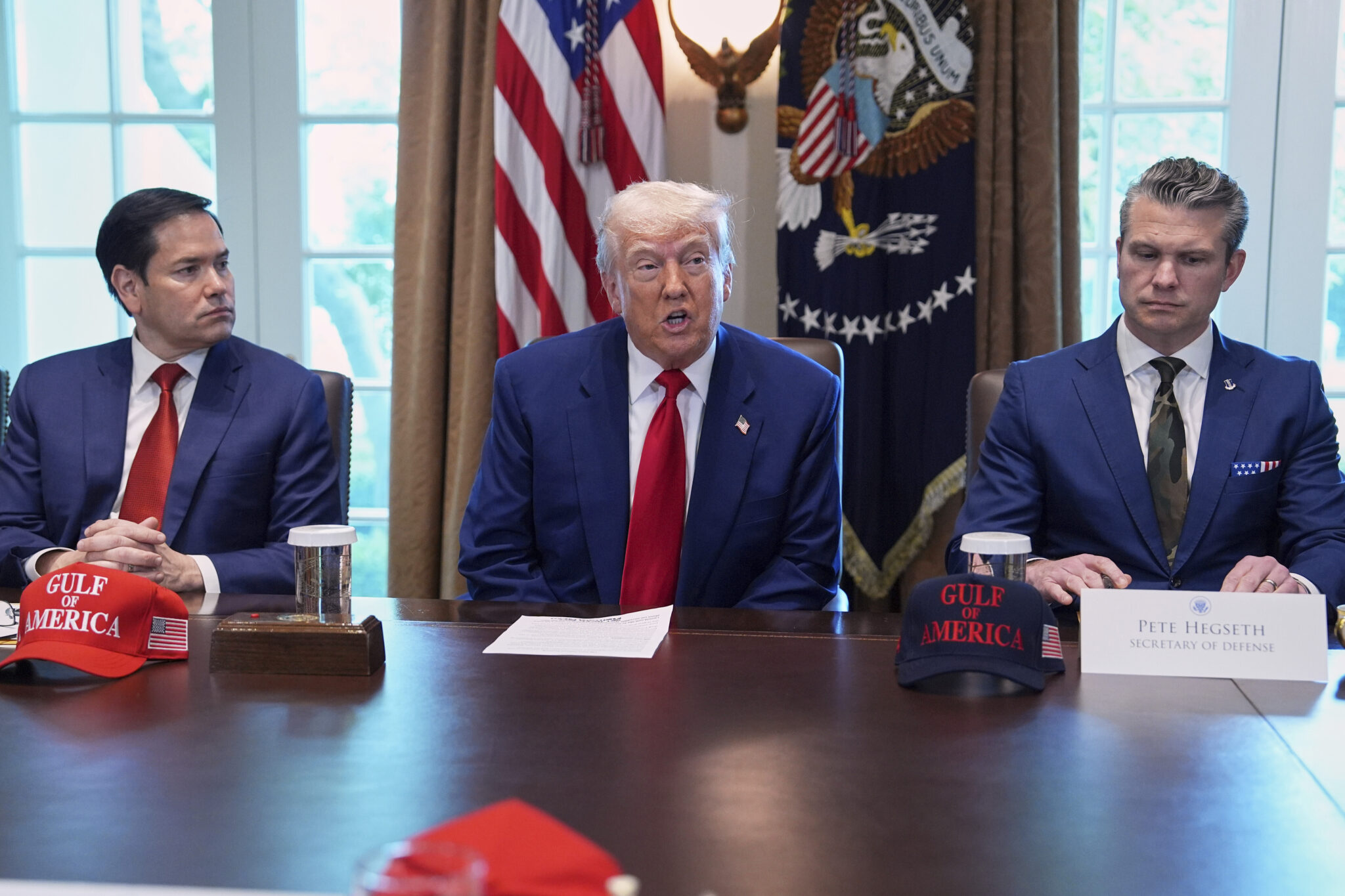
Trump Meets with Rubio, Hegseth as Tensions with Venezuela Mount/ Newslooks/ WASHINGTON/ J. Mansour/ Morning Edition/ President Trump gathered top national security officials including Marco Rubio and Pete Hegseth at Mar‑a‑Lago for a major announcement amid growing U.S. pressure on Venezuela. The Coast Guard is pursuing a sanctioned oil tanker linked to Venezuela’s sanctions‑evasion “shadow fleet.” Venezuela and Russia have condemned U.S. actions, as domestic critics raise concerns about escalation.
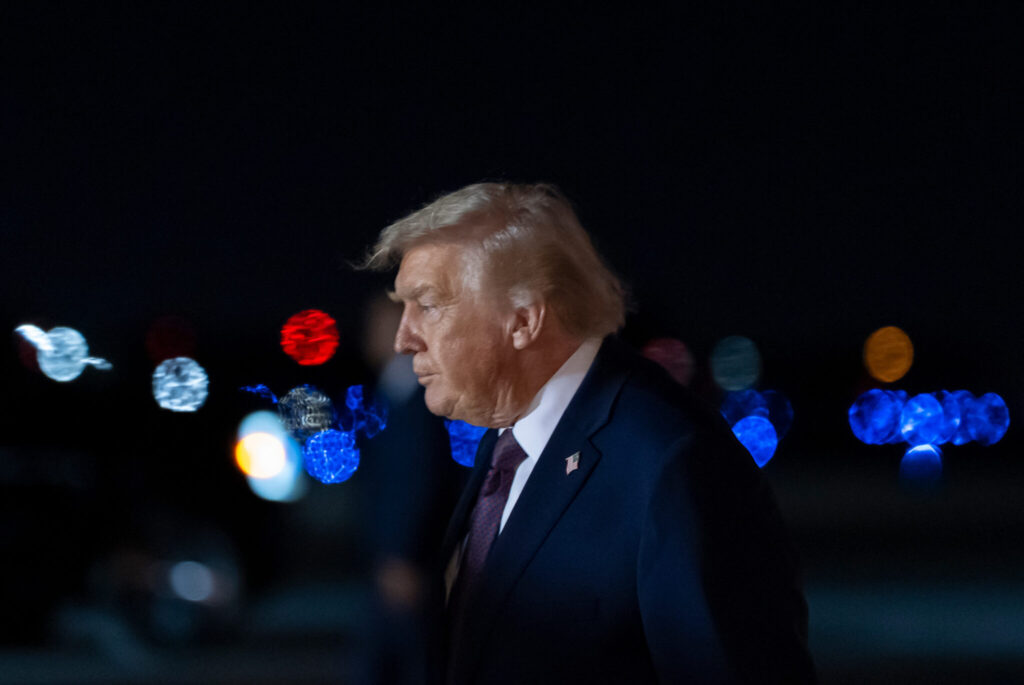

Trump Venezuela Pressure Event Quick Looks
- Trump hosted a national security event with Rubio, Hegseth, and Navy Sec. Phelan.
- Coast Guard continued pursuit of a sanctioned oil tanker in Caribbean waters.
- The administration has seized or pursued three tankers tied to Venezuela’s “shadow fleet.”
- Trump has ordered a so‑called “blockade” of oil tankers tied to sanctioned Venezuelan exports.
- Venezuela’s foreign minister says Russia voiced support amid U.S. actions.
- Russia reportedly began evacuating some diplomats’ families from Venezuela.
- Homeland Security Sec. Noem said tanker targeting is aimed at stopping Maduro’s illicit activity.
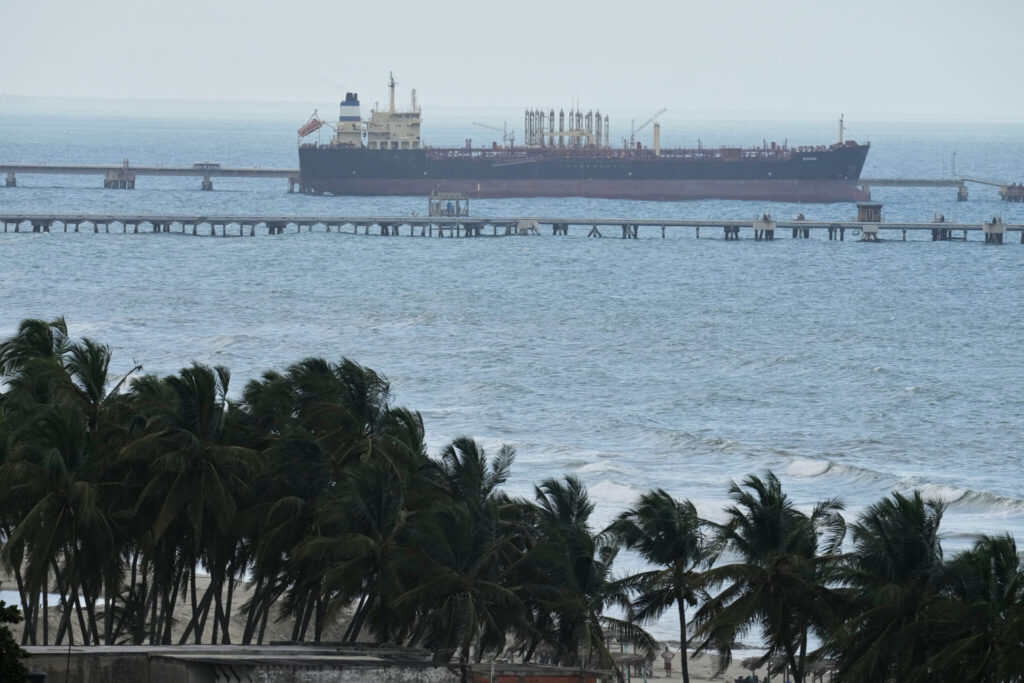
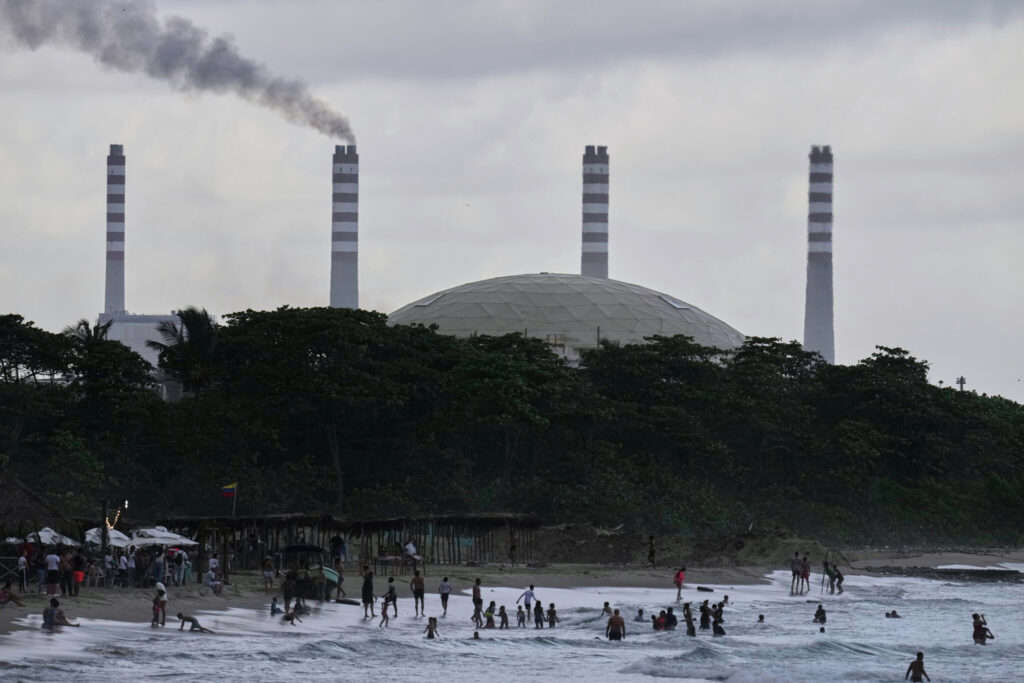
- Venezuelan beachgoers witnessed tankers near El Palito refinery, highlighting economic strains.
- U.S. military operations also include strikes on alleged drug‑smuggling vessels.
- U.S. lawmakers and activists have raised legal and humanitarian concerns.
Deep Look
Trump Holds National Security Event With Rubio, Hegseth as U.S. Ramps Up Pressure on Venezuela
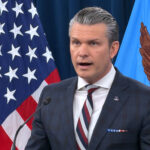
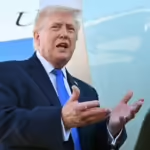
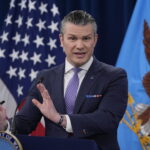
WEST PALM BEACH, Fla. — President Donald Trump convened a high‑level gathering Monday with top national security officials — including Secretary of State Marco Rubio, Defense Secretary Pete Hegseth, and Navy Secretary John Phelan — at his Mar‑a‑Lago resort as the administration intensifies its campaign against the Venezuelan government.
The White House labeled the meeting a “major announcement,” saying Trump would highlight a shipbuilding initiative. But the timing and attendance — featuring key figures involved in security and defense — underscore how deeply Venezuela has become a focus of the administration’s strategic attention.
Venezuela Pressure Campaign Enters New Phase
Trump’s gathering comes as the U.S. Coast Guard continues pursuing a sanctioned oil tanker in the Caribbean Sea believed to be part of Venezuela’s so‑called “dark fleet” of vessels used to evade sanctions. A U.S. official briefed on the operation, speaking on condition of anonymity because details remain sensitive, confirmed the pursuit involved a tanker flying a false flag and subject to a U.S. judicial seizure order.
This deployment marks the third tanker interdiction effort in recent weeks. On Saturday, authorities seized a Panama‑flagged vessel named Centuries, while earlier, on Dec. 10, the Coast Guard and Navy captured a sanctioned tanker called Skipper. Both were tied to Venezuela’s network of shadow shipping used to transport oil subject to U.S. sanctions.
After the Skipper seizure, Trump announced that the U.S. would institute what he described as a “blockade” of Venezuelan oil shipments, escalating rhetoric and enforcement actions. Trump has repeatedly insisted that Venezuelan President Nicolás Maduro’s grip on power is weakening and that U.S. pressure will continue.
International Reactions to U.S. Moves
The Venezuelan government has vocally condemned the U.S. actions. On Monday, Venezuela’s Foreign Minister Yván Gil said he spoke by phone with Russian Foreign Minister Sergey Lavrov, who he said expressed support for Venezuela in the face of the U.S. blockade effort. Gil accused the U.S. of “flagrant violations of international law”, citing attacks on vessels and what he called extrajudicial actions.
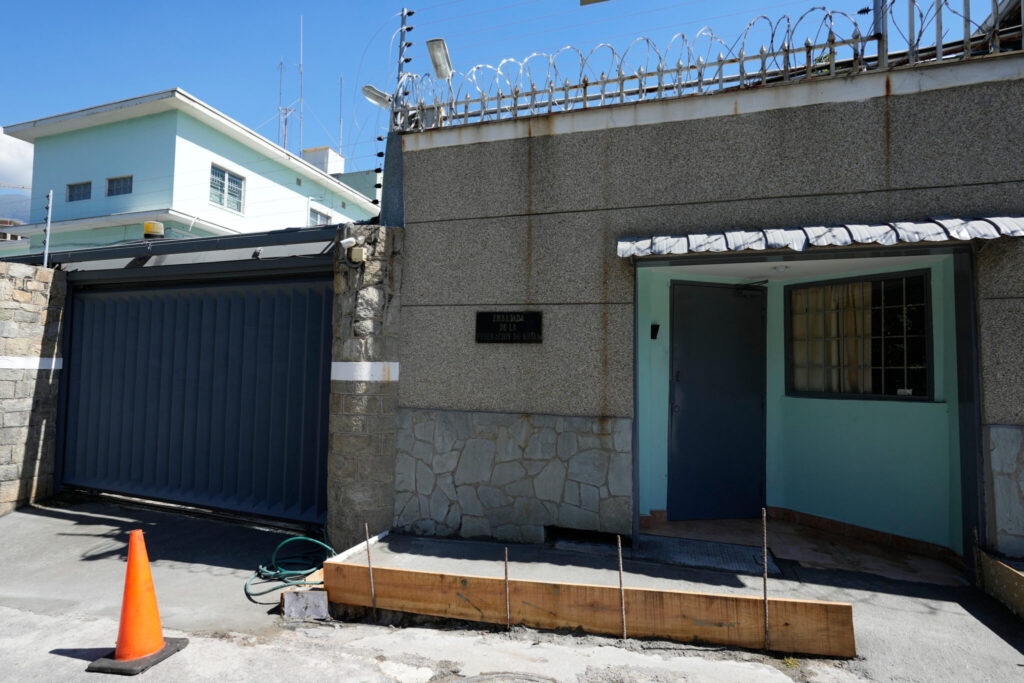
In Caracas outside the Russian Embassy, more than 10 vehicles with diplomatic plates were seen Monday morning, a scene local media interpreted as part of a possible diplomatic reshuffling. A European intelligence official, also speaking anonymously, said Russia had begun evacuating families of diplomats from Venezuela, describing internal assessments of the situation as “very grim.”
Neither the White House nor the Kremlin immediately commented on the reported diplomatic movements.
U.S. Officials Defend Strategy
Homeland Security Secretary Kristi Noem, whose department oversees the Coast Guard, defended the tanker targeting on “Fox & Friends,” saying the actions send “a message around the world” that Venezuela’s “illegal activity … cannot stand.” Noem said the objective is to remove Maduro from power and uphold U.S. interests.
The pursuit of shadow fleet tankers has not been limited to sanctions evasion. Under Trump’s orders, the Defense Department continues strikes on smaller vessels in the Caribbean and eastern Pacific Ocean that it says are smuggling fentanyl and other illegal drugs into the United States. U.S. forces have carried out at least 28 known strikes since early September, resulting in over 100 reported deaths. That campaign has drawn sharp criticism from lawmakers and human rights advocates who argue the administration has provided limited evidence that the targets were indeed drug smugglers, and that the strikes amount to extrajudicial killings.
Life Near Venezuelan Oil Infrastructure
Onshore in Venezuela, the effects of oil sector disruptions are visible. At the El Palito refinery, a tanker identified by watchdog group Transparencia Venezuela as part of the shadow fleet remained at dock while families gathered at the nearby beach. Long‑time beach vendor Manuel Salazar said he once saw up to nine or 10 tankers waiting in the bay, but now only one remains — a sign of how dramatically the country’s oil output has declined.
“Before, during vacations, they’d have barbecues; now all you see is bread with bologna,” Salazar said, describing how economic hardship has reshaped daily life even in recreational settings near industrial facilities.
Political and Legal Backlash in the U.S.
Domestically, the administration’s aggressive posture toward Venezuela has drawn criticism from multiple quarters. Some lawmakers question the legal basis for military actions and call for congressional authorization. Opponents argue that while sanctions and diplomatic pressure are appropriate, direct confrontations involving U.S. forces risk unintended escalation.
Trump’s supporters counter that a firm stance will deter illegal drug trafficking and curb authoritarian regimes’ influence in the Western Hemisphere.