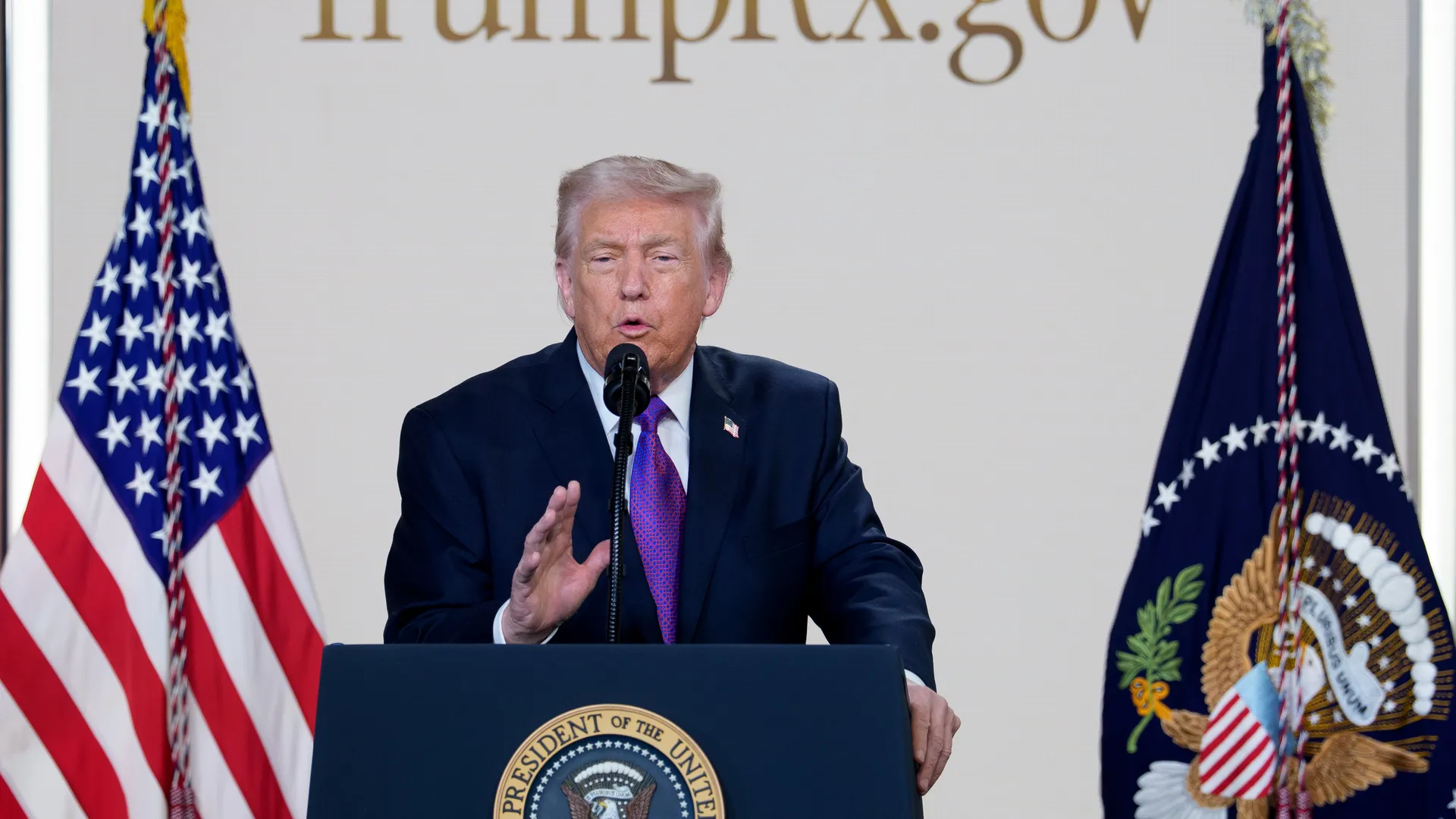
Trump Moves to Dismantle US Climate Regulations/ Newslooks/ WASHINGTON/ J. Mansour/ Morning Edition/ The Trump administration is preparing to revoke the legal foundation of most US climate regulations. The move would eliminate the EPA’s long-standing authority to regulate greenhouse gas emissions. Environmental groups warn the decision could trigger major legal battles and health impacts.

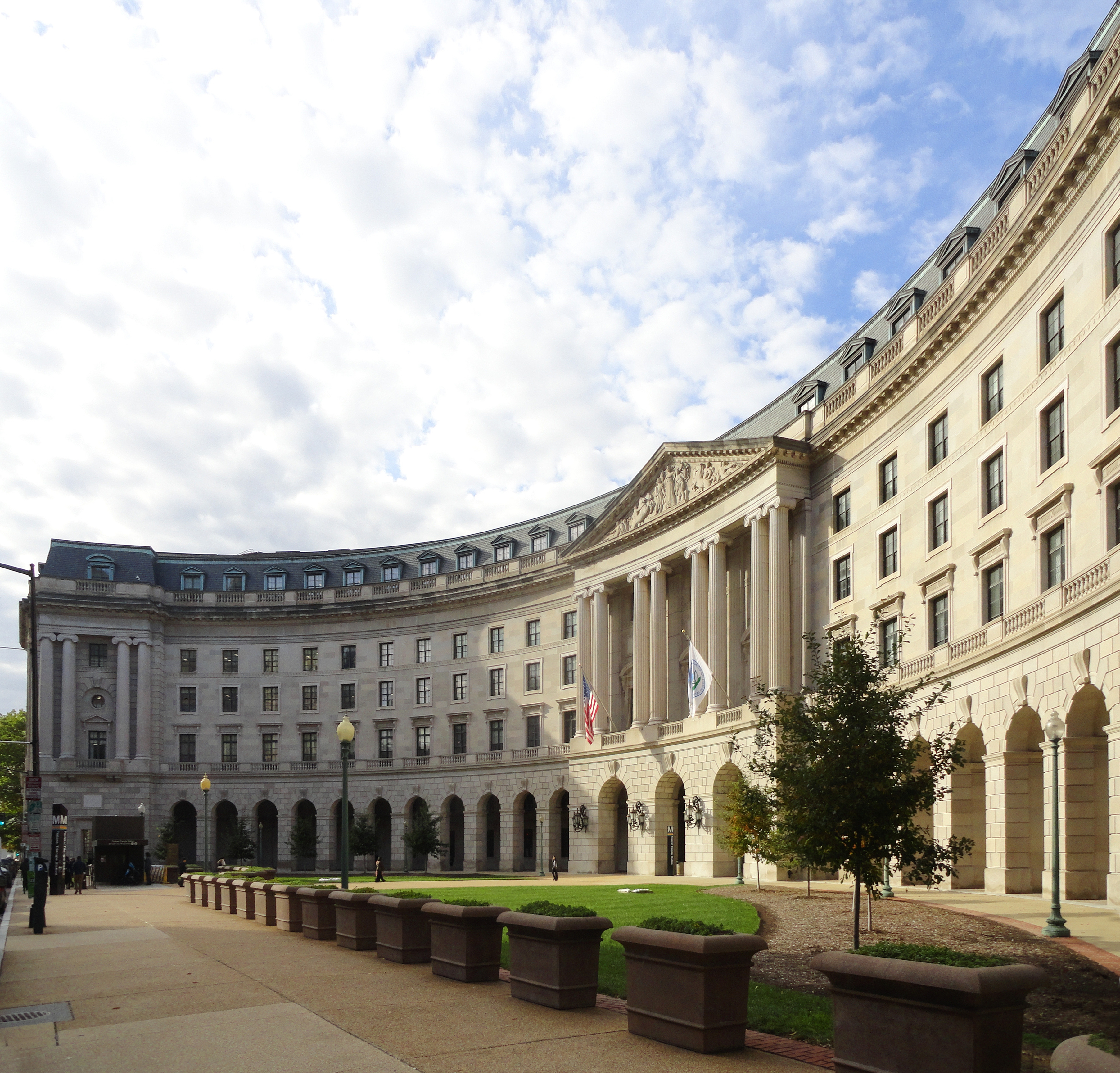
Trump Climate Policy Overhaul – Quick Looks
- EPA plans to rescind the 2009 “endangerment finding”
- Finding underpins nearly all US climate regulations
- Move would weaken emissions rules for vehicles and power plants
- White House calls it a historic deregulatory action
- Environmental groups vow immediate legal challenges
Deep Look
WASHINGTON (AP) — The administration of Donald Trump is preparing to dramatically roll back US climate change policy by revoking a scientific determination that has underpinned federal environmental regulations for more than 15 years, according to a White House official.
The Environmental Protection Agency is expected to issue a final rule this week rescinding the 2009 “endangerment finding,” an Obama-era determination that concluded carbon dioxide and other greenhouse gases pose a threat to public health and welfare. That finding serves as the legal basis for regulating emissions under the Clean Air Act.
A White House official, speaking on condition of anonymity ahead of a formal announcement, confirmed the plans, which were first reported by The Wall Street Journal.
“This week at the White House, President Trump will be taking the most significant deregulatory actions in history to unleash American energy dominance and lower costs for families,” said White House press secretary Karoline Leavitt.
Foundation of US Climate Rules
The endangerment finding has long been central to federal efforts to combat climate change. It provides the justification for emissions limits on cars, trucks, power plants, and industrial facilities — regulations designed to curb climate-related threats such as extreme heat, flooding, wildfires, and rising sea levels.
Environmental advocates say dismantling the finding would amount to the most sweeping rollback of climate policy in US history.
An EPA spokesperson declined to specify when the rule would be finalized but confirmed the agency is completing work on it. EPA official Brigit Hirsch said the finding was “one of the most damaging decisions in modern history” and described the new rule as a “historic action for the American people.”
Longstanding Conservative Goal
Trump, who has repeatedly questioned the severity of climate change, previously directed the EPA to review the “legality and continuing applicability” of the endangerment finding. Conservative lawmakers and industry groups have long argued that climate regulations impose excessive economic costs and restrict energy production.
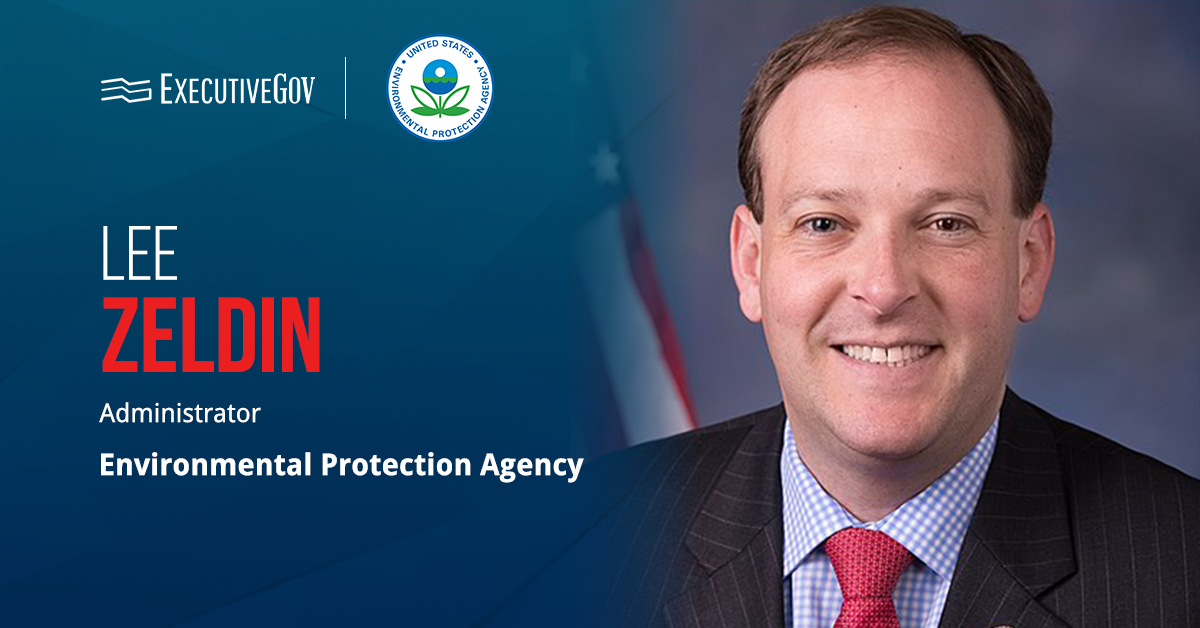
EPA Administrator Lee Zeldin, a former Republican congressman, has accused past Democratic administrations of prioritizing climate policy at the expense of economic growth.
“Democrats created this endangerment finding and used it to regulate entire segments of our economy out of existence,” Zeldin said when the proposed rule was unveiled last year. “It cost Americans a lot of money.”
Legal and Scientific Pushback
Environmental groups say the rollback will face immediate legal challenges. The Supreme Court ruled in 2007, in Massachusetts v. EPA, that greenhouse gases qualify as air pollutants under the Clean Air Act — a decision that paved the way for the endangerment finding.
Since then, federal courts have consistently upheld the finding, most recently in a 2023 ruling by the U.S. Court of Appeals for the District of Columbia Circuit.
Peter Zalzal of the Environmental Defense Fund warned the move would increase pollution, healthcare costs, and preventable deaths. “EPA has a clear obligation to protect public health,” he said, calling the rollback “cynical and deeply damaging.”
University of Pennsylvania climate scientist Michael Mann said the decision reflects a shift in climate denial tactics.
“They can no longer deny climate change exists, so they’re pretending it isn’t a threat — despite overwhelming evidence to the contrary,” Mann said.
High-Stakes Consequences
If finalized, the rule would weaken or eliminate federal authority to regulate greenhouse gas emissions, fundamentally reshaping US climate policy. Supporters argue it will reduce costs and boost domestic energy production, while critics say it risks worsening climate impacts already affecting communities nationwide.
As the EPA prepares to move forward, the decision is expected to trigger years of court battles and intensify political divisions over how the United States addresses climate change.