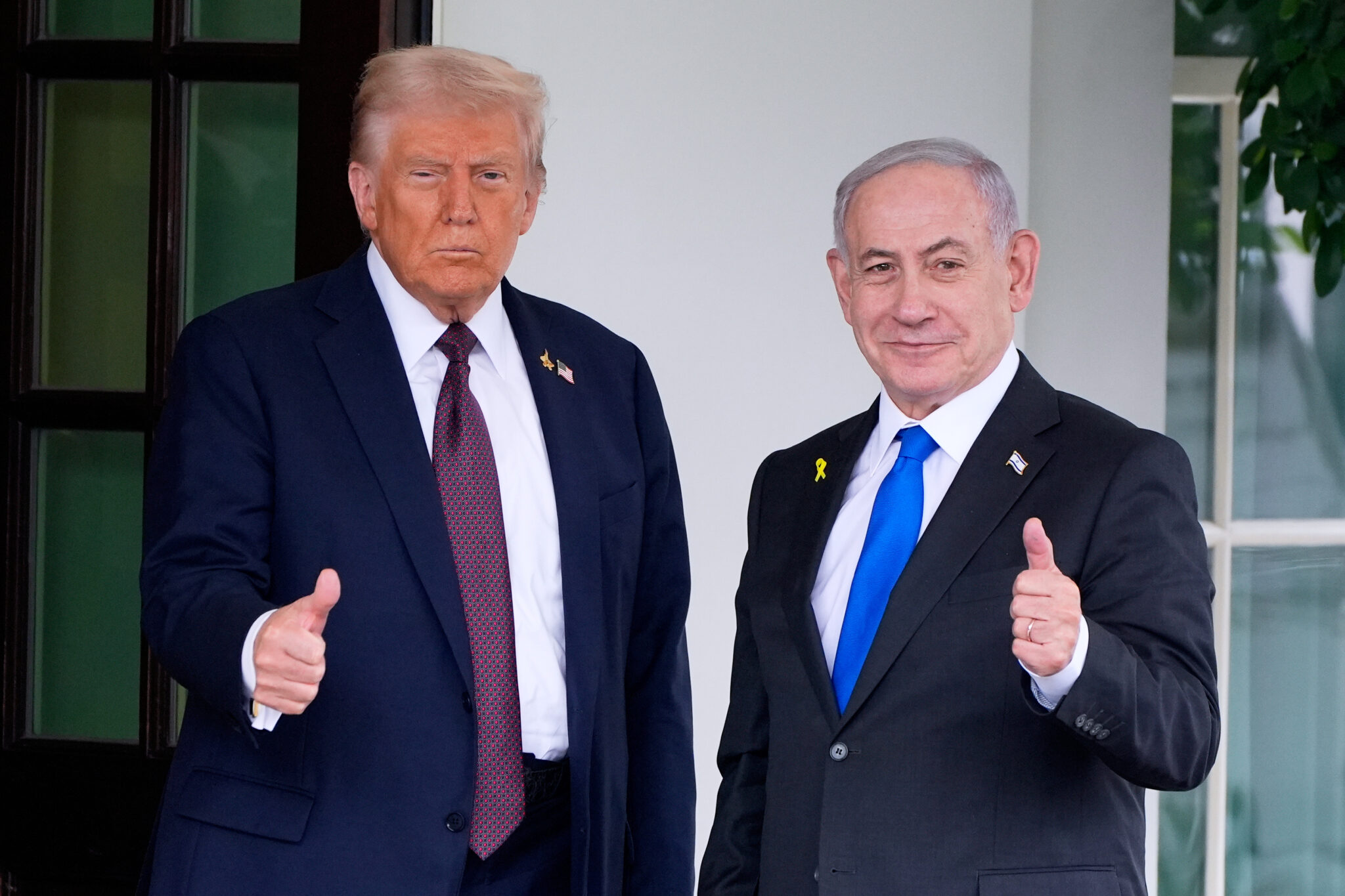
Trump-Netanyahu Crucial Meeting at Mar-a-Lago Monday to Shape Gaza Plan/ Newslooks/ WASHINGTON/ J. Mansour/ Morning Edition/ Israeli Prime Minister Benjamin Netanyahu is set to meet Donald Trump at Mar-a-Lago in a pivotal discussion about the Gaza peace process. The Trump administration aims to launch a Palestinian-led government and stabilization force, but Netanyahu remains skeptical. Their upcoming meeting could determine whether peace efforts move forward or stall.
Gaza Peace Talks Quick Looks
- Trump and Netanyahu to meet Monday at Mar-a-Lago
- Gaza peace progress hinges on Netanyahu’s cooperation
- White House seeks technocratic Palestinian government
- Trump allies working with Egypt, Qatar, Turkey on terms
- Netanyahu skeptical of demilitarization and peace force
- Ceasefire violations straining ties with Trump advisers
- Palestinian Authority reform also on Trump’s agenda
- Israel urged to release Palestinian tax funds, curb violence
- Peace board launch eyed for Davos in January
- Trump’s stance could swing between Netanyahu or his team
Trump-Netanyahu Crucial Meeting at Mar-a-Lago Monday to Shape Gaza Plan
Deep Look
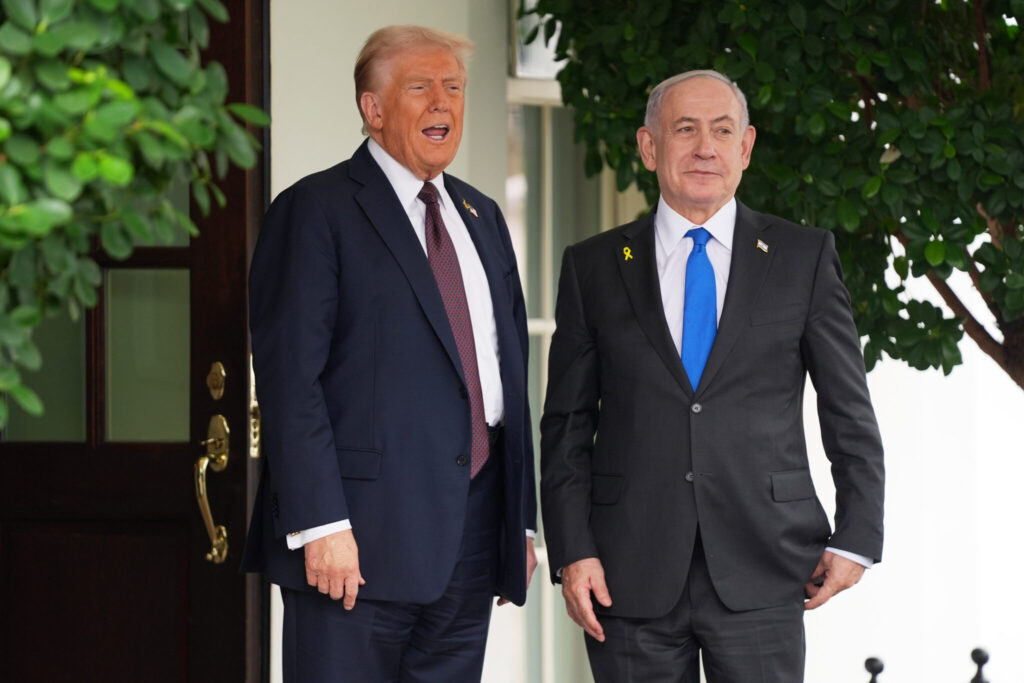
Israeli Prime Minister Benjamin Netanyahu’s visit to Mar-a-Lago for a meeting with President Donald Trump on Monday is being described by insiders as a pivotal moment for the future of the Gaza peace initiative. As the Trump administration prepares for major announcements in early January regarding a new phase of the deal, this face-to-face meeting could determine the trajectory of the fragile agreement.
Trump’s advisers — including his envoy Steve Witkoff and senior adviser Jared Kushner — have spent weeks coordinating with Egypt, Qatar, and Turkey to finalize the foundations of a two-phase plan. The plan includes establishing a Palestinian technocratic government and an International Stabilization Force to manage security and governance in post-war Gaza. However, Netanyahu has been openly resistant, particularly regarding demilitarization efforts and the proposed roles of regional players like Turkey and Qatar.
During a recent meeting in Jerusalem with Senator Lindsey Graham, Netanyahu expressed doubts about Witkoff and Kushner’s proposals. He questioned whether Gaza could be reliably demilitarized and whether outside governments could fairly and effectively manage the transition.
This ideological gap between Netanyahu and Trump’s team sets up a critical inflection point at their Florida meeting. According to a senior Israeli official, “It’s a crucial meeting. It is not clear whether Trump is in the same place Witkoff and Kushner are. Bibi is trying to convince a one-man audience.”
White House officials worry that Netanyahu may derail the process by reverting to more aggressive military tactics against Hamas. One official said the Trump team — like the previous Biden administration — is frustrated by Israel’s reluctance to facilitate humanitarian aid, such as opening the Rafah border crossing or providing shelter materials for displaced Palestinians.
“Netanyahu has lost almost everyone on the team — Jared, Marco, J.D., Susie, Steve,” one U.S. official said. “The only one he still has is the president, but even Trump wants to see faster movement on the Gaza deal.”
The divide is also apparent in perceptions of Israel’s actions on the ground. Some officials accuse the Israeli military of undermining the ceasefire through disproportionate strikes that have led to civilian casualties, including children.
“It sometimes feels like Israeli commanders are just trigger-happy,” said another White House insider.
Interestingly, it was Netanyahu who initiated the meeting during a December 1 call with Trump. Though initially unsure whether another meeting was necessary, Trump eventually saw the value in speaking directly with Netanyahu, especially before January’s planned rollout of the Trump-led Board of Peace at the World Economic Forum in Davos.
Last Friday, ahead of the Mar-a-Lago meeting, Witkoff and Kushner held strategic talks in Miami with the prime minister of Qatar, the head of Egyptian intelligence, and Turkey’s foreign minister. These nations, as guarantors of the peace plan, helped define specific expectations for Netanyahu. The Trump team is now prepared to confront the Israeli leader on several critical issues.
One major goal is ensuring Israeli Defense Forces (IDF) respect the ceasefire to minimize civilian harm. Another involves accelerating the formal installation of the technocratic Palestinian government. The administration has already vetted the proposed members, and their names have been shared with key regional actors. This new government, supported by former UN envoy Nickolay Mladenov as high representative, would take over civil governance from Hamas and oversee Gaza’s demilitarization.
Demilitarization, a sensitive aspect of the plan, is set to occur in phases — starting with missiles and rockets and eventually including smaller arms held by both Hamas and other militias, some reportedly backed by Israel. The new Palestinian government would have the authority to request assistance from the stabilization force to carry out disarmament.
Still, Netanyahu opposes several components of the plan, including the structure of the stabilization force and the involvement of Turkey and Qatar.
“We don’t see the Miami meeting results as positive,” said an Israeli official, underlining continued resistance.
Beyond Gaza, Trump is also expected to press Netanyahu on the deteriorating situation in the West Bank. The Trump administration seeks sweeping reforms of the Palestinian Authority (PA), but views Israeli actions as obstructive. These include withholding billions in Palestinian tax revenue, allowing settler violence, and pushing expansion in contested areas.
“Israel needs to make concrete steps,” one U.S. official said. “Without that, the PA could collapse, and reform efforts won’t succeed.”
The broader goal, according to the Trump team, is to help Israel improve its standing internationally. With regional normalization in mind, Trump aides want to solidify Israel’s relationships with the United Kingdom and eventually Saudi Arabia. But that hinges on Netanyahu pivoting toward peace.
“We laid out to Netanyahu all the opportunities and challenges,” said a White House official. “President Trump is bullish that he can help him — but not if Israel keeps following the current path.”