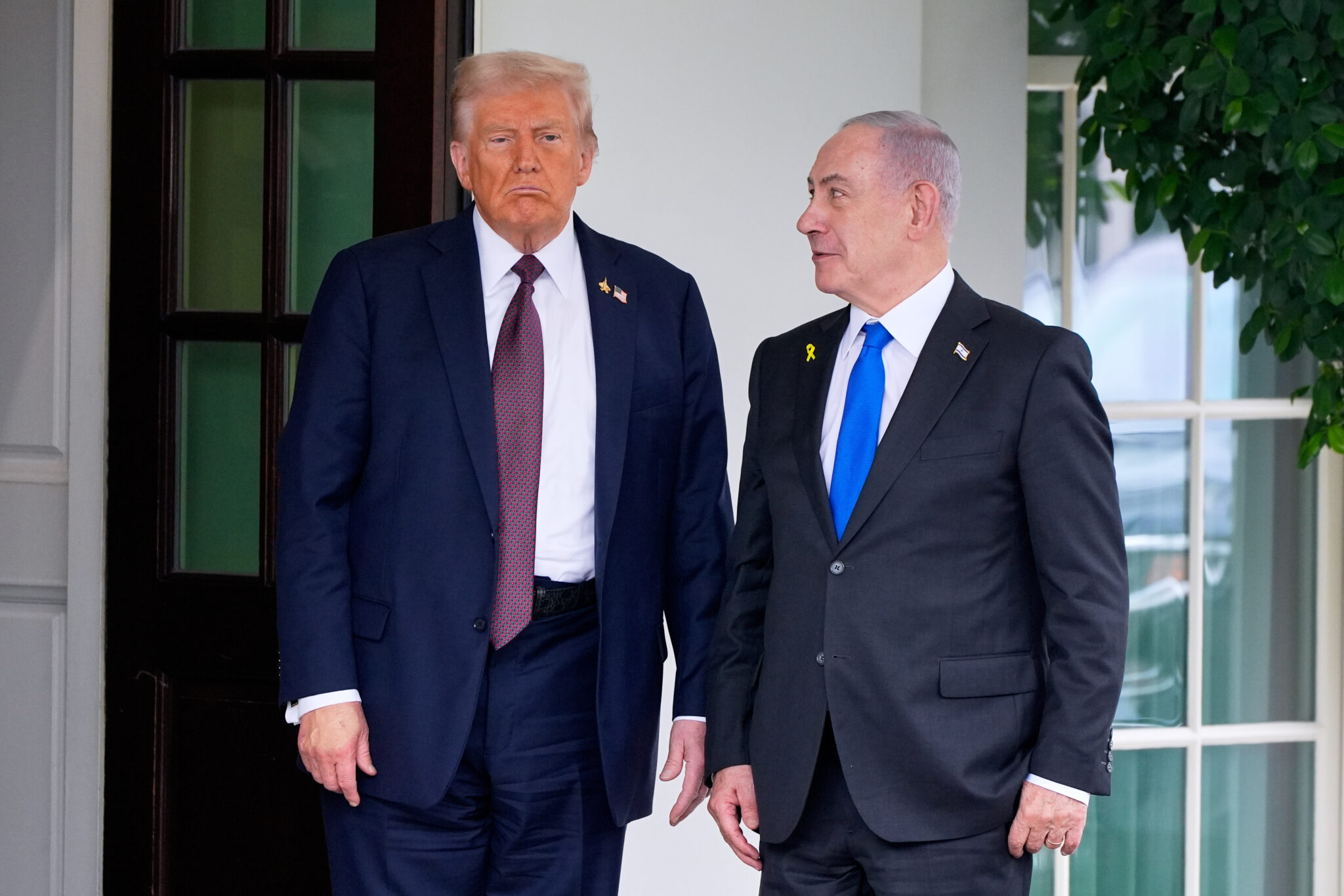
Trump, Netanyahu to Meet in Florida Over Gaza Ceasefire/ Newslooks/ WASHINGTON/ J. Mansour/ Morning Edition/ President Donald Trump and Israeli Prime Minister Benjamin Netanyahu will meet Monday in Florida to push forward a U.S.-backed Gaza ceasefire that risks stalling. The leaders are expected to discuss the plan’s complex second phase, including Gaza reconstruction and disarming Hamas. Tensions remain over security oversight, the role of Arab states, and Israel’s resistance to key parts of the peace roadmap.
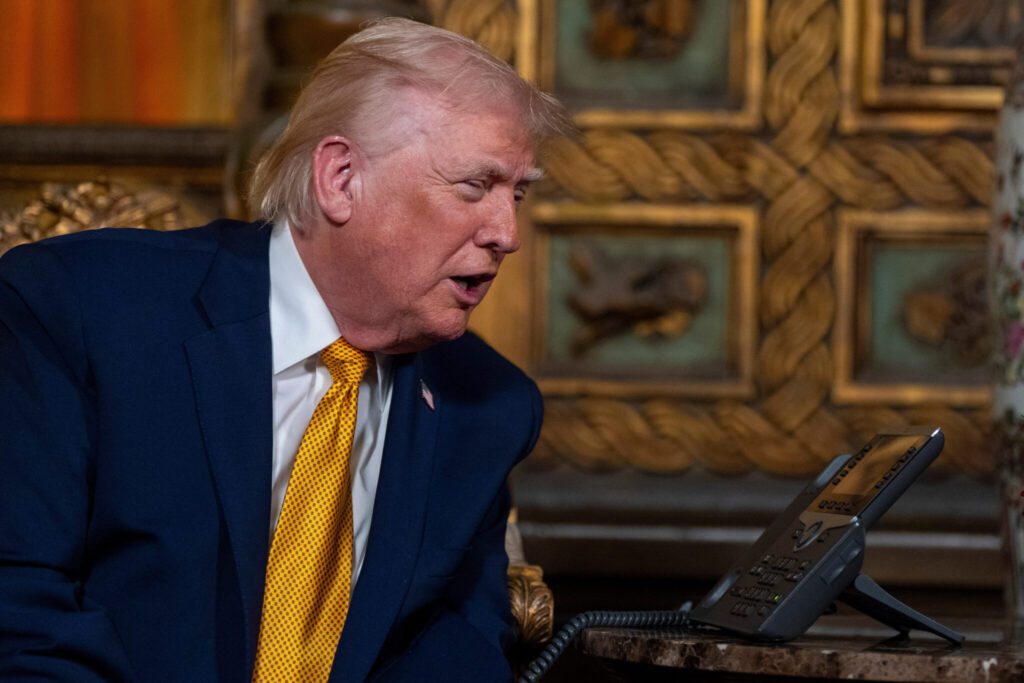
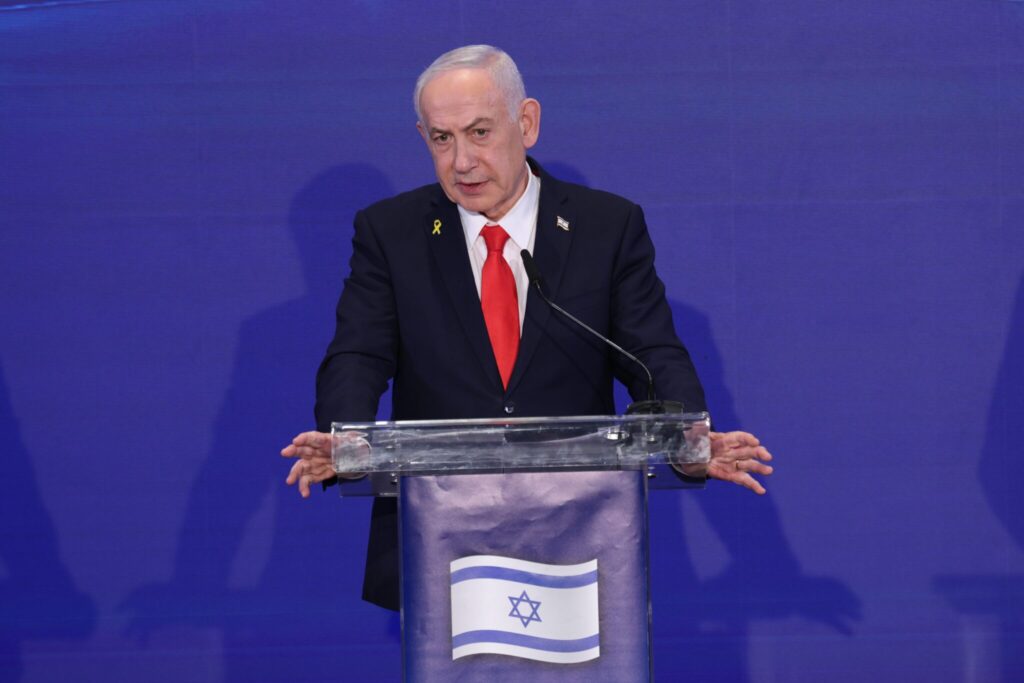
Quick Look: Key Points from the Story
- Trump and Netanyahu to meet at Mar-a-Lago amid fragile Gaza truce
- Ceasefire’s first phase held, but phase two faces delays and disagreements
- Trump’s 20-point peace plan, approved by the UN, includes:
- Disarming Hamas
- Technocratic Palestinian governance in Gaza
- International Stabilization Force for security
- Rebuilding Gaza under a “Board of Peace”
- Israel resists parts of the plan, including oversight and withdrawal demands
- Trump may pressure Netanyahu to advance the deal during their meeting
- U.S., Egypt, Qatar, Turkey continue mediation efforts in Florida
- Over $10 billion in arms deals and Iran’s nuclear issue also on agenda
- Concerns rise over temporary housing plans in Israeli-controlled Gaza areas
- UAE reportedly involved in reconstruction funding, though unclear on final terms
- Stabilization force not yet formed; Arab and Western nations wary of “occupation” optics
- Hamas willing to negotiate, but insists on keeping weapons as defense
Deep Look: Trump-Netanyahu Meeting Tests Fragile Gaza Peace Plan
PALM BEACH, Fla. — In a high-stakes diplomatic meeting Monday, President Donald Trump will host Israeli Prime Minister Benjamin Netanyahu at Mar-a-Lago, as the U.S. tries to salvage momentum for a delicate Gaza ceasefire that is showing signs of strain. While the first phase of the truce between Israel and Hamas has mostly held since October, the next steps — which involve the reconstruction and governance of Gaza — remain highly contested.
Trump’s goal is to leverage his strong personal relationship with Netanyahu to push Israel closer to accepting the 20-point peace framework that has been endorsed by the U.N. Security Council. But analysts warn that Netanyahu has repeatedly resisted key elements of the plan, including international oversight and concessions toward Palestinian autonomy.
“This is going to be a really tall order for President Trump to get Netanyahu to agree,” said Mona Yacoubian, a senior Middle East expert at the Center for Strategic and International Studies. “There’s a broader clash of approaches to the region unfolding here.”
Ceasefire’s Second Phase: A Complex Puzzle
The ceasefire’s initial success saw all but one of the 251 hostages taken during the October 2023 Hamas-led attack either released or confirmed dead. But the second phase is far more complex, involving:
- Reconstruction of Gaza under a demilitarized framework
- A “technocratic” Palestinian committee to govern Gaza’s daily affairs
- Oversight by a multinational Board of Peace, chaired by Trump
- The creation of an International Stabilization Force to disarm Hamas and other groups
- Potential normalization between Israel and Arab states
- A long-term pathway to Palestinian independence
While Arab nations like Egypt, Qatar, Saudi Arabia, and Turkey support some components, Israel has dragged its feet — especially on disarmament oversight and the empowerment of Palestinian bodies not under Israeli influence.
Regional Resistance to Trump’s Security Force
One of the thorniest issues is the proposed International Stabilization Force, which the U.S. and Israel want to have a “commanding role” in Gaza’s security — including the disarming of Hamas. But European allies and Arab states are hesitant.
“There’s a huge gulf between the U.S.-Israeli view of the security force and how others see it,” said a Western diplomat, who asked to remain anonymous.
Concerns:
- Risk of being perceived as an occupation force
- Lack of clear exit strategy
- Fear of being drawn into armed conflict
While Hamas has hinted at willingness to “freeze or store” weapons, it insists it has a right to armed resistance as long as Israel occupies Palestinian territory.
Rebuilding Gaza: Uncertainty and Unrest
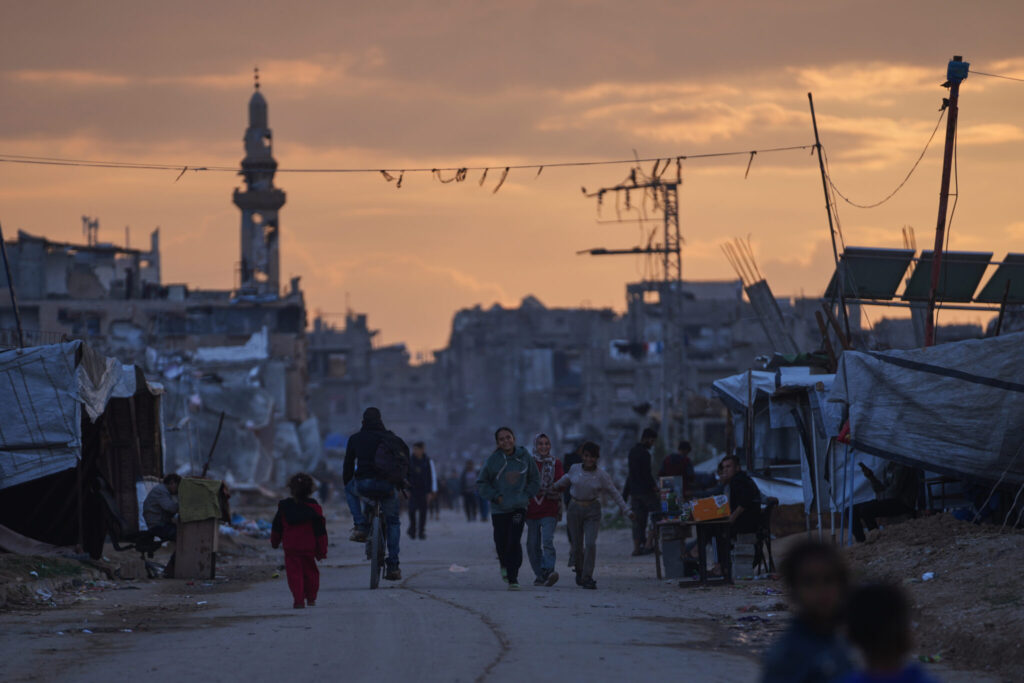
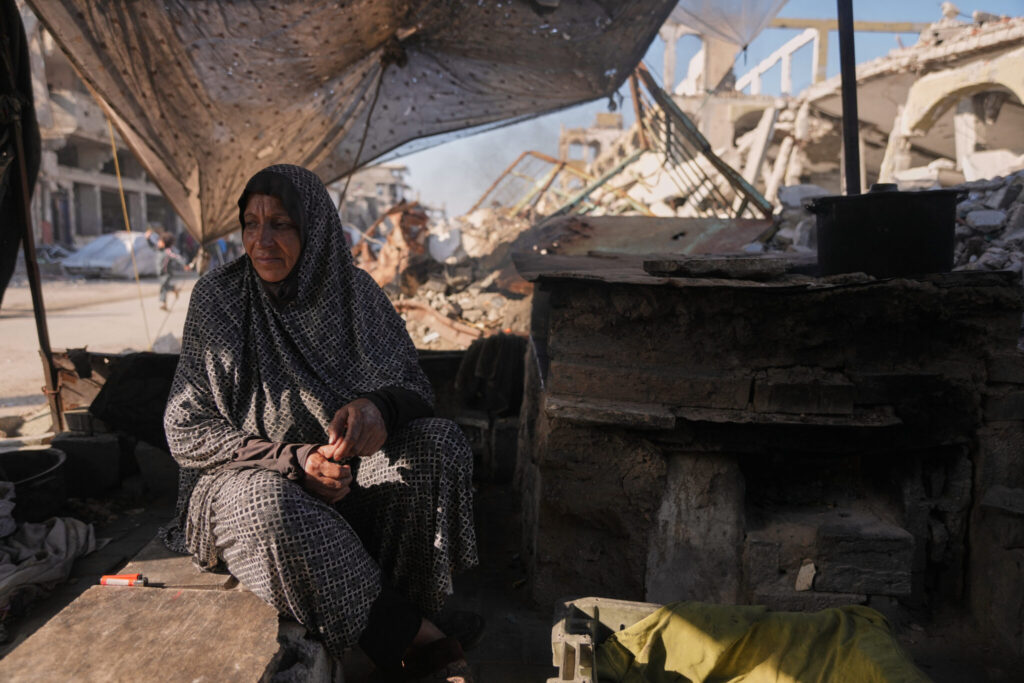
The destruction in Gaza from Israeli airstrikes and ground offensives has been staggering, leaving major cities in ruins. Rebuilding is a key focus of phase two, with plans under discussion that include:
- The UAE possibly funding “temporary Emirates housing complexes” in Israeli-controlled zones
- A U.S.-proposed map suggesting designated areas for planned communities under international supervision
- Competing visions over when and where rebuilding should begin
But sources say the UAE’s role is not finalized, and many Arab leaders want further Israeli withdrawals before reconstruction begins in earnest.
“This is more than rebuilding,” said one Arab official. “It’s about who controls the process, what strings are attached, and how real Palestinian sovereignty is.”
Behind the Scenes: Trump’s Strategy and Netanyahu’s Calculus
The Trump-Netanyahu relationship is deeply personal and politically strategic. Netanyahu was the first foreign leader to meet with Trump after his return to the White House. But this latest meeting carries extra weight.
Inside the Trump administration, sources say the U.S. may consider modifying timelines, offering financial incentives, or even recasting language in the ceasefire agreement to get Israel onboard. Trump’s team is also hoping to name members of the Board of Peace soon, though that announcement may now be delayed into early January.
Behind closed doors, Trump aides — including Mideast envoy Steve Witkoff and Jared Kushner — have been holding talks with Egyptian, Qatari, and Turkish officials to coordinate pressure and incentives.
What to Watch After the Meeting
- Will Trump announce new details about Gaza reconstruction?
- Will Israel formally approve the Palestinian technocratic committee?
- Will Arab states commit troops or funding to the stabilization mission?
- Does Netanyahu signal greater flexibility on disarmament or international oversight?
Big Picture: Ceasefire, Power, and Peace in the Region
Trump’s broader vision is not just about ending the war. It’s a bold — and risky — attempt to reshape the region through diplomacy, money, and a mix of hard and soft power. But the plan’s success hinges on cooperation from a deeply skeptical Israel and a fractured Arab world.
And while Monday’s meeting may mark a pivotal moment, the true test will be whether all parties move beyond rhetoric and start building lasting structures of peace — politically, economically, and physically — in Gaza.
“The entire world is watching what happens next,” said one senior U.S. official. “This isn’t just about Gaza. It’s about credibility, influence, and the legacy of U.S. leadership in the Middle East.”