Trump Pardons Allies, Donors in Clemency Wave/ Newslooks/ WASHINGTON/ J. Mansour/ Morning Edition/ Donald Trump issued a new series of pardons, including political allies and donors, reviving controversy around his use of executive clemency. Among the recipients was Adriana Camberos, previously convicted and re-incarcerated after an earlier commutation. Trump’s decisions sparked renewed scrutiny over political favoritism and erosion of institutional norms.
Trump Pardons Allies and Donors: Quick Looks
- Trump issued 13 pardons and 8 commutations, with an additional pardon announced the next day.
- Adriana Camberos, previously granted clemency, was pardoned again after a second conviction.
- Terren Peizer, convicted of insider trading, also received a presidential pardon.
- Former Puerto Rico Gov. Wanda Vázquez and ex-FBI agent Mark Rossini were pardoned in a federal finance case.
- Banker Julio Herrera Velutini’s daughter donated millions to Trump’s super PAC; Herrera was also implicated.
- Former political figures like Rod Blagojevich and Michael Grimm were among the pardoned.
- Reality TV stars Todd and Julie Chrisley were pardoned after convictions for fraud and tax evasion.
- Texas Rep. Henry Cuellar received clemency in a bribery case, drawing Trump’s later regret.
- Trump’s clemency actions continue to blur legal norms and political loyalty.
Deep Look: Trump Pardons Allies, Donors, and Former Officials in Sweeping Clemency Action
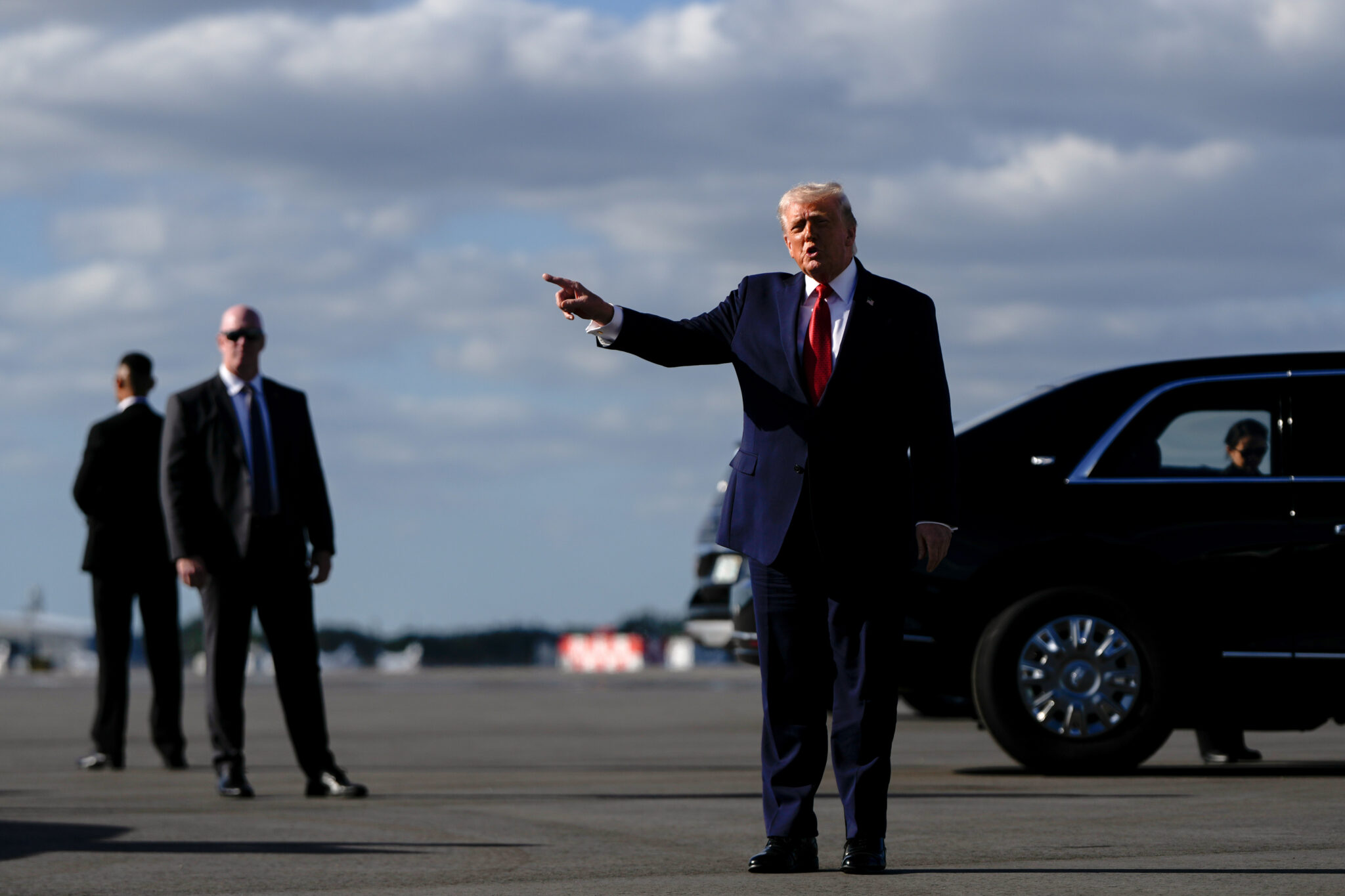
WASHINGTON (AP) — President Donald Trump issued a sweeping wave of pardons and commutations this week, favoring political allies, major donors, and high-profile figures entangled in federal prosecutions. The latest round of clemency decisions, made public on Thursday and Friday, highlights a continued trend of Trump using executive power to reward loyalty and challenge conventional justice norms.
Among the most controversial pardons was that of Adriana Camberos, whose sentence Trump had previously commuted at the close of his first term in 2021. Her initial conviction involved a scheme to divert bottles of 5-Hour Energy drink—originally intended for resale in Mexico—that were fraudulently repackaged and sold domestically. Prosecutors stated the products were relabeled and filled with counterfeit liquid.
Despite being granted clemency once, Camberos and her brother, Andres Camberos, were convicted again in 2024. This time, they misrepresented themselves to manufacturers to secure discounted grocery and consumer goods under the pretense that the items were destined for charitable or international use. Instead, the siblings sold the products at full price to U.S. distributors, netting a substantial profit.
Their pardons were among 13 issued on Thursday, accompanied by eight commutations. On Friday, an additional pardon was granted to Terren Peizer, the former CEO of Ontrak, a Miami-based healthcare firm. Peizer, who maintained residences in Puerto Rico and California, had been sentenced to 42 months in prison and fined over $5 million for insider trading that allowed him to avoid more than $12 million in losses.
Another high-profile recipient of clemency was former Puerto Rico Governor Wanda Vázquez, who pleaded guilty to federal campaign finance violations in August. Prosecutors had sought a one-year sentence, but her legal team argued the plea deal had been mishandled, citing that more serious charges like bribery and fraud were dropped in exchange for the guilty plea.
The case also involved former FBI agent Mark Rossini and banker Julio Herrera Velutini, both of whom were pardoned by Trump. Herrera’s daughter, Isabela Herrera, emerged as a significant donor to Trump’s political efforts, contributing $2.5 million to the MAGA Inc. super PAC in 2024, with another $1 million added the following summer.
These financial connections have drawn scrutiny, with critics accusing Trump of using the pardon power as a political tool to reward personal or financial loyalty. Legal experts warn that such practices risk undermining the legitimacy of the Justice Department and presidential pardon process.
Also pardoned were a number of politically prominent figures from both parties:
- Rod Blagojevich, the former Democratic governor of Illinois whose sentence Trump had commuted during his first term
- John Rowland, Republican ex-governor of Connecticut, who served two federal prison sentences for corruption
- Michael Grimm, former Republican congressman from New York, convicted of tax fraud and infamous for threatening a reporter on camera
- Todd and Julie Chrisley, reality TV personalities convicted of defrauding banks and committing tax evasion
Perhaps the most politically complex pardon was granted to Rep. Henry Cuellar, a Texas Democrat facing charges of bribery and conspiracy. Although Trump issued the pardon, he later expressed regret after Cuellar announced he would seek reelection without switching political parties, a move Trump had reportedly expected.
This latest round of pardons fits a broader pattern seen during Trump’s presidency, where clemency often circumvents the Justice Department’s Office of the Pardon Attorney. Trump previously dismissed the head of that office and has centralized pardon decisions within the White House, bypassing traditional review channels.
Critics argue that this undermines institutional integrity, casting doubt on the fairness of the legal system. Supporters, however, defend Trump’s actions as an effort to challenge what they see as politically motivated prosecutions.
As Trump moves forward in his second term, his continued use of clemency for politically connected individuals highlights a presidency willing to challenge norms and reward allies—even if it sparks fierce political and legal backlash.