

US, Iran Agree to 2-Week Ceasefire, Trump Seizes Diplomatic Offramp Instead of Escalation/ Newslooks/ WASHINGTON/ J. Mansour/ Morning Edition/ Trump delayed expanded strikes against Iran for two weeks. The pause depends on Iran reopening the Strait of Hormuz. Diplomatic negotiations intensified as tensions remained high. Iran says it has accepted a two-week ceasefire in the war.
Trump Iran Ceasefire Quick Looks
- Trump offers two-week ceasefire
- Iran must reopen Strait of Hormuz
- Attacks on infrastructure paused temporarily
- Iran says it has accepted a two-week ceasefire in the war
- US military has halted all offensive operations against Iran, US official says, but continues defensive actions
- Trump previously threatened civilian targets
- Diplomatic talks continue through mediators
- Airstrikes still hit military targets
- Iran warns of retaliation
- Global oil supply at risk
- International leaders warn of war crimes
- Casualties continue across region
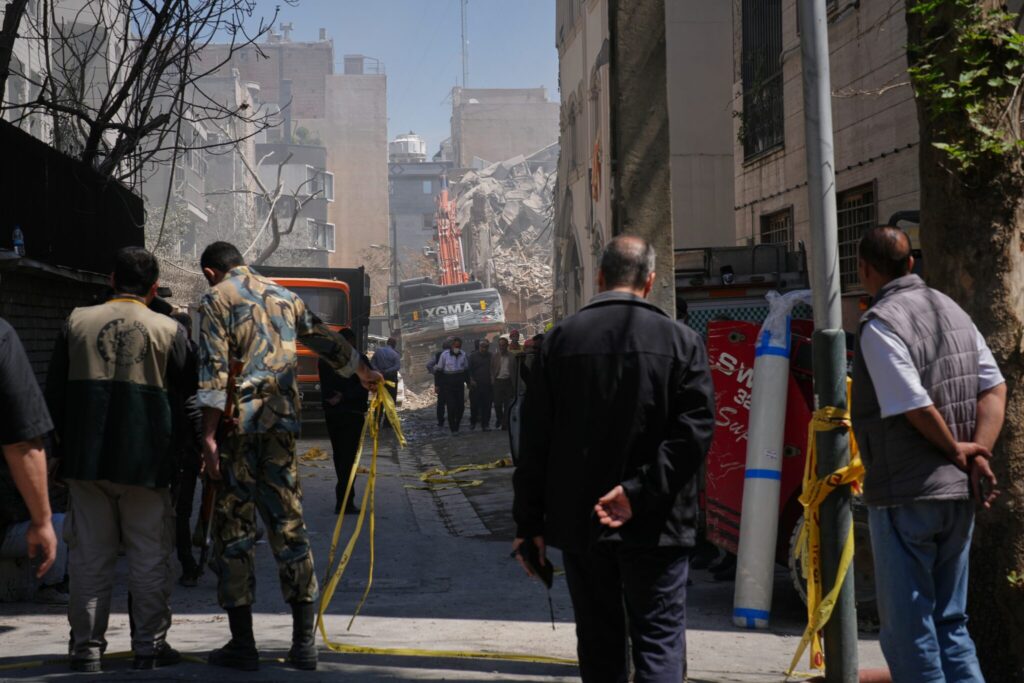
Deep Look: Trump Pulls Back Threats, Offers Two-Week Ceasefire With Iran
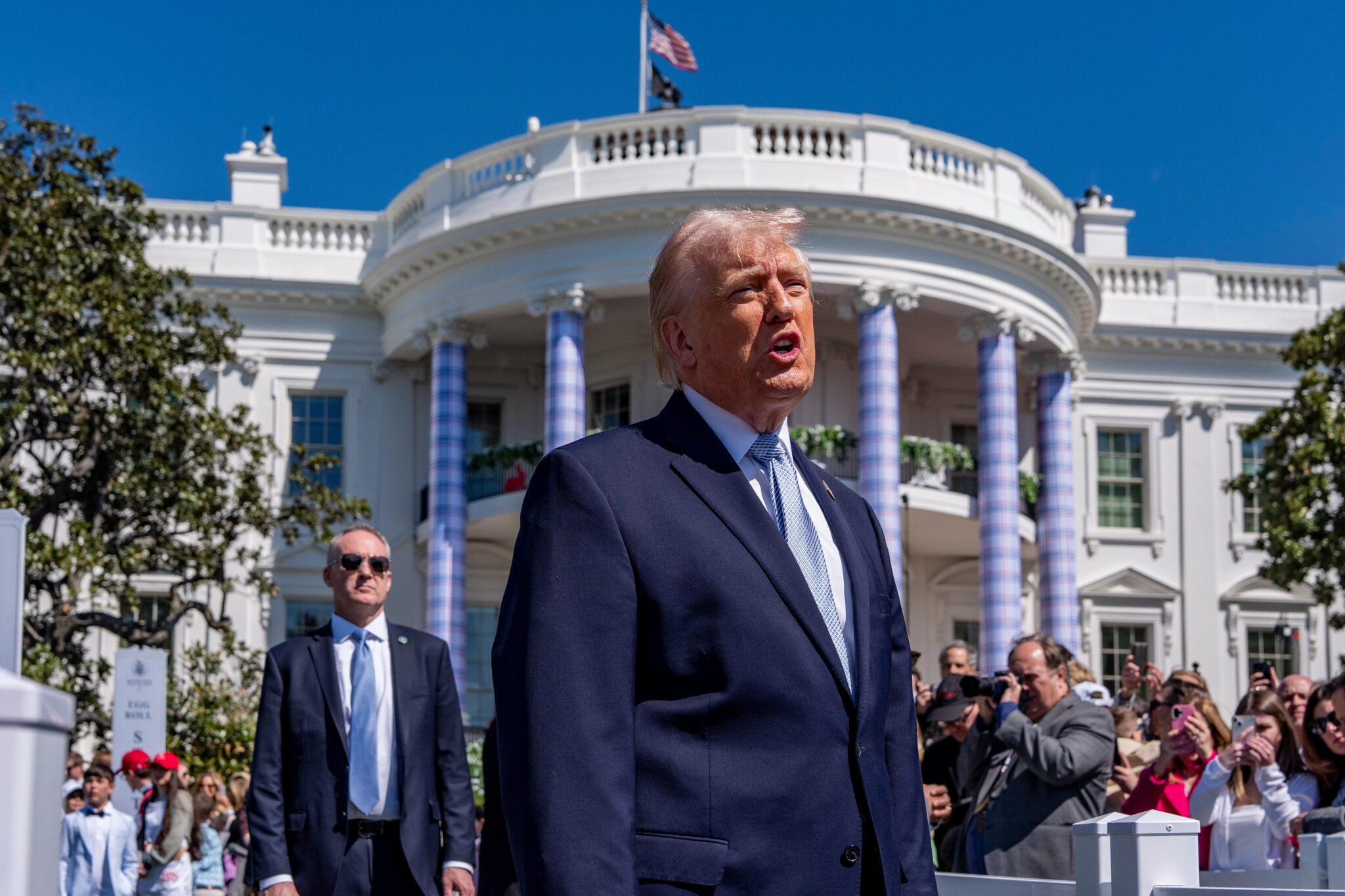
TEHRAN — President Donald Trump said Tuesday he would pause threats to expand attacks on Iranian infrastructure if Tehran agrees to a two-week ceasefire and reopens the Strait of Hormuz, offering a potential diplomatic off-ramp after escalating tensions.
In a social media post Tuesday evening, Trump said Iran could agree “to the COMPLETE, IMMEDIATE, and SAFE OPENING of the Strait of Hormuz,” adding that he would then suspend bombing operations for two weeks. The proposal marked a shift after days of increasingly aggressive rhetoric and looming deadlines.
The move followed Trump’s earlier warning that “a whole civilization will die tonight” if Iran did not meet U.S. demands — a threat that drew international condemnation and raised fears of a broader regional conflict.
Trump says Iran has proposed a ‘workable’ 10-point peace plan that could help end war
The president added in his social media post that Iran has presented “a workable basis on which to negotiate.”
“Almost all of the various points of past contention have been agreed to between the United States and Iran, but a two-week period will allow the Agreement to be finalized and consummated,” Trump said in the post.
Diplomatic Pressure Builds
As the deadline approached, indirect negotiations between the United States and Iran continued. Pakistan’s Prime Minister Shehbaz Sharif urged Trump to extend the deadline by two weeks to allow diplomacy to progress.
Sharif also encouraged Iran to reopen the Strait of Hormuz during that period, a critical waterway through which roughly one-fifth of the world’s oil supply normally flows.
The White House confirmed Trump had been informed of the proposal before announcing the two-week pause.
US military has halted all offensive operations against Iran, US official says, but continues defensive actions
White House insists that Trump stands with innocent civilians in Iran
That’s according to a statement by spokeswoman Anna Kelly in response to criticism the president’s comments have received.
“As President Trump has said, Iran can never have a nuclear weapon, and the Iranian people welcome the sound of bombs because it means their oppressors are losing,” the statement says.
“The President will always stand with innocent civilians while annihilating the terrorists responsible for threatening our country and the entire world with a nuclear weapon. Greater destruction can be avoided if the regime understands the seriousness of this moment and makes a deal with the United States.”
Airstrikes Continue Despite Diplomacy
Even as diplomatic discussions intensified, airstrikes continued across Iran. Attacks reportedly hit two bridges and a train station, while U.S. forces targeted military infrastructure on Kharg Island — a key Iranian oil hub.
Israeli Prime Minister Benjamin Netanyahu said Israeli warplanes also struck bridges and railways used by Iranian forces to transport weapons.
Iran responded by launching strikes toward Israel and Saudi Arabia, prompting the temporary closure of a major bridge and raising fears of further escalation.
Iran Mobilizes Civilians
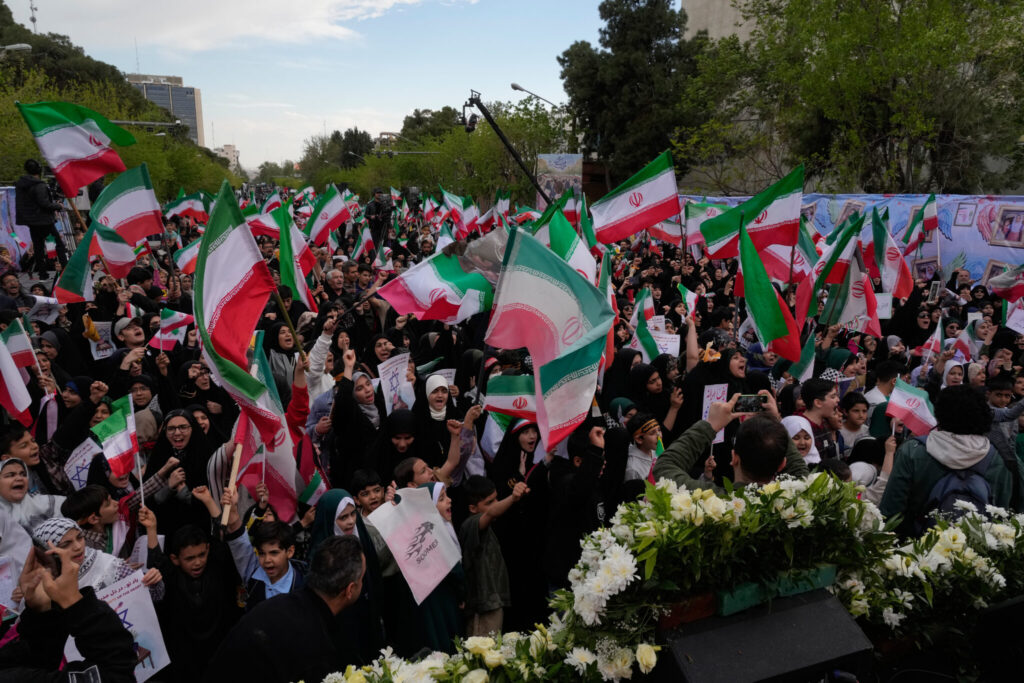
Iranian officials urged citizens to form human chains around potential targets, including power plants and bridges, in an effort to deter strikes.
Videos posted by Iranian media showed crowds gathering near infrastructure sites, though it remained unclear how widespread the effort was.
Iran’s president also said millions of citizens had volunteered to defend the country, underscoring the growing tension within Iran.
Iran says it has accepted a two-week ceasefire in the war
Iran’s Supreme National Security Council said it has accepted a two-week ceasefire in the war. Its statement said it would negotiate with the United States in Islamabad beginning Friday.
“It is emphasized that this does not signify the termination of the war,” the statement said. “Our hands remain upon the trigger, and should the slightest error be committed by the enemy, it shall be met with full force.”
U.S. President Donald Trump said he’s pulling back on his threats to widen attacks on Iran. The president said that includes an array of bridges, power plants and other civilian targets — subject to Iran being ready for a two-week ceasefire and to reopen the Strait of Hormuz.
Trump’s latest threat over the Iran war hit a new extreme earlier Tuesday when he warned, “A whole civilization will die tonight, never to be brought back again,” if Iran fails to make a deal that includes reopening the vital Strait of Hormuz.
The Republican president’s earlier comments were swiftly met with condemnation from Democrats, some “Make America Great Again” supporters who have since broken with Trump, and the first American pope.
White House doesn’t immediately clarify what Trump meant by ‘workable’ Iranian plan
The White House on Tuesday night did not answer messages on why the president described Iran’s 10-point peace plan as “workable.”
Among the points communicated by Tehran were an easing of U.S. sanctions on Iran and “the withdrawal of United States combat forces from all bases and points of deployment within the region.”
In his social media post announcing a postponement of his threatened bombing campaign, Trump wrote: “We received a 10 point proposal from Iran, and believe it is a workable basis on which to negotiate.”
The White House did not immediately clarify what Trump meant or provide details on what a “basis” for future negotiations might entail.
International Criticism Grows
Trump’s threats to target civilian infrastructure drew criticism from global leaders.
Pope Leo XIV described the threats as “truly unacceptable” and warned such actions could violate international law.
French Foreign Minister Jean-Noël Barrot also warned that targeting civilian infrastructure could constitute war crimes.
A spokesperson for U.N. Secretary-General António Guterres said the United Nations was “deeply troubled” by the threats and emphasized that civilian infrastructure should not be targeted.
Trump dismissed concerns about war crimes, saying he was not worried about legal consequences.
Rising Civilian Fears
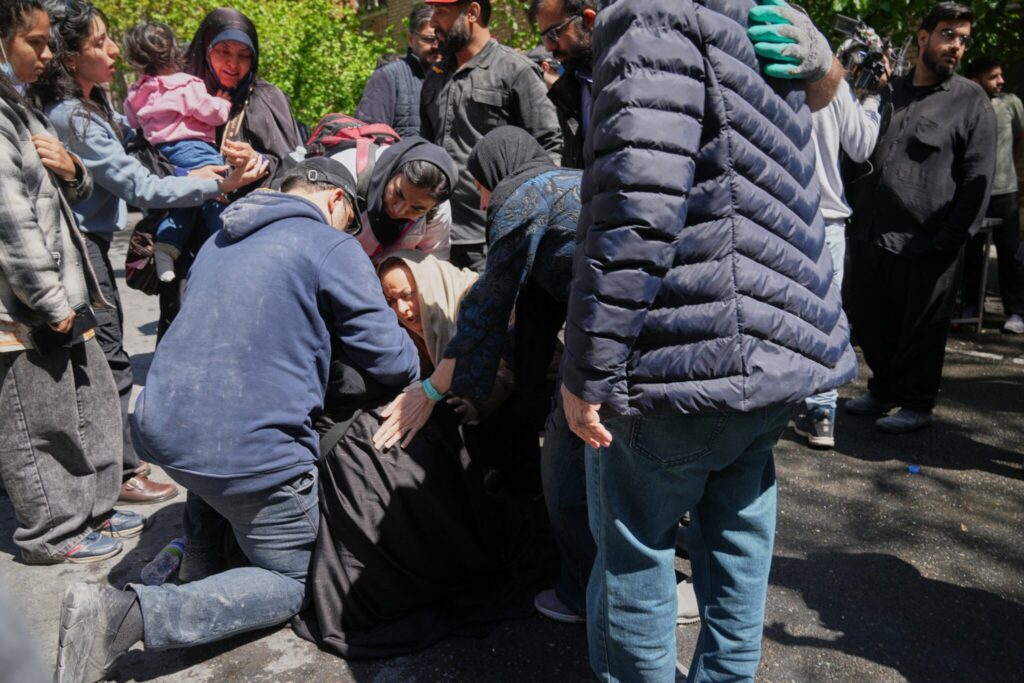
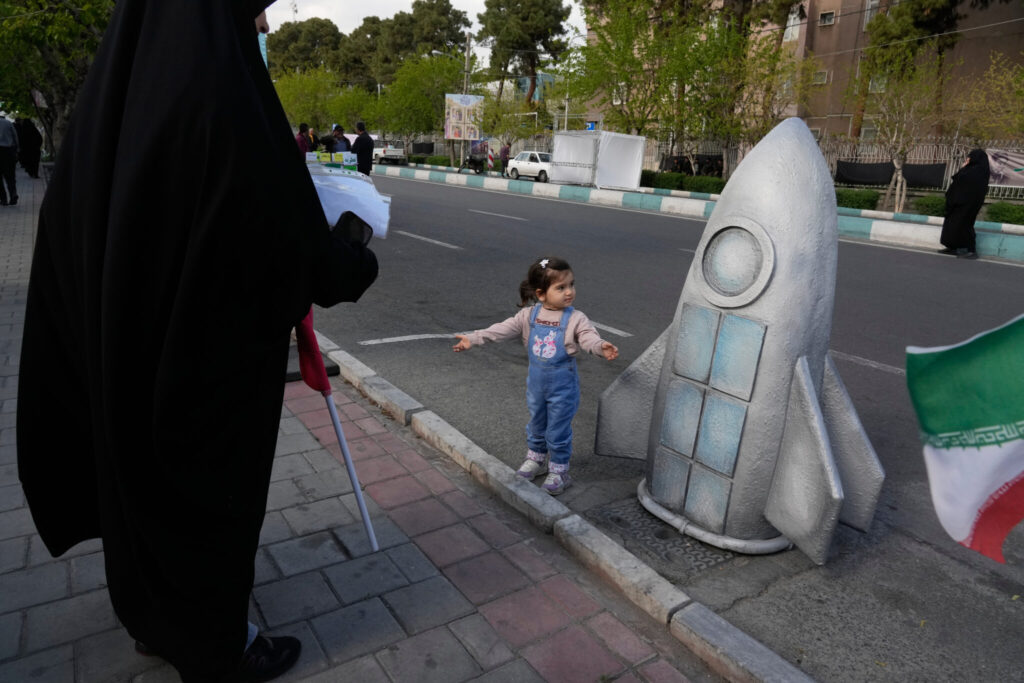
In Tehran, residents expressed growing fear about potential attacks.
A teacher speaking anonymously told The Associated Press that destruction of power and water infrastructure could create chaos and humanitarian crises.
“If we don’t have electricity, water, and gas, we’re really going back to the Stone Age,” she said.
Many residents reported stockpiling supplies, while others fled major cities amid escalating tensions.
Regional Casualties Continue
The conflict has already caused significant casualties across the region:
- More than 1,900 killed in Iran
- Over 1,500 killed in Lebanon
- More than 1 million displaced in Lebanon
- 23 reported dead in Israel
- 13 U.S. service members killed
The ongoing conflict has also disrupted global oil markets and raised fears of prolonged instability.
High-Stakes Diplomacy
Trump’s two-week pause offers a potential window for diplomacy, but uncertainty remains.
Iran previously rejected a 45-day ceasefire proposal, demanding a permanent end to hostilities.
With both sides maintaining military operations and rhetoric escalating, the next two weeks could determine whether the conflict de-escalates or intensifies.




You must Register or Login to post a comment.