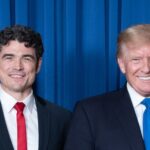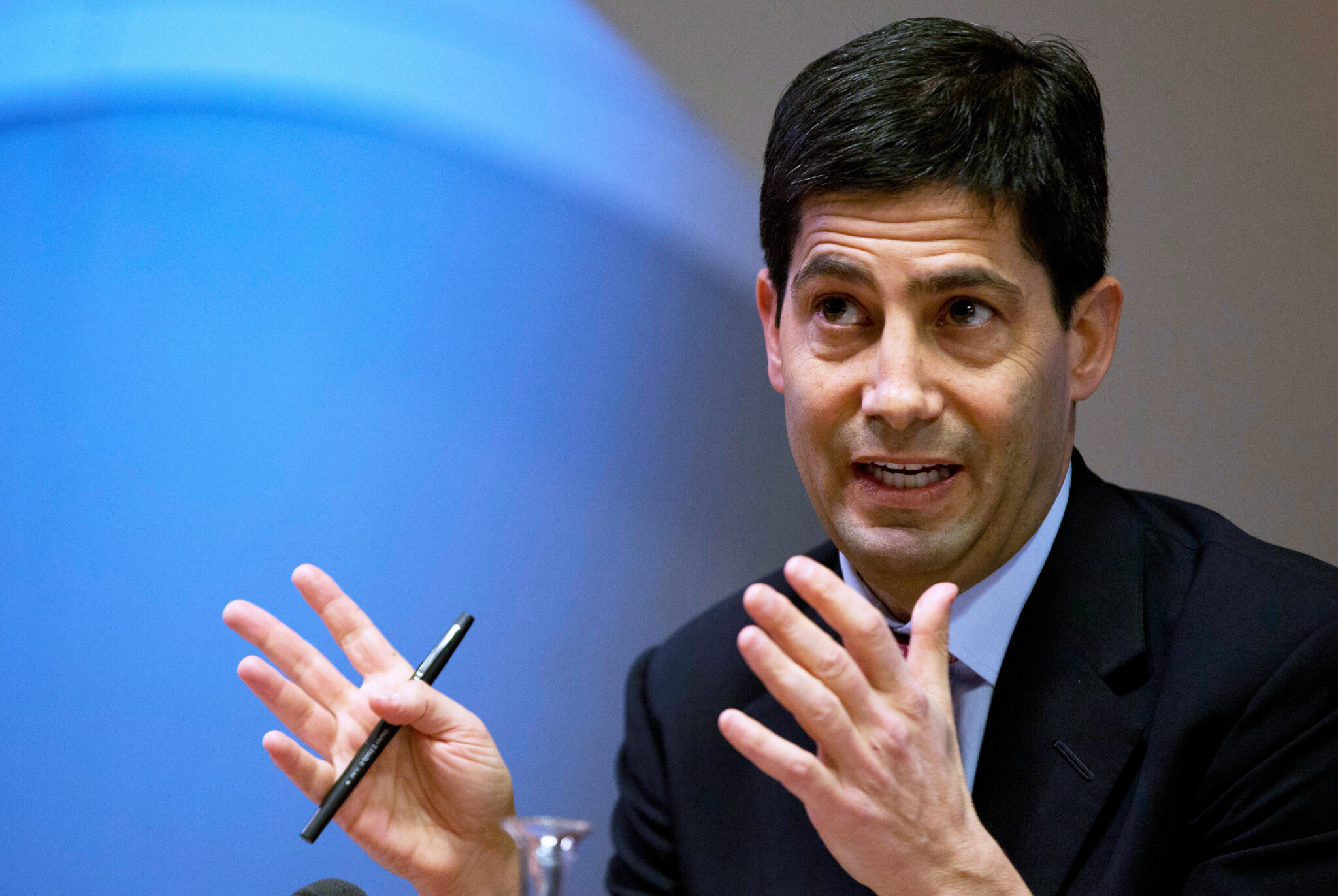
Trump Picks Kevin Warsh to Replace Fed Chair Powell/ Newslooks/ WASHINGTON/ J. Mansour/ Morning Edition/ President Donald Trump has nominated former Federal Reserve governor Kevin Warsh as the next chair, signaling a major shift in monetary policy. Warsh, a Fed hawk and Trump ally, would replace Jerome Powell when his term expires in May. The move could reduce Fed independence and align it more closely with Trump’s economic agenda.
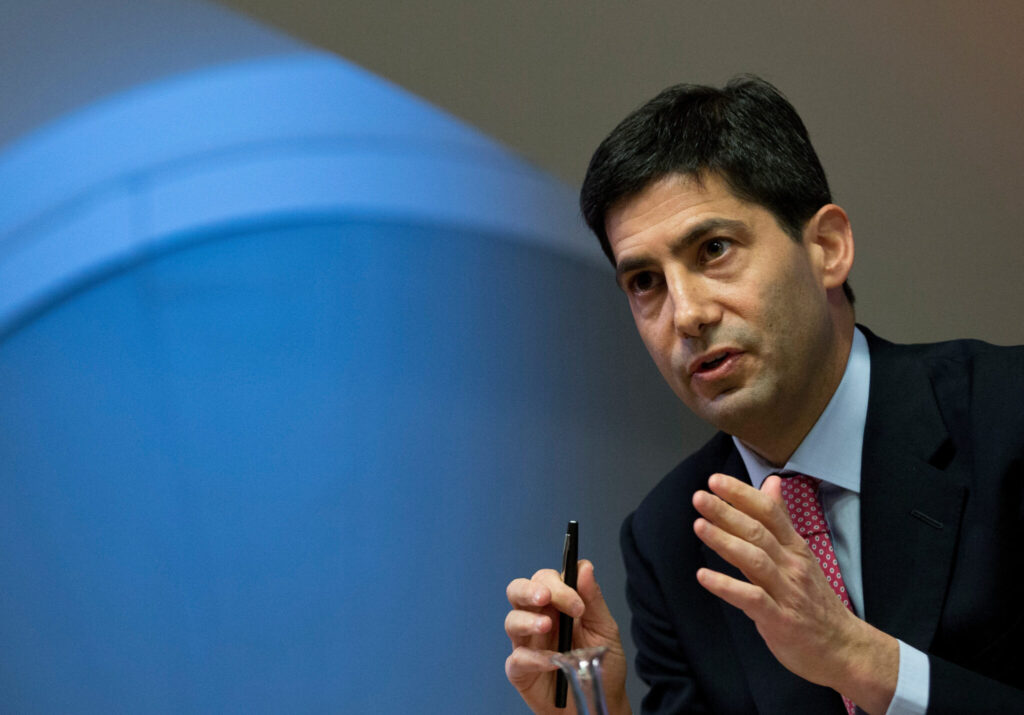
Kevin Warsh Fed Chair Quick Looks
- Warsh to replace Powell as Federal Reserve chair in May.
- Trump praises Warsh, calls him “central casting” for the role.
- Warsh, a former Fed governor, is a Hoover Institution fellow.
- Markets react sharply to the nomination; gold and silver drop.
- Democrats criticize Warsh’s Wall Street leanings post-2008 crisis.
- Nomination requires Senate confirmation; reactions split along party lines.
- Warsh’s hawkish history contrasts Trump’s push for low rates.
- Potential conflict ahead over Fed independence and rate cuts.
- Warsh criticizes Fed’s focus on climate and equity issues.
- Trump signals tighter control of Fed, targeting rate policy.
Deep Look
Trump Selects Kevin Warsh as Next Federal Reserve Chair, Replacing Powell
WASHINGTON — President Donald Trump announced Friday his intent to nominate Kevin Warsh as the next chair of the Federal Reserve, replacing Jerome Powell when his term ends in May. The decision, revealed via Trump’s Truth Social account, marks a pivotal moment for the central bank and could significantly reshape its direction toward Trump’s economic priorities.
“I have known Kevin for a long period of time, and have no doubt that he will go down as one of the GREAT Fed Chairmen, maybe the best,” Trump posted, calling Warsh “central casting” and declaring, “he will never let you down.”
Warsh, 55, previously served as a Federal Reserve governor from 2006 to 2011, becoming the youngest person ever appointed to the board at just 35. He is now affiliated with the Hoover Institution and teaches at Stanford Business School. His nomination must be confirmed by the Senate.
While Warsh’s past stances suggest a more hawkish approach—favoring higher interest rates to combat inflation—he has recently softened his tone, aligning more closely with Trump’s demand for lower rates. The Fed’s current benchmark rate stands near 3.6%, while Trump has publicly advocated for slashing it closer to 1%.
Warsh was skeptical of the Fed’s ultra-low-rate policies during the 2008 financial crisis and was vocal in his belief that inflation would rise—though that inflation never materialized for years. Despite that, in recent writings, including a 2025 Wall Street Journal op-ed, Warsh has supported deregulation and reduced government spending, claiming they would help curb inflation and create room for rate cuts.
Market Reaction and Political Response
Financial markets initially fell on the news of Warsh’s nomination. Gold dropped nearly 5%, silver plunged 13%, and the U.S. dollar rebounded slightly after a prolonged slump.
Reactions on Capitol Hill split along party lines. Senator Tim Scott (R-SC), chair of the Senate Banking Committee, welcomed Warsh’s nomination and emphasized the need to maintain Fed independence. In contrast, Senator Elizabeth Warren (D-MA) criticized Warsh, accusing him of prioritizing Wall Street interests during the 2008 crash.
Warsh beat out several contenders for the role, including Trump’s top economic adviser Kevin Hassett, BlackRock’s Rick Rieder, and current Fed governor Christopher Waller.
Implications for Fed Independence
The appointment comes amid growing concerns about the central bank’s independence. Trump has repeatedly attacked the Fed’s policies and tried to influence monetary decisions during both his presidential terms. His decision to nominate Warsh—an ideological ally who has echoed criticisms of the Fed’s current direction—raises questions about how insulated the institution will remain from political pressure.
The Fed chair oversees decisions that ripple across the economy, influencing everything from mortgage and credit card rates to banking regulations. Warsh is expected to fill an open seat on the board currently held on an interim basis, before ascending to chair when Powell steps down.
In 2025, Trump attempted to fire Fed Governor Lisa Cook, another sign of his efforts to reshape the board’s makeup. Cook sued to retain her position, and the Supreme Court appears likely to uphold her seat pending resolution.
Warsh’s Views and Policy Outlook
Warsh’s views on central banking have evolved. Though originally a rate hawk, he has shown increasing support for rate cuts under Trump’s economic agenda. He has also been a sharp critic of the Fed’s expansion into issues such as climate change and diversity, which he views as distractions from its core monetary mandate.
In a July 2025 CNBC interview, Warsh slammed the Fed for what he called the “greatest macroeconomic policy error in 45 years,” referring to the inflation surge in 2021–22. He accused Powell’s Fed of drifting from traditional goals and called for a “regime change” at the institution.
His alignment with Trump on regulatory rollback, government spending cuts, and pro-growth monetary policy could bring the Fed closer to the White House than at any point in decades.
Challenges Ahead
If confirmed, Warsh may face resistance in implementing steep rate cuts. The Fed chair is only one voice among 19 on the Federal Open Market Committee, 12 of whom vote on interest rate decisions. The committee remains divided between those focused on combating inflation and those advocating stimulus to counter rising unemployment.
Financial markets could also rebel if they perceive the Fed as too politically influenced. Aggressive rate cuts could trigger inflation fears, prompting investors to dump U.S. Treasury bonds. This could push long-term borrowing costs—like mortgage rates—higher, counteracting the intended stimulus.
Trump’s choice of Warsh signals a bold move to shift the Federal Reserve’s trajectory, potentially making it more responsive to White House priorities. With Warsh’s track record, academic ties, and Wall Street credibility, his leadership could usher in an era of more direct executive influence on U.S. monetary policy.