Trump Pledges $10B for Gaza Peace Board, Eyes UN Oversight/ Newslooks/ WASHINGTON/ J. Mansour/ Morning Edition/ President Donald Trump pledged $10 billion for his Board of Peace as nine countries committed $7 billion for Gaza relief. The initiative aims to rebuild Gaza and deploy an international stabilization force. Trump suggested the board could “look over” the United Nations, drawing global attention.
Trump Board of Peace Gaza Funding Quick Looks
- U.S. pledges $10 billion to Board of Peace
- Nine countries commit $7 billion for Gaza relief
- Over 40 nations attend inaugural meeting
- Gaza reconstruction needs estimated at $70 billion
- International stabilization force under discussion
- Trump says board will “look over” the UN
- Iran talks described as “very interesting”
- Political rivalries surface during summit
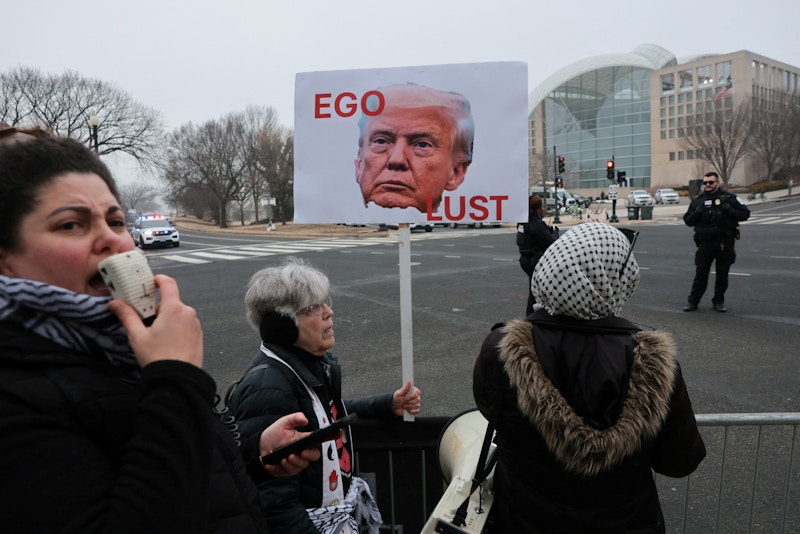
Deep Look: Trump Pledges $10B for Gaza Peace Board, Eyes UN Oversight
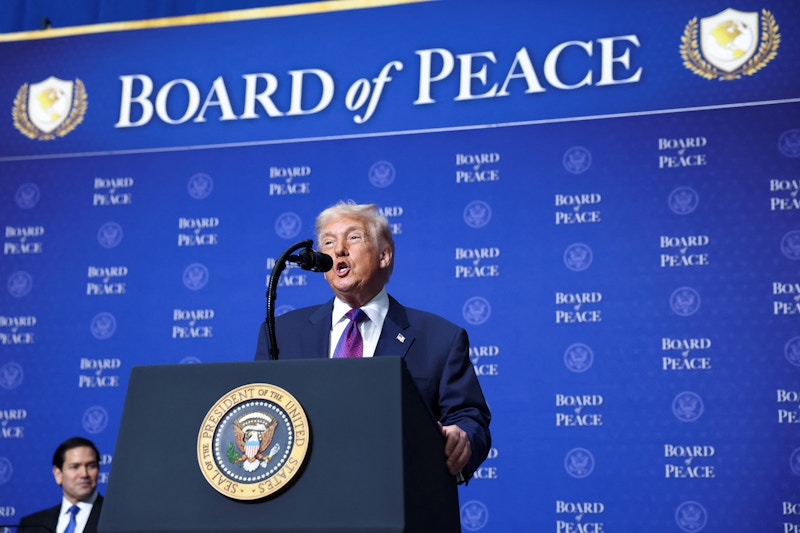
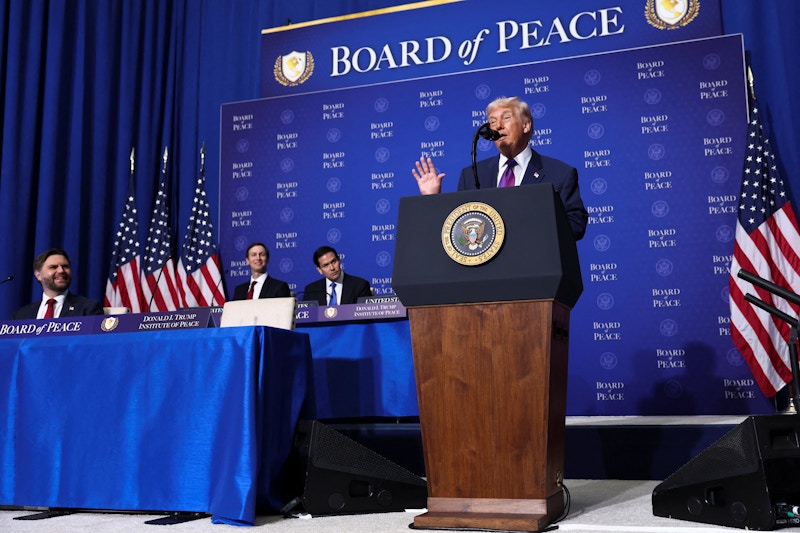
President Donald Trump formally launched his Board of Peace on Thursday, committing $10 billion in U.S. funding and announcing an additional $7 billion in pledges from nine nations for humanitarian relief and reconstruction efforts in Gaza.
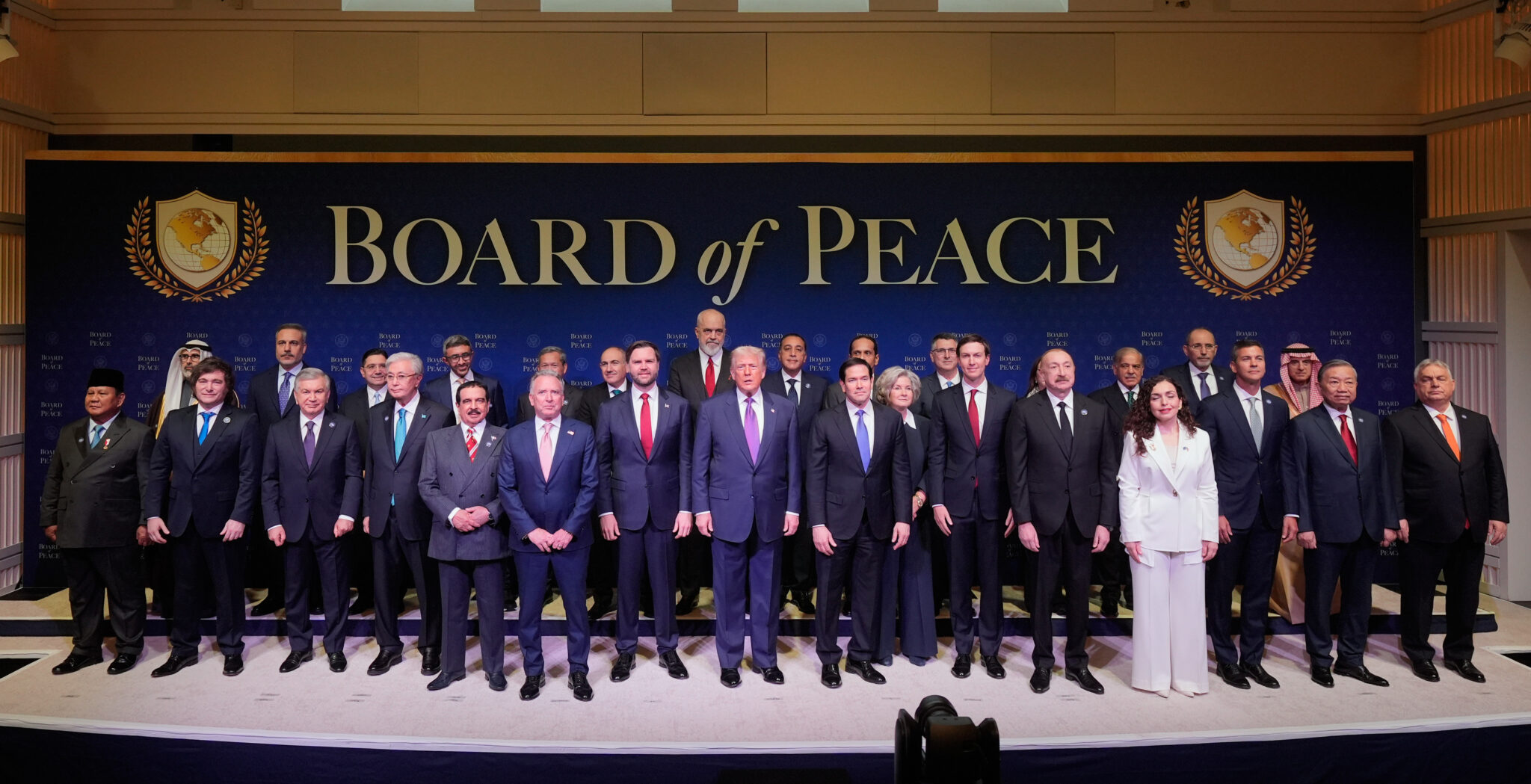
The high-profile gathering brought representatives from more than 40 countries to Washington, with observers from about a dozen others attending. The initiative centers on rebuilding the war-ravaged Palestinian territory and organizing an international stabilization force to preserve a fragile ceasefire.
Billions Pledged for Reconstruction
Trump said the United States would contribute $10 billion to the Board of Peace but did not detail how the funds would be allocated. The announcement came as Kazakhstan, Azerbaijan, the United Arab Emirates, Morocco, Bahrain, Qatar, Saudi Arabia, Uzbekistan and Kuwait pledged a combined $7 billion for Gaza relief.
While significant, the total commitments represent only a portion of the estimated $70 billion required to rebuild Gaza after two years of conflict.
“Every dollar spent is an investment in stability and hope,” Trump said while thanking the donor nations.
A Broader Vision — and UN Tensions
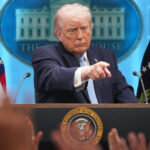
In his remarks, Trump revisited longstanding criticism of the United Nations, arguing that the global body has not lived up to its conflict-resolution potential. He suggested the Board of Peace could effectively serve as a supervisory mechanism.
“The Board of Peace is gonna almost be looking over the United Nations,” Trump said, adding that the U.S. would continue working closely with the UN.
The comments reinforced concerns among some U.S. allies that the board could evolve into a rival international institution. Several key Western allies, including the United Kingdom, France and Canada, have not formally joined the initiative, though many countries have sent representatives.
Trump brushed off the hesitation, saying nations that had not signed on were “playing cute” and predicting they would ultimately join what he described as the “most prestigious board ever put together.”
Stabilization Force and Governance Plans
A central element of the board’s mission is assembling an international stabilization and policing force to operate in Gaza. Thousands of personnel are expected to be committed, although detailed deployment plans have not been finalized.
The Gaza Executive Board, the operational arm of the initiative, is tasked with establishing governance systems, public services and security frameworks in the territory.
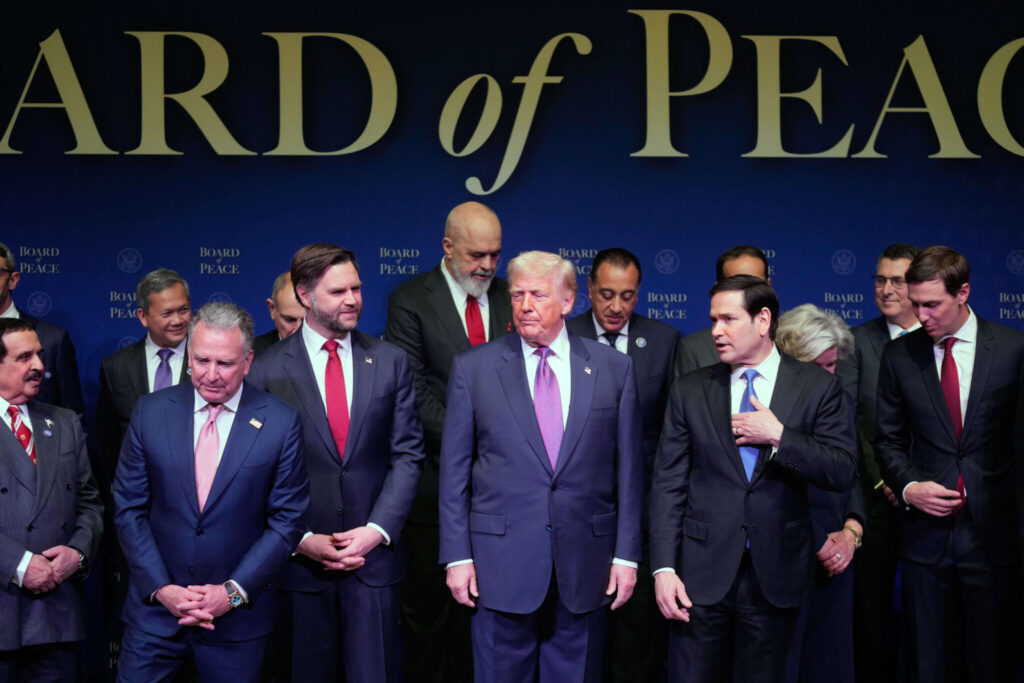
The summit opened with a symbolic “family photo,” with Trump flanked by Vice President JD Vance and Secretary of State Marco Rubio. Leaders including Viktor Orbán and Javier Milei were among those in attendance.
Iran and Other Global Flashpoints
During the meeting, Trump briefly addressed escalating tensions with Iran, calling it a “hotspot” but expressing cautious optimism about ongoing diplomatic efforts.
“Very interesting talks” have taken place with Iranian officials, Trump said, even as U.S. military assets have increased their presence in the region. He warned that a meaningful agreement would be necessary to avoid serious consequences.
The Board of Peace summit occurred amid heightened geopolitical activity, including nuclear discussions with Iran and ongoing efforts to manage post-war stability in Gaza.
Domestic Political Undercurrents
The event also highlighted political dynamics within Trump’s administration. The president praised both Vance and Rubio — widely seen as potential 2028 Republican presidential contenders — while playfully contrasting their leadership styles.
Trump joked that Rubio’s performance at the Munich Security Conference had been so strong that he risked “outshining” him.
Meanwhile, Oklahoma Gov. Kevin Stitt, whom Trump recently criticized as a “RINO,” adopted a conciliatory tone, acknowledging the challenges of presidential leadership during a National Governors Association event.
In another surprising moment, Trump claimed Rubio had renamed the United States Institute of Peace in his honor without prior notice — a move currently subject to legal challenges after the institute’s independent status was revoked and its leadership replaced.
Endorsements and Global Messaging
Trump used the global platform to endorse several foreign leaders, continuing a pattern of outspoken support for figures aligned with his worldview.
“I endorse when I like people,” he said, naming Orbán and Milei among others.
The endorsements and rhetoric underscored the broader geopolitical ambitions Trump has attached to the Board of Peace — a body he envisions not only rebuilding Gaza but reshaping global diplomacy.
What Comes Next
With $17 billion now pledged collectively and dozens of nations participating, the Board of Peace begins its work under intense scrutiny. Its success will depend on translating financial commitments into tangible reconstruction progress and securing sustained international cooperation.
The scale of Gaza’s rebuilding challenge remains immense. Whether Trump’s new institution complements or competes with the United Nations may ultimately shape its legacy.
For now, the administration is framing the board as a bold experiment in global problem-solving — one that Trump calls “one of the most important and consequential things” of his presidency.