

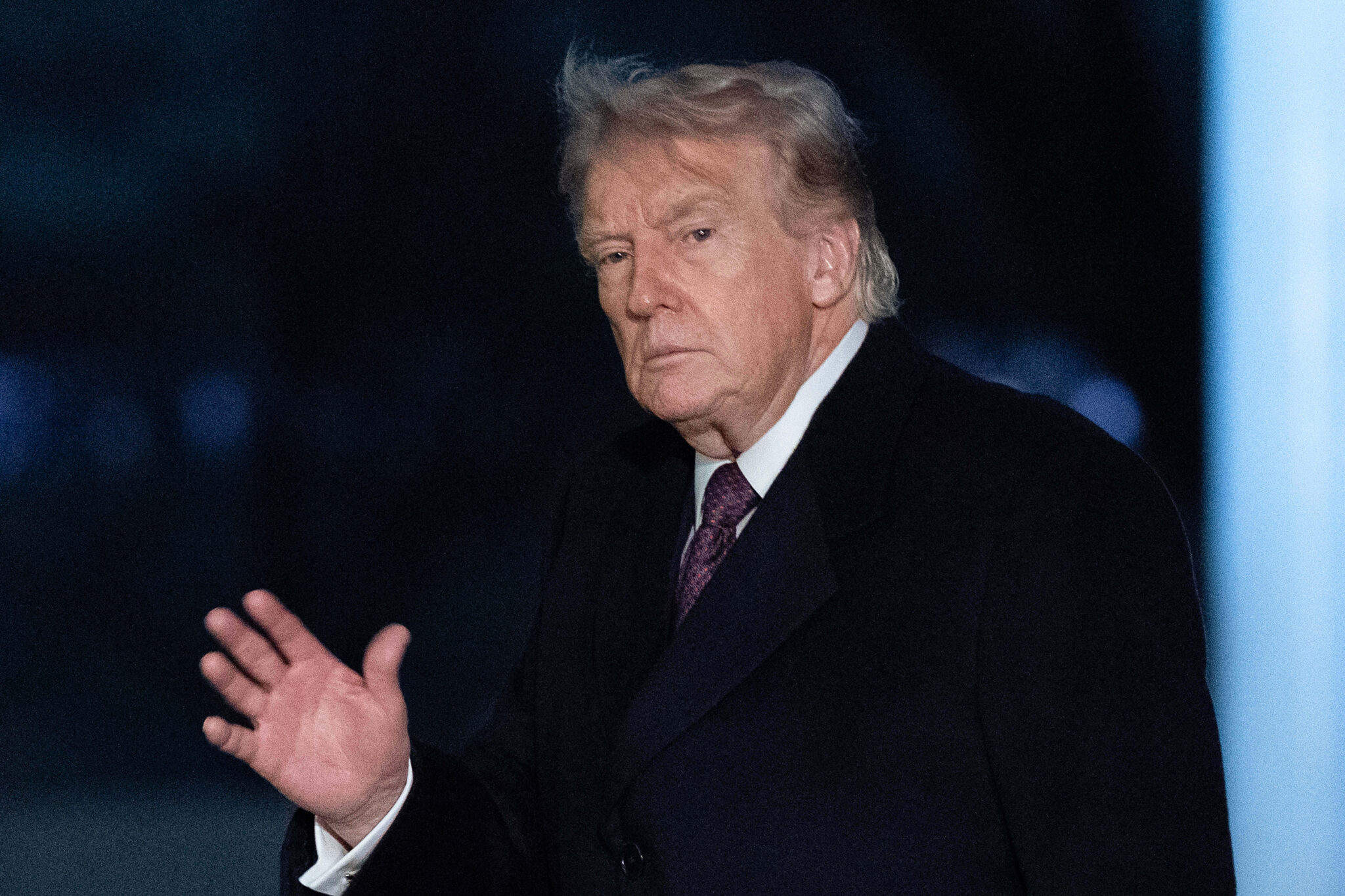
Trump Presses China, Allies as Hormuz Crisis Deepens After Bypassing Iran Diplomacy/ Newslooks/ WASHINGTON/ J. Mansour/ Morning Edition/ President Donald Trump is urging China and other countries to help reopen the Strait of Hormuz after the Iran war sent oil prices sharply higher. The appeal comes after Trump largely bypassed broad diplomatic coordination before launching strikes with Israel on Iran. So far, major powers have shown little willingness to join a U.S.-backed maritime coalition.
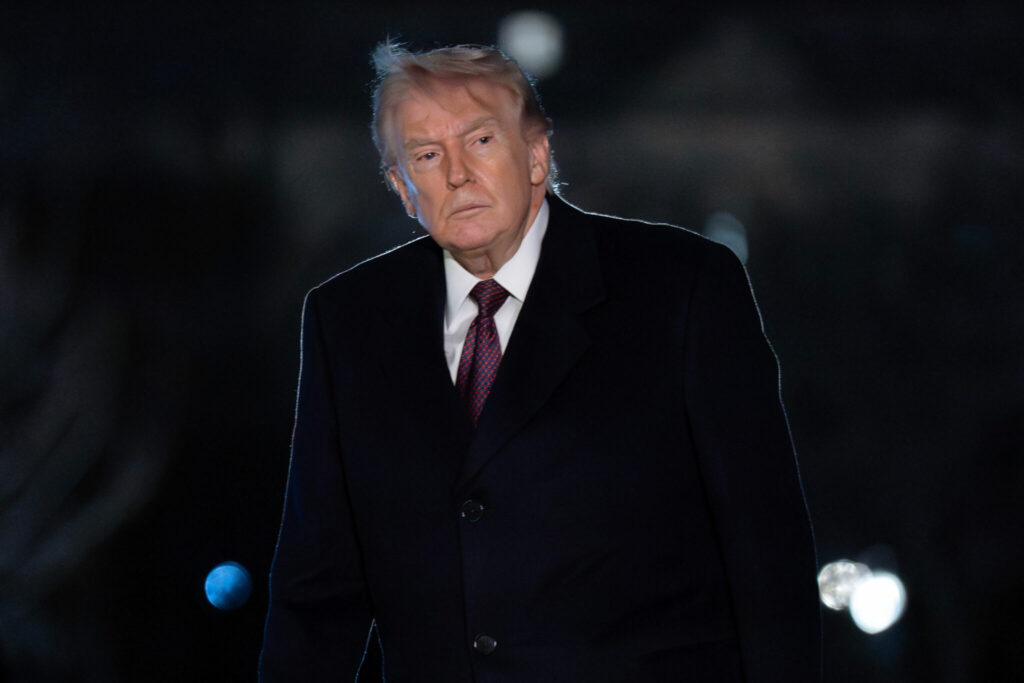
Trump China Strait of Hormuz Quick Looks
- Trump is pressing allies to help reopen the Strait of Hormuz.
- The waterway carries about one-fifth of global traded oil.
- No major country has yet committed warships to a coalition.
- Trump suggested China’s role could affect his planned Beijing trip.
- Treasury Secretary Scott Bessent later said any trip delay would be logistical.
- Britain, France, and China have all responded cautiously.
- The Iran war has pushed oil and gas prices higher.
- The White House says Trump is right to demand more help.
Deep Look: Trump Presses China, Allies as Hormuz Crisis Deepens After Bypassing Iran Diplomacy
President Donald Trump is ramping up pressure on China and other global powers to help contain the fallout from the Iran war, even as questions grow over how the United States reached this point with limited diplomatic coordination.
After choosing a more unilateral path into conflict alongside Israel, Trump is now calling on foreign governments to help reopen the Strait of Hormuz, the critical shipping lane that has become one of the biggest flashpoints in the war’s economic aftermath.
The narrow waterway is one of the most important oil transit routes in the world, carrying roughly 20% of globally traded crude. With shipping heavily disrupted and energy prices surging, the White House is trying to spread the burden of restoring maritime security.
Trump said he has asked roughly half a dozen to seven countries to contribute military support, including warships, to help protect tanker traffic and reopen the strait. But so far, none of those countries has made a firm commitment.
Speaking to reporters, Trump argued that nations benefiting most from Gulf oil should help defend the route themselves.
He framed the effort as a matter of shared responsibility, saying countries that rely heavily on the passage should do more rather than expecting Washington to carry the mission alone.
That approach reflects a familiar Trump strategy. In both foreign policy and trade, he has often relied on public pressure, transactional demands, and direct leverage rather than quiet coalition-building. The tactic helped him push NATO allies to raise defense spending and has also shaped his tariff-heavy approach to trade negotiations.
But the Hormuz crisis presents a tougher challenge.
Unlike previous disputes centered on budgets or market access, this one involves an active war, direct threats to shipping, and fears of a broader regional escalation. Countries being asked to assist are weighing not just diplomatic costs, but the prospect of being pulled deeper into a conflict they neither planned nor endorsed.
China has been especially central to Trump’s latest messaging.
The president suggested that Beijing’s heavy dependence on Middle East oil should make it a natural partner in any effort to secure the strait. He also hinted that China’s willingness to help could influence whether he moves forward with his long-anticipated trip to Beijing later this month.
In an interview, Trump said he wanted clarity on China’s position before traveling, and raised the possibility that the visit could be delayed.
That remark immediately added a new layer of tension to U.S.-China relations, which have only recently stabilized after months of tariff threats and economic friction.
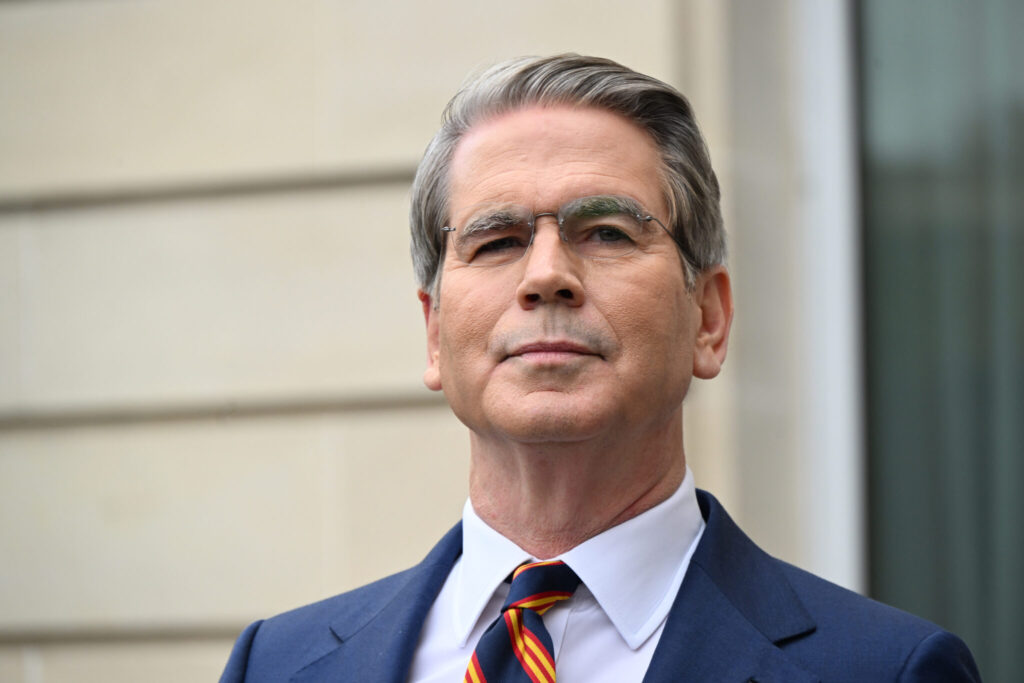
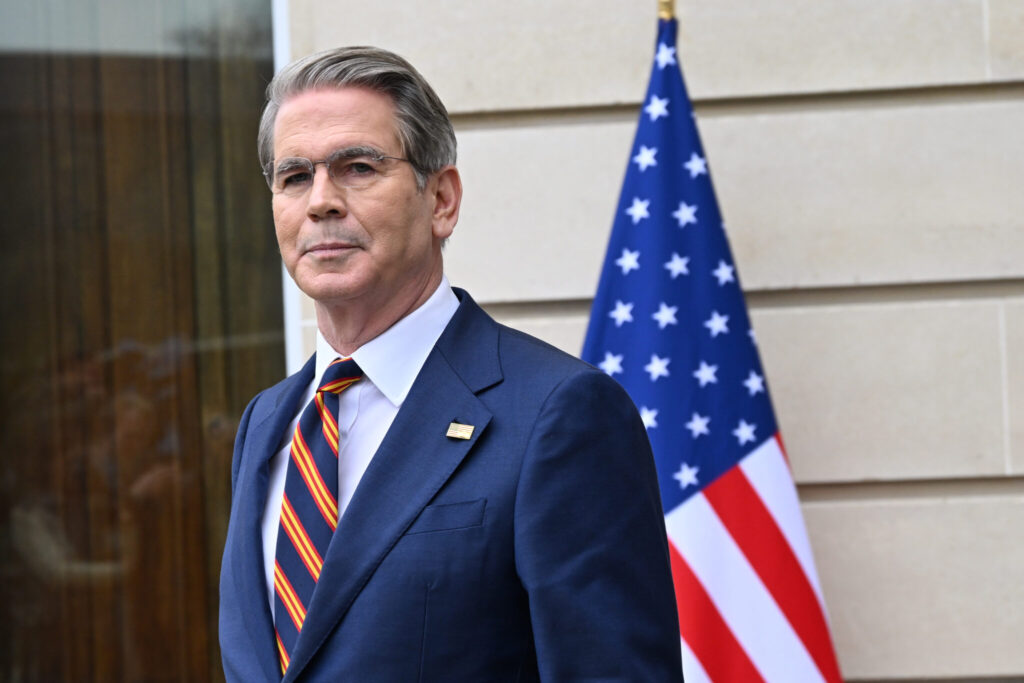
Treasury Secretary Scott Bessent, however, tried to cool that interpretation. Speaking from Paris, where he was meeting Chinese Vice Premier He Lifeng for trade talks, Bessent said any delay in Trump’s China visit would not be tied to pressure over the Strait of Hormuz.
Instead, he said, a postponement would be based on scheduling and wartime logistics, with Trump preferring to remain in Washington while overseeing the conflict.
Bessent also emphasized that the broader U.S.-China relationship remains stable, and said both sides were expected to issue a statement reinforcing that message after the meetings in Paris.
Chinese officials, for their part, have offered a measured response.
Beijing has confirmed that communication over Trump’s planned visit continues, but it has not committed to helping with a maritime security mission in the Gulf. Chinese officials have instead repeated calls for de-escalation and warned that instability in the region could have wider consequences for trade and global growth.
That cautious tone reflects China’s balancing act. Beijing has a major interest in keeping oil shipments moving, but little appetite for joining a U.S.-led military effort in a volatile conflict zone.
Other countries have responded similarly.
France has left open the possibility of future support under the right conditions, but only if circumstances improve. Britain has indicated that it does not want to be dragged into a broader war, making direct military participation unlikely. The overall response suggests that Trump’s pressure campaign has not yet translated into real coalition-building.
The White House, though, is standing firmly behind the strategy.
Press Secretary Karoline Leavitt said Trump is right to demand help from countries that benefit from his administration’s attempt to neutralize the Iranian threat. She argued that keeping the Strait of Hormuz open is not just an American concern, but a broader Western interest tied to energy security and regional stability.
Meanwhile, the administration is also trying to minimize fears over rising oil prices.
The Iran war has already pushed up crude prices and made gasoline more expensive for American drivers, raising fresh political risks as election season intensifies. Bessent dismissed suggestions of a deepening economic crisis and insisted the pressure on oil markets would fade once the conflict ends.
Still, the stakes are real.
China recently lowered its 2026 growth target, and any long-term disruption in Hormuz could further strain its economy. For Europe and Asia alike, the threat to energy flows is no longer theoretical. The crisis now sits at the intersection of war, inflation, trade, and diplomacy.
That is why Trump’s latest push matters beyond the battlefield.
It reveals a widening gap between the speed with which the administration moved into war and the slower, more complicated task of persuading other nations to help manage the consequences. Trump’s instinct-driven style may have shaped the path to conflict, but the next phase will likely depend on whether he can convince reluctant allies and rivals alike that securing the Strait of Hormuz is in their interest too.


You must Register or Login to post a comment.