

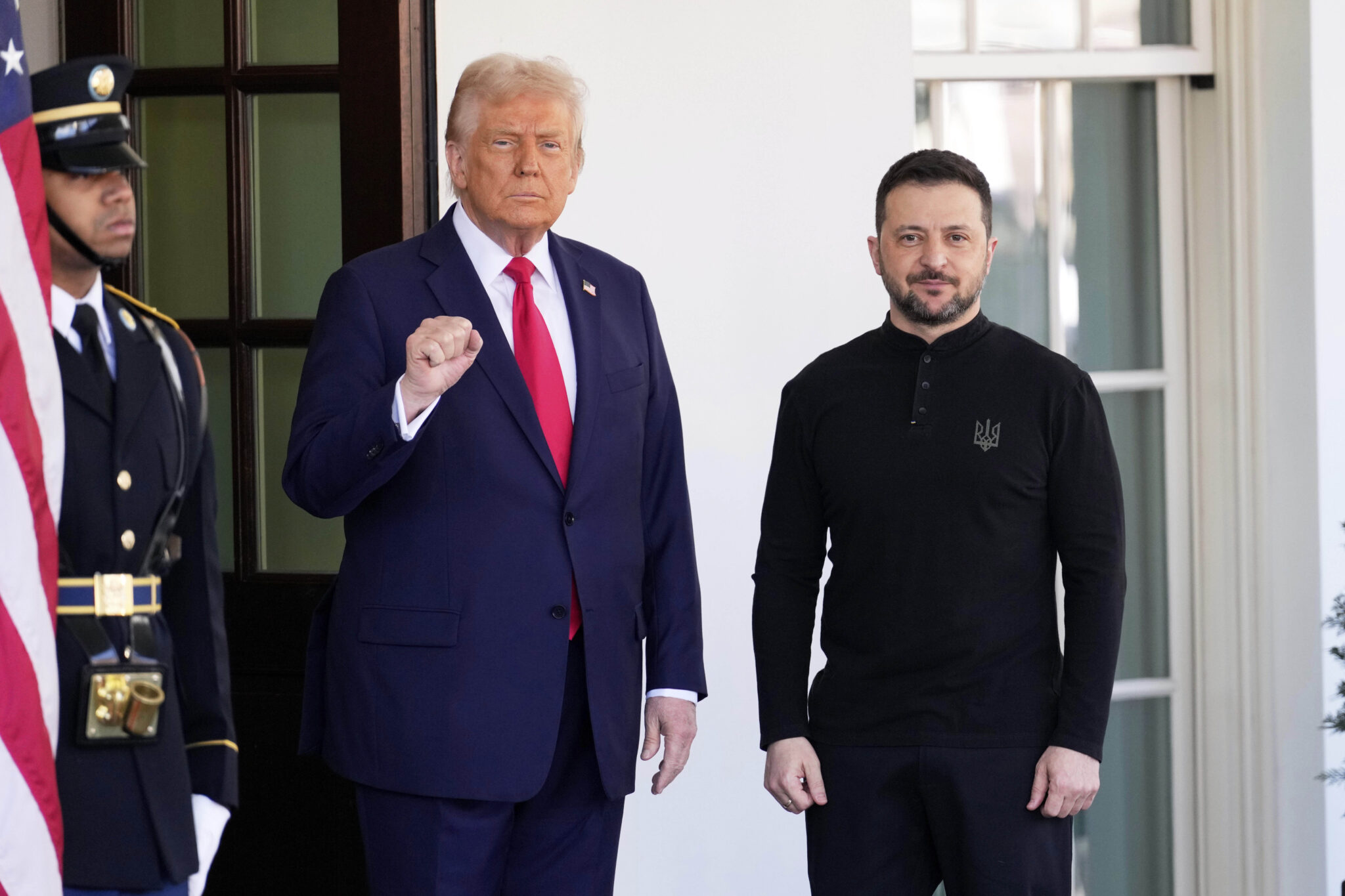
Trump Presses Kyiv as Ukraine-Russia Geneva Peace Talks Begin/ Newslooks/ WASHINGTON/ J. Mansour/ Morning Edition/ Ukraine and Russia opened two days of U.S.-mediated peace talks in Geneva focused primarily on territorial disputes. President Donald Trump urged Kyiv to move quickly toward a deal, while Ukrainian leaders warned against one-sided concessions. The negotiations come days before the fourth anniversary of Russia’s full-scale invasion.
Ukraine Russia Geneva Peace Talks 2026 Quick Looks
- U.S.-mediated talks held in Geneva
- Land remains the core sticking point
- Russian airstrikes hit Odesa ahead of negotiations
- Ukraine delegation led by Rustem Umerov
- Kremlin delegation headed by Vladimir Medinsky
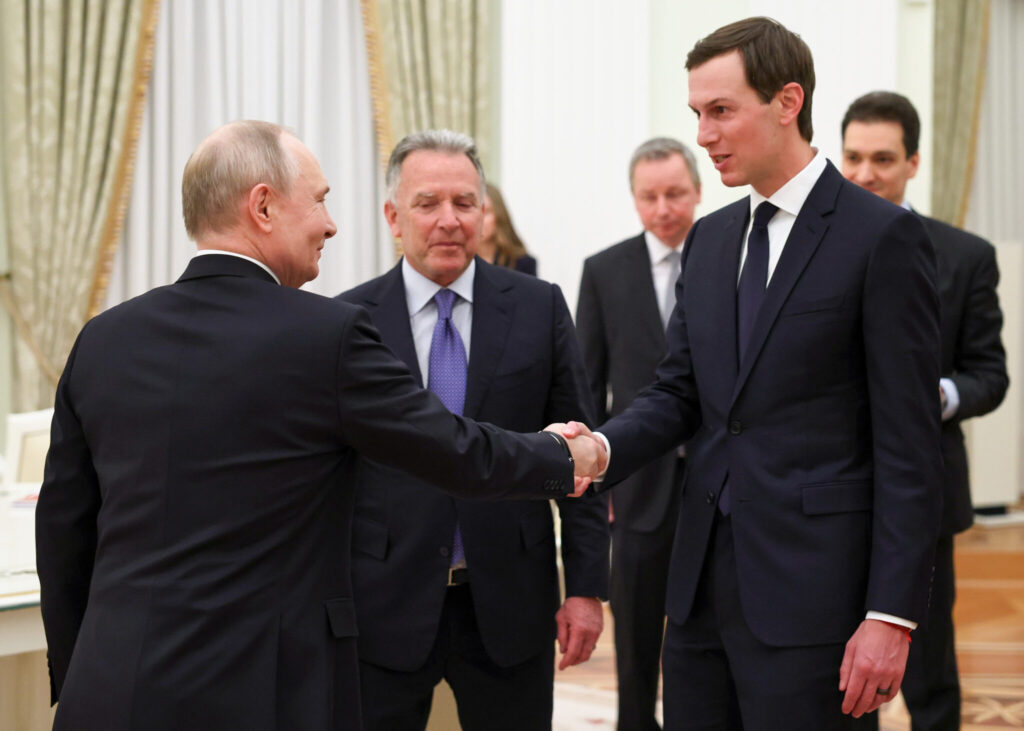
- Trump envoys Steve Witkoff and Jared Kushner present
Deep Look: Ukraine and Russia Open Geneva Talks as Trump Pushes for Faster Deal
Negotiators from Ukraine and Russia began two days of high-stakes peace talks in Geneva on Tuesday, seeking to break a stalemate over territorial control and other core issues that have prolonged Europe’s largest conflict since World War II.
The negotiations, mediated by the United States, come just days before the fourth anniversary of Russia’s full-scale invasion of Ukraine on February 24. Despite diplomatic efforts, expectations for a major breakthrough remain low.
Trump Urges Speed
President Donald Trump has intensified pressure on both sides to reach an agreement, though Ukrainian officials say Kyiv faces the brunt of demands for concessions.
Speaking to reporters aboard Air Force One, Trump emphasized urgency. “Ukraine better come to the table fast,” he said, adding that he expects progress from the Geneva discussions.
The talks follow two earlier rounds held in Abu Dhabi, which participants described as constructive but ultimately inconclusive.
Land at the Center of Dispute
Territorial control remains the primary obstacle. Russia currently occupies approximately 20% of Ukraine’s territory, including Crimea and significant portions of the eastern Donbas region.
Moscow is pressing Ukraine to formally cede the remaining parts of the Donetsk region that Russian forces have failed to capture — a demand Kyiv has firmly rejected.
Kremlin spokesperson Dmitry Peskov said discussions would address “the main issues,” including territorial claims and broader Russian demands tied to security arrangements.
Beyond land disputes, negotiators are also grappling with questions over the future control of the Zaporizhzhia nuclear power plant and whether Western troops could be deployed in postwar Ukraine.
Ukrainian Position: Focused but Cautious
Ukraine’s delegation is led by Rustem Umerov, who described the talks as focused on security and humanitarian issues.
“We are working constructively, focused and without excessive expectations,” Umerov posted on social media, adding that Ukraine’s goal remains a “sustainable and lasting peace.”
President Volodymyr Zelenskiy has urged Western allies to increase pressure on Moscow through tougher sanctions and expanded military assistance, especially following renewed Russian strikes.
Heavy Airstrikes Before Talks
Ahead of the Geneva negotiations, Russia launched overnight airstrikes across parts of Ukraine. In the southern port city of Odesa, attacks severely damaged power infrastructure, leaving tens of thousands of residents without heat and water during winter conditions.
Zelenskiy condemned the strikes and warned against trusting Moscow’s intentions.
Civilians expressed skepticism as well. In Kyiv, residents sheltering during air raid alerts voiced doubts that meaningful compromise could emerge from the talks.
Russian Delegation and Expectations
Russia’s delegation is led by Vladimir Medinsky, an aide to President Vladimir Putin. His participation has tempered optimism among Ukrainian negotiators, who have previously accused him of using historical narratives to justify Moscow’s invasion.
Military intelligence chief Igor Kostyukov is also involved, while Putin’s special envoy Kirill Dmitriev is participating in economic working groups.
Given the entrenched positions and continued fighting, analysts caution that Geneva may serve more as a platform for testing diplomatic flexibility than for delivering an immediate settlement.
US Mediation and Broader Diplomacy
U.S. envoys Steve Witkoff and Jared Kushner are representing Washington in Geneva. In an unusual diplomatic overlap, they also participated earlier in indirect talks with Iranian officials in the same city, underscoring the administration’s attempt to manage multiple global crises simultaneously.
Trump has framed the negotiations as part of his broader effort to end prolonged conflicts through direct engagement, though critics argue that rapid deals could come at the expense of Ukrainian sovereignty.
Fourth Anniversary Approaches
The Geneva talks unfold against the symbolic backdrop of the invasion’s fourth anniversary. Tens of thousands have been killed, millions displaced, and vast swaths of Ukrainian infrastructure destroyed since February 2022.
While both sides publicly signal willingness to negotiate, they remain far apart on core issues.
For now, the Geneva meetings represent another attempt to bridge profound divides — but whether they mark the beginning of a real diplomatic breakthrough or simply another chapter in a drawn-out war remains uncertain.




You must Register or Login to post a comment.