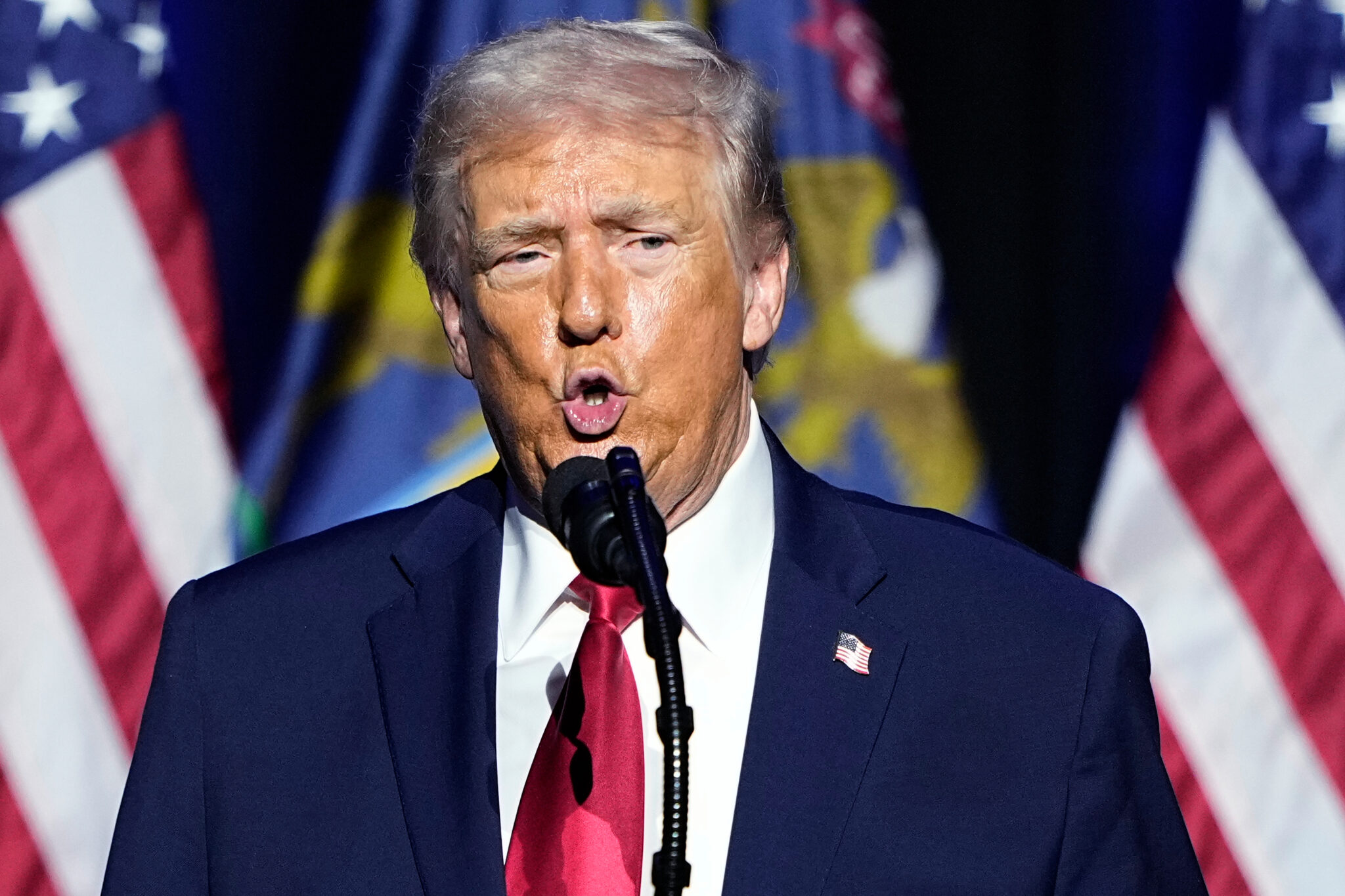
Trump Proposes Health Plan to Reduce Premium Costs/ Newslooks/ WASHINGTON/ J. Mansour/ Morning Edition/ President Donald Trump revealed the framework of a new health care plan targeting high insurance premiums and drug costs. The proposal centers on direct health savings account payments and restoring insurer subsidies. Democrats remain critical, questioning the plan’s ability to meet consumer needs.
Trump Health Plan Proposal Quick Looks
- Trump calls for direct payments to Americans through health savings accounts.
- Plan ties drug prices to the lowest rates globally.
- Democrats criticize proposal as insufficient for real health cost burdens.
- Proposal includes full funding for cost-sharing reductions (CSRs).
- CSRs were previously halted during Trump’s first term in 2017.
- Restoring CSRs may lower silver-tier premiums, but impact others adversely.
- No congressional legislation has been introduced yet.
- Bipartisan senators are drafting a limited subsidy-extension compromise.
Deep Look
Trump Unveils New Health Plan Proposal Amid Rising Premiums and Political Divide
WASHINGTON — President Donald Trump on Thursday unveiled the outlines of a new health care plan aimed at lowering health care costs and insurance premiums, as Republican lawmakers face mounting pressure to offer solutions following the expiration of key federal subsidies.
Speaking in a pre-recorded video released by the White House, Trump promoted a health policy framework that would direct federal funds straight to individuals via health savings accounts (HSAs), empowering them to purchase their own coverage outside of traditional government channels.
“The government is going to pay the money directly to you,” Trump said. “It goes to you and then you take the money and buy your own health care.”
The proposal also includes a provision to lower drug prices by benchmarking them to the lowest prices paid in other nations—a concept previously floated during Trump’s first term in office.
While the announcement outlines Trump’s vision, it remains unclear if any lawmakers have drafted formal legislation to introduce the plan to Congress. The lack of immediate legislative backing raises questions about the proposal’s viability, especially in a divided political climate.
Health Savings Accounts at the Center
The central element of Trump’s plan involves expanding access to health savings accounts by giving Americans direct payments to fund them. The idea is designed to reduce dependency on federal systems and increase consumer choice. However, Democrats have strongly opposed this approach, arguing that such accounts offer inadequate relief for the high out-of-pocket costs that many Americans face.
The plan closely resembles a concept that gained traction among Senate Republicans last year, although it failed to garner broad bipartisan support. Critics contend that the average American cannot afford sufficient contributions to an HSA to meaningfully offset skyrocketing health expenses.
Fallout from Subsidy Expiration
The debate over health care costs has intensified since enhanced tax credits under the Affordable Care Act (ACA) expired at the end of 2025. These subsidies had played a crucial role in keeping premiums affordable for millions of Americans. Their expiration sparked a 43-day government shutdown led by Democrats who sought to extend them.
Now, a bipartisan group of 12 senators, led by Sen. Bernie Moreno, R-Ohio, is working on a limited compromise. Their proposal would temporarily restore the subsidies for two years, with added eligibility restrictions. By the second year, the plan would offer an HSA option—a nod to the approach Trump and Republicans favor.
Cost-Sharing Reductions Back in Focus
Another key piece of Trump’s plan is to fully fund cost-sharing reductions (CSRs)—payments that help lower-income Americans reduce deductibles and out-of-pocket costs for ACA silver-tier insurance plans.
The federal government reimbursed insurers for CSRs from 2014 to 2017, but Trump ended those payments during his first administration. Insurance companies responded by increasing premiums on silver-tier plans, which paradoxically led to greater government spending on premium subsidies due to ACA formula adjustments.
Restoring CSR payments could reduce silver-tier premiums, aligning with Trump’s promise to bring down overall costs. But health policy experts caution that the move could inadvertently increase premiums on bronze- and gold-level plans, possibly making some options less affordable for certain consumers.
Unanswered Questions and Political Reactions
Though the plan touches on critical issues like drug pricing and premium affordability, the lack of a detailed proposal or sponsoring lawmakers leaves it in uncertain political territory. Democrats have dismissed the plan as incomplete and insufficient, while many Republicans have remained publicly silent.
With no clear legislative sponsor or timeline, Trump’s proposal may function more as a campaign talking point than a viable policy blueprint—at least for now. Still, with health care consistently ranking among voters’ top concerns, pressure is growing on Congress to act, and Trump’s re-entry into the policy arena could reignite partisan debates heading into election season.