

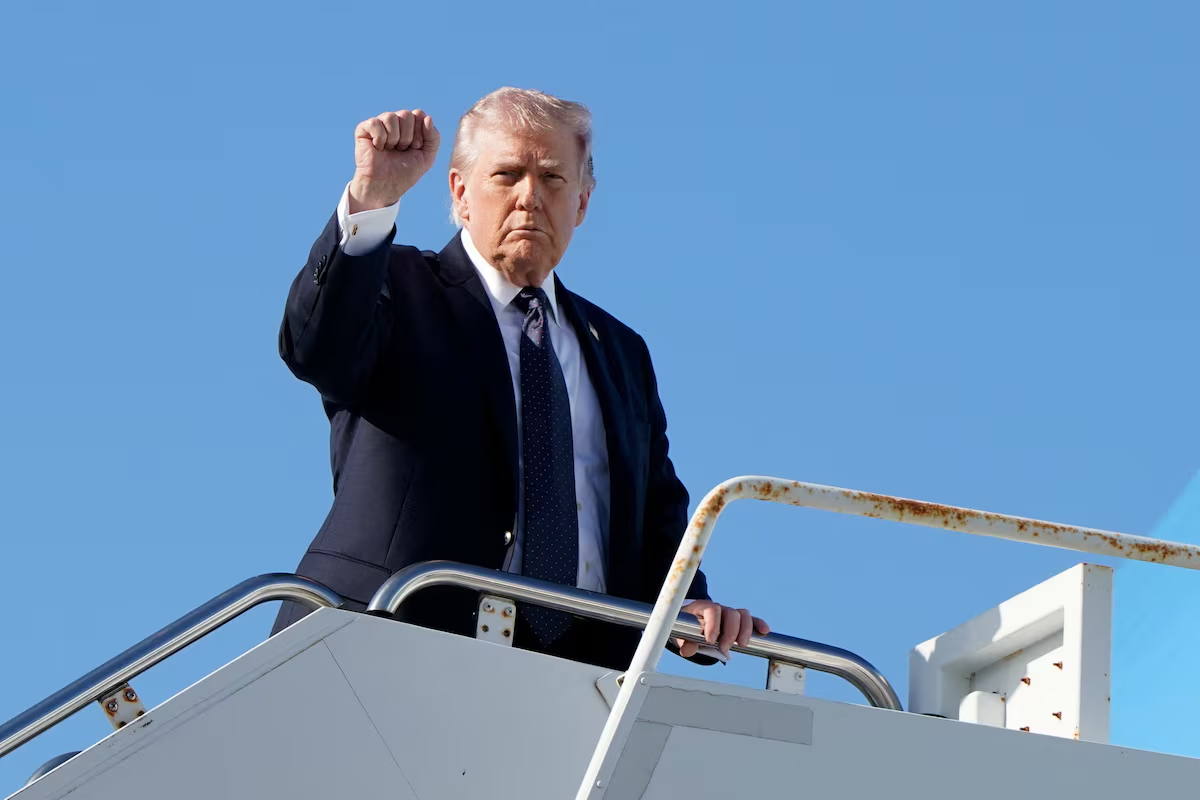
Trump Pushes Iran War Despite Midterm Risks/ Newslooks/ WASHINGTON/ J. Mansour/ Morning Edition/ President Donald Trump moved forward with military strikes on Iran despite internal warnings about political risks ahead of the midterm elections. White House aides fear a prolonged conflict, rising casualties, and higher gas prices could hurt Republicans in competitive House races. Polls show mixed public support, with some voters wary of expanded foreign intervention.
Trump Pushes Iran War Despite Midterm Risks Quick Looks
- White House debated political fallout before strikes
- Operation Epic Fury praised by foreign policy hawks
- Poll shows limited public support for attack
- Advisers warned of unpredictable escalation
- Focus on healthcare and affordability delayed
- Competitive House districts seen as vulnerable
- MAGA base divided over foreign intervention
- Gas prices and casualties key political factors
Deep Look: Trump Pushes Ahead With Iran War Despite Midterm Political Risks
WASHINGTON — President Donald Trump pressed forward with a sweeping military campaign against Iran despite private warnings from senior aides that escalation could prove politically risky ahead of November’s midterm elections.
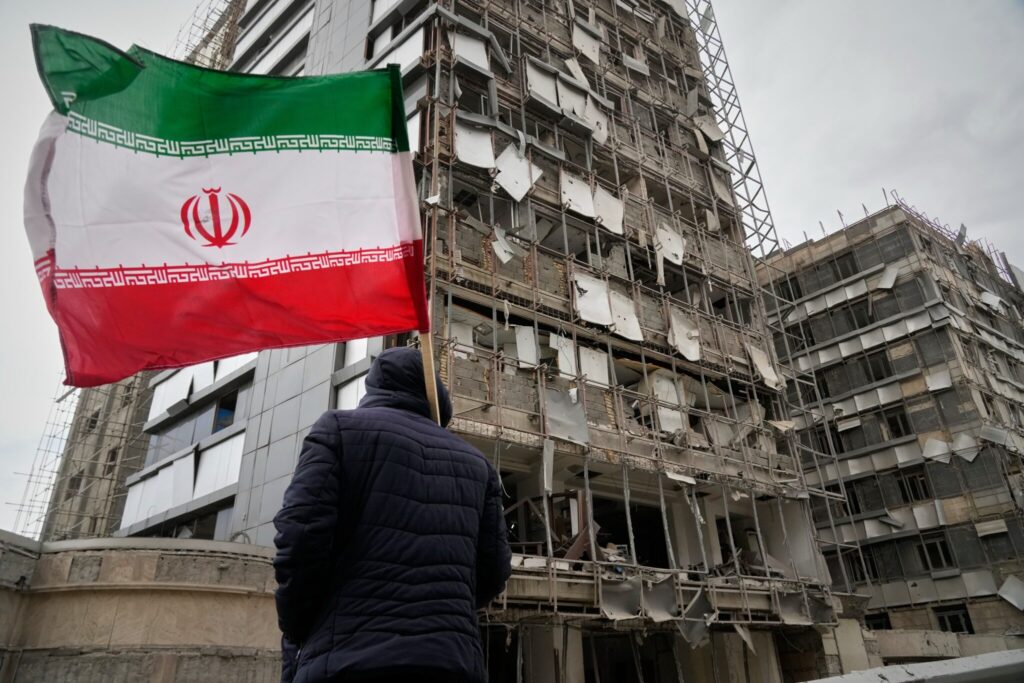
According to senior White House officials and Republicans familiar with internal discussions, advisers debated extensively whether the joint U.S.-Israeli strikes — which killed Iran’s Supreme Leader and launched Operation Epic Fury — might jeopardize Republican efforts to retain control of Congress.
Foreign policy hardliners in Washington have applauded the strikes as long overdue. But inside the White House, concerns surfaced about tying the administration’s political fortunes to a potentially unpredictable and prolonged conflict.
Internal Debate Over Escalation Risks
Before authorizing the operation, Trump reportedly sought detailed briefings not only on military strategy but also on how decisive action might bolster his image as a strong leader.
Some advisers cautioned that U.S. intelligence could not guarantee the conflict would remain contained. They warned that retaliation, American casualties, or economic fallout — particularly rising gasoline prices — could damage Republican prospects in closely contested congressional races.
Ultimately, Trump sided with officials who argued that bold action would project strength domestically and internationally, even if it carried longer-term risks.
White House press secretary Karoline Leavitt defended the decision, saying the president had executed an action contemplated by prior administrations but never carried out.
“Right now, the White House’s main priority is ensuring the continued and ultimate success of the operation,” she said.
Public Opinion Mixed
A Reuters/Ipsos poll conducted Sunday found that only one in four Americans supported the U.S. strikes that killed Iran’s leader. About half of respondents — including one-quarter of Republicans — said they believe Trump is too willing to use military force.
The survey concluded before the announcement of the first American casualties in the conflict, suggesting public sentiment could shift further as events unfold.
Political strategists anticipate that any electoral consequences will develop gradually rather than immediately. One White House official described it as a potential “slow-burn effect,” shaped by the duration of the war, the number of U.S. casualties, and economic impacts such as fuel costs.
Domestic Agenda Sidelined Again
In the days leading up to the strikes, Trump had emphasized healthcare affordability and economic concerns during his State of the Union address — messaging designed to resonate with voters focused on cost-of-living pressures.
The outbreak of war has once again shifted the political spotlight away from domestic priorities.
“The juxtaposition between a successful State of the Union focused on affordability and going to war days later is head-spinning,” said Republican strategist Rob Godfrey.
The White House now faces the challenge of reassuring voters that military action abroad will not derail progress on kitchen-table issues at home.
Vulnerable House Seats in Focus
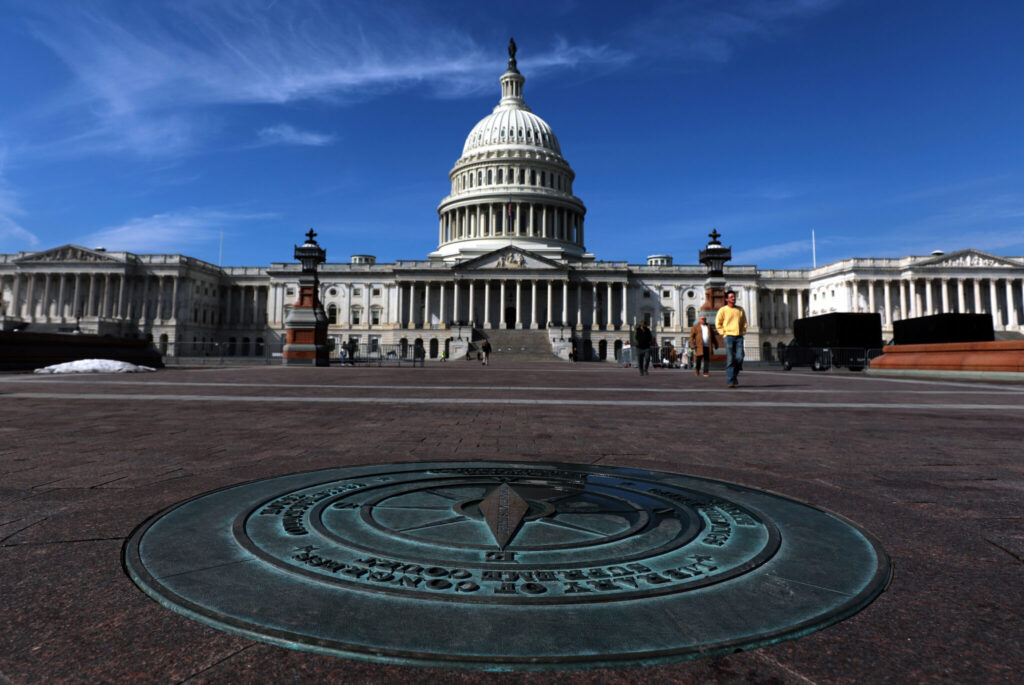
White House political teams are modeling how a prolonged military engagement could affect competitive House districts, where Republicans hold only a narrow majority.
Dozens of swing districts could prove sensitive to modest shifts in voter sentiment. Vulnerable lawmakers may face difficult votes on war powers resolutions and be forced to defend the administration’s strategy at a time when constituents are more concerned about inflation and economic stability.
Republican strategists privately acknowledge that foreign policy victories often generate limited political reward, while prolonged conflicts or perceived missteps can quickly erode public support.
“Unless this operation goes bad, voters don’t typically focus on foreign policy in midterms,” one senior GOP operative said. “But if it turns into a quagmire, that changes.”
MAGA Base Divided
Another potential risk lies within Trump’s own political base. Non-interventionism was a core element of his 2024 campaign message, and some members of the MAGA movement have expressed unease about expanded military engagement.
An informal adviser suggested that dissatisfaction among core supporters could suppress turnout — a critical factor in midterm elections where participation is typically lower.
With Trump’s approval rating hovering below 40% in recent polling, Republicans will rely heavily on strong base turnout to counter potential Democratic gains in the House and protect their Senate majority.
Political Future Tied to War’s Outcome
Analysts say the long-term political impact will depend largely on how the conflict unfolds.
A short campaign resulting in diminished Iranian military capacity and limited American casualties could strengthen Trump’s image as a decisive commander-in-chief.
By contrast, a drawn-out conflict marked by rising deaths, economic strain, or regional instability could undercut Republican messaging on stability and prosperity.
For now, Trump appears committed to framing the operation as necessary and resolute leadership — even as political calculations grow more complex.
The coming weeks will determine whether the Iran war becomes a rallying point for Republican voters or a liability heading into one of the most consequential midterm elections in recent history.




You must Register or Login to post a comment.