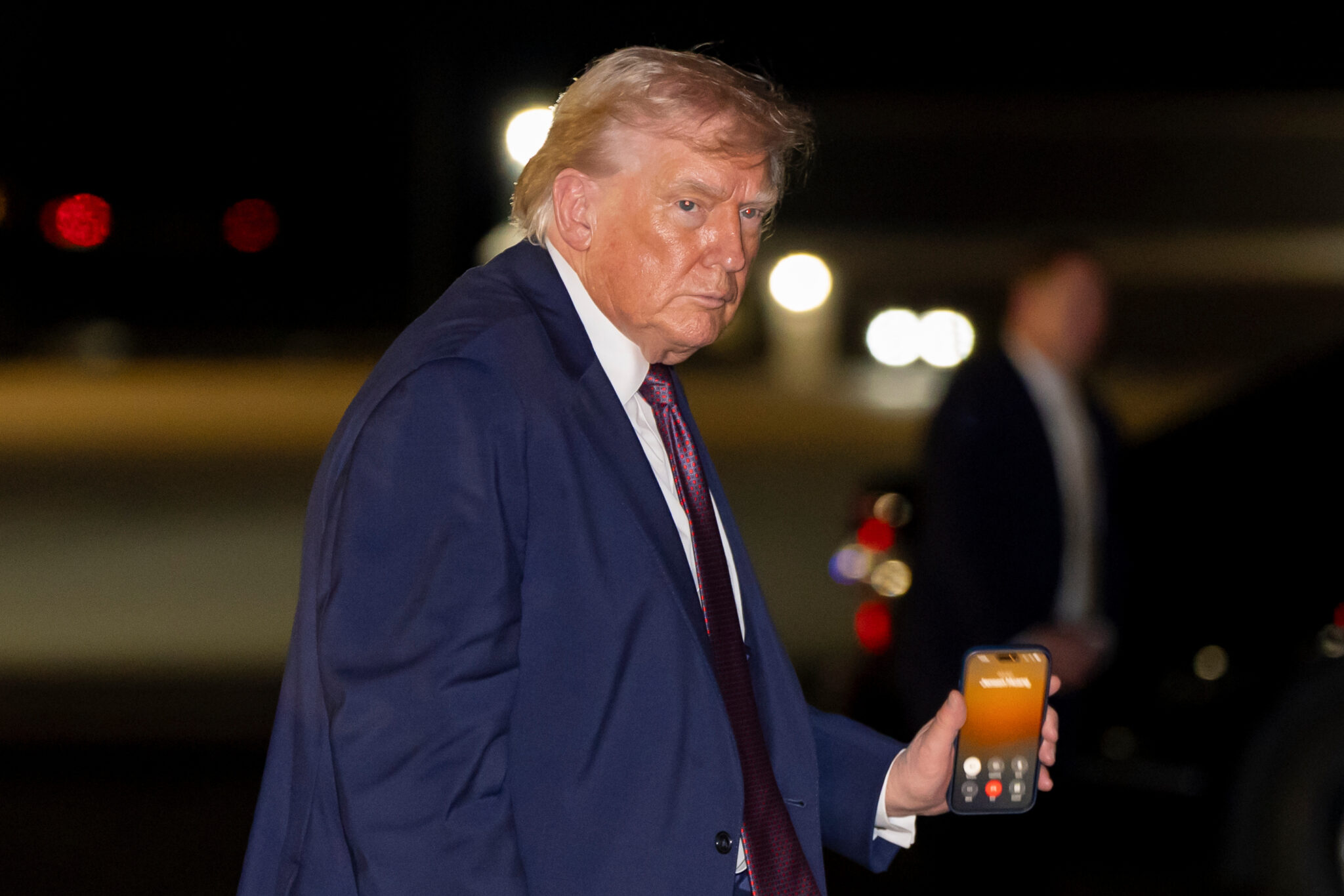
Trump Removes 30 Diplomats in Embassy Overhaul/ Newslooks/ WASHINGTON/ J. Mansour/ Morning Edition/ President Donald Trump is recalling nearly 30 career diplomats from ambassadorial roles as part of a sweeping diplomatic reset. Most were appointed under the Biden administration and had remained through Trump’s second-term transition. The move signals a strong realignment toward his “America First” foreign policy.
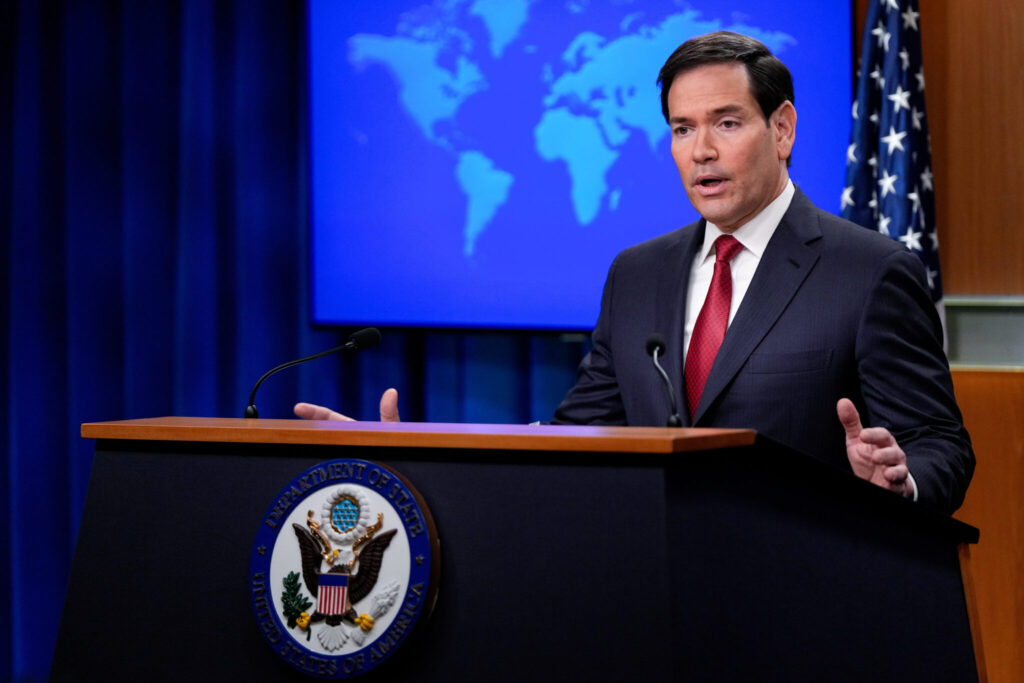
Ambassador Recall Quick Looks
- Nearly 30 U.S. career diplomats are being recalled from ambassadorial roles.
- The decision affects officials appointed during the Biden administration.
- Most impacted diplomats are in Africa, Asia, and Europe.
- The move is part of Trump’s “America First” diplomatic reshaping.
- The diplomats will return to Washington for reassignment opportunities.
- The State Department called the process “standard in any administration.”
- Lawmakers and diplomat unions have expressed concerns over the purge.
- Politico was first to report the large-scale diplomatic recall.
Deep Look
Trump Recalls Nearly 30 U.S. Ambassadors in Major Diplomatic Reshuffle
President Donald Trump’s administration has ordered the recall of nearly 30 career U.S. diplomats from ambassadorial and senior embassy positions, signaling a new phase in the White House’s ongoing effort to align foreign policy more closely with the president’s “America First” agenda.
According to two State Department officials, the diplomats—serving as chiefs of mission in at least 29 countries—were informed last week that their assignments would conclude in January. These officials, who requested anonymity to discuss internal decisions, confirmed that the diplomats in question were not political appointees but career foreign service officers, many of whom had assumed their roles under the Biden administration.
While these career diplomats had survived the initial wave of removals during Trump’s second-term transition—when most political appointees were replaced—the recent action marks a broader personnel reshaping. Notifications of reassignment were delivered on Wednesday, catching several embassies by surprise.
Ambassadors serve at the discretion of the president and are traditionally allowed to complete three-to-four-year terms. However, the administration defended the move, framing it as a normal transition in line with presidential prerogatives.
“An ambassador is a personal representative of the president and it is the president’s right to ensure that he has individuals in these countries who advance the America First agenda,” a State Department spokesperson said, while declining to confirm exact numbers or locations.
Though these diplomats are not being dismissed from government service, they will be returning to Washington, where they may be offered reassignment within the State Department if they choose to continue in their roles.
Africa Most Affected by Recall
The African continent saw the largest wave of ambassadorial changes. Diplomats from the following 13 countries are being recalled: Burundi, Cameroon, Cape Verde, Gabon, Ivory Coast, Madagascar, Mauritius, Niger, Nigeria, Rwanda, Senegal, Somalia, and Uganda.
Asia and Beyond Also Impacted
Ambassadorial changes are also set to affect six countries in Asia: Fiji, Laos, the Marshall Islands, Papua New Guinea, the Philippines, and Vietnam.
In Europe, four U.S. ambassadors are being recalled from Armenia, Macedonia, Montenegro, and Slovakia.
The Middle East saw changes in Algeria and Egypt, while Nepal and Sri Lanka were the two affected countries in South and Central Asia. In the Western Hemisphere, Guatemala and Suriname are impacted by the recall.
These changes, while described by the State Department as part of the normal rotation of diplomatic personnel, have nonetheless raised concerns among lawmakers and diplomatic professionals.
Pushback from Diplomats and Lawmakers
The American Foreign Service Association, which represents U.S. diplomats, has voiced concern over the mass reassignments, suggesting that the scale of the recalls goes beyond typical diplomatic turnover. Some lawmakers have echoed these concerns, suggesting the removals could undercut U.S. influence abroad by replacing experienced foreign service officers with politically-aligned personnel.
Critics argue the move prioritizes political loyalty over experience and expertise, potentially weakening long-standing diplomatic relationships at a critical time. Supporters of the administration’s decision assert that ambassadors must carry out the policies of the president, and that ensuring alignment with the White House’s vision is crucial for consistent messaging overseas.
The Trump administration has shown increasing interest in refocusing U.S. diplomacy to reflect national interests first, and removing remnants of prior leadership is being interpreted by many as part of that ongoing restructuring.
The original report of the ambassadorial removals was published by Politico, which highlighted both the scale of the personnel shift and the growing unease among foreign policy circles in Washington.
As January approaches, the diplomatic corps will face a period of significant transition, with nearly 30 embassies around the world preparing for leadership changes. The State Department has not announced any replacements, leaving open questions about how quickly the administration intends to fill the upcoming vacancies.