

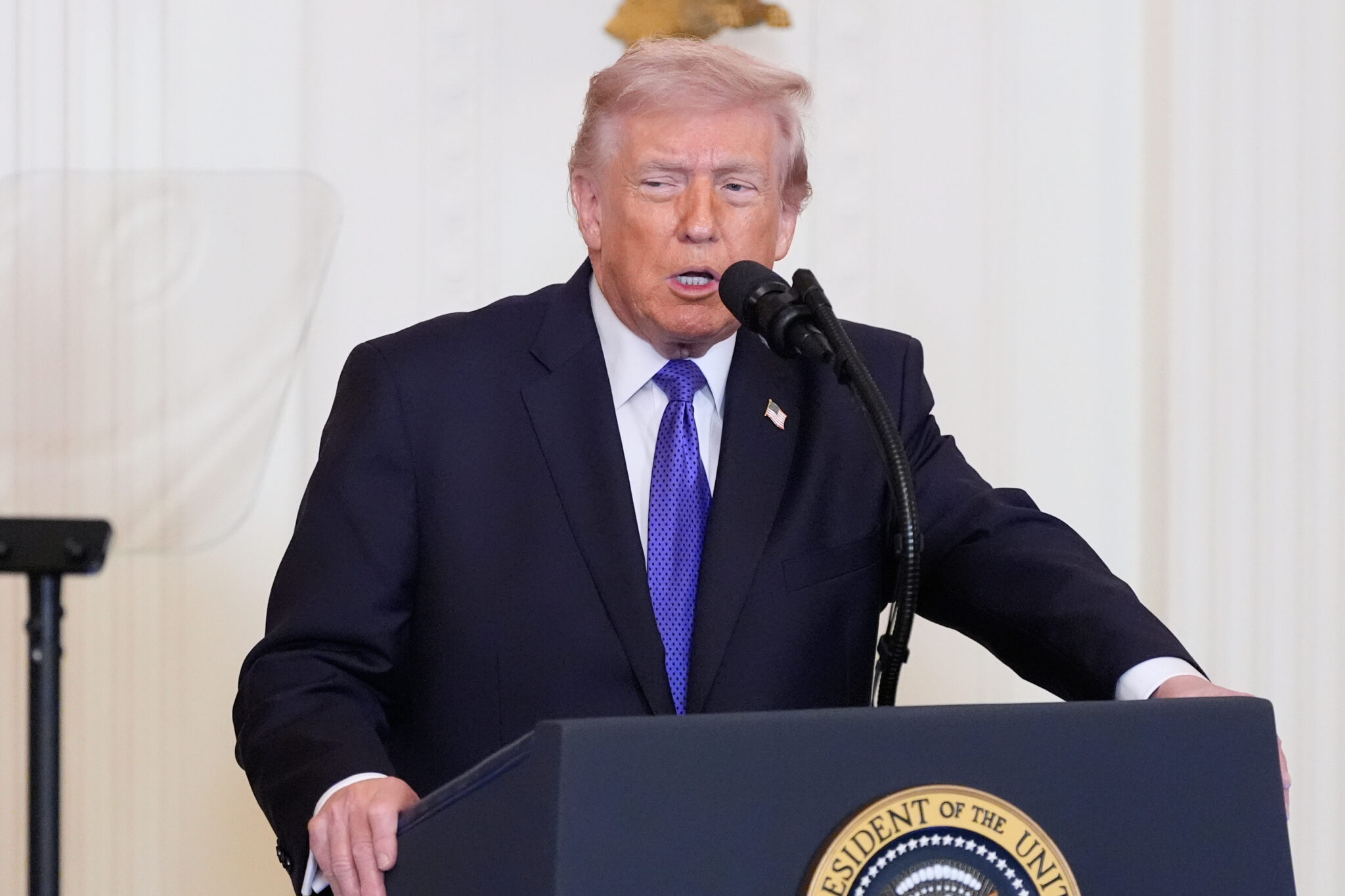
Trump Says He’ll Hit Iran Harder Amid Fuel Price Spike/ Newslooks/ WASHINGTON/ J. Mansour/ Morning Edition/ President Donald Trump warned the United States may intensify bombing operations against Iran as the war enters its second week. The escalating conflict is already affecting Americans at home, triggering a sharp rise in gasoline and diesel prices. Meanwhile, missile strikes and air raids across the Middle East continue to push the death toll higher.
Trump Iran Bombing Threat Quick Looks
- President Donald Trump warned Iran will be “hit very hard” in upcoming attacks.
- The statement followed an apology from Iranian President Masoud Pezeshkian to Gulf neighbors over missile strikes.
- The conflict between Iran, the U.S., and Israel has entered its second week.
- Iranian drones and missiles targeted Saudi Arabia, Bahrain, and areas near Dubai.
- Israel launched major airstrikes in Tehran and Beirut.
- Rising energy prices in the U.S. are already impacting consumers and businesses.
- Gasoline prices jumped 43 cents in one week, according to AAA.
- Diesel fuel surged over 71 cents, marking one of the fastest increases on record.
- More than 28,000 Americans have returned from the Middle East since the war began.
Deep Look
Trump Vows Stronger Bombing Campaign Against Iran
U.S. President Donald Trump warned Saturday that the United States may escalate its bombing campaign against Iran, signaling the possibility of expanded strikes against new targets as the rapidly intensifying conflict in the Middle East enters its second week.
In a post on his Truth Social platform early Saturday morning, Trump said Iran would face severe consequences because of its continued attacks across the region.
“Today Iran will be hit very hard,” Trump wrote, adding that American military planners were considering targeting additional regions and individuals that had not previously been part of the campaign.
Trump’s remarks came shortly after Iranian President Masoud Pezeshkian issued a video statement apologizing to neighboring countries that had been struck by Iranian missiles and drones.
Iran Signals Restraint Toward Neighboring Countries
Pezeshkian said Iran would attempt to avoid attacking neighboring states unless those countries were directly involved in military action against Iran.
The Iranian president’s statement appeared aimed at easing tensions with Gulf nations after Iranian strikes triggered air defense responses in several countries.
Despite the message, missile and drone attacks continued across the region.
Saudi Arabia reported intercepting four drones headed toward the country’s massive Shaybah oil field, marking the second attempted attack on the facility within hours.
In the United Arab Emirates, explosions were heard near Dubai International Airport, prompting authorities to activate air defense systems. Passengers inside the airport were temporarily directed into underground transit tunnels while alerts sounded.
Gulf states including Bahrain also reported missile threats during the escalating crisis.
Airstrikes Intensify Across Middle East
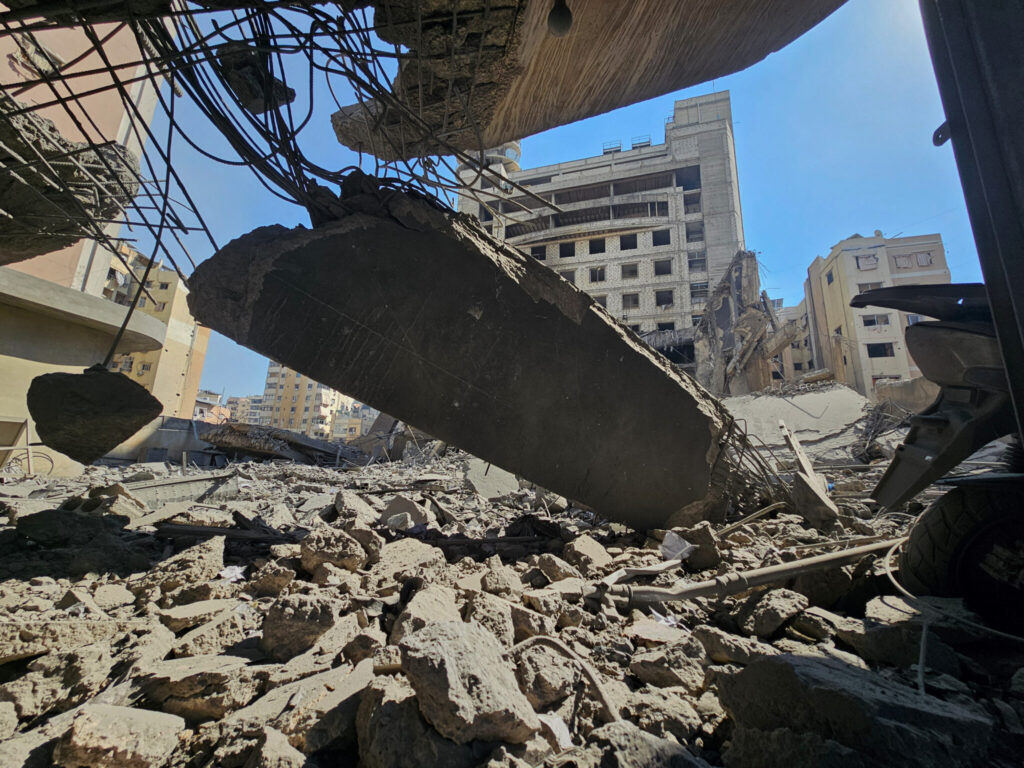
‘While Iran launched missile attacks, Israeli warplanes carried out extensive bombing raids targeting locations in Tehran and Beirut.
The growing confrontation has turned into one of the most intense regional conflicts in years, with military operations spreading across multiple countries.
According to officials:
- At least 1,230 people have been killed in Iran
- More than 200 people have died in Lebanon
- Around a dozen people have been killed in Israel
- Six U.S. troops have also been reported killed
The war began after Iran’s supreme leader Ayatollah Ali Khamenei was killed in a February airstrike, triggering a wave of retaliation and counterattacks across the region.
U.S. Approves New Military Support for Israel
As fighting escalates, the Trump administration has approved a $151 million weapons sale to Israel, reinforcing Washington’s support for Israel’s military campaign.
Trump has repeatedly said he will not negotiate with Iran unless the country agrees to an “unconditional surrender.”
U.S. officials have warned that upcoming strikes could be among the most intense phases of the conflict so far.
War Sparks Energy Price Surge in the U.S.
Beyond the battlefield, the war’s economic impact is being felt across the United States as energy prices surge.
Fuel prices have jumped dramatically as markets react to the possibility of disruptions to Middle Eastern oil supplies.
According to AAA, the national average price for gasoline rose 9 cents in a single day on Friday, pushing the weekly increase to 43 cents, the highest levels seen since late 2024.
Diesel prices, which play a crucial role in transportation and shipping, have climbed even faster.
GasBuddy analyst Patrick De Haan reported diesel prices surged 22.3 cents on Friday alone, marking a record single-day increase.
Over the past week, diesel prices have risen more than 71 cents, creating significant cost pressures for trucking companies and supply chains.
Economists warn that rising fuel costs could ripple across the broader economy, increasing transportation costs for goods and potentially driving up consumer prices.
The spike could also complicate Trump’s broader political messaging around lowering costs for American households.
Americans Evacuate From Middle East
Meanwhile, thousands of Americans have been leaving the region since the war began.
The U.S. State Department reported Saturday that more than 28,000 Americans have returned to the United States from the Middle East during the past week.
Most travelers returned on commercial flights, but the government organized more than a dozen charter evacuations to assist citizens seeking to leave the region.
Officials said over 16,000 Americans have contacted the State Department requesting assistance or safety information during the conflict.
Conflict Shows No Signs of Slowing
With missile attacks continuing, Israeli airstrikes intensifying, and U.S. forces preparing potential additional strikes, the conflict shows little sign of easing.
The widening war is already reshaping geopolitical dynamics in the Middle East while raising concerns about energy security and global economic stability.
As military operations continue and diplomatic efforts remain limited, world leaders are watching closely to see whether the conflict escalates further or begins to move toward negotiations.





You must Register or Login to post a comment.