

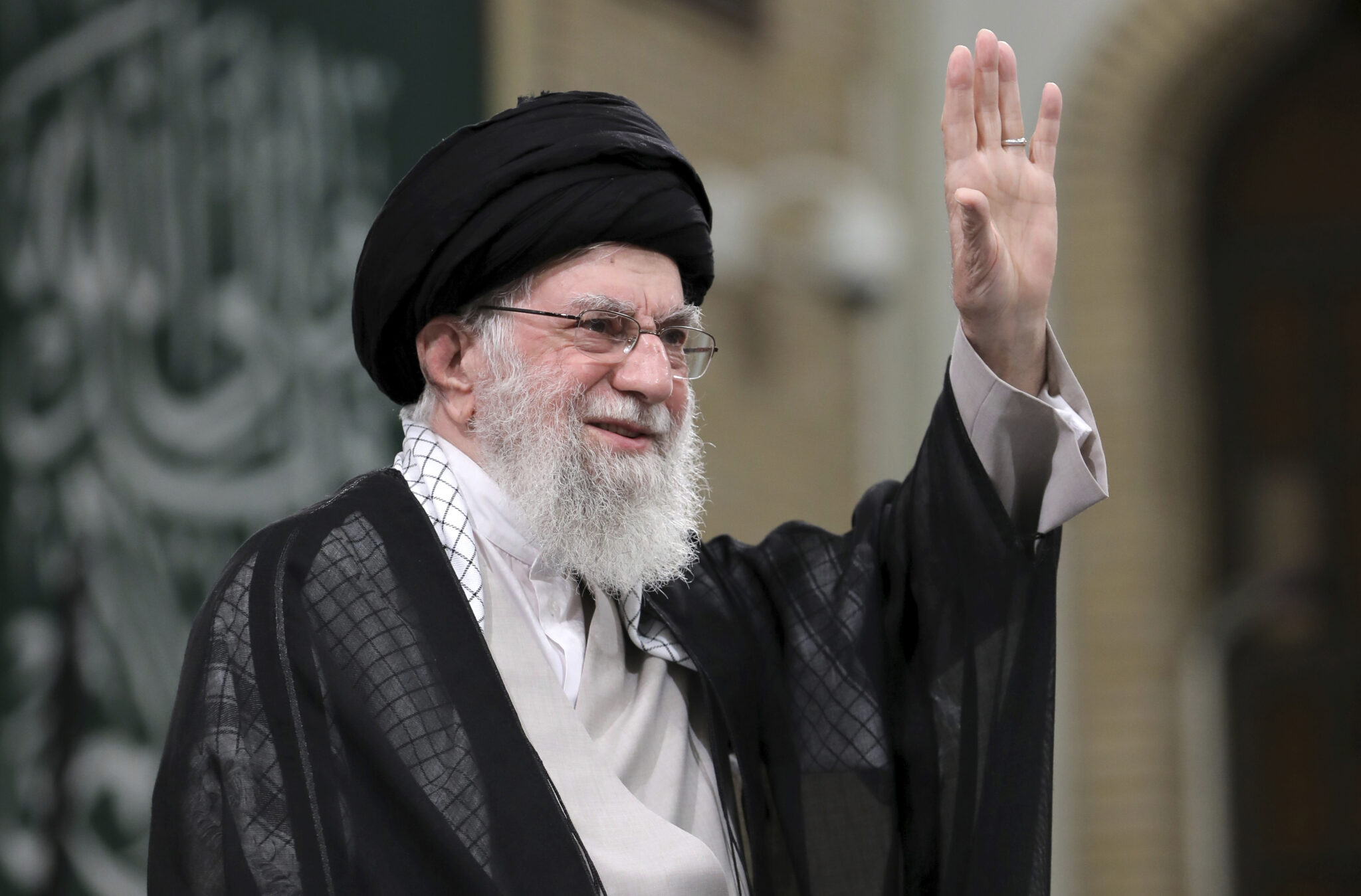
Trump Says Iran’s Supreme Leader Killed in Joint U.S.-Israel Strikes/ Newslooks/ WASHINGTON/ J. Mansour/ Morning Edition/ President Trump announced that Iran’s Supreme Leader Ayatollah Ali Khamenei was killed in joint U.S.-Israeli strikes. Iran retaliated with missile and drone attacks across Israel and U.S. bases in the Gulf region. The development marks a dramatic escalation that could destabilize Iran and the wider Middle East.
Quick Look
- Trump says Khamenei killed in coordinated U.S.-Israel attack
- Israeli officials signal confirmation; Iran has not immediately confirmed
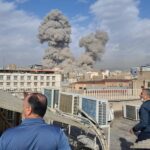
- Strikes targeted military, intelligence and leadership sites in Tehran
- Iran reports more than 200 dead and hundreds injured
- Tehran launches retaliatory missile attacks on Israel and Gulf states
- U.N. Security Council schedules emergency meeting
- Internet blackout reported across much of Iran
- Conflict raises risks of wider regional war and oil market disruption
Deep Look: Trump Says Iran’s Supreme Leader Killed in Joint U.S.-Israel Strikes
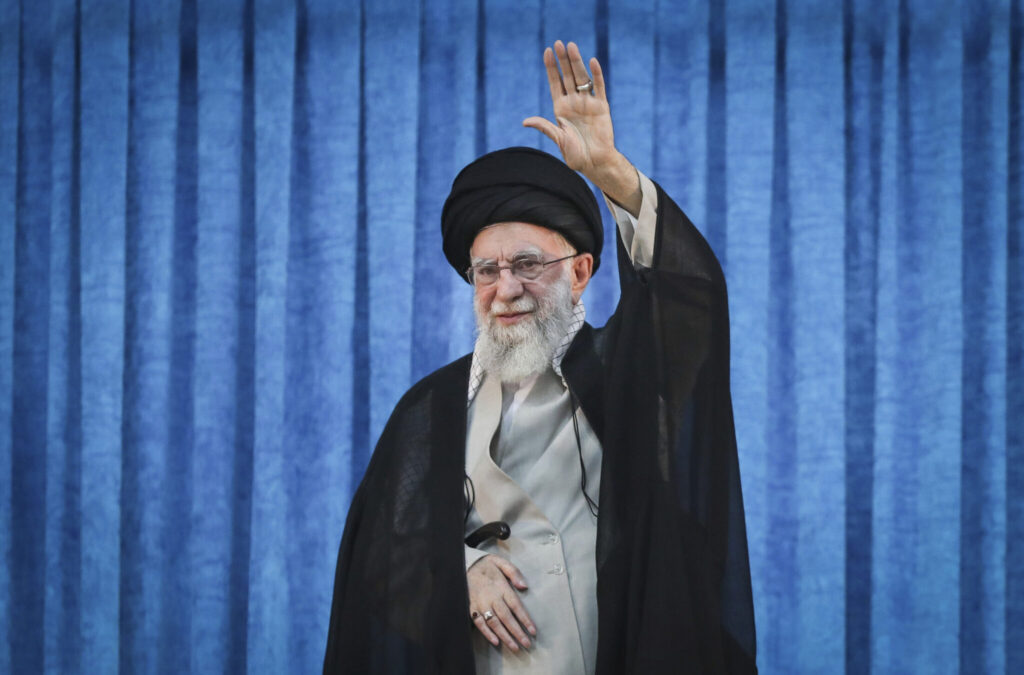
DUBAI, United Arab Emirates — President Donald Trump announced Saturday that Iran’s Supreme Leader, Ayatollah Ali Khamenei, was killed during a sweeping joint U.S.-Israeli military assault on Iran, marking a dramatic escalation in the conflict and throwing the future of the Islamic Republic into uncertainty.
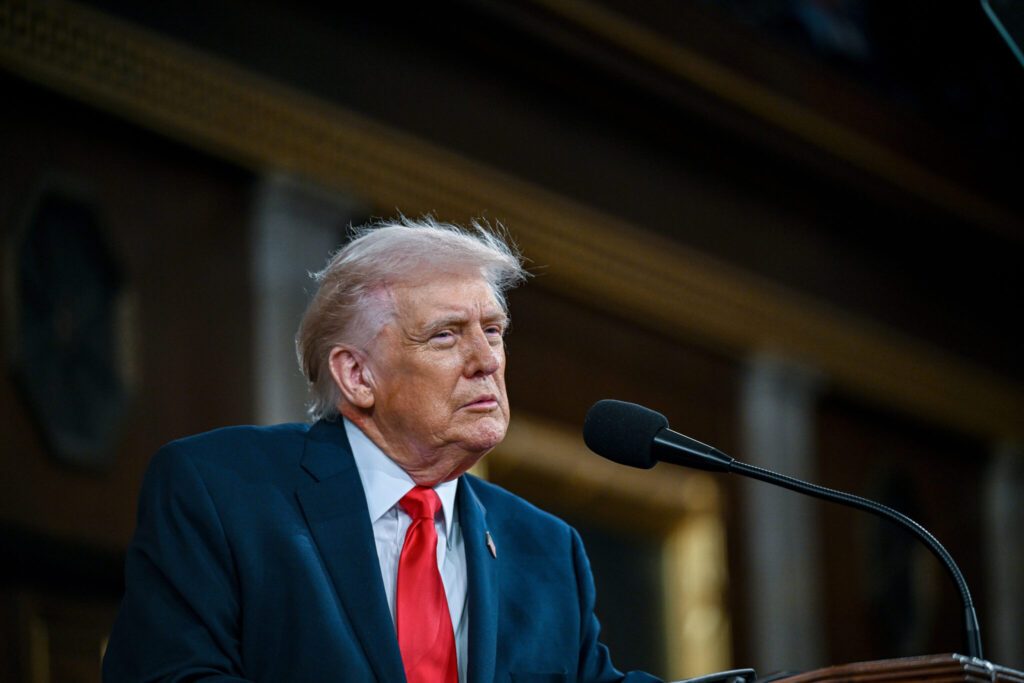
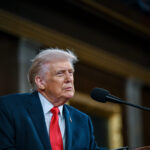
In a social media post, Trump called Khamenei’s death “the single greatest chance for the Iranian people to take back their Country,” adding that U.S. and Israeli strikes would continue with “heavy and pinpoint bombing” for days or longer.
There was no immediate confirmation from Iranian authorities.
Israeli Officials Signal Confirmation
Israeli Prime Minister Benjamin Netanyahu said in a televised address that there were “growing signs” Khamenei had been killed when Israeli forces struck his compound in Tehran early Saturday.
Two Israeli officials later said the death had been confirmed, speaking anonymously pending a formal announcement.
Khamenei, 86, succeeded Ayatollah Ruhollah Khomeini after the 1979 Islamic Revolution and held ultimate authority over Iran’s military, judiciary and political system. His death without a publicly designated successor could destabilize the country’s clerical establishment and Revolutionary Guard power structure.
Trump described Khamenei as “one of the most evil people in history” and said advanced U.S. intelligence and coordination with Israel left Iranian leaders unable to escape the attack.
Civilian Toll and Retaliation
Iranian state media, citing the Red Crescent, reported at least 201 people killed and more than 700 wounded nationwide.
Tehran retaliated with waves of missiles and drones targeting Israel and U.S. military bases across the Gulf region, including Bahrain, Kuwait and Qatar. Israel said it intercepted dozens of missiles. Emergency responders reported 89 people lightly injured in Israel.
The U.S. military said it suffered no casualties despite what it described as “hundreds” of Iranian missile and drone launches.
In southern Iran, officials reported at least 85 people killed when a girls’ school was struck. U.S. Central Command said it was aware of the reports and reviewing them.
Senior Iranian Officials Targeted
Israeli officials said the strikes also killed Iran’s Revolutionary Guard commander, the defense minister and the secretary of the Iranian Security Council, a close Khamenei adviser. Iran and the United States did not immediately confirm those claims.
Earlier in the day, Iran’s foreign minister had told NBC News that Khamenei was alive “as far as I know,” highlighting the fog of war as events unfolded.
The operation, planned over months, targeted Revolutionary Guard command centers, air defense systems, missile launch sites and military airfields, U.S. officials said.
Regime Change Uncertain
Trump urged Iranians to rise up, telling them in a video address: “When we are finished, take over your government. It will be yours to take.”
Even so, analysts caution that removing top leaders does not guarantee regime change. Iran’s ruling system — anchored by the Revolutionary Guard and clerical networks — has survived decades of sanctions, isolation and domestic unrest.
Human rights groups say thousands were killed in recent crackdowns on protests, underscoring the regime’s capacity for repression.
Nuclear Tensions and International Response
The assault came after nuclear negotiations between Washington and Tehran collapsed. Iran has maintained its nuclear program is peaceful but has blocked some international inspections following earlier strikes.
The U.N. Security Council scheduled an emergency meeting, and the International Atomic Energy Agency said it had seen no evidence of radiological impact so far.
Internet access across Iran was reported to be near total blackout, according to monitoring groups.
Regional Shockwaves
The strikes have reverberated across the Middle East. Flights were disrupted, and air defense fire was heard over Dubai. Shrapnel from an Iranian missile killed one person in the United Arab Emirates, state media reported.
Saudi Arabia said attacks on its territory were repelled. Bahrain reported damage near the U.S. Navy’s 5th Fleet headquarters. Kuwait said a drone targeted its main airport, injuring workers, and three troops were hurt by shrapnel at Ali Al-Salem air base. Jordan said it intercepted dozens of drones and ballistic missiles.
The conflict threatens to destabilize global energy markets, particularly if Iran disrupts shipping through the Strait of Hormuz, a critical route for about one-third of the world’s seaborne oil exports.
A Turning Point
The reported killing of Iran’s supreme leader marks the most dramatic escalation in decades of hostility between Washington and Tehran.
Whether the strikes weaken Iran’s ruling system, trigger broader regional war or reshape global geopolitics remains uncertain. What is clear is that the Middle East has entered one of its most volatile moments in recent history.


You must Register or Login to post a comment.