

Trump Says No Deal with Iran Unless ‘Unconditional Surrender’ as Israel Strikes Lebanon/ Newslooks/ WASHINGTON/ J. Mansour/ Morning Edition/ President Donald Trump said negotiations with Iran will not happen unless Tehran accepts “unconditional surrender.” Meanwhile, Israel expanded airstrikes on Iran and Lebanon as Iran launched missiles and drones across the region. The widening conflict has displaced thousands, killed over a thousand people, and raised fears of global energy disruption.
Trump Iran War Unconditional Surrender Quick Looks
- President Trump ruled out negotiations with Iran without “unconditional surrender.”
- Israeli warplanes carried out heavy strikes in Tehran and Beirut.
- Iran launched missile and drone attacks targeting Israel and Gulf countries.
- The war has now spread across multiple countries in the Middle East.
- More than 95,000 people have fled southern Beirut and nearby areas.
- At least 1,230 people have been killed in Iran, with casualties also reported in Lebanon and Israel.
- Oil prices have surged amid fears of disruptions to Middle East energy exports.
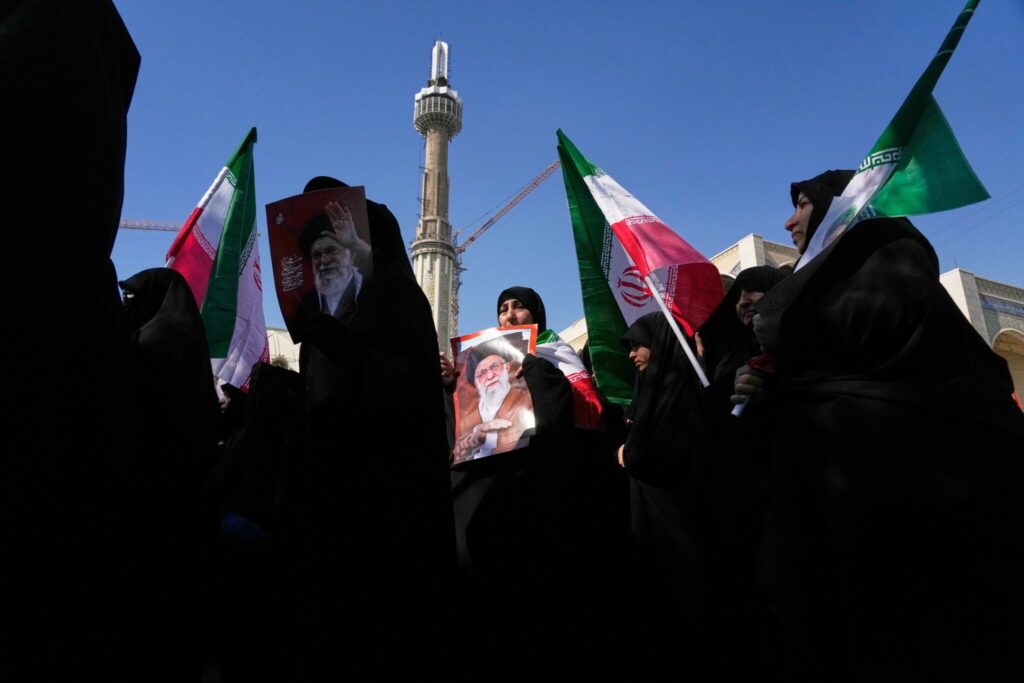
Deep Look: Trump Rules Out Talks Absent Iran’s ‘Unconditional Surrender’ as Israel Strikes Lebanon
The conflict between the United States, Israel, and Iran intensified Friday as President Donald Trump signaled that negotiations with Tehran are off the table unless the Iranian government accepts what he described as “unconditional surrender.”
Trump’s comments came as Israeli forces launched new airstrikes on both Iran and Lebanon while Iranian missiles and drones targeted Israel and several Gulf states that host U.S. military forces.
The expanding war, now entering its seventh day, has already drawn in multiple countries across the Middle East and raised global concerns about energy markets and regional stability.
In a social media post Friday, Trump suggested that negotiations could only take place after Iran capitulates.
He also outlined a vision in which the United States and its allies would help rebuild Iran following a surrender and the installation of new leadership.
According to Trump, once Iran accepts defeat and a new “acceptable leader” is chosen, the country could become “economically bigger, better, and stronger than ever before.”
The remarks raised fresh questions about the ultimate objectives of the military campaign launched jointly by the United States and Israel.
Throughout the week, the stated goals of the war have shifted, ranging from weakening Iran’s military capabilities to dismantling its nuclear program and potentially encouraging political change within the country.
Earlier in the week, Trump urged Iranian citizens to “take back your country,” suggesting the possibility of internal political upheaval.
He also indicated that he would want a role in selecting Iran’s next supreme leader following the death of Supreme Leader Ayatollah Ali Khamenei, who was killed during the opening wave of strikes.
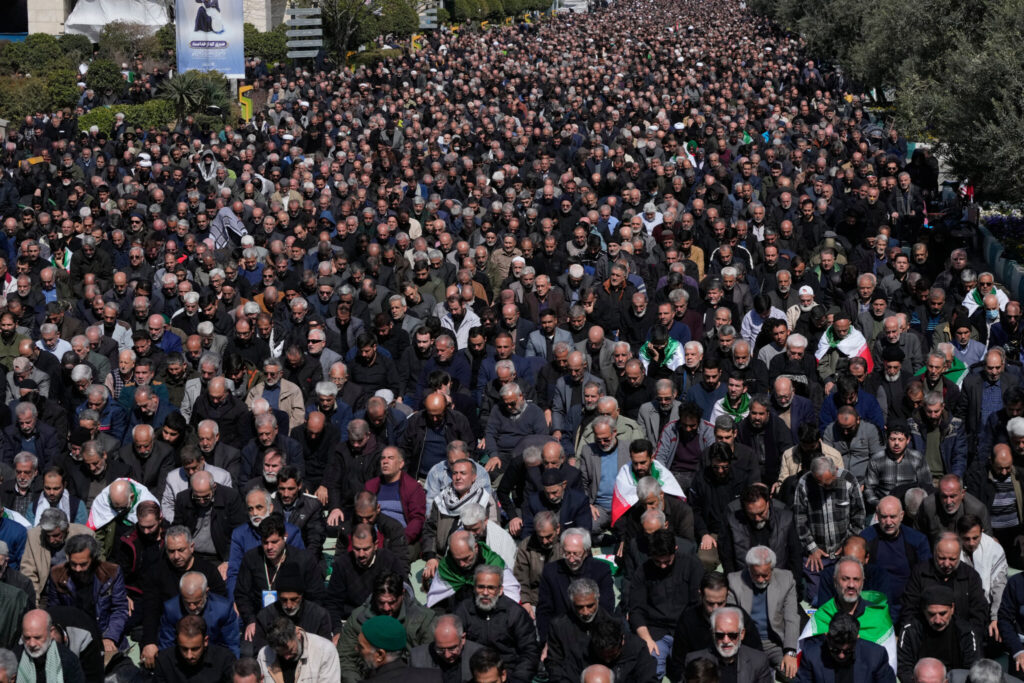
Iranian state media reported Friday that a leadership council had begun discussions about convening the country’s Assembly of Experts, an 88-member clerical body responsible for selecting the next supreme leader.
However, buildings associated with the Assembly have reportedly been damaged during the Israeli-American bombing campaign.
Israeli officials have warned that any new Iranian leader who threatens Israel could also become a target.
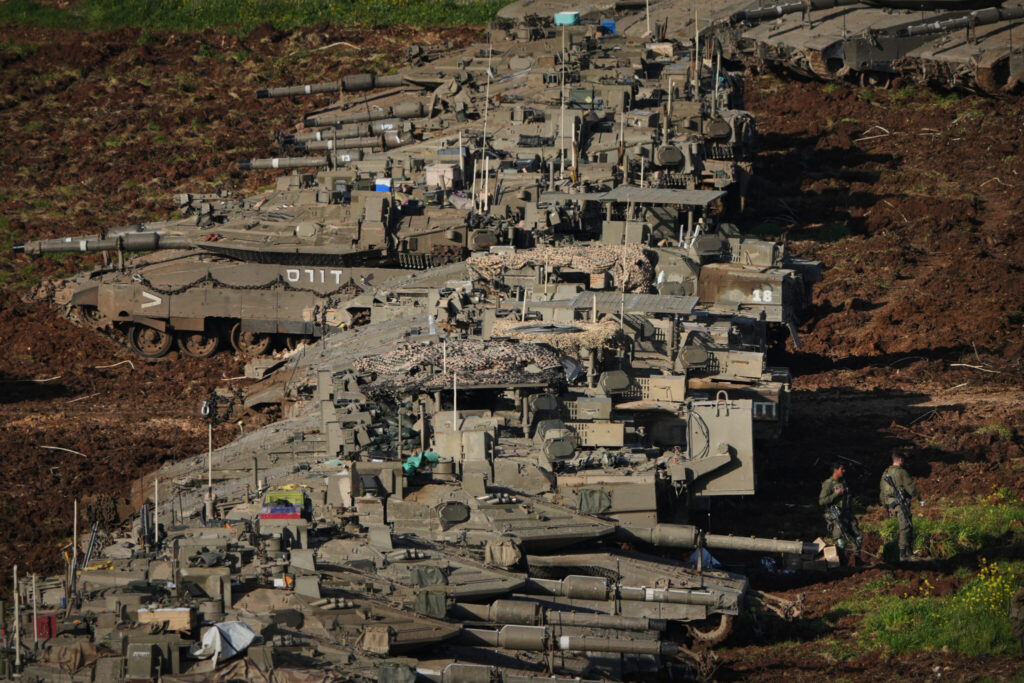
Meanwhile, Israeli forces intensified their military operations inside Iran.
The Israeli military said it had launched a large wave of airstrikes targeting Tehran and other strategic locations across the country.
Witnesses described powerful explosions shaking neighborhoods in the capital, while additional strikes were reported near the western Iranian city of Kermanshah, an area known for housing missile bases.
At the same time, Iran continued retaliatory attacks against its adversaries.
Missiles and drones were launched toward Israel as well as several Gulf countries hosting American military forces, including Kuwait, Qatar, Saudi Arabia, and Bahrain.
There were no immediate reports of casualties from those strikes.
The conflict has already resulted in significant loss of life across the region.
Officials report that at least 1,230 people have been killed in Iran, while more than 120 people have died in Lebanon and about a dozen in Israel. Six American troops have also been killed during the fighting.
Iranian President Masoud Pezeshkian said Friday that several countries had begun mediation efforts aimed at reducing tensions, though he did not provide details.
Meanwhile, the U.S. military reported it had struck an Iranian drone carrier earlier Friday.
Footage released by U.S. Central Command showed the vessel engulfed in flames after the attack.
The ship, known as the IRIS Shahid Bagheri, is a converted container vessel equipped with a runway designed for launching and recovering drones.
The vessel can travel roughly 22,000 nautical miles without refueling, making it capable of projecting Iranian drone power far from its shores.
Earlier in the week, a U.S. submarine also sank an Iranian frigate near Sri Lanka as the ship was returning from a multinational naval exercise.
Sri Lankan authorities reported rescuing 32 crew members and recovering the bodies of 87 sailors.
The widening conflict has increasingly affected Gulf countries that host American forces.
Qatar said its air defenses intercepted a drone targeting Al Udeid Air Base, which houses the forward headquarters of U.S. Central Command.
Saudi Arabia also intercepted three ballistic missiles headed toward Prince Sultan Air Base near Riyadh.
In Bahrain, officials said Iranian strikes hit two hotels and a residential building, though no casualties were reported.
Kuwait’s military said its air defenses were activated after drones and missiles entered its airspace.
The United Arab Emirates reported that three drones struck its territory but did not provide further details.
The United Kingdom has also become more involved in defending regional allies.
Britain’s ambassador to Bahrain announced that Royal Air Force fighter jets would assist in defending the country, while Prime Minister Keir Starmer ordered additional Typhoon fighters deployed to Qatar.
In Israel, air raid sirens sounded early Friday in Tel Aviv as air defense systems intercepted incoming Iranian missiles.
At the same time, Israel expanded its military campaign against Hezbollah in neighboring Lebanon.
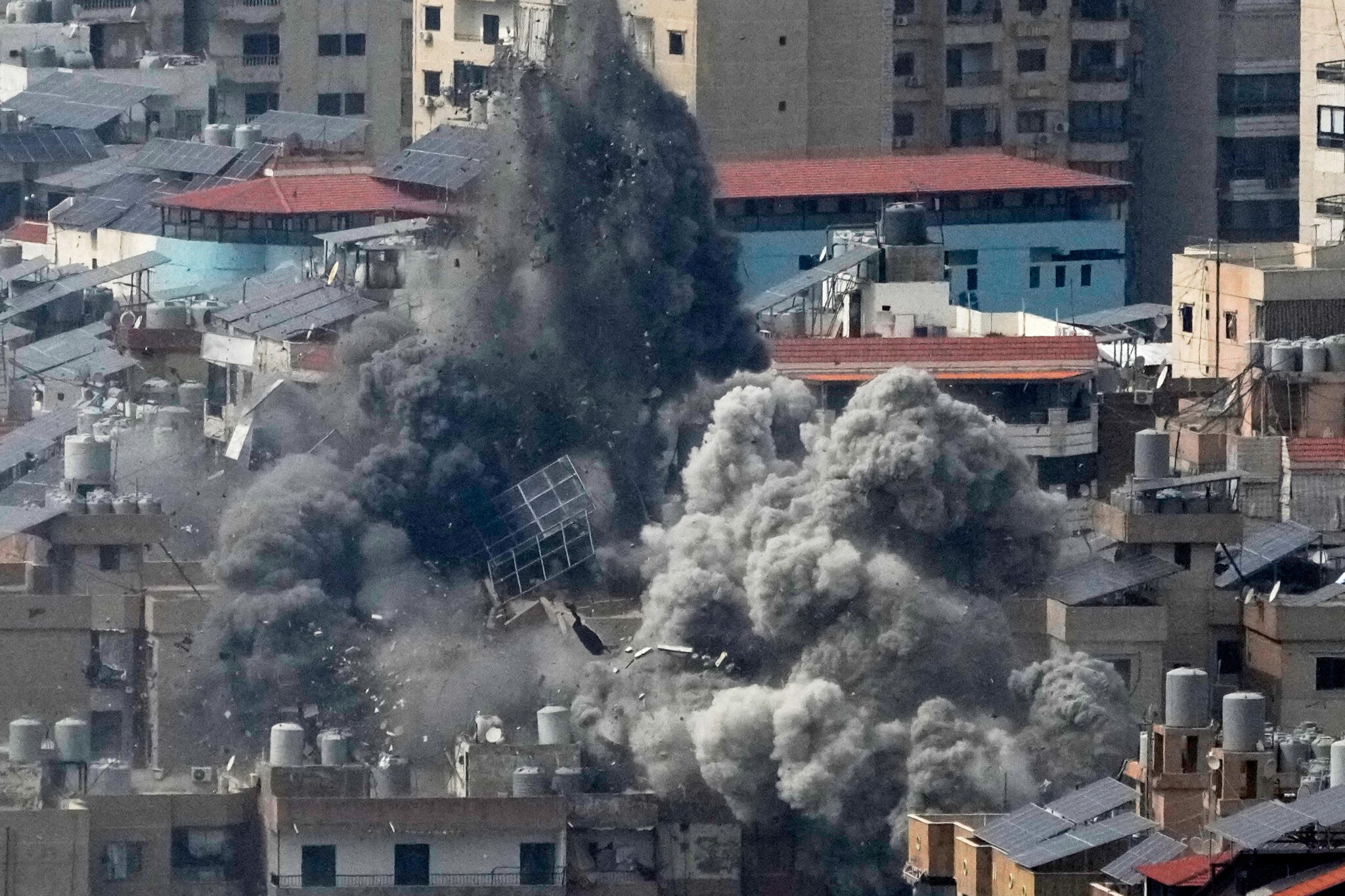
Israeli warplanes carried out at least 11 airstrikes targeting the southern suburbs of Beirut, the strongest attacks since a 2024 ceasefire ended the previous Israel-Hezbollah war.
Lebanon’s Health Ministry reported that Israeli strikes since Monday have killed 217 people and injured nearly 800.
The escalating bombardment triggered a mass exodus from parts of Beirut and southern Lebanon.
More than 95,000 residents have fled following evacuation warnings issued by the Israeli military.
Roads leading out of Beirut were jammed with traffic as families attempted to escape the fighting.
Some displaced residents described sleeping in cars or outdoors due to a lack of shelter.
“We prayed here under the tree,” said Jihan Shehadeh, one of the people forced to flee her home.
Hezbollah’s leadership urged its fighters to continue resisting Israeli attacks and framed the conflict as a religious struggle.
Lebanese Prime Minister Nawaf Salam criticized both Israel and Hezbollah, saying the Lebanese people had not chosen the war.
As the conflict continues to expand across the region, global concerns are growing about potential disruptions to energy supplies.
Qatar’s energy minister warned that the conflict could severely disrupt Gulf energy exports.
If shipping routes or energy facilities are significantly damaged, oil prices could surge dramatically.
Some analysts warn crude oil could climb to $150 per barrel, a level that could trigger widespread economic consequences around the world.




You must Register or Login to post a comment.