Trump Says ‘Starting’ Land Strikes Over Latin American Drug Trade/ Newslooks/ WASHINGTON/ J. Mansour/ Morning Edition/ President Donald Trump has warned that the U.S. will soon launch land strikes against drug operations in Latin America as part of his administration’s intensifying anti-narcotics campaign. While offering no specifics, Trump signaled an imminent escalation of military action. His statement follows earlier maritime strikes and growing tensions with regional governments.
Trump’s Drug War Escalation Quick Looks
- Trump says land strikes on drug operations are “starting.”
- No timeline or target countries were disclosed.
- Statement continues broader U.S. military escalation in Latin America.
- Trump previously launched deadly maritime strikes against suspected smugglers.
- Latin American governments have criticized lack of coordination.
- Military actions framed as a war against “narcoterrorists.”
- Critics call the plan risky and legally questionable.
- Trump claims regional leaders failed to curb drug exports.
- No confirmation on whether Congress has been briefed.
- International concerns grow over U.S. unilateral military decisions.
Deep Look: Trump Says U.S. Will ‘Start’ Land Strikes in Drug War Expansion
WASHINGTON, D.C. — President Donald Trump declared on Friday that the United States is preparing to begin land-based military strikes targeting drug operations in Latin America, escalating his administration’s already controversial campaign against narcotics traffickers in the region.
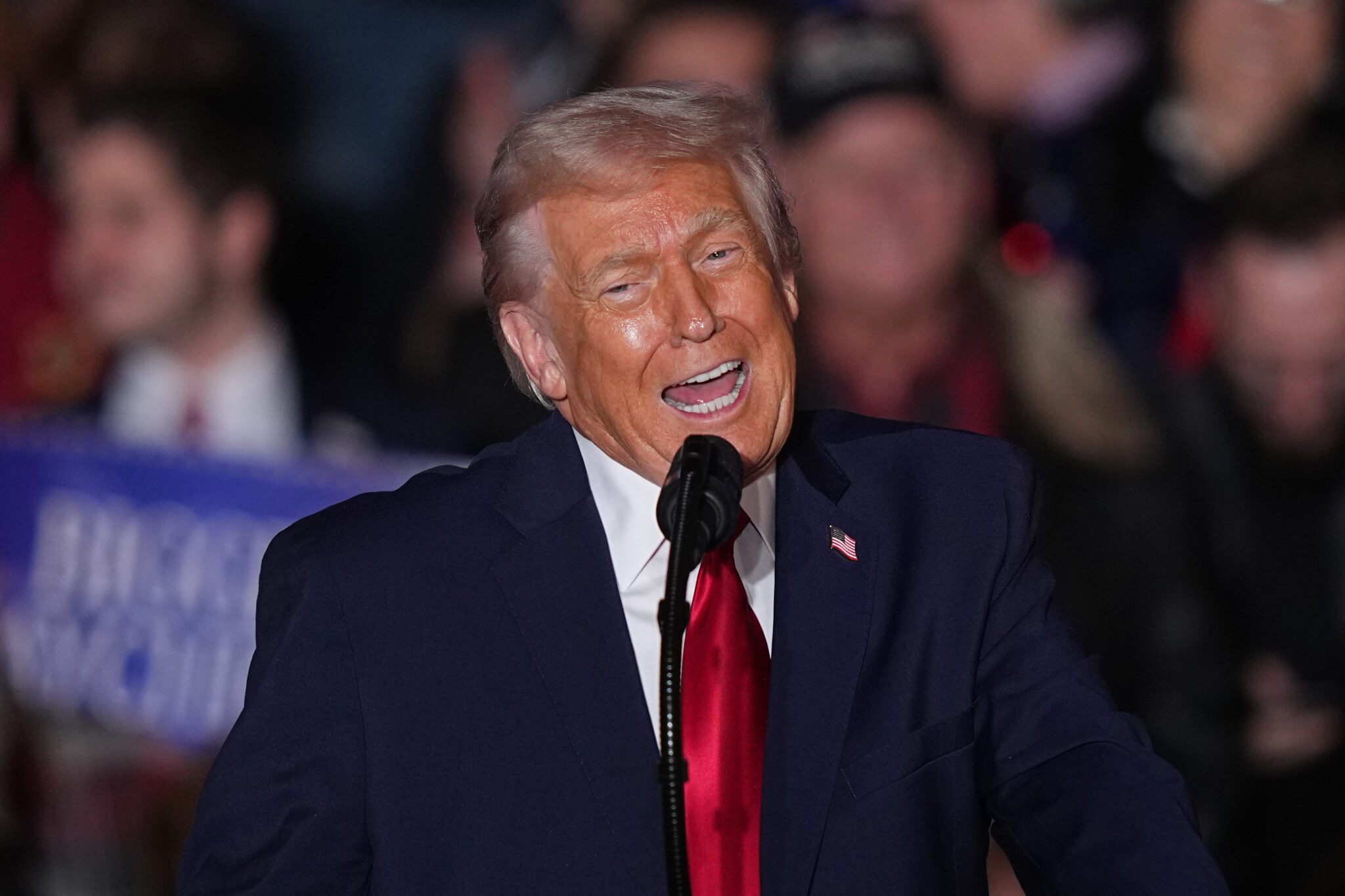
Speaking during a business roundtable at the White House, Trump offered few specifics but left no doubt about the seriousness of his intentions. “We’re starting land strikes,” the president said bluntly, without elaborating on which countries would be affected, when the operations would begin, or whether there was still a diplomatic path to avoid the conflict.
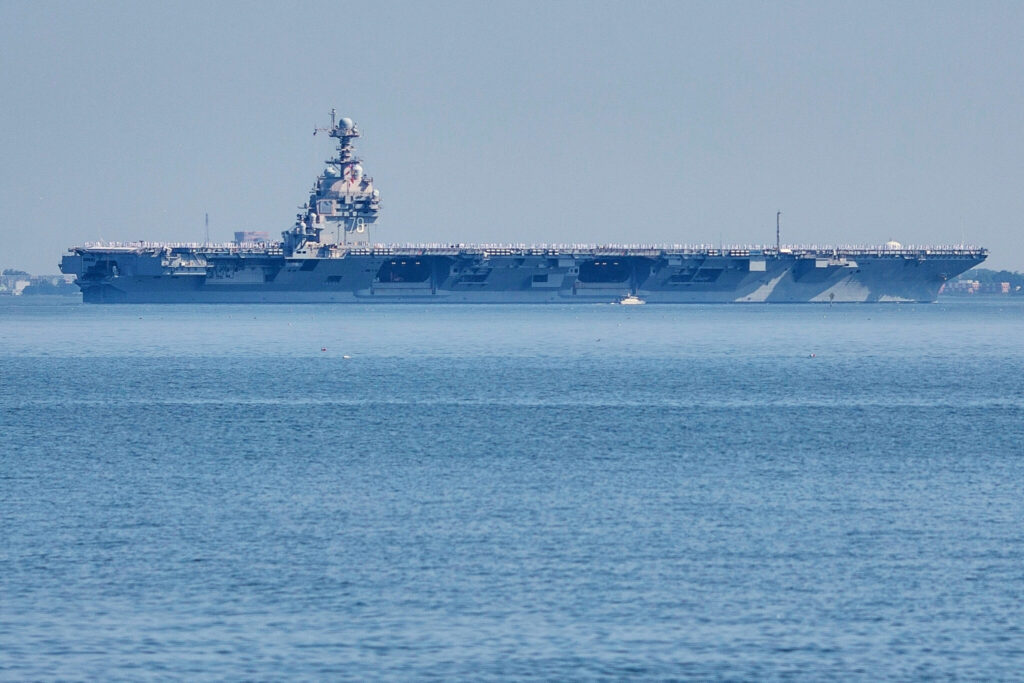
The comment marks a notable escalation in Trump’s second-term approach to combatting the flow of drugs into the U.S., following a series of maritime and aerial strikes on suspected smuggling vessels earlier this year that reportedly killed dozens.
Military Pressure Mounting
Trump’s remarks were delivered with characteristic vagueness, but his tone suggested that the U.S. is moving beyond sea- and air-based interdictions and expanding its campaign onto foreign soil. That shift has triggered alarm among international law experts, regional governments, and members of Congress who have not yet seen detailed justification or operational plans.
Administration officials have so far declined to clarify whether these land strikes would be conducted with the consent of foreign governments or unilaterally by U.S. forces. Trump has previously expressed frustration with countries like Venezuela, Colombia, and Mexico, accusing them of doing too little to stop drug trafficking.
“We’ve been more than patient,” Trump said last month. “They’ve had their chance.”
His administration has categorized major cartels as “narcoterrorist organizations”, invoking post-9/11 legal frameworks to justify the use of military force abroad without traditional declarations of war.
Regional Tensions Rising
Latin American leaders have largely condemned the earlier strikes and warned that further military action by the U.S. without coordination would represent a serious violation of sovereignty. In particular, Venezuelan President Nicolás Maduro—already charged with narcoterrorism by the U.S.—has accused Trump of using anti-drug operations as a cover for regime change.
While Trump has denied targeting specific governments, he has made no secret of his desire to destabilize regimes he sees as hostile or complicit in the drug trade.
“These cartels are enemies of the American people,” Trump said during an earlier appearance. “We will go wherever we need to go to stop them.”
Legal and Strategic Questions
Experts in both international and constitutional law say the administration may be stretching its legal authority. No formal authorization from Congress has been issued for land strikes, and questions remain about the scope of the Pentagon’s involvement and the rules of engagement for U.S. troops operating in foreign nations.
Congressional leaders from both parties have requested briefings on the administration’s military strategy in Latin America but say they have received limited information.
The administration continues to argue that under its interpretation of the Authorization for Use of Military Force (AUMF) and expanded executive powers, it can target transnational criminal organizations as threats to national security.
Critics, however, say this approach lacks transparency, bypasses democratic oversight, and risks provoking wider conflict in a region already struggling with political instability and economic hardship.
Diplomatic Fallout Expected
Trump’s latest comments are likely to strain diplomatic relationships across the Western Hemisphere. Previous military actions have already been condemned by the Organization of American States (OAS) and human rights organizations that claim the strikes have endangered civilians and violated international norms.
So far, the White House has not indicated that any formal talks have been held with governments potentially affected by future strikes. National security officials have remained tight-lipped about troop deployments or operational timelines.
“We’re not telegraphing our moves,” one senior White House official said off the record. “But the president has made it clear: The status quo is over.”
No Signs of De-escalation
With just weeks left in the 2025 legislative calendar and political attention increasingly focused on domestic economic challenges and the 2026 midterms, Trump appears to be forging ahead with a militarized drug enforcement strategy that few lawmakers have openly endorsed — but that some conservative allies have cheered as tough-on-crime leadership.
Whether the promised land strikes actually occur—or if this is another high-stakes bluff—remains to be seen. But the pattern of escalating rhetoric, coupled with previous actions, has many observers worried that the region may soon be on the edge of a larger military conflict.