Trump Says U.S. Mission in Venezuela Could Last 18 Months/ Newslooks/ WASHINGTON/ J. Mansour/ Morning Edition/ President Trump announced the U.S. could remain in Venezuela for up to 18 months to restore its energy sector. He signaled potential subsidies for oil companies and emphasized economic, not military, goals. Critics question the legality of the operation, while Trump frames it as a MAGA-supported mission.
U.S. Mission in Venezuela: Quick Looks
- Trump estimates Venezuela operation could span 18 months
- U.S. may subsidize American oil firms’ investments there
- Goal is to restore Venezuela’s oil infrastructure post-Maduro
- Trump claims no near-term elections are possible in Venezuela
- New leadership must comply or risk further U.S. action
- Sanctions on new VP Delcy Rodríguez under review
- Rubio, Vance, Miller, and Hegseth to oversee involvement
- Trump says MAGA base supports his Venezuela strategy
- Critics cite bypassing of congressional war powers
- Energy Secretary to meet with oil executives this week
Trump Says U.S. Mission in Venezuela Could Last 18 Months
Deep Look
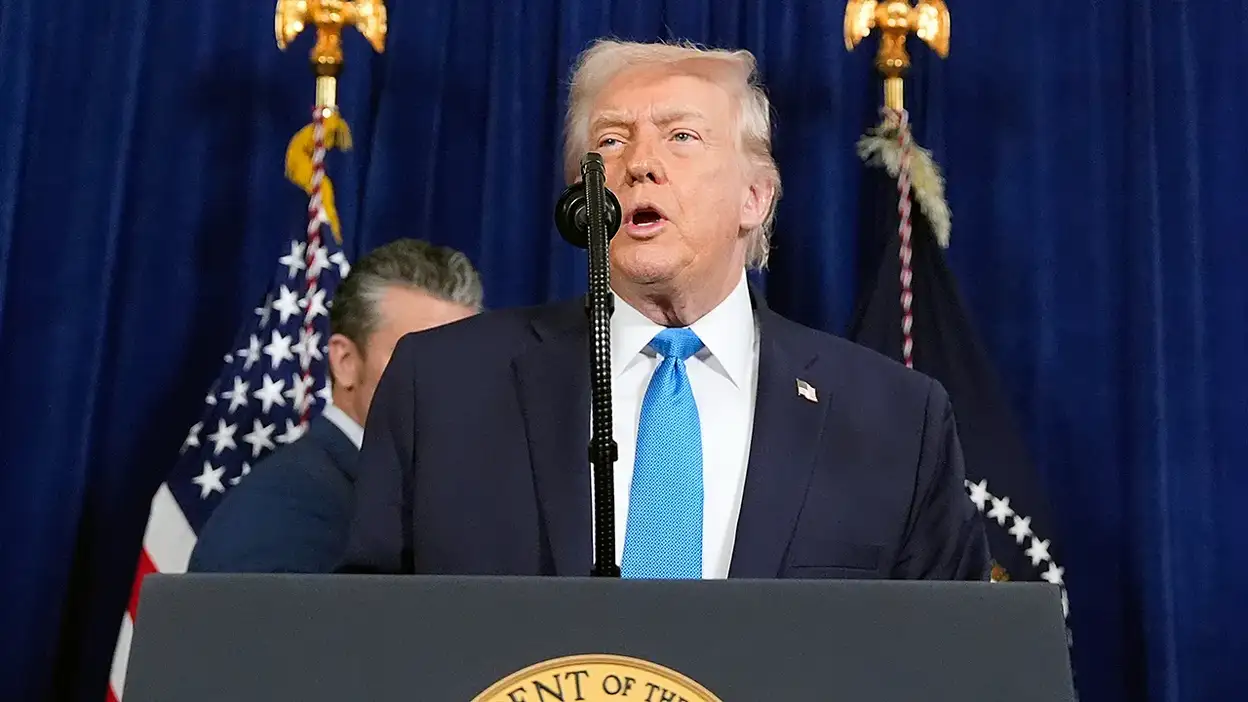
President Donald Trump said on Monday that the United States could remain actively engaged in Venezuela for up to 18 months as part of an ambitious plan to rebuild the country’s collapsed oil infrastructure. Speaking in an NBC interview, Trump framed the U.S. mission not as an occupation or war, but as an economic recovery project, signaling a long-term American presence in the oil-rich South American nation following the dramatic capture of former President Nicolás Maduro.
The remarks come just days after Maduro and his wife, Cilia Flores, were flown to New York and arraigned on federal charges including narco-terrorism and international drug trafficking. Both pleaded not guilty.
Trump emphasized that Venezuela would not hold elections within the next 30 days and suggested that American intervention was necessary to stabilize the country before any democratic process could take place. “There’s no way they can vote until we fix the country,” he said, adding that bringing Venezuela “back to health” would take time.
Key to Trump’s vision is the revival of Venezuela’s massive energy sector. The nation holds the world’s largest proven oil reserves, but its production and infrastructure have been severely degraded over the past decade. Trump asserted that the U.S. would work with private oil companies to rebuild the sector, potentially offering subsidies and support through public funds.
The president said that oil companies investing in the Venezuelan projects could expect reimbursement either through U.S. compensation or future revenue generated from restored output.
“Our oil companies are ready and willing to invest big,” said White House spokesperson Taylor Rogers. She blamed the Maduro regime for the collapse of Venezuela’s once-thriving energy economy.
Trump further claimed that Venezuelan officials had stolen American oil assets during nationalization campaigns, and part of his plan includes restoring compensation to affected U.S. businesses. Experts, however, say the situation is more complex and tied to decades of political and economic tensions.
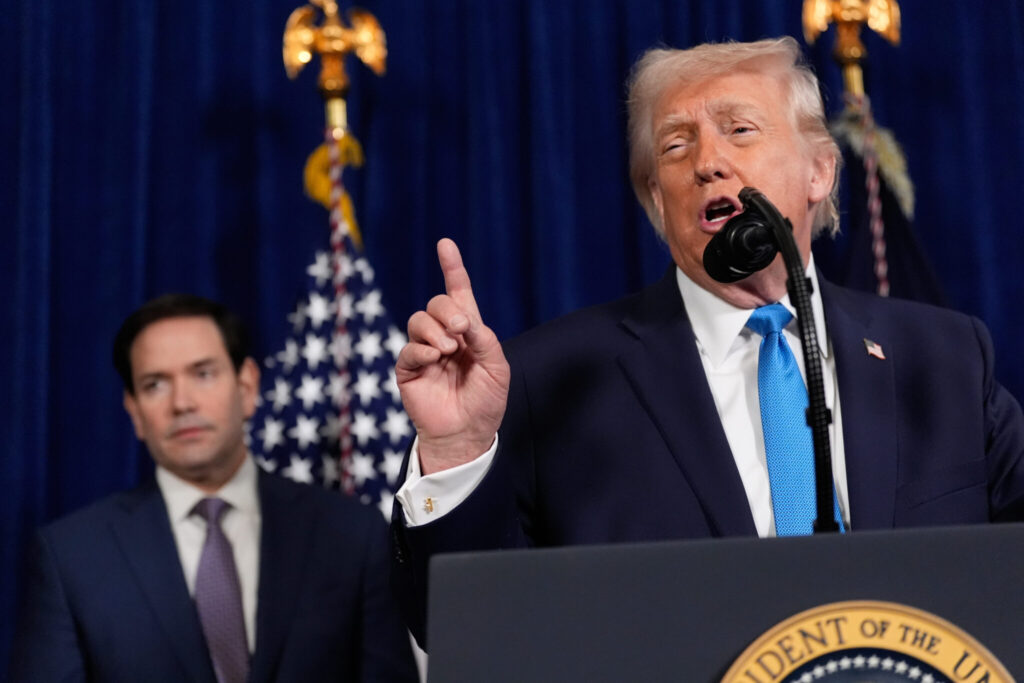
According to Trump, the oversight of U.S. involvement in Venezuela will be shared among several key administration figures: Secretary of State Marco Rubio, Defense Secretary Pete Hegseth, Vice President JD Vance, and deputy White House chief of staff Stephen Miller. Trump said Rubio has had productive conversations with Vice President Delcy Rodríguez — Maduro’s constitutional successor — and that their relationship has been “very strong.”
Still, the president didn’t rule out future military action. If Rodríguez fails to comply with U.S. expectations, “a second operation” may be on the table, he warned. A decision on whether to maintain or lift sanctions on her is pending.
Rubio also floated the idea of an “oil quarantine” to pressure the new Venezuelan government into cooperation. This would give the U.S. strategic leverage over the country’s vast crude resources and could help stabilize global energy prices.
Trump argued that revitalizing Venezuela’s oil sector would ultimately benefit American consumers by increasing global supply and driving down domestic fuel prices. He positioned the mission as mutually beneficial — a way to secure energy independence while reshaping Venezuela’s political and economic future.
Despite Trump’s insistence that the U.S. is not at war, his decision to conduct a military operation without formal congressional approval has sparked criticism from both Democrats and some Republicans. Legislators are questioning whether the administration overstepped executive authority, reigniting the debate over presidential war powers.
Asked about the legality of the intervention, Trump deflected. “Congress was aware,” he said, but declined to elaborate. He instead leaned on the loyalty of his political base:
“MAGA loves what I’m doing. MAGA loves everything I do. MAGA is me.”
As Washington debates the constitutionality and consequences of the Venezuelan mission, the administration continues to press forward. Energy Secretary Chris Wright is expected to meet with top oil executives this week to discuss investment opportunities and timelines for restoring operations in Venezuela.
While the long-term impact of U.S. involvement remains uncertain, Trump’s comments signal a deeper commitment to reshaping the region — one driven not solely by geopolitics, but by economics and energy dominance. With control over oil resources, influence in the hemisphere, and the 2026 election looming, the stakes are high on multiple fronts.