Trump Says U.S. Strikes Drug Facility in Venezuela/ Newslooks/ WASHINGTON/ J. Mansour/ Morning Edition/ President Donald Trump revealed that the U.S. recently struck a land-based facility linked to drug trafficking operations in South America. The strike marks a potential shift from maritime to land attacks in Trump’s ongoing pressure campaign on Venezuela. The White House and Pentagon have yet to provide confirmation or additional details.
U.S. Venezuela Strike + Quick Looks
- Trump says U.S. struck a facility tied to drug boats
- Comments made during unplanned radio call on WABC
- No official Pentagon or White House confirmation provided
- Strike may signal shift from sea to land operations
- Defense officials silent; CIA also declined comment
- Trump previously authorized CIA covert ops in Venezuela
- Over 100 killed in U.S. maritime strikes since September
- Warships deployed; oil tankers seized in broader campaign
- Venezuela accuses U.S. of trying to oust Maduro
- Trump official says aim is to pressure Maduro to surrender
Trump Says U.S. Strikes Drug Facility in Venezuela
Deep Look
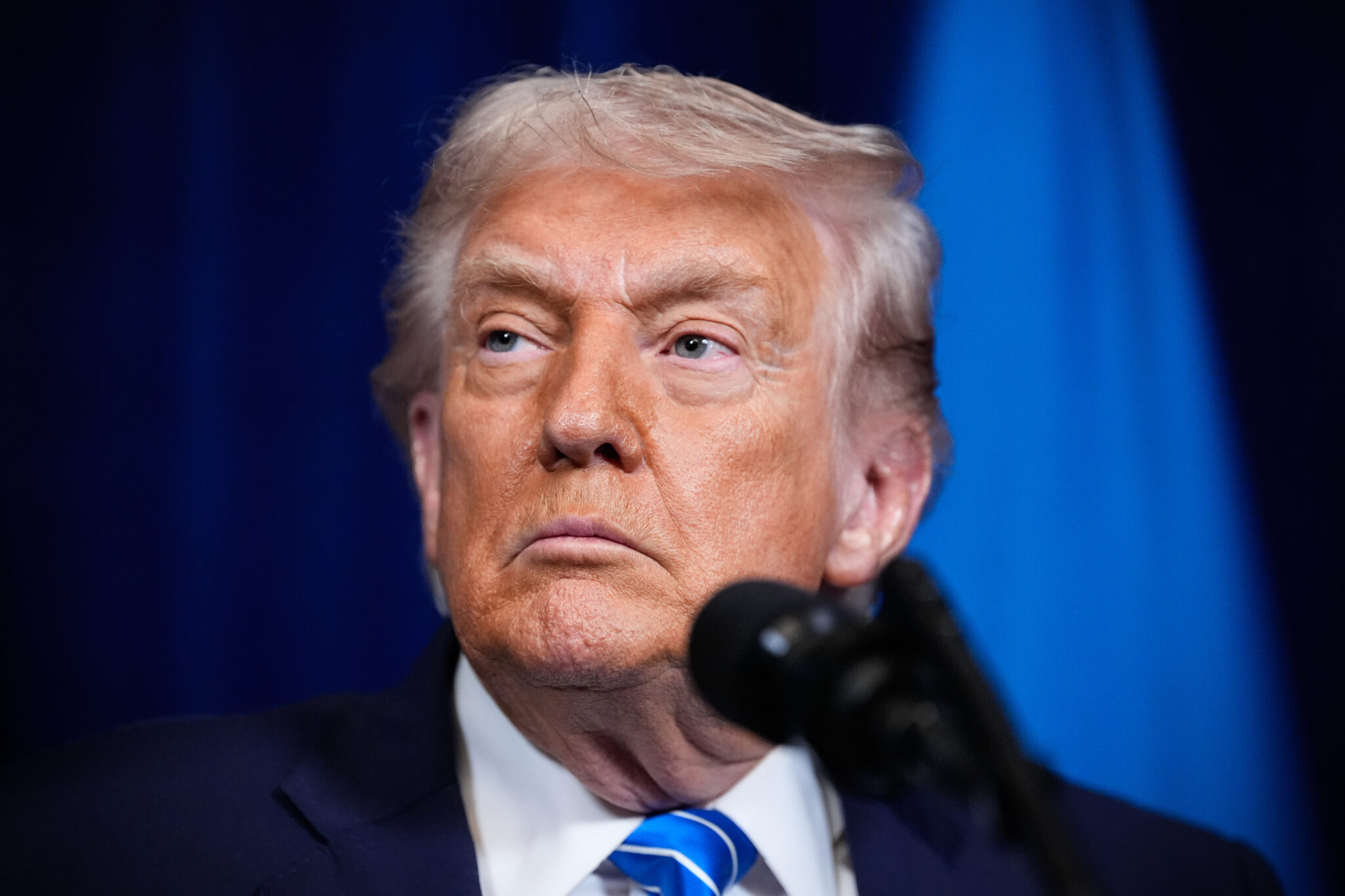
WASHINGTON (AP) — President Donald Trump revealed in a radio interview that the United States has struck a facility in South America as part of its ongoing effort to disrupt drug trafficking routes, possibly signaling a new escalation in its campaign against Venezuela.
During a surprise call to WABC Radio’s Cats Roundtable on Friday, Trump referenced a large facility connected to maritime drug trafficking operations.
“I don’t know if you read or saw, they have a big plant or a big facility where they send the, you know, where the ships come from,” Trump said. “Two nights ago, we knocked that out. So, we hit them very hard.”
Though Trump stopped short of naming the specific location or providing operational details, his remarks imply that the U.S. has moved beyond targeting drug-laden boats in international waters to striking land-based infrastructure potentially located in Venezuela or nearby.
The Pentagon, when asked for comment on Monday, referred all inquiries to the White House. No statements were issued by White House officials as of press time. Additionally, there was no public announcement or confirmation from the Department of Defense or U.S. military social media accounts, which typically report such operations.
Since early September, U.S. forces have carried out at least 29 known strikes on vessels believed to be transporting narcotics across the Caribbean Sea and eastern Pacific Ocean. These actions have resulted in the deaths of over 100 individuals, signaling the Trump administration’s increasingly aggressive stance in its declared “armed conflict” against drug cartels.
The president’s comments on striking a facility align with earlier suggestions that the U.S. would expand its operations beyond maritime targets. In October, Trump publicly confirmed that he had authorized the CIA to conduct covert operations in Venezuela, further deepening suspicions of broader military and intelligence objectives in the region.
Trump’s national security approach toward Venezuela has long included economic sanctions, military buildup, and diplomatic isolation. The U.S. has seized oil tankers, increased its naval presence, and signaled a willingness to use force if necessary. His administration has portrayed these efforts as essential to combat the flow of narcotics into the U.S., while critics argue they reflect a broader strategy to destabilize President Nicolás Maduro’s regime.
Maduro has repeatedly accused the U.S. of attempting regime change under the guise of counter-narcotics operations. Venezuelan officials did not immediately respond to requests for comment on Trump’s latest claim.
White House Chief of Staff Susie Wiles, speaking earlier this month in an interview with Vanity Fair, underscored the administration’s goals. She said Trump “wants to keep on blowing boats up until Maduro ‘cries uncle.’”
Meanwhile, questions remain about the legitimacy and effectiveness of U.S. actions in the region, as well as the potential risks of unintended escalation. Legal scholars and human rights organizations have raised concerns about transparency and accountability in both maritime and land-based operations, particularly when civilian casualties are involved.
There’s also a diplomatic risk: if the U.S. did strike a facility on Venezuelan territory without direct acknowledgment or coalition support, it could provoke international backlash. Analysts warn that unconfirmed and unilateral military actions can lead to regional instability and undermine global norms regarding the use of force.
Despite the silence from official channels, Trump’s language suggests a hardened posture. He has consistently framed narcotics trafficking as a national security threat, using militarized language and emphasizing a no-compromise approach. The radio interview appears to reinforce the administration’s intent to intensify pressure not just on drug traffickers but on Maduro’s government itself.
With the 2026 election cycle approaching, Trump’s foreign policy decisions — particularly aggressive ones that align with “America First” principles — may also serve domestic political purposes. Demonstrating strength abroad has long been a strategic priority for his campaign messaging.
Whether the latest strike marks a turning point in U.S.-Venezuela relations remains to be seen. For now, the lack of transparency and confirmation has left much to speculation, even as the U.S. appears poised to expand its anti-drug operations further inland.