Trump Signs Executive Order to Reclassify Marijuana/ Newslooks/ WASHINGTON/ J. Mansour/ Morning Edition/ President Trump signed an executive order that could reclassify marijuana as a lower-risk Schedule III drug, aligning federal policy more closely with many states. The move would reduce regulatory burdens and encourage medical research, though it stops short of full legalization. A new CBD program for Medicare recipients was also announced.

Trump Marijuana Reclassification Quick Looks
- Trump signed an executive order that could reclassify marijuana as a Schedule III drug.
- Cannabis would be grouped with drugs like ketamine and some steroids.
- Move could ease research restrictions and cut cannabis industry taxes.
- Marijuana would remain federally illegal for recreational use.
- Public support for legalization has grown to 68% (Gallup).
- Trump’s order includes a new Medicare CBD access program.
- Opposition from over 20 Republican senators, citing health and safety concerns.
- Trump previously kept marijuana policy at the state level.
- His administration continues to crack down on fentanyl, calling it a weapon of mass destruction.
Trump Signs Executive Order to Reclassify Marijuana
Deep Look
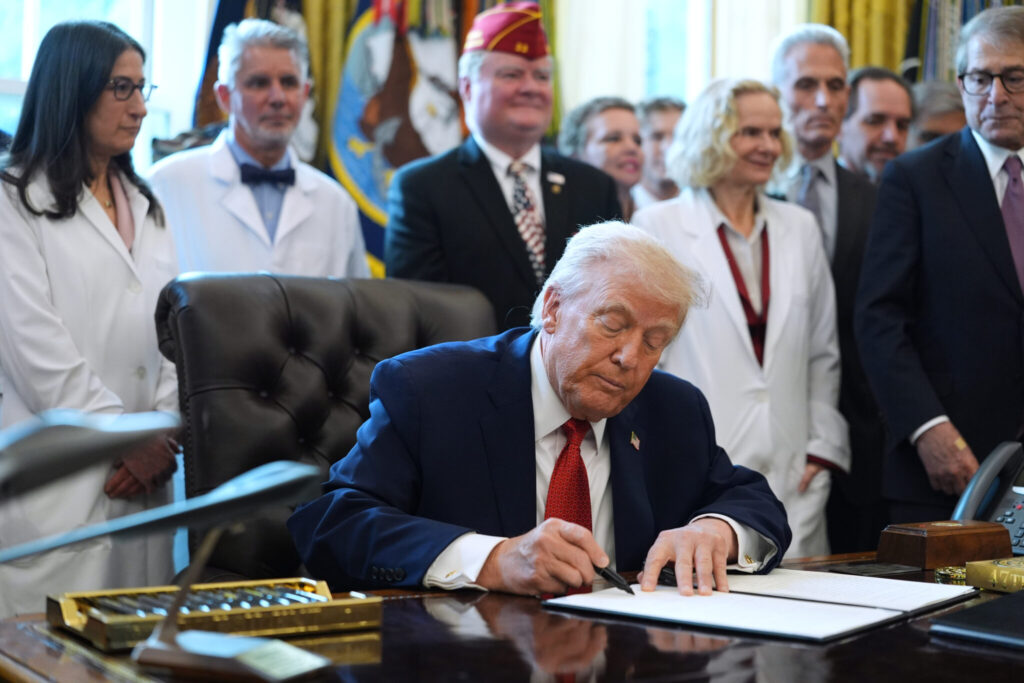
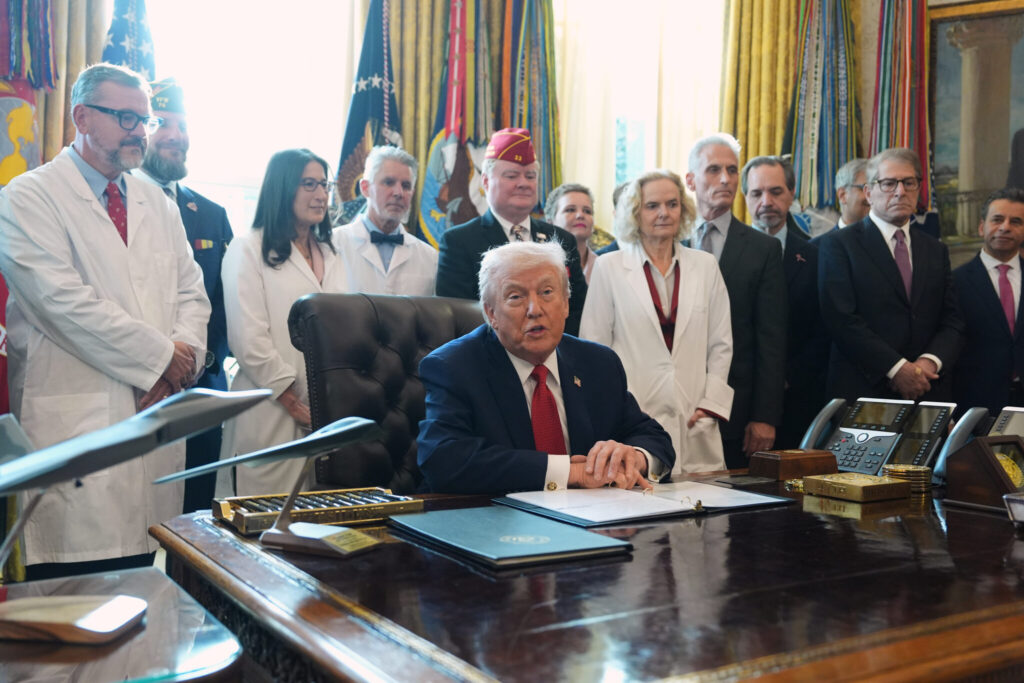
In a significant shift in federal drug policy, President Donald Trump signed an executive order Thursday that could reclassify marijuana from a Schedule I controlled substance to a less restrictive Schedule III classification. The order, which marks one of the most consequential federal cannabis policy actions in decades, sets the stage for reduced penalties, expanded research, and a potential easing of burdens on the marijuana industry.
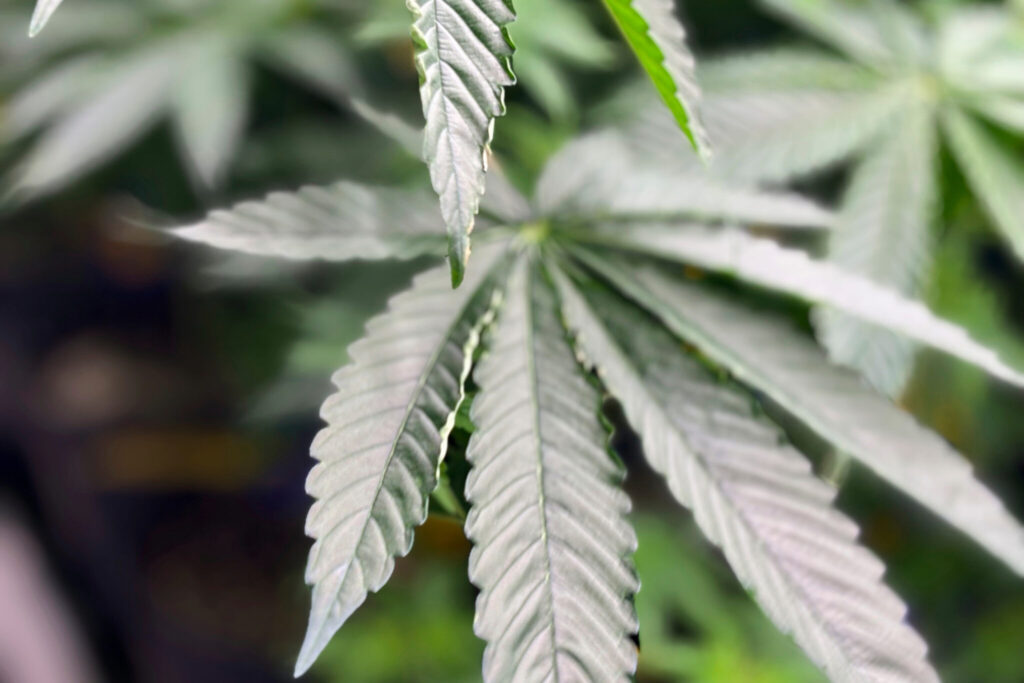
Currently grouped alongside drugs like heroin and LSD, marijuana’s reclassification to Schedule III would place it in the same category as ketamine and anabolic steroids. This change wouldn’t legalize recreational cannabis nationwide but could substantially lower tax obligations for businesses in the legal marijuana sector and unlock new opportunities for scientific and medical study.
Speaking from the White House, Trump cited strong public interest in changing marijuana’s classification. “We have people begging for me to do this. People that are in great pain,” he said. He acknowledged the surge in support for cannabis policy reform, especially from those advocating for medical relief and expanded access.
The executive order would accelerate a review process already underway at the Drug Enforcement Administration (DEA). The process began under President Joe Biden, who proposed a similar reclassification in 2023. However, Trump’s directive could fast-track the bureaucratic steps that typically involve public comment periods, agency reviews, and legal evaluations.
Although President Biden had backing from much of his party, Trump faces resistance from within his own ranks. More than 20 Republican senators, including close allies like North Carolina Senator Ted Budd, signed a letter urging Trump not to alter marijuana’s federal status. They argued that the drug remains dangerous and warned the shift could pose risks to public health and safety.
“The only winners from rescheduling will be bad actors such as Communist China, while Americans will be left paying the bill,” the letter claimed, reflecting concerns about international cannabis markets and influence.
Nonetheless, the public mood appears to favor reform. A recent Gallup poll shows that support for marijuana legalization has grown from just 36% in 2005 to 68% in 2024. Dozens of states have already legalized the drug in some form, whether for recreational or medical use, while federal law has remained far stricter.
Trump’s order also includes a new initiative focused on CBD, a hemp-derived compound touted for its therapeutic benefits. A pilot program under Medicare will allow seniors to access legal, doctor-recommended CBD products at no cost. Dr. Mehmet Oz, now leading the Centers for Medicare and Medicaid Services, said the program would “provide new, non-addictive options for pain relief and wellness.”
Still, despite this move toward a less punitive approach to cannabis, Trump has maintained a hardline stance on other drugs. His administration continues to focus heavily on curbing fentanyl trafficking. Earlier this year, he signed an executive order officially declaring fentanyl a weapon of mass destruction and authorized U.S. military operations targeting suspected drug trafficking vessels in international waters.
Trump has not formally committed to decriminalizing marijuana, but Thursday’s order signals a more pragmatic approach to cannabis policy during his second term. As a candidate, he previously said marijuana should be left to the states, a view echoed throughout his presidency.
While marijuana’s reclassification would not immediately legalize it for recreational use or remove all federal penalties, it would represent a historic recalibration of federal drug law—one that could better align with public opinion and the legal realities on the ground in much of the country.
For now, the timeline for full implementation of the reclassification remains unclear. The DEA still holds final authority, and legal challenges could follow. But Trump’s order represents a decisive political statement: that the federal government is ready to reconsider its decades-long stance on cannabis.