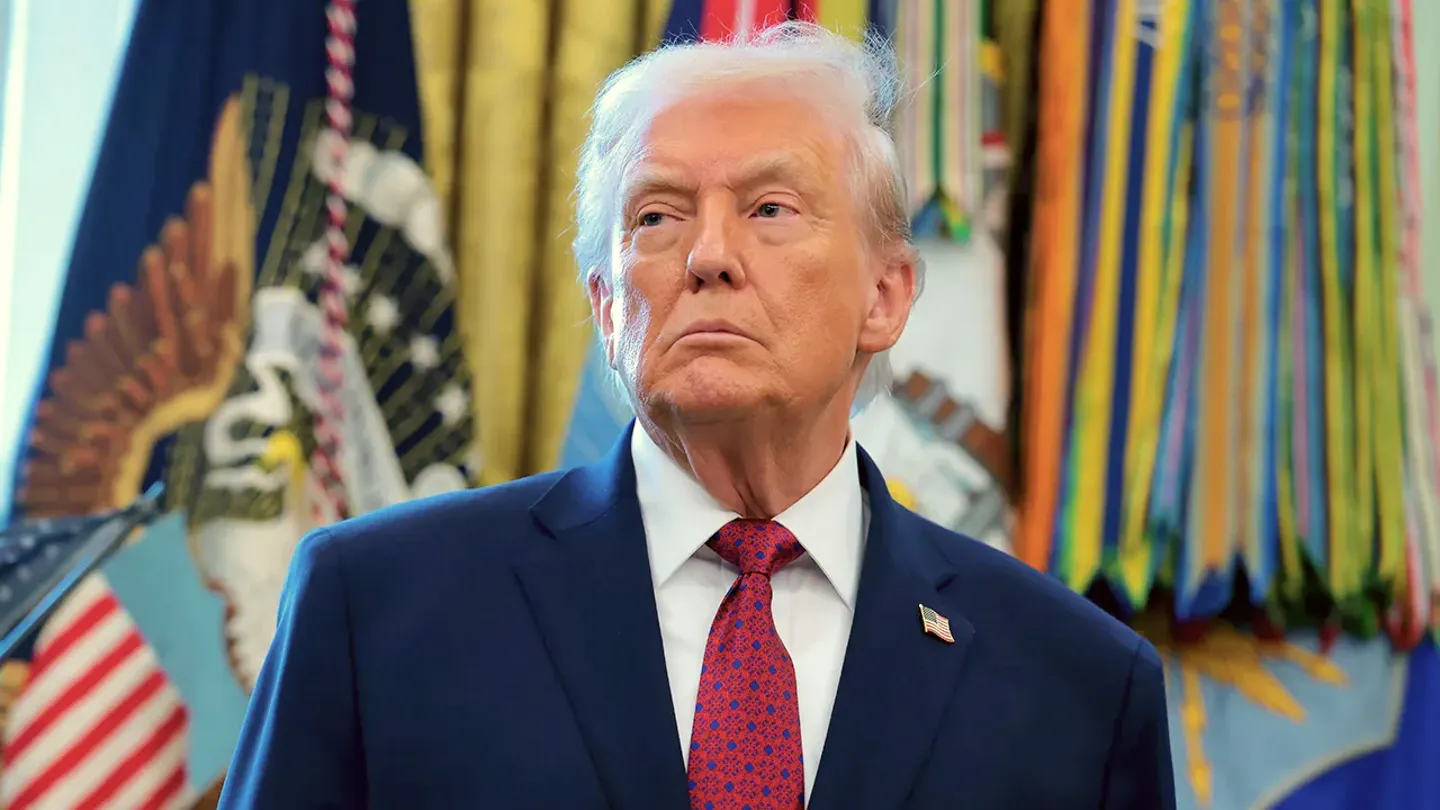
Trump Slams GOP Senators Over War Powers Vote/ newslooks/ WASHINGTON/ J. Mansour/ Morning Edition/ President Trump lashed out at five Senate Republicans who voted with Democrats to limit his war powers after the Venezuela raid. Calling them disloyal, Trump said they should never hold office again. The bipartisan resolution challenges Trump’s authority for future military action without congressional approval.
Trump vs GOP War Powers Quick Looks
- Trump criticizes five Republican senators for backing war powers resolution
- GOP senators voted to require congressional approval for more Venezuela actions
- Trump defends Operation Absolute Resolve, condemns congressional interference
- Senators say future military efforts need legislative oversight
- Trump calls War Powers Act unconstitutional, vows continued military authority
- Next Senate vote on the issue expected next week
- Collins and others support Maduro raid but oppose ongoing troop deployment
- Resolution unlikely to pass into law but signals bipartisan pushback
Trump Slams GOP Senators Over War Powers Vote
Deep Look
WASHINGTON — President Donald Trump issued a forceful condemnation Thursday of five Republican senators who sided with Democrats to support a war powers resolution aimed at limiting his ability to conduct further military operations in Venezuela without congressional approval.
The rebuke followed a 52-47 Senate vote to advance the resolution, authored by Senator Tim Kaine (D-Va.), in response to Trump’s surprise military operation — Operation Absolute Resolve — which resulted in the capture of Venezuelan President Nicolás Maduro. The vote marked a rare bipartisan challenge to the president’s authority from within his own party.
Trump responded on Truth Social, writing:
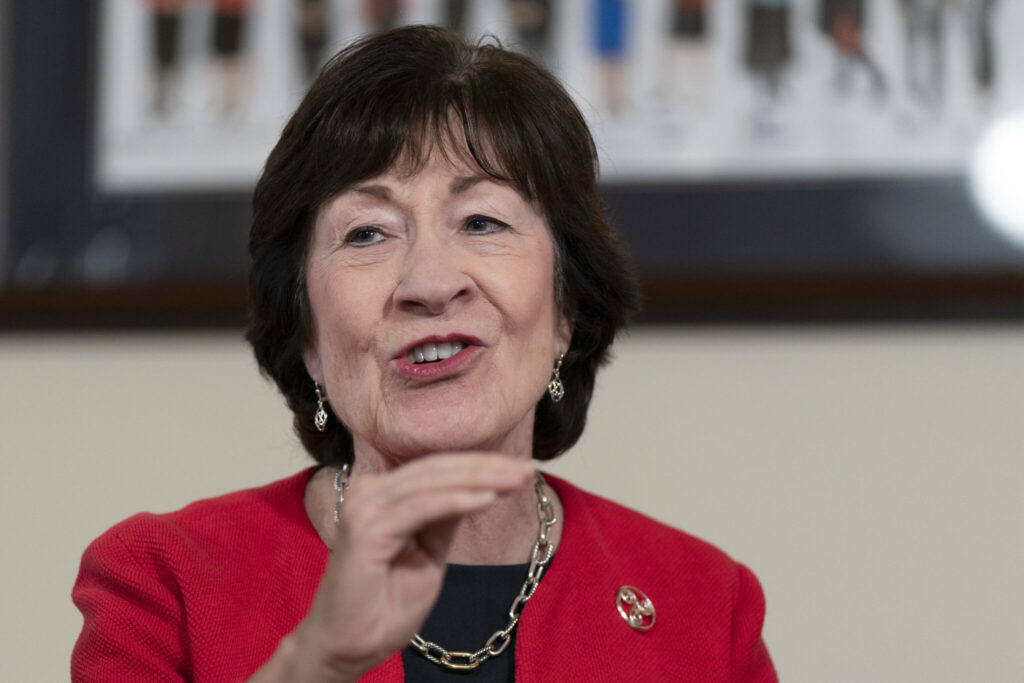
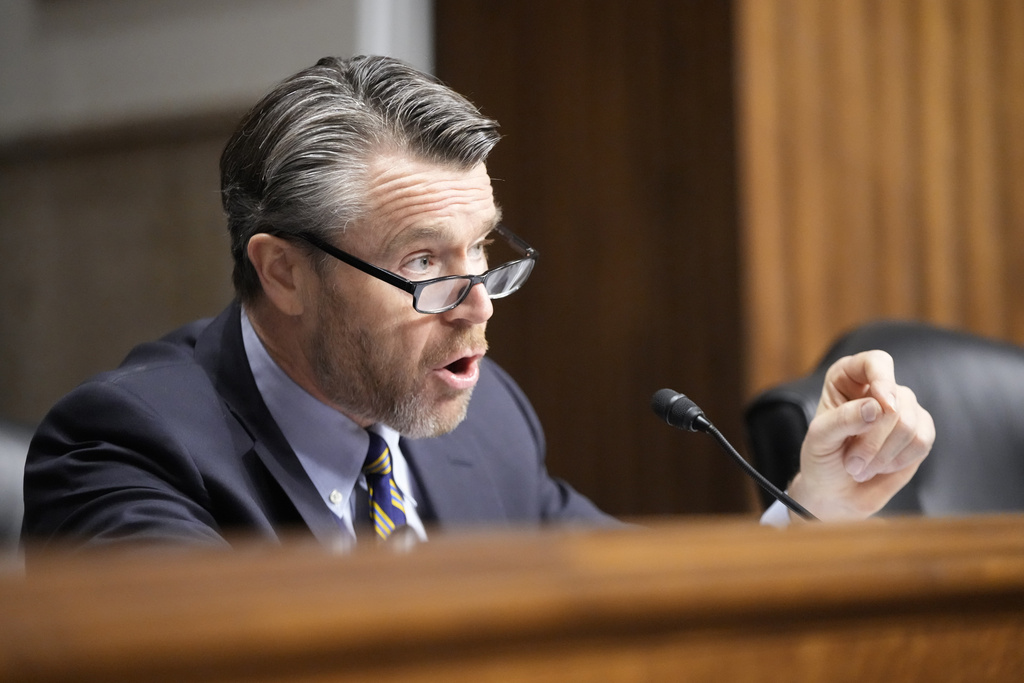
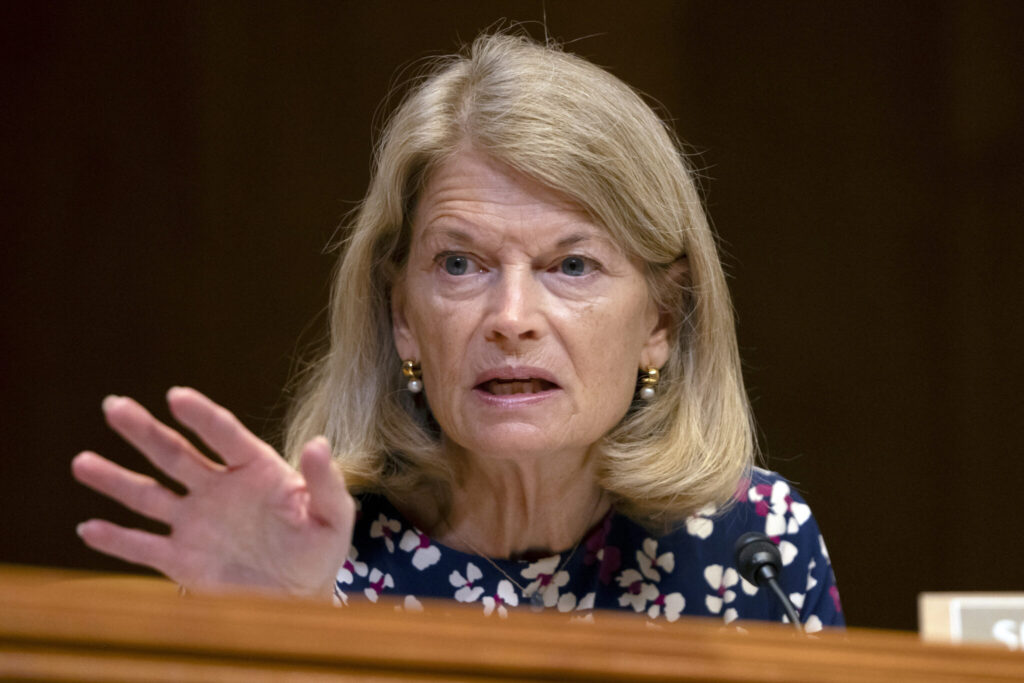
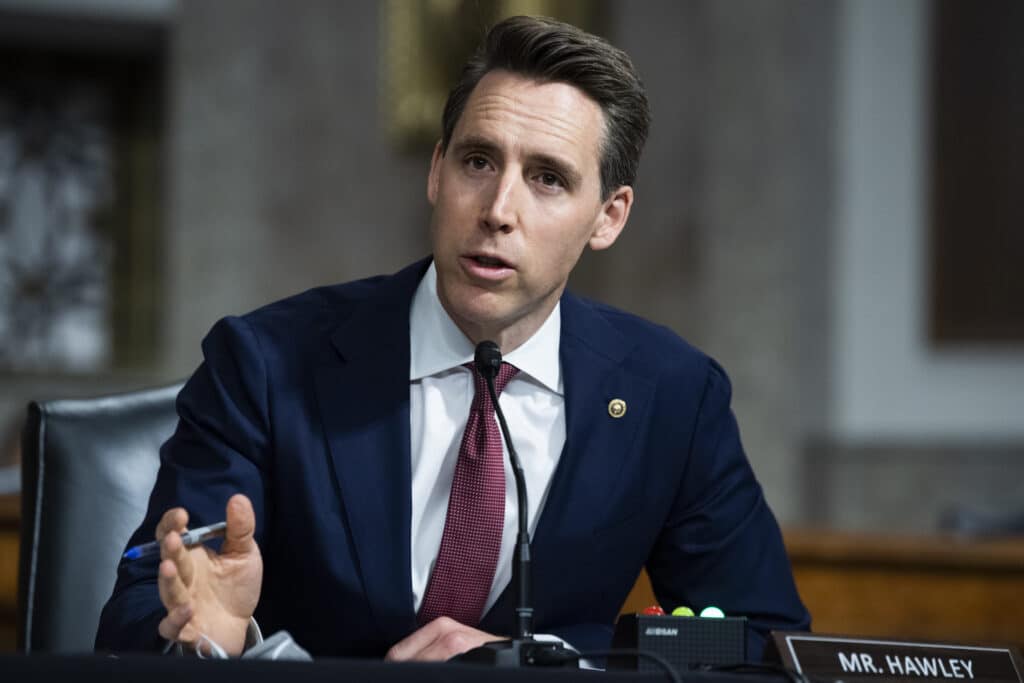
“Republicans should be ashamed of the Senators that just voted with Democrats in attempting to take away our Powers to fight and defend the United States of America. Susan Collins, Lisa Murkowski, Rand Paul, Josh Hawley, and Todd Young should never be elected to office again.”
Trump added, “This vote greatly hampers American Self Defense and National Security, impeding the President’s Authority as Commander in Chief.”
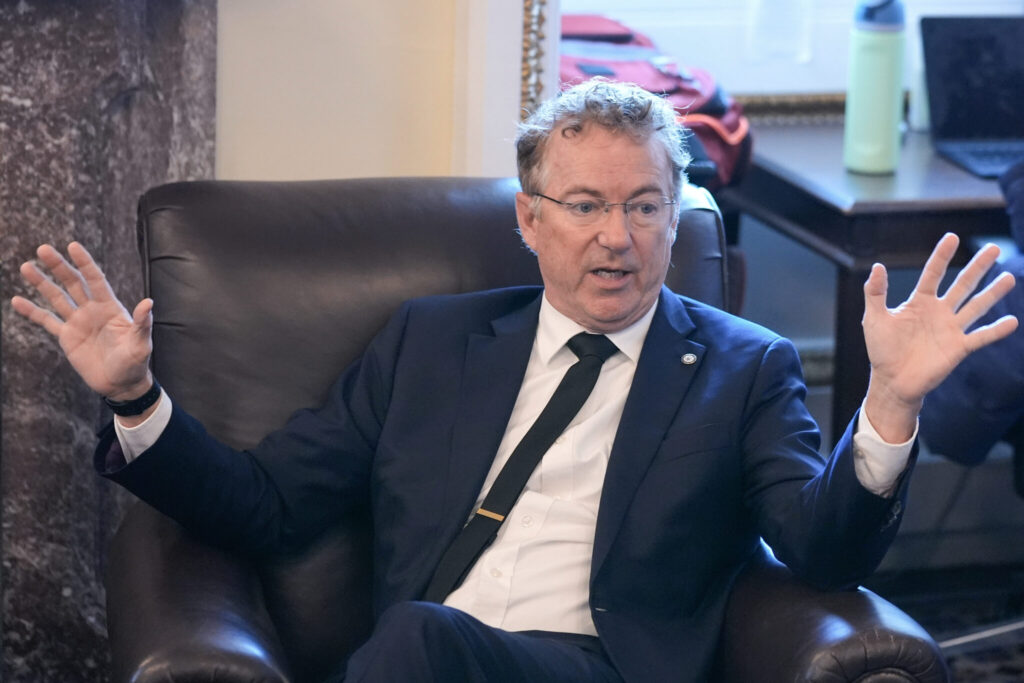
The five Republican senators — Susan Collins (Maine), Lisa Murkowski (Alaska), Rand Paul (Kentucky), Josh Hawley (Missouri), and Todd Young (Indiana) — argued that while they supported the initial mission to apprehend Maduro, any further military involvement in Venezuela, or new operations elsewhere such as Greenland, must involve Congressional authorization.
“We support the precision and success of the mission,” Collins said in a statement, “but we do not support indefinite military engagement without congressional oversight.”
Collins faces a difficult reelection race in Maine, where Democratic Gov. Janet Mills recently entered the race, adding pressure to her position on foreign policy and executive power.
Trump, meanwhile, dismissed the legal basis for the war powers resolution, calling the War Powers Act “unconstitutional” and asserting that it violated Article II of the Constitution, which outlines presidential powers. He claimed that previous presidents and their Justice Departments have consistently shared that interpretation.
“Nevertheless,” Trump said, “a more important Senate Vote will be taking place next week on this very subject.”
Senators who supported the resolution emphasized the need for clear limits on military power, particularly as Trump continues to signal interest in escalating U.S. operations abroad. Lawmakers were briefed throughout the week by top officials on possible next steps in Venezuela, as well as strategic discussions involving Greenland and Colombia.
Trump’s broader foreign policy, including aggressive stances toward resource-rich nations, has drawn praise from his base but skepticism even within the GOP. The resolution is not expected to pass the House, and Trump would veto it if it did, but the political statement has added fuel to a growing debate about presidential war authority.
The president’s firm stance on military freedom is likely to be a central issue in the coming months, particularly as tensions rise globally and Trump continues to pursue an assertive, executive-driven foreign policy.