

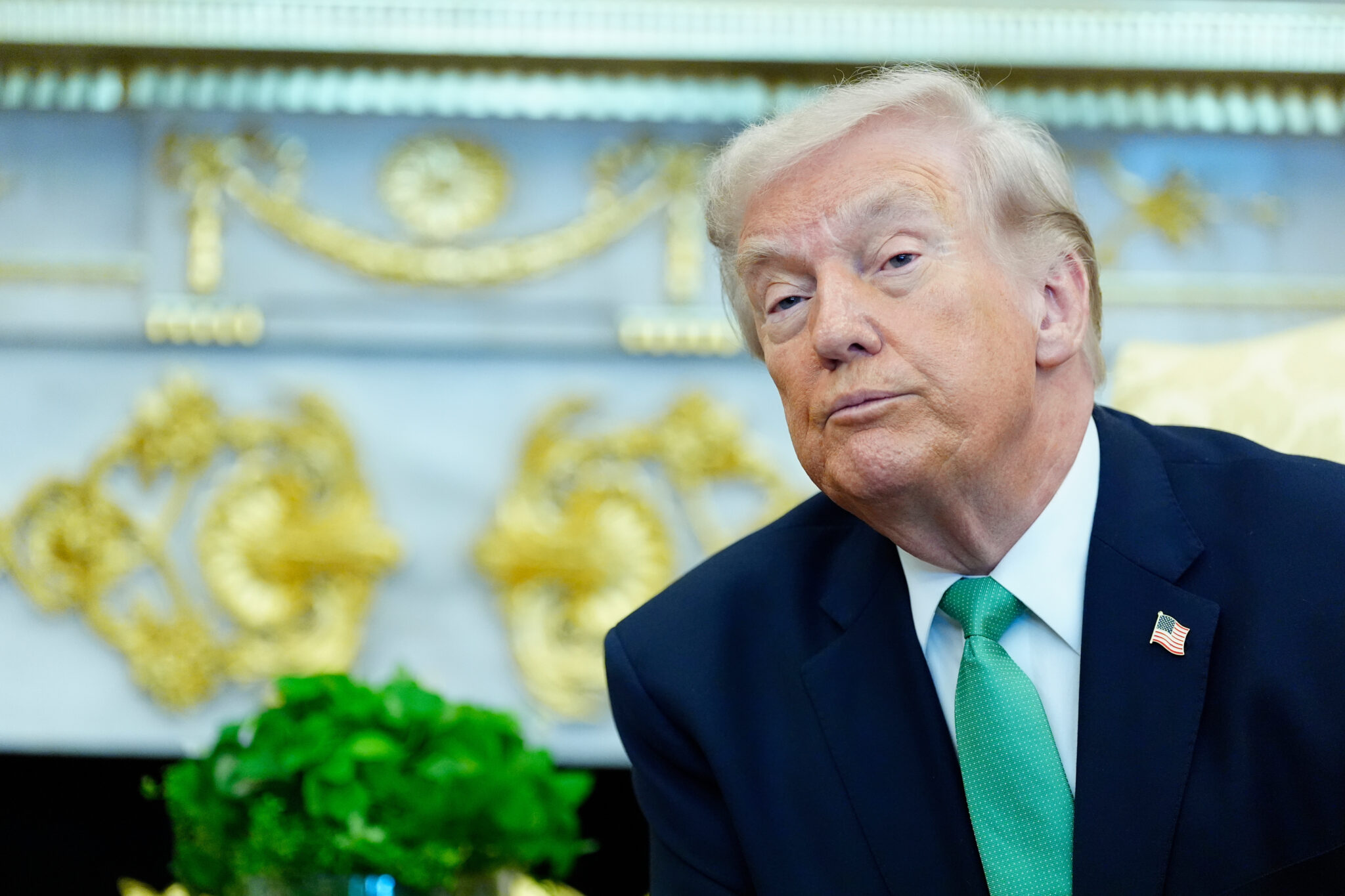
Trump Slams NATO Refusal To Secure Hormuz Strait/ Newslooks/ WASHINGTON/ J. Mansour/ Morning Edition/ Donald Trump criticized NATO and allies for refusing to help secure the Strait of Hormuz. European and Asian partners have declined to join the U.S.-led effort amid the Iran war. Trump signaled he may move forward without international support.
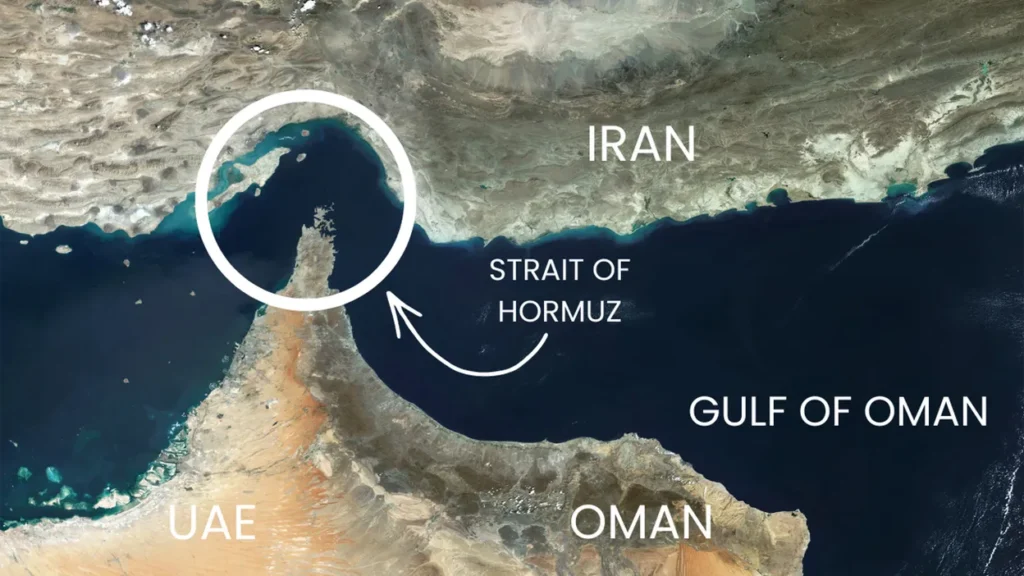
Hormuz Dispute Quick Looks
- Trump says NATO allies rejected calls for support.
- U.S. seeks help securing Strait of Hormuz shipping lanes.
- Allies wary of joining Iran conflict.
- Trump signals willingness to act alone.
- Europe says war is not its responsibility.
- Strait handles about 20% of global oil supply.
- Tensions raise questions about NATO unity.
- U.S. pressures countries to isolate Iran diplomatically.
Deep Look: Trump Slams NATO Refusal To Secure Hormuz Strait
President Donald Trump sharply criticized NATO and other U.S. allies after they declined to support Washington’s push to secure the Strait of Hormuz, a vital global energy route at the center of the ongoing Iran conflict.
Speaking at the White House, Trump expressed frustration that longtime partners have resisted calls to contribute naval assets, such as minesweepers, to protect commercial shipping in the region.
“You would think they would help,” Trump said, arguing that allies have long benefited from U.S. military support but are now reluctant to assist in return.
Allies resist joining the conflict
Countries across Europe and Asia have largely declined to participate in a U.S.-led effort to police the strait, citing concerns about becoming directly involved in a war they did not initiate.
NATO has emphasized that it is a defensive alliance and does not plan to join offensive operations related to the Iran conflict.
Similarly, the European Union has made clear it does not want to be drawn into the war.
Kaja Kallas said member states were neither consulted nor willing to take part in military actions tied to the conflict.
“This is not Europe’s war,” she said.
Trump signals willingness to go it alone
Despite his criticism, Trump indicated the United States may proceed without allied assistance.
“We don’t need any help,” he said, suggesting the U.S. military is capable of securing the waterway independently if necessary.
The Strait of Hormuz is one of the world’s most critical shipping lanes, carrying roughly one-fifth of global oil supplies. Disruptions there have already driven up energy prices and heightened economic concerns worldwide.
Strains on NATO relationship
The dispute has further strained Trump’s already complicated relationship with NATO.
He has long criticized the alliance for relying too heavily on U.S. military spending and has questioned whether member countries are contributing enough to collective defense.
Trump warned that the current situation could serve as a “test” of NATO’s value, calling the alliance’s response a “mistake.”
He also suggested the U.S. could reconsider its role in NATO, though such a move would face legal and political challenges, including a 2023 law requiring congressional approval for withdrawal.
Mixed responses from key allies
Some allies have left the door open to limited involvement under different conditions.
Emmanuel Macron said France could support efforts to secure shipping routes, but only outside the context of the current war.
Meanwhile, countries in Asia — including Japan and South Korea — have also been cautious, despite their heavy reliance on oil shipments through the strait.
Broader diplomatic push
Even as military support remains limited, the U.S. is pursuing diplomatic efforts to isolate Iran.
The State Department has urged countries worldwide to designate groups such as the Islamic Revolutionary Guard Corps and Hezbollah as terrorist organizations, a move that would trigger sanctions.
A conflict with global consequences
Now in its third week, the Iran war is reshaping global alliances and testing international cooperation.
Trump’s push for allied support — and the widespread reluctance to provide it — highlights the growing divide between Washington and its partners over how to handle the crisis.
As tensions continue, the question remains whether the U.S. will act alone or find a way to build broader international backing for its strategy in the region.




You must Register or Login to post a comment.