

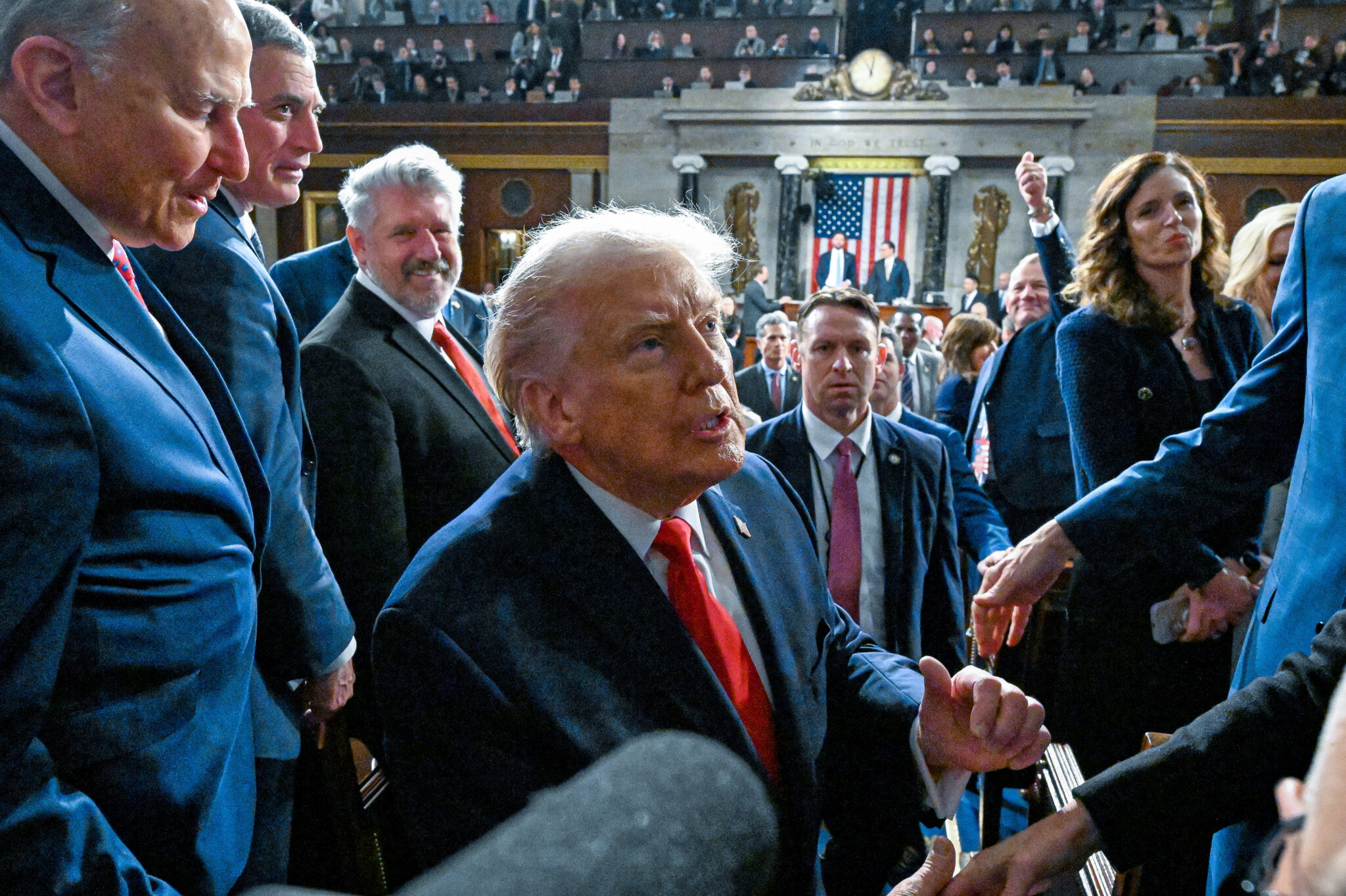
Trump Takes State of the Union Message Nationally/ Newslooks/ WASHINGTON/ J. Mansour/ Morning Edition/ President Donald Trump is moving quickly to promote his State of the Union message as midterm elections approach. After delivering a record-setting speech, Trump and his Cabinet are fanning out to sell themes of economic revival and national security. Polling shows stable but soft approval ratings, making the post-speech rollout critical for Republicans.
Trump Post-State of the Union Sales Job + Quick Looks
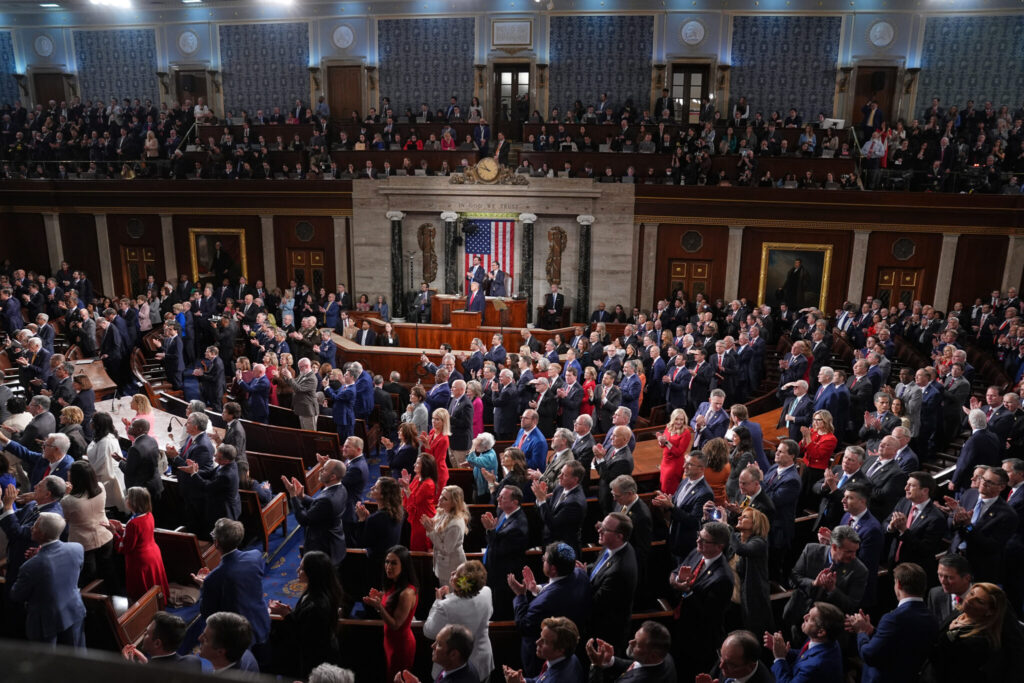
- Trump delivered a 108-minute address touting economic and foreign policy wins.
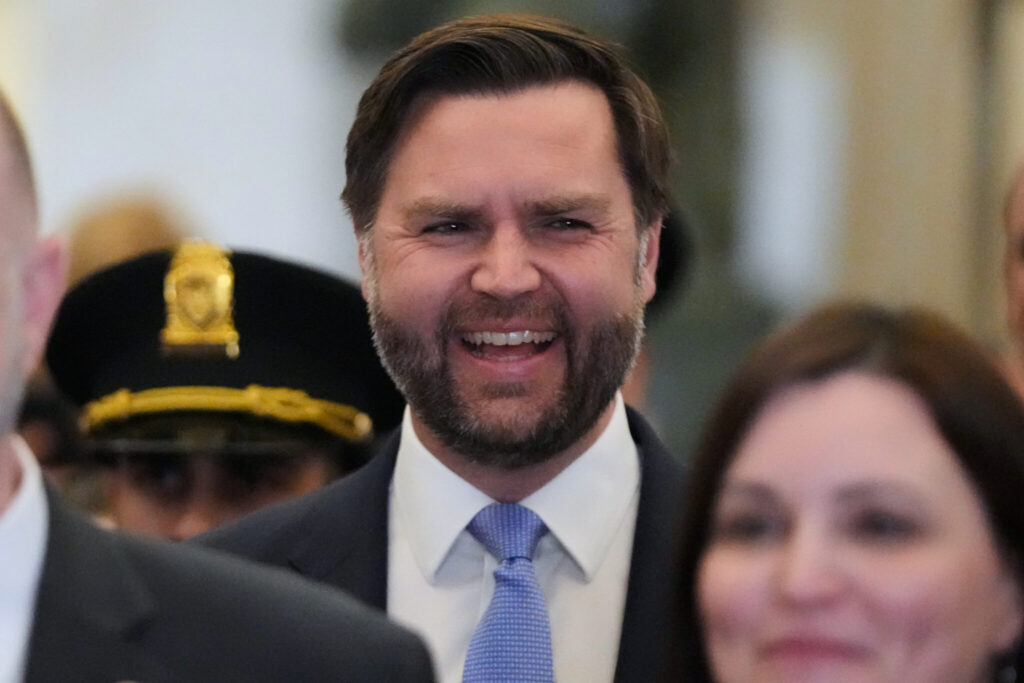
- Vice President JD Vance and Cabinet officials lead media blitz.
- Texas trip targets Latino voters ahead of midterms.
- Polling shows approval slipping from 42% to 36%.
- Democrats counter with affordability message.
- White House promises aggressive travel schedule.
- Speech featured high-profile, social-media-ready moments.
Deep Look: Trump Takes State of the Union Message Nationally
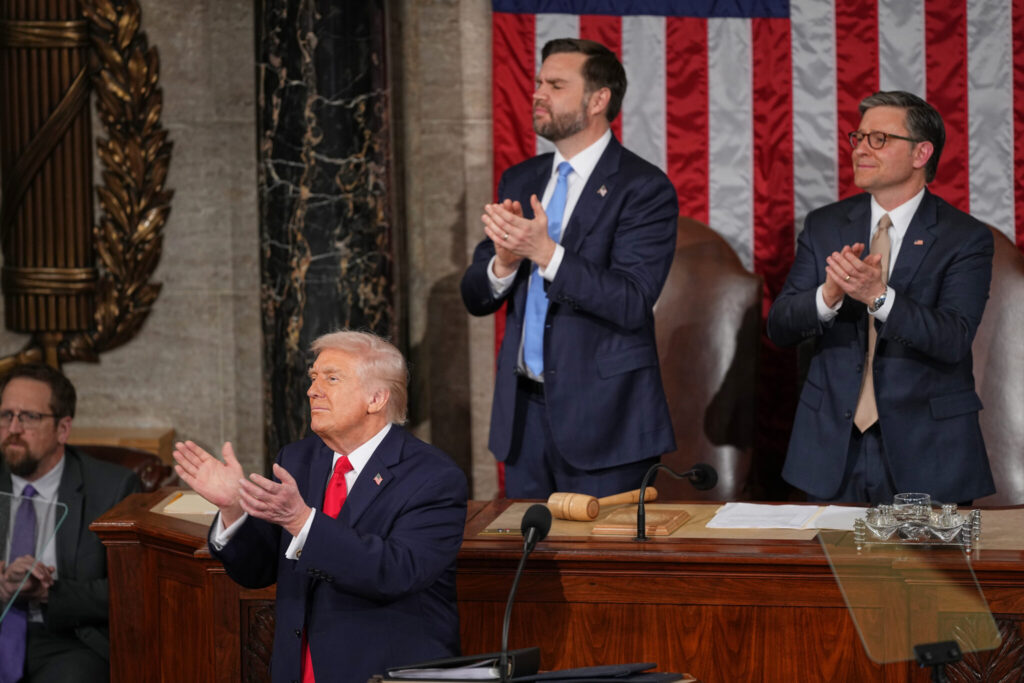
President Donald Trump has completed his record-length State of the Union address. Now comes what may be the harder task: convincing voters that his sweeping claims of economic revival and national resurgence reflect their everyday reality.
Trump’s 108-minute speech laid out a bold narrative of an American “renaissance” at home and a recalibrated world order abroad. But with midterm elections looming and approval ratings softening, the White House is shifting into full campaign mode to amplify the message.
The first stop on that effort comes later this week in Texas — a state central to Trump’s reshaped Republican coalition, particularly among Latino voters who shifted toward him during his 2024 reelection victory. The visit will focus on energy policy and economic growth, timed just ahead of the state’s March 3 congressional primaries.
Cabinet Blitz and Road Strategy
While Trump remains in Washington for meetings following the speech, Vice President JD Vance is heading to a Wisconsin factory to spotlight manufacturing gains. Treasury Secretary Scott Bessent and Agriculture Secretary Brooke Rollins have already begun promoting key themes from the address in television appearances.
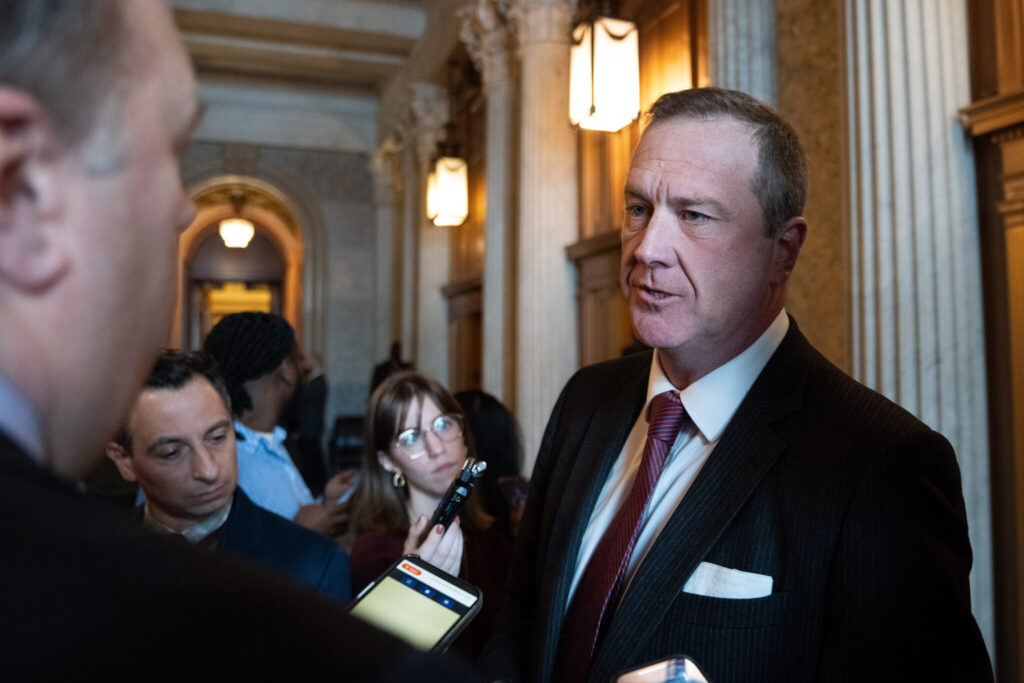
Republican Sen. Markwayne Mullin, a close Trump ally, told The Associated Press that the speech would “set the tone for the following year,” underscoring GOP hopes that the address becomes a launching pad for midterm messaging.
Presidents traditionally travel quickly after the State of the Union to reinforce their agenda. Former President Joe Biden, for example, routinely visited battleground states such as Wisconsin and Pennsylvania in the days following his speeches.
The Trump White House is signaling a similar strategy, promising frequent travel until November. So far, Trump has toured key battlegrounds including Michigan, Pennsylvania and North Carolina, while also appearing in reliably conservative states like Iowa. His rallies often blend policy messaging with political endorsements and unscripted detours — a hallmark of his campaign style.
The Power of the “Big Moment”
Trump’s approach to political messaging differs from that of more traditional presidents. According to Austin Cantrell, a former Trump administration press aide now with Bridge Public Affairs, the president prioritizes moments that can dominate social media and cable news cycles.
“Donald Trump is a master at the big moments,” Cantrell said, noting that viral clips often matter more than tightly choreographed policy tours.
This year’s speech included several such moments, including Trump’s announcement that he would award the Presidential Medal of Freedom to Connor Hellebuyck, the goaltender for the gold medal-winning U.S. men’s hockey team. The team’s appearance inside the House chamber provided one of the most replayed images of the night.
Six years earlier, Trump similarly stunned viewers by awarding the Medal of Freedom to conservative radio host Rush Limbaugh during a State of the Union address. The tactic underscores Trump’s instinct for blending policy, patriotism and spectacle.
Democrats Push Back
Democrats quickly countered Trump’s optimistic framing. Virginia Gov. Abigail Spanberger, delivering the official Democratic response, argued that costs remain high and that many families are still struggling.
Trump, for his part, emphasized immigration enforcement, tax cuts and voter identification measures as pillars of a safer and more prosperous America. Republican Sen. Eric Schmitt said those achievements will form the backbone of the GOP’s fall campaign message.
Yet public opinion data suggests the president faces an uphill climb. According to Associated Press-NORC polling, Trump’s approval rating has dipped slightly during his second term, sliding from 42% in March 2025 to 36% in early February.
That relative stability suggests that one speech alone is unlikely to dramatically shift perceptions.
The Importance of Hitting the Road
Historians say the post-speech travel schedule carries symbolic weight. Edward Frantz of the University of Indianapolis points to President Herbert Hoover’s limited travel during the Great Depression as a cautionary tale — a leader perceived as distant from voters’ struggles.
“The best way to be able to see that is by hitting the road,” Frantz said, describing the State of the Union as the “call” that requires a public “response.”
Presidential historian Timothy Naftali notes that modern presidents use the address to reset or reaffirm their agenda. In 1996, Bill Clinton leveraged his State of the Union to frame his reelection themes. After heavy midterm losses in 2006, George W. Bush adopted a more conciliatory tone.
For Trump, the strategy appears less about recalibration and more about reinforcement. His speech reaffirmed the themes that powered his political comeback: economic nationalism, immigration enforcement, military strength and cultural confrontation.
Midterm Stakes
With narrow Republican majorities in both the House and Senate, the stakes are high. A shift of just a few seats could alter the balance of power and significantly constrain Trump’s legislative ambitions.
The president’s challenge now is to translate a prime-time performance into sustained voter confidence. In a fragmented media environment — where attention spans are short and political narratives shift rapidly — the success of that effort will depend not only on speeches and rallies, but also on whether Americans feel the economic improvements Trump describes.
The State of the Union may have been the opening act. The true test of its impact will unfold on the campaign trail in the months ahead.



You must Register or Login to post a comment.