Trump Targets Hyundai, Pharma With 25% South Korea Tariffs/ Newslooks/ WASHINGTON/ J. Mansour/ Morning Edition/ President Trump is raising tariffs on South Korean imports to 25%, citing noncompliance with a trade agreement. Seoul pledges to respond calmly and send officials for urgent talks. The tariff hike could hit key exports like cars and electronics.
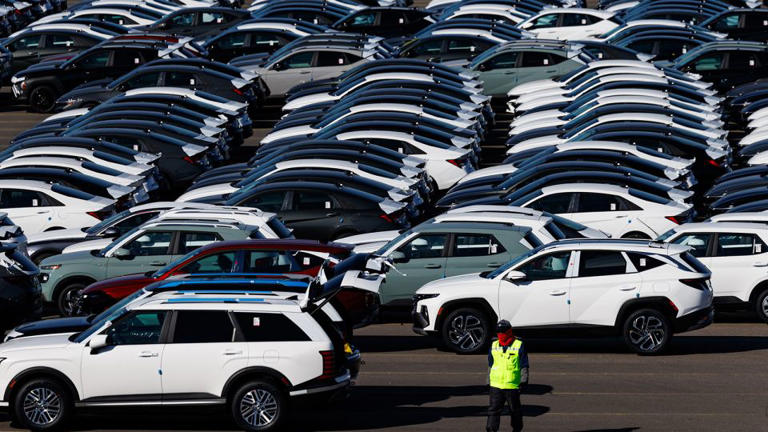
Trump Raises South Korea Tariffs: Quick Looks
- Tariff Increase: President Trump announced a rise in tariffs on South Korean imports from 15% to 25% via Truth Social.
- Reason Cited: He accused South Korea’s legislature of failing to implement a “Historic Trade Agreement.”
- Affected Sectors: Autos, lumber, pharmaceuticals, and other key goods.
- Korean Response: Seoul said it would “respond calmly” and reaffirm its willingness to uphold the agreement.
- Urgent Diplomacy: South Korea’s trade and industry ministers are expediting U.S. visits to meet with American officials.
- Economic Impact: South Korea’s Kospi index dipped, Hyundai shares dropped over 2% after the announcement.
- Trade Volume: South Korea exported $132 billion in goods to the U.S. in 2024—many of which could face increased costs.
- Legal Uncertainty: A pending Supreme Court case could determine whether Trump has the authority for sweeping, country-specific tariffs.
Deep Look: Trump Targets Hyundai, Pharma With 25% Korea Tariffs
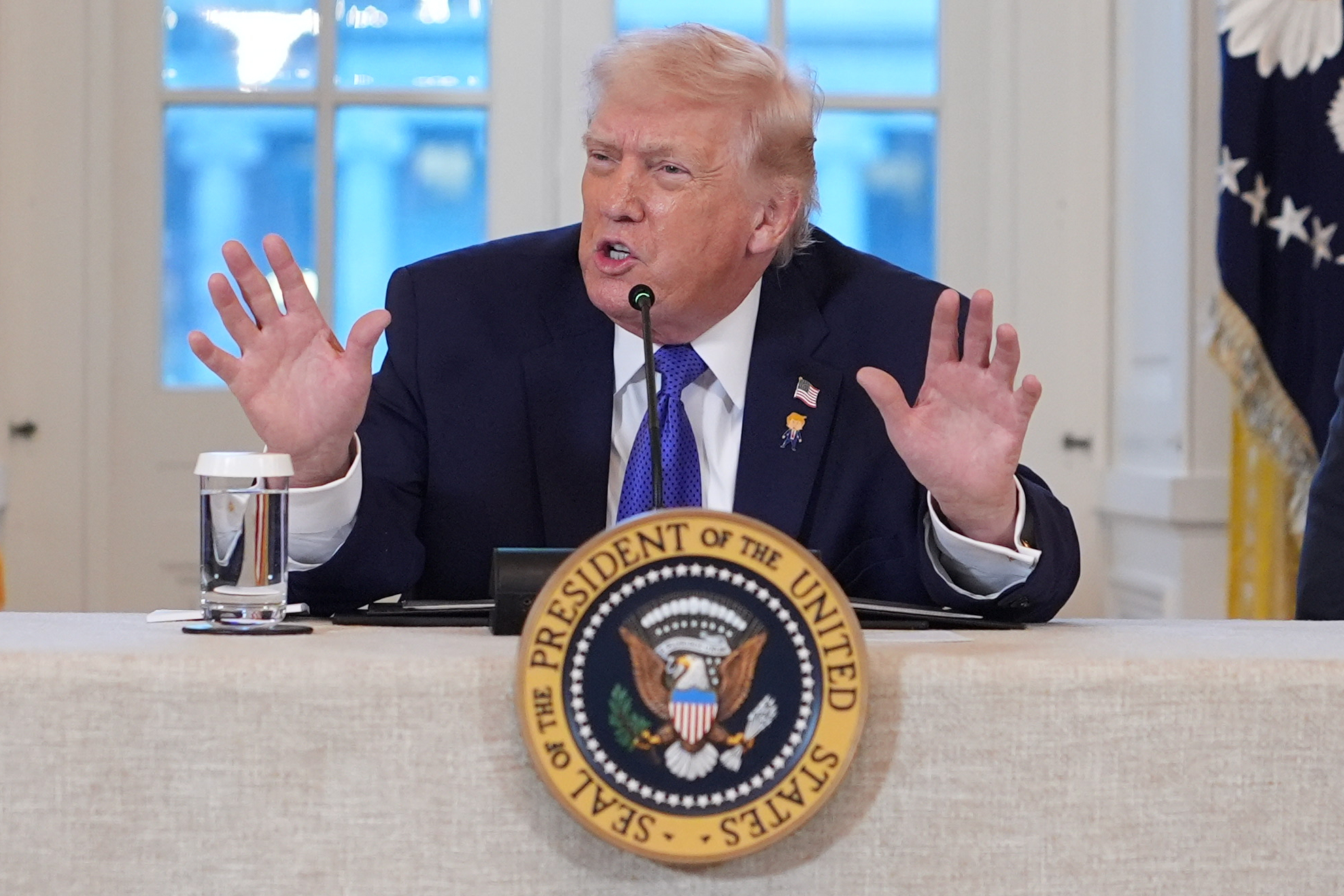
WASHINGTON, D.C. — President Donald Trump announced Monday that the U.S. is increasing tariffs on South Korean imports from 15% to 25%, citing delays by Seoul in finalizing a bilateral trade agreement announced in mid-2025.
Trump made the announcement on Truth Social, writing:
“Because the Korean Legislature hasn’t enacted our Historic Trade Agreement… I am hereby increasing South Korean TARIFFS on Autos, Lumber, Pharma, and all other Reciprocal TARIFFS.”
The White House has not yet confirmed the effective date of the increased tariffs. The post triggered immediate concern in Seoul and markets around the world.
South Korea Responds With Urgency
South Korea responded swiftly to the announcement. Presidential spokesperson Kang Yoo-jung said the government would “respond calmly” and emphasized Seoul’s continued “willingness to fulfill the tariff agreement.”
Kang added that high-level meetings are now being expedited. Trade Minister Cheong In-seop has moved up a previously scheduled U.S. trip to meet with Trade Representative Jamieson Greer, while Industry Minister Moon Seong-wook is rerouting from Canada to meet Commerce Secretary Howard Lutnick in Washington.
Market Reaction and Industry Impact
Following the announcement, South Korea’s Kospi index fell by more than 1% before stabilizing. Hyundai Motor Co., one of the country’s largest exporters to the U.S., saw its shares decline 2.2% in early Tuesday trading.
In 2024 alone, South Korea exported $132 billion in goods to the United States, according to U.S. Commerce Department data. Key exports include automobiles, car parts, semiconductors, and consumer electronics—all of which could be affected by the new tariff structure.
The Trade Deal in Question
Trump’s July 2025 trade agreement with South Korea was intended to stave off a planned tariff spike from 10% to 25%, offering preferential rates on imports like autos and pharmaceuticals in exchange for specific policy changes by Seoul.
However, Korean lawmakers have not yet ratified the agreement—prompting Trump’s decision to act.
Legal Cloud Over Tariff Authority
Whether Trump has the legal authority to enact these across-the-board tariff hikes remains uncertain. A landmark case before the U.S. Supreme Court could decide whether a president can unilaterally impose country-specific tariff regimes.
If the court rules against Trump, the administration would likely be forced to reverse or halt implementation of the increased tariffs.
Broader Context of Trade Tensions
Trump’s move follows a recent wave of tariff threats, including a 100% tariff on Canadian goods and a 10% surcharge on countries that resisted his plan to purchase Greenland—a proposal he has since retracted.
The South Korea tariffs now mark one of the most significant escalations in Trump’s ongoing reshaping of U.S. trade policy and signal more disruption ahead for American importers and global supply chains.