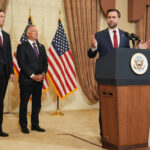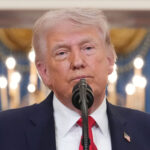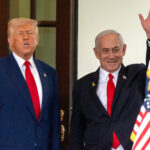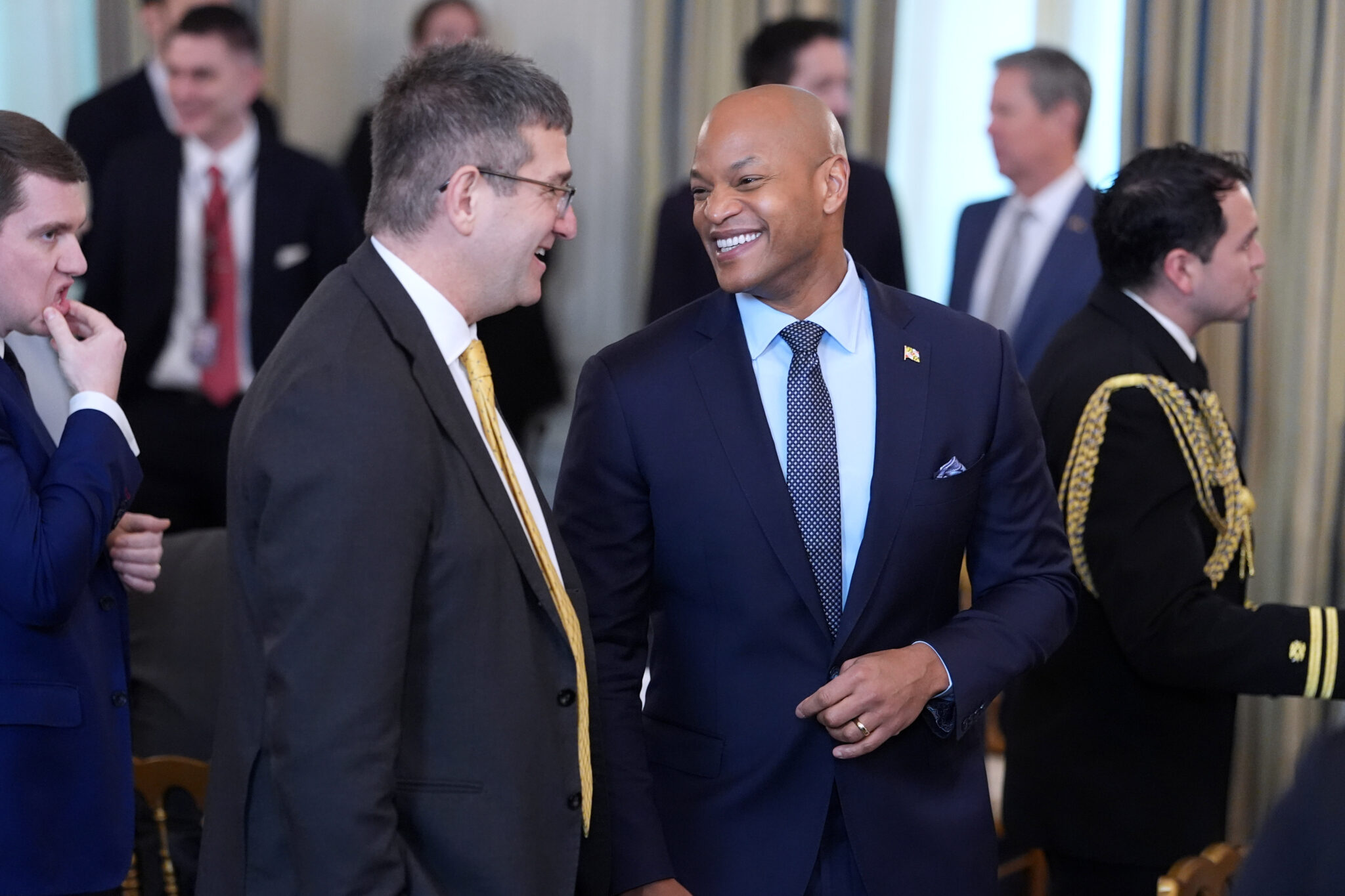
Trump Tariff Ruling Overshadows Governors White House Dinner/ Newslooks/ WASHINGTON/ J. Mansour/ Morning Edition/ The annual White House dinner for governors closed a tense week marked by political friction and a major Supreme Court ruling. President Donald Trump initially excluded two Democratic governors from a working session before reversing course. Despite controversy, some governors described the meetings as productive.
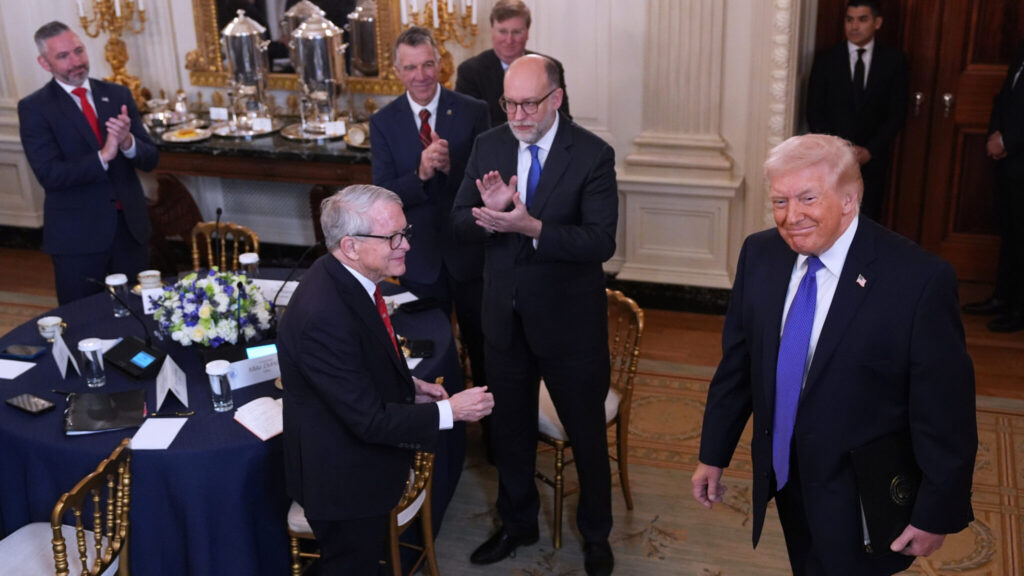
White House Governors Dinner Caps Turbulent Week Quick Looks
- Annual bipartisan governors dinner at White House
- Trump criticized NGA leadership before event
- Democratic Govs. Wes Moore and Jared Polis initially excluded
- Supreme Court tariff ruling disrupted Friday session
- Some Democrats threatened boycott
- Immigration enforcement in Minnesota raised during meeting
- Mixed reactions from Republican and Democratic governors
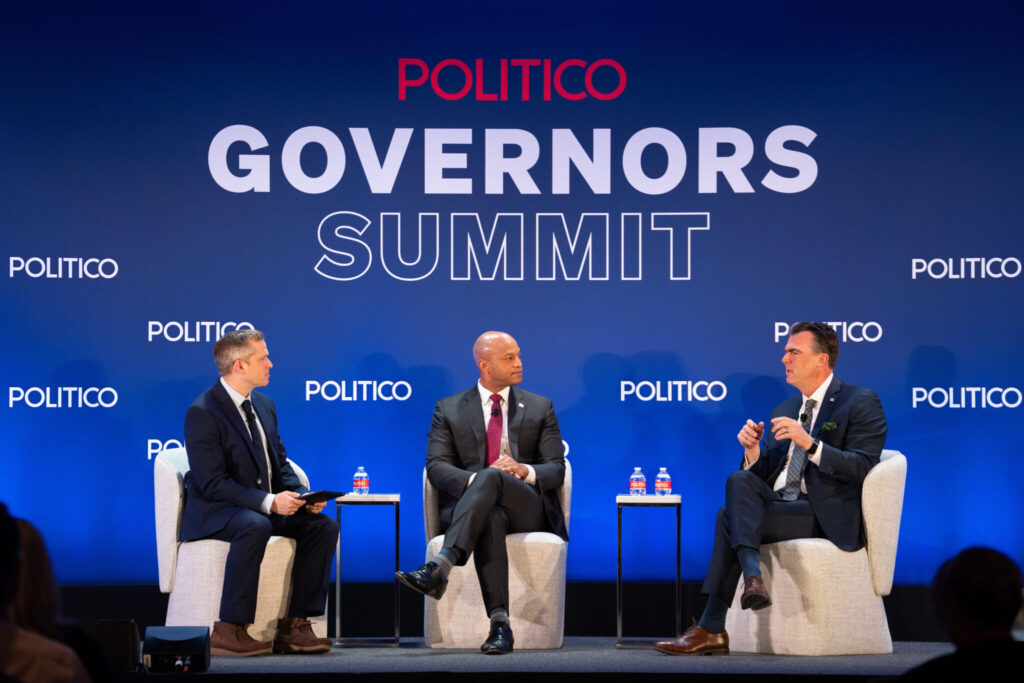
Deep Look: Trump Tariff Ruling Overshadows Governors White House Dinner
What is typically one of Washington’s more cordial bipartisan traditions became a flashpoint this year as the annual governors’ dinner at the White House wrapped up a week filled with political turbulence.
The gathering, hosted during the winter meeting of the National Governors Association, is usually a chance for state leaders from both parties to mingle with the president and Cabinet officials in a more relaxed setting. Under President Donald Trump’s second term, however, the tradition has taken on sharper political overtones.
Early Friction
Ahead of the week’s events, Trump publicly criticized the bipartisan leadership of the NGA — Republican Gov. Kevin Stitt of Oklahoma and Democratic Gov. Wes Moore of Maryland. Tensions escalated when Moore and Colorado Gov. Jared Polis were not initially invited to a working meeting at the White House on Friday.
After pushback from Democrats and some Republicans, Trump reversed course and allowed Moore to attend. Still, the episode fueled frustration among several governors and prompted threats of a boycott from dozens of Democrats.
Massachusetts Gov. Maura Healey ultimately chose to skip the Saturday dinner, calling the situation a “farce” in a public statement.
Supreme Court Ruling Disrupts Meeting
Complicating matters further, the Friday working session was cut short after the Supreme Court of the United States struck down Trump’s sweeping tariff policy.
Louisiana Gov. Jeff Landry, a Republican ally of the president, described the timing as unfortunate, criticizing the court’s ruling.
The decision added another layer of tension to an already politically charged week, reinforcing divisions between the White House and some state leaders.
Immigration Concerns Raised
Despite the controversies, several governors said the meeting itself proved constructive.
Moore described it as a valuable opportunity to exchange ideas directly with the president. New York Gov. Kathy Hochul said governors pressed Trump on lessons learned from the administration’s immigration enforcement surge in Minnesota, where two U.S. citizens were killed during recent operations.
According to Hochul, Trump responded that federal authorities would “only go where we’re wanted,” a comment she welcomed.
A Rare Bipartisan Forum
Veterans of past governors’ dinners noted that the event has historically provided rare face time between state leaders and the president — as well as opportunities for governors from opposing parties to build relationships.
Former Arkansas Gov. Asa Hutchinson, who once chaired the NGA and briefly challenged Trump for the 2024 Republican presidential nomination, recalled past dinners as warm, relationship-building occasions.
“It’s a glowing evening in the White House,” Hutchinson said, reflecting on previous years when governors from across the political spectrum shared tables and conversations beyond partisan divides.
Tradition Under Strain
This year’s gathering underscores how even long-standing bipartisan rituals are not immune to the broader political climate. While the dinner proceeded, the friction surrounding invitations, Supreme Court rulings and policy disagreements highlighted the increasingly fraught relationship between Washington and state governments.
For some governors, the week was a reminder of the value of direct dialogue. For others, it reinforced concerns about deepening partisan divides — even at events traditionally designed to bridge them.