Trump Tariffs Push Canada Toward Trade With China/ Newslooks/ WASHINGTON/ J. Mansour/ Morning Edition/ President Trump’s aggressive trade tactics are backfiring as key U.S. allies, including Canada, pivot toward China and other global partners. In a major shift, Canada struck a deal with Beijing to lower tariffs on canola exports in exchange for allowing Chinese electric vehicles, signaling economic realignment. The move complicates upcoming USMCA negotiations and raises concerns about diminished American influence.
Trump Tariffs Backfire: Canada Embraces China Amid Trade Tensions — Quick Looks
- Canada strikes deal with China, reducing tariffs on EVs in exchange for canola access.
- Trump’s unpredictable tariffs have alienated allies and sparked global economic realignments.
- Mark Carney’s government faces backlash at home but defends the move as essential for Canada’s future.
- The deal could jeopardize Canada’s standing in USMCA talks with the U.S.
- Ontario Premier Doug Ford warns of risks to Canadian autoworkers and American export access.
- Trump has imposed global tariffs, including on key Canadian sectors like steel and aluminum.
- The European Union and China are bypassing the U.S., forming new trade alliances.
- China’s trade surplus hit $1.2 trillion in 2025, despite reduced U.S. trade.
- Trump has suggested tariffs against countries resisting his foreign policy, including Denmark and Brazil.
- Canada hopes to diversify trade, boost its EV industry, and reduce reliance on U.S. goodwill.
Deep Look: Trump’s Protectionist Trade Policy Backfires as Canada Embraces China
WASHINGTON (AP) — President Donald Trump’s protectionist trade agenda, once touted as a bold strategy to bring manufacturing back to American soil, is increasingly isolating the United States on the global economic stage. As Trump doubles down on tariffs and retaliatory measures, longtime U.S. allies are turning to China, the very rival Trump claims to be confronting.
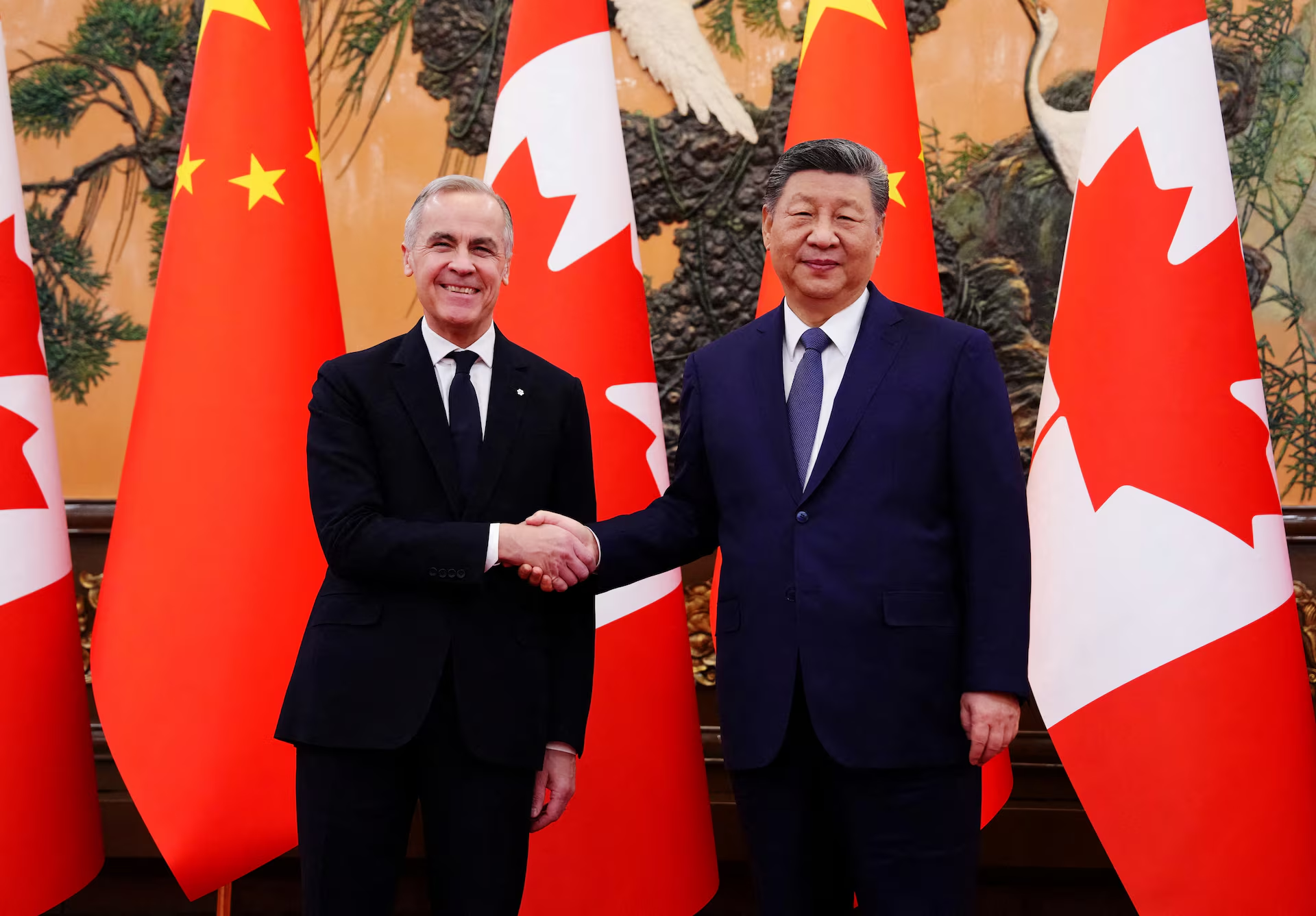
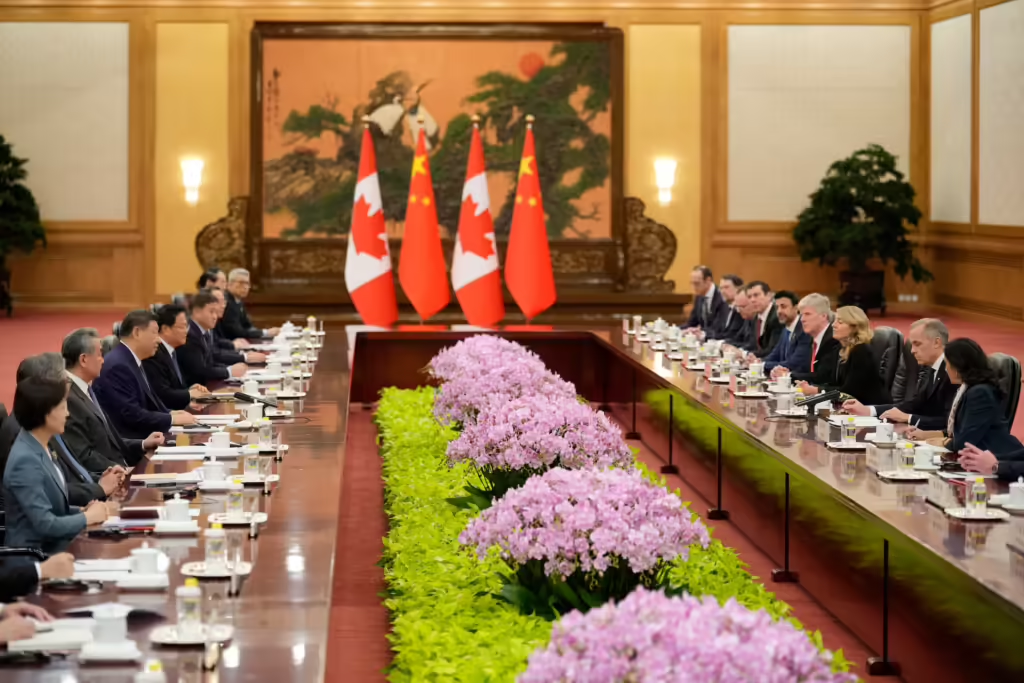
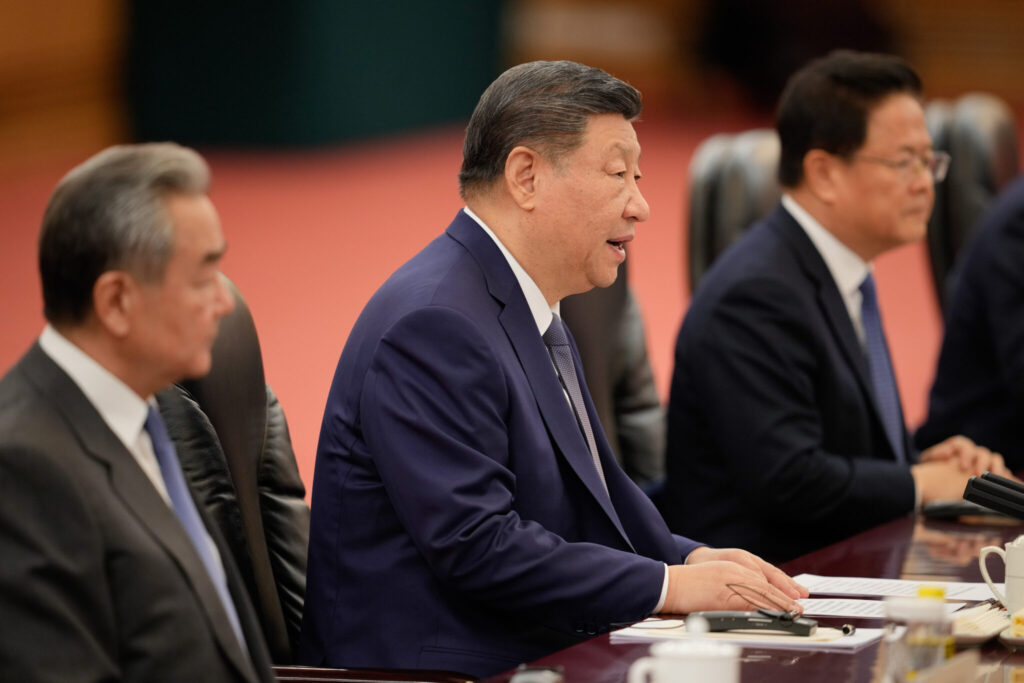
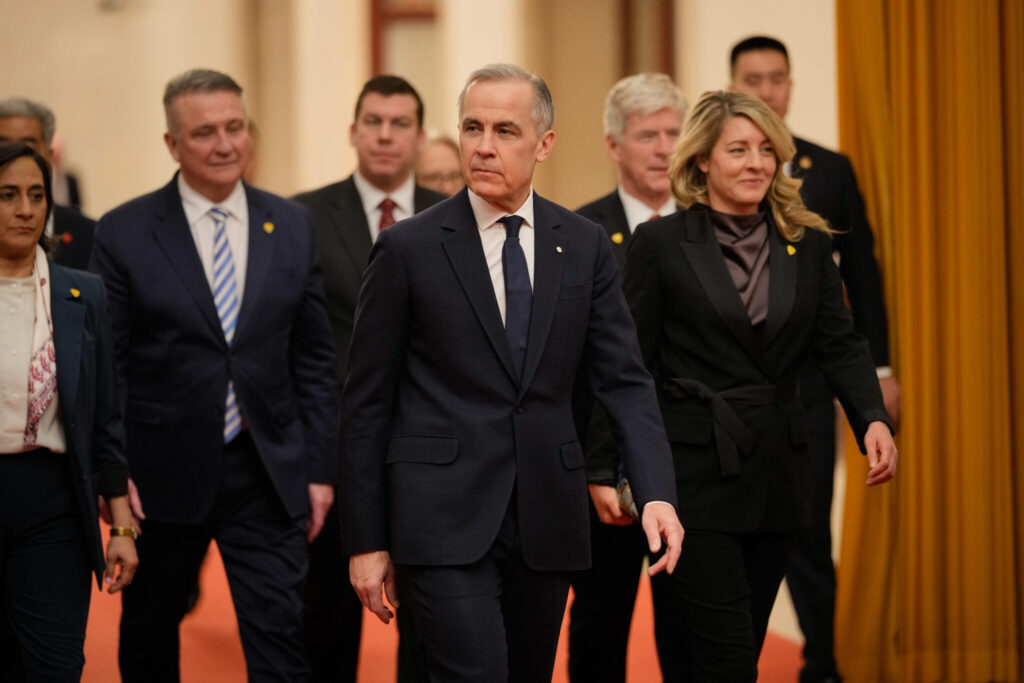
In a stark example of this global shift, Canada on Friday announced a landmark trade agreement with Beijing, lowering its 100% import tax on Chinese electric vehicles (EVs) in exchange for reduced tariffs on Canadian canola exports. The move signifies not only a major economic realignment but also a direct rebuke of Washington’s erratic trade leadership under Trump.
Canada Makes Its Move: China Over America
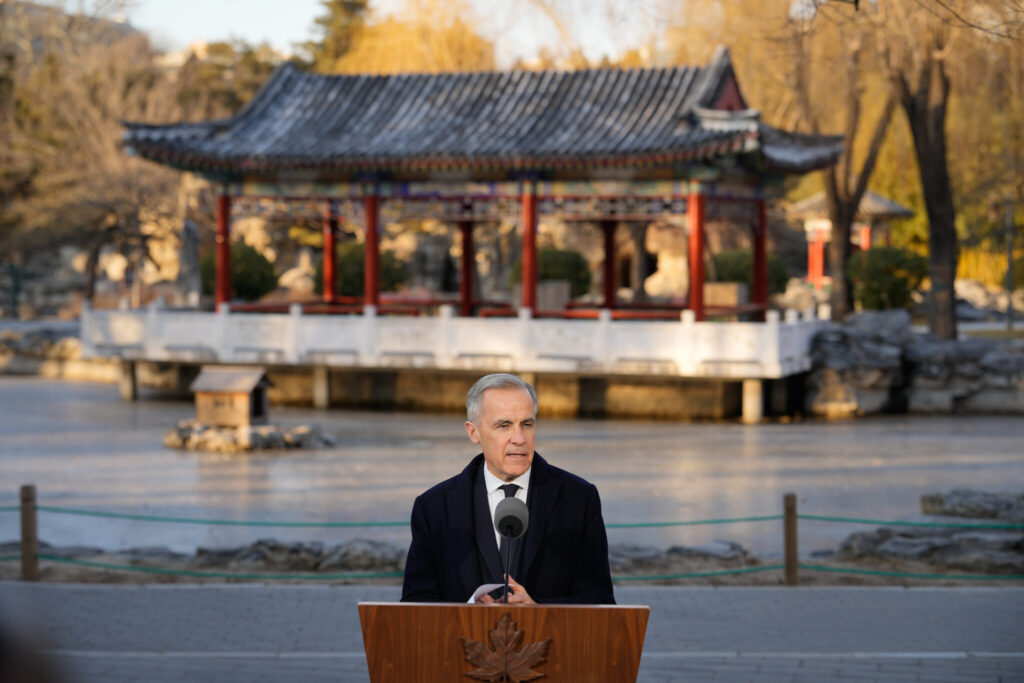
Canada’s decision marks a departure from its recent policy, where it had mirrored U.S. tariffs to deter a flood of low-cost Chinese EVs. But under growing pressure from farmers, automakers, and clean energy advocates, Prime Minister Mark Carney’s administration reversed course, opening the Canadian market to limited Chinese EV imports while gaining access to the massive Chinese consumer base.
“It’s a huge declaration of realignment in Canada’s economic relations,” said Edward Alden, a trade expert at the Council on Foreign Relations. “The economic threat from the United States is now perceived by Canadians as far bigger than the economic threat from China.”
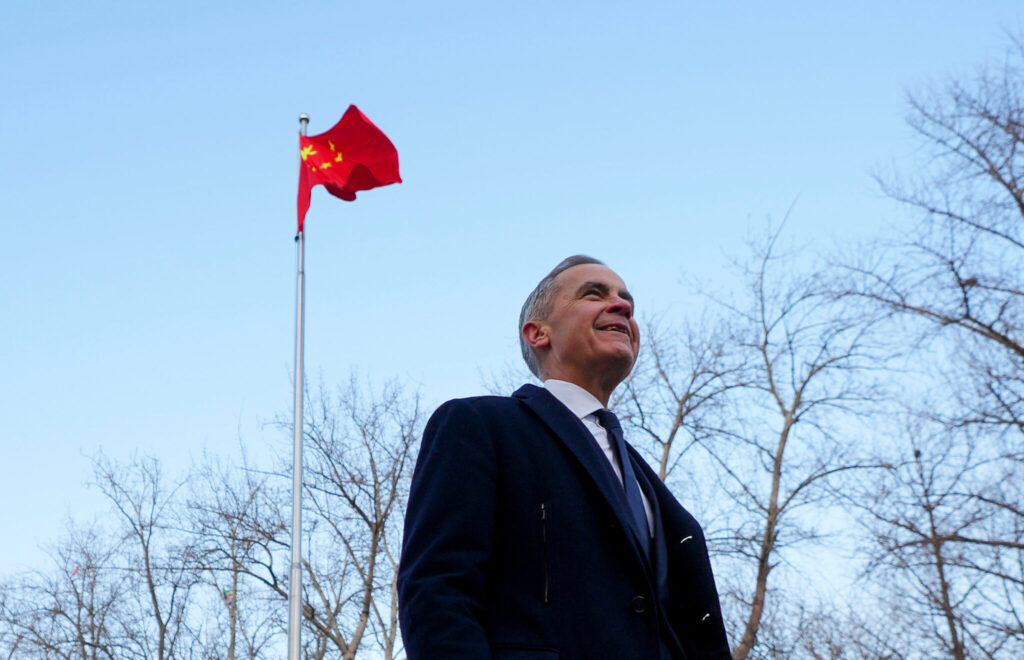
Carney defended the move, noting that China’s EV technology is increasingly essential to the global automotive future and that Canada must tap into those supply chains to remain competitive.
“China produces some of the most affordable and efficient energy-efficient vehicles in the world,” Carney said. “We need to learn from innovative partners, access their technology, and grow local demand.”
Trump’s Tariff Wars Reshape Global Trade Dynamics
Trump’s second term has been marked by a relentless expansion of tariffs, affecting imports from nearly every country. Since returning to the White House in 2025, he has sought to dismantle the global trade order established after World War II, favoring short-term domestic gains over multilateral cooperation.
These include:
- Double-digit tariffs on nearly all foreign imports.
- Industry-specific tariffs on steel, aluminum, and autos.
- Tariffs used as punishment — such as against Brazil for prosecuting Trump ally Jair Bolsonaro, or threats against Denmark over Greenland.
- A campaign to bring manufacturing back to the U.S., often using intimidation rather than incentives.
The administration has boasted about tariffs generating revenue for the U.S. Treasury. One recent example saw Taiwan agree to invest $250 billion in the U.S. in exchange for a modest tariff reduction.
Yet these moves have strained U.S. alliances, driven away investment, and emboldened economic competitors like China to fill the vacuum.
China’s Global Trade Strategy Succeeds
While Trump has sought to isolate China, the country has successfully shifted its trade partnerships toward Europe, Southeast Asia, and South America. In 2025, China’s global trade surplus hit a record $1.2 trillion, even as its exports to the U.S. declined.
- The EU is expected to finalize a deal with South America’s Mercosur bloc (Brazil, Argentina, and others).
- China is expanding infrastructure and trade ties across Africa and Central Asia.
- Chinese companies continue to dominate EV production, batteries, and electronics — areas where U.S. industry now lags.
China’s strategic patience contrasts sharply with Trump’s tariff blitz. And with allies like Canada turning to Beijing, Trump’s “America First” agenda may ultimately leave America last in key sectors.
Domestic Backlash in Canada
Though Carney celebrated the agreement as a win for farmers and the green economy, backlash was swift.
Ontario Premier Doug Ford, whose province is the heart of Canada’s auto industry, criticized the deal as a betrayal:
“Make no mistake: China now has a foothold in the Canadian market and will use it to their full advantage at the expense of Canadian workers,” Ford warned on social media.
He also voiced concerns that the deal could jeopardize Canadian auto exports to the U.S., especially if Trump retaliates during upcoming trade negotiations.
In response, Carney emphasized that Chinese EVs will be capped at 49,000 units per year, rising gradually to 70,000 by year five, under a limited tariff reduction framework.
Threats to USMCA and North American Unity
The most significant fallout from Canada’s shift could emerge in USMCA negotiations, the modern replacement for NAFTA. The agreement comes up for review this year, and Trump is expected to push for new terms that further prioritize American manufacturing.
Analysts warn that Trump could:
- Target Canadian automakers with retaliatory tariffs.
- Threaten to withdraw from USMCA altogether.
- Use the negotiations to punish Carney and reassert economic dominance.
“Trump will not be pleased with the Canadian action,” said William Reinsch, former U.S. trade official. “He’ll likely retaliate — possibly through the auto sector — and make this a central issue in USMCA talks.”
Despite the risks, Carney appears to be banking on U.S. industry support. American automakers, farmers, and tech firms benefit heavily from USMCA and may push back against extreme renegotiation efforts.
A Signal to the World: Alternatives to America
For many global leaders, Canada’s pact with China is a sign that Trump’s America is no longer a reliable economic partner. With Washington’s erratic policies creating uncertainty, countries are hedging their bets by building diverse trade relationships, investing in clean energy, and seeking stability outside the U.S. orbit.
“Canada is signaling it has options,” said economist Mary Lovely of the Peterson Institute. “It’s a message to the world that countries don’t have to accept humiliating compromises to keep trading with the U.S.”
Trump’s short-term victories on tariffs may come at the cost of long-term strategic influence.